• KGS/USD = 0.01143 0%
  • KZT/USD = 0.00213 0%
  • TJS/USD = 0.10593 0.47%
  • UZS/USD = 0.00008 0%
  • TMT/USD = 0.28571 0%
  • KGS/USD = 0.01143 0%
  • KZT/USD = 0.00213 0%
  • TJS/USD = 0.10593 0.47%
  • UZS/USD = 0.00008 0%
  • TMT/USD = 0.28571 0%
  • KGS/USD = 0.01143 0%
  • KZT/USD = 0.00213 0%
  • TJS/USD = 0.10593 0.47%
  • UZS/USD = 0.00008 0%
  • TMT/USD = 0.28571 0%
  • KGS/USD = 0.01143 0%
  • KZT/USD = 0.00213 0%
  • TJS/USD = 0.10593 0.47%
  • UZS/USD = 0.00008 0%
  • TMT/USD = 0.28571 0%
  • KGS/USD = 0.01143 0%
  • KZT/USD = 0.00213 0%
  • TJS/USD = 0.10593 0.47%
  • UZS/USD = 0.00008 0%
  • TMT/USD = 0.28571 0%
  • KGS/USD = 0.01143 0%
  • KZT/USD = 0.00213 0%
  • TJS/USD = 0.10593 0.47%
  • UZS/USD = 0.00008 0%
  • TMT/USD = 0.28571 0%
  • KGS/USD = 0.01143 0%
  • KZT/USD = 0.00213 0%
  • TJS/USD = 0.10593 0.47%
  • UZS/USD = 0.00008 0%
  • TMT/USD = 0.28571 0%
  • KGS/USD = 0.01143 0%
  • KZT/USD = 0.00213 0%
  • TJS/USD = 0.10593 0.47%
  • UZS/USD = 0.00008 0%
  • TMT/USD = 0.28571 0%

Viewing results 1 - 6 of 76

Better Buses Help Air Quality in Bishkek to Improve

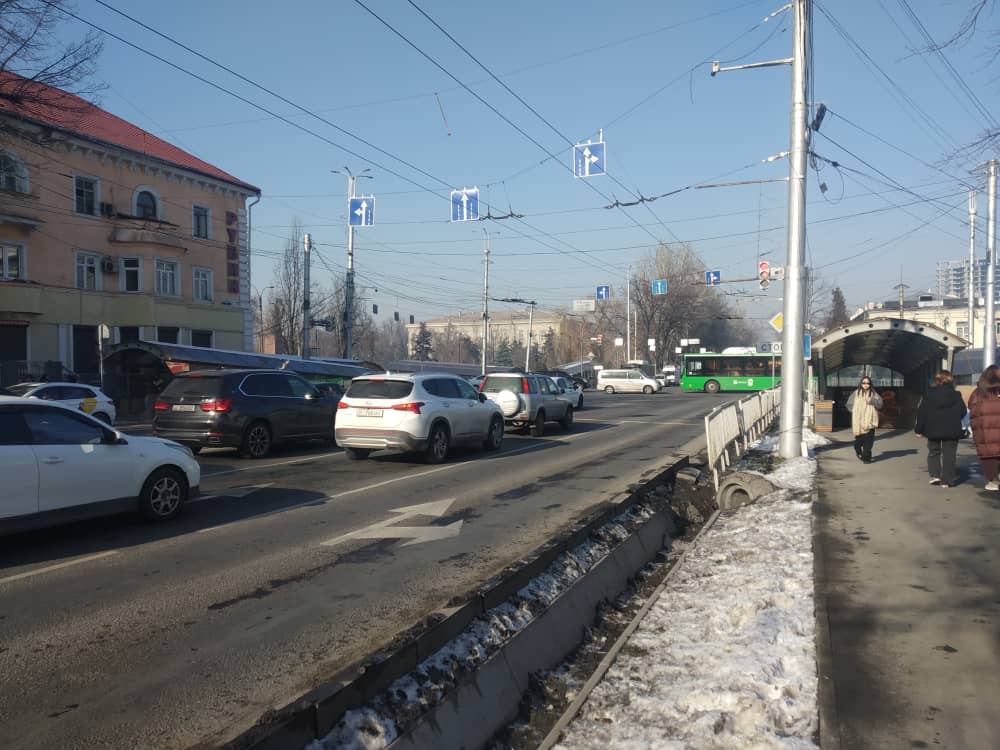
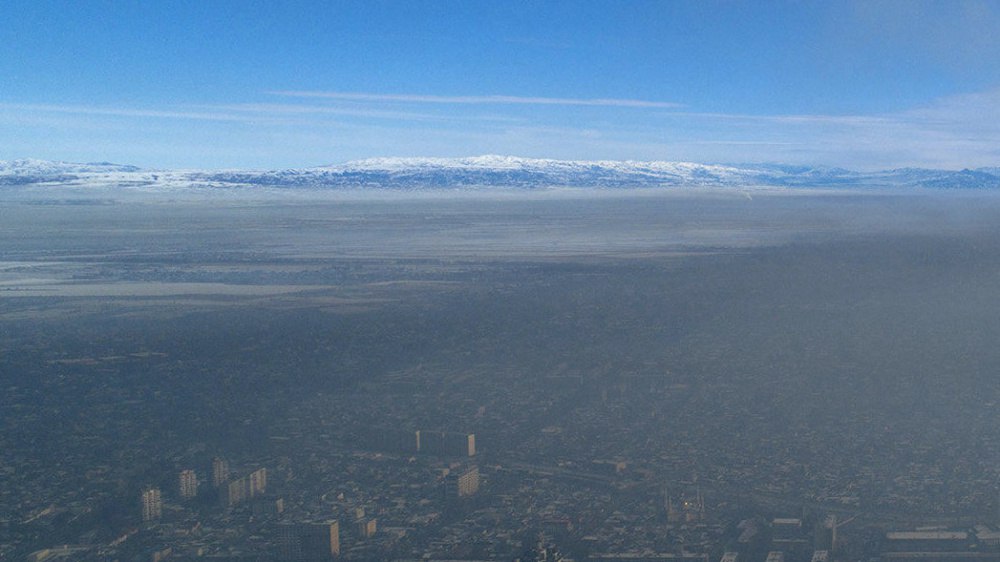
Officials claim that the air quality in Kyrgyzstan’s capital, Bishkek, has significantly improved over the last two years due to the ongoing renewal of the municipal transport fleet, switching residential heating from coal to natural gas, and extinguishing the sanitary landfill near Bishkek that had burned for decades. Chyngyzbek Abdymalik Uulu, an atmospheric air specialist at the Kyrgyz Ministry of Natural Resources, Ecology, and Technical Supervision, told Birinchi Radio that the primary sources of air pollution in Bishkek were low-quality coal, exhaust gases from motor transport, and the burning of municipal solid waste at the city landfill. The official says that, in large part, the air quality has improved due to the decreasing number of minibuses on Bishkek streets. Over the past 30 years, "markhrutka" minibuses — mainly aged Mercedes minivans — have been the primary type of municipal transport in Bishkek, vastly surpassing in number the limited fleet of large buses and trolleybuses. Running on diesel, these old marshrutkas spew harmful gases into the atmosphere and congest city traffic, since they stop anywhere on demand. Abdymalik Uulu said more than 3,000 minibuses ran in the capital until 2022. After their number was reduced over the last two years, diesel fuel consumption decreased by 100 tons daily. The Bishkek municipality has now removed the minibuses from the central part of the city and replaced them with large buses running on liquefied natural gas. In 2023, Bishkek purchased a thousand large buses from China, which have been arriving in the capital city in batches over the past year. Today, the municipal fleet has 1,200 buses. In addition, by the end of 2024, the city will receive 100 12-meter-long buses, and 120 electric buses will arrive in the second quarter of 2025. Both officials and analysts agree that renewing the municipal transport fleet will improve the air quality in Bishkek. Abdymalik Uulu added that gasification is another reason for the improved air quality. To date, about 20,000 households have been connected to natural gas networks, which has decreased coal burning by 58,000 tons. Also, he said, all of Bishkek’s 74 large boiler houses that used to burn large amounts of coal daily have now been converted to electricity and natural gas. Finally, the Bishkek sanitary landfill, which burned for decades and released large volumes of harmful emissions, has been completely extinguished.

Central Asian Countries Gather to Share Air Pollution Solutions

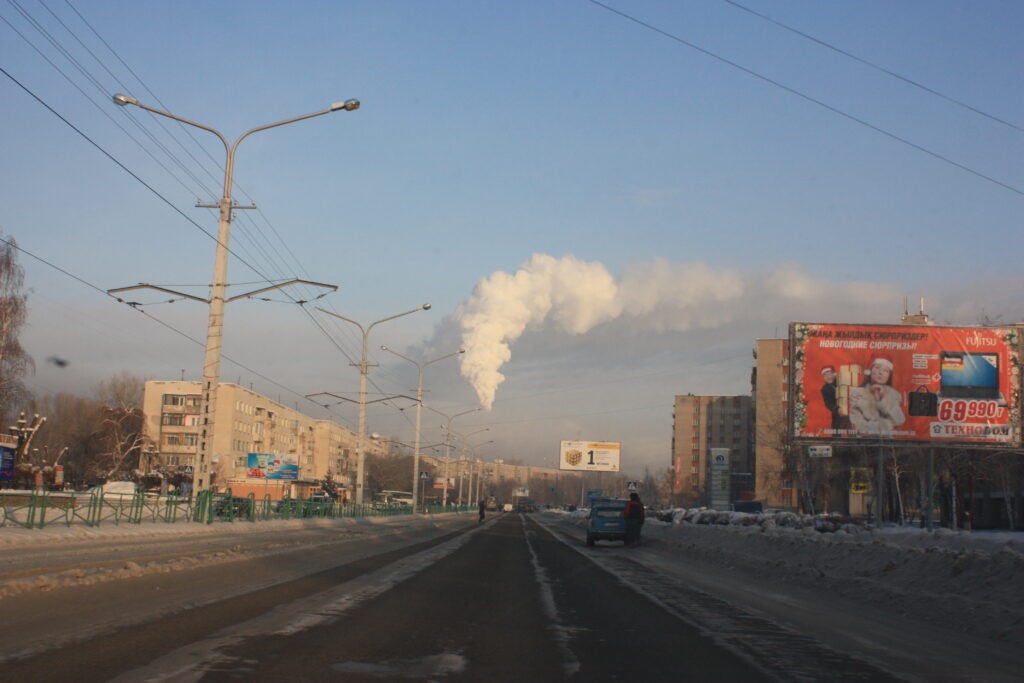
On June 19th a political and regional forum was organized in Tashkent under the slogan “Building a Clean Air Future in Central Asia”. The forum was organized in partnership with the Uzbek Ministry of Ecology, the World Bank, and the United Nations Environment Program (UNEP). Participants included senior officials from the governments of Kazakhstan, Kyrgyzstan, Tajikistan, Turkmenistan, and Uzbekistan. The forum was created to allow the countries of Central Asia to exchange knowledge on how to prevent air pollution. Air quality in both urban and rural areas is affected by transboundary pollution, caused by emissions from burning fossil fuels in industry, the heating sector, and transport. Another source of pollution in cities is sand and dust storms. Most air quality-related illnesses and premature deaths in Central Asia are attributable to delicate particulate matter 2.5 microns or less in diameter (PM2.5). Their concentration in large cities is often several times higher than the permissible air quality parameters recommended by the World Health Organization. This is especially noticeable during winter, when the heating sector uses coal and gas for power. According to the IQAir portal, which monitors global air quality, Central Asian cities are often among the most polluted cities in the world. The participants at “Building a Clean Air Future in Central Asia” studied each other's measures and practices in air quality management. They then defined some priority directions for accelerating regional cooperation on these issues. Valerie Hickey, the World Bank's global director for environment, natural resources and the blue economy, commented: “Air quality management is a complex challenge that requires understanding where the pollution comes from and prioritizing actions in those sectors. This will take better data and stronger regulations harmonized across borders, credible institutions, and clean infrastructure. Working together, the countries can clean the air across Central Asia.” Sylvie Motar, deputy director of the European office of the UNEP, added: “Air pollution knows no borders, so cooperation between Central Asian countries in this area is essential. This dialogue will help increase investments in clean air to protect the health of the people of Central Asia.”

Bishkek Bets on Bikes and Buses

To alleviate congestion and traffic bottlenecks in the capital, the Bishkek Mayor's Office has green-lit a strategic plan for enhancing the city's road transport infrastructure over the 2024-2030 period. This initiative, as detailed on the municipal website, encompasses an ambitious range of projects. Highlights include the construction of bridges and new road junctions, the introduction of bike lanes within the road network, the consolidation of dedicated lanes into a coherent system, the expansion of parking facilities including an increase in bicycle parking spaces, and the establishment of transport hubs and park-and-ride lots. The vision driving these efforts is to significantly reduce car dependency in Bishkek, promoting instead a robust network of public and bicycle transport options. Plans are underway to construct seven park-and-ride facilities around the city’s perimeter, encouraging commuters to opt for public transport upon entering Bishkek. City officials have consistently advocated for strategies to lower rampant smog levels and congestion, including proposals to limit private car access into the city based on a vehicle's license plate number. Furthermore, the Mayor's Office announced plans to establish at least two advanced transport and transfer hubs at key entry points into Bishkek. These hubs will serve as critical junctions for intercity and regional bus routes, facilitating seamless connections with the city's public transport system. By 2030, these initiatives aim to achieve a 20% reduction in car usage within the city and cut congestion by 30%.

U.S. Government Discusses Data From Air Quality Monitor at Tashkent Embassy

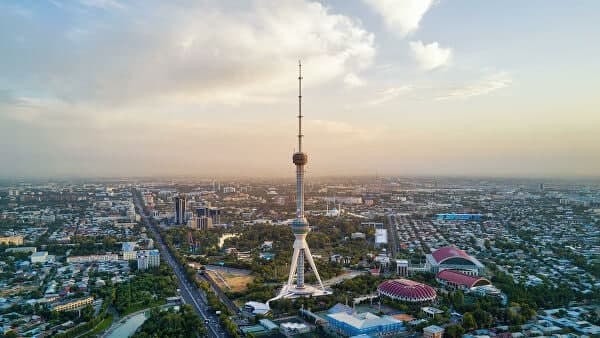
On April 22, a press conference was held at the U.S. Embassy in Uzbekistan with American air quality specialist and researcher Jay Turner speaking to media representatives about the air quality monitoring device installed at the embassy in Tashkent in 2018. According to Turner, the device monitors the concentration of air particles every hour: data is taken every 53 minutes, the remaining seven minutes are spent analyzing it, and the results are compared to the previous hour. Devices recently installed by Uzhydromet also monitor air quality hourly, and their data is roughly similar to that recorded at the U.S. Embassy. However, there are aspects that should be taken into account when comparing the results, says Turner. “It is required to follow certain protocols during the monitoring process. The equipment at the embassy follows these protocols, which I have checked myself. If we assume that Uzhydromet follows these protocols and submits its reports, it can be said that it will be the same as our data,” he said. Turner mentioned that work is currently underway to determine the differences between the monitoring devices. “To find an answer to this question, the U.S. State Department has allocated grant funds to Duke University and plans to install inexpensive air quality monitoring sensors throughout Tashkent. A portion of them has already been installed,” he stated.

Automatic Air Pollution Monitoring Stations Installed Across Uzbekistan

Uzbekistan’s meteorological agency Uzhydromet in collaboration with the Zamin International Public Foundation, is to implement additional automation of monitoring of atmospheric air pollution. During the first stage of the project in 2021, two German-made automatic air pollution monitoring stations were installed in Tashkent. In 2023, as part of the second stage, automatic stations went into operation in the cities of Gulistan, Jizzakh, Samarkand, Urgench, Nukus, and Termez. This year, further stations have been installed in Andijan, Namangan, Fergana, Navoi, Bukhara, Karshi, Nurafshan, and Tashkent. On March 24th, The Uzbek Ministry of Ecology, Environmental Protection and Climate Change reported on a press tour organized by Uzhydromet and the Zamin Foundation of the new automatic air pollution monitoring station in Tashkent. The station registers such pollutants as fine dispersed particles PM10 and PM2.5, sulfur dioxide, nitrogen dioxide, nitrogen oxide, carbon monoxide, ammonia, and ozone. At the event, Khurshid Tashpolatov, head of department at Uzhydromet, stated, “The station works online and transmits data on air quality within a radius of 5 km to the server every 10 minutes, every hour. Information on atmospheric air pollution is received by Uzhydromet, compiled into a single database, and published on the public platform monitoring.meteo.uz.” Air monitoring data is published by Uzhydromet on social networks at 9:00 am and 18:00 pm daily.

Dushanbe, Tashkent Are Worst Central Asian Cities for Air Quality

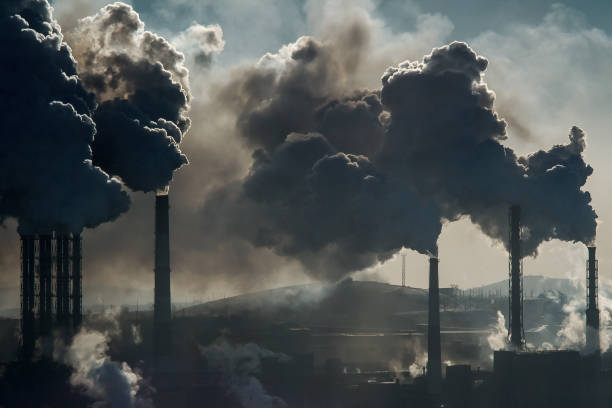
According to the latest ranking of the world capitals with the dirtiest air, published by the Swiss technology company IQAir, Dushanbe in Tajikistan came in fourth-worst, and Uzbekistan's capital Tashkent took 22nd place. According to IQAir's data, the average annual concentration of PM2.5 particles in amounted to 28.6 µg/m3, which is 5-7 times higher than World Health Organization (WHO) recommendations. The ranking was 'led' by India's capital New Delhi, followed by Dhaka (Bangladesh), Ouagadougou (Burkina Faso), Dushanbe (Tajikistan) and Baghdad (Iraq). In 2023 only 10 countries had air quality that met WHO recommendations. The cleanest air was in the capitals of Puerto Rico, New Zealand, Australia, Iceland, Bermuda, Estonia and Finland. Recently, Tashkent launched Air Tashkent, an open-source data platform for air quality monitoring. It was developed by the Department of Digital Development under the capital's hokimiyat (local administration), together with a group of national scientists called Amudario. The platform displays data from 10 stations which are updated hourly. Statistics for the last seven days are also available. To combat harmful vehicle emissions in the Uzbek capital, officials have opened a diagnostic center. The center will check the amount of harmful emissions in the car's exhaust, and according to those results, will put a sticker containing an RFID chip on the windshield in either red, yellow or green colors. That fits into a plan to divide Tashkent into ecological zones -- and will restrict entry of vehicles that don't comply with that zone 's specific sticker. Fines collected from those drivers will be used to fund ecological remediation. The government of Uzbekistan has recently taken active measures to combat air pollution. Among the most significant are the capital's gradual transition to electric transport, like city buses, the installation of exhaust filters at industrial enterprises, the gradual phase-out of AI-80 gasoline by 2026, and the construction of green power plants. According to the CEO of IQAir's North American division, Gloria Delphine Hammes, PM2.5 particles "kill more people than any other pollutant that exists." The main means of production of PM2.5 particles is the burning of fossil fuels such as coal, oil and gas. Those particles, in turn, are responsible for the premature deaths of more than four million people worldwide each year. A separate analysis by a researcher at the Max Planck Institute for Chemistry in Germany found that fossil fuels are responsible for 65% of those deaths. In addition, the danger of these particles is that once they appear in one place, they can be carried by the wind for hundreds of thousands of kilometers in numerous directions, harming large numbers of people in other geographical regions.