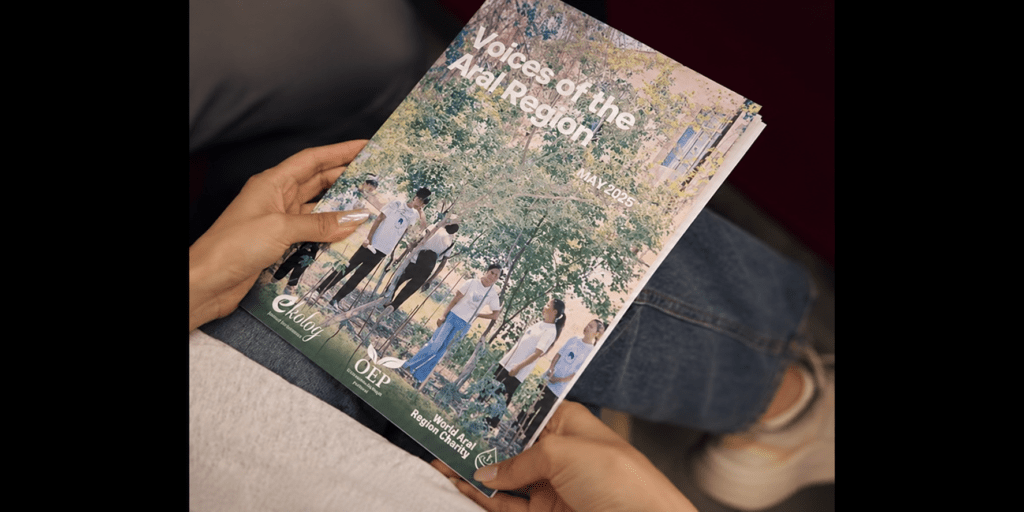
From Solastalgia to Solutions: What the First Aral School Cohort Discovered in Karakalpakstan
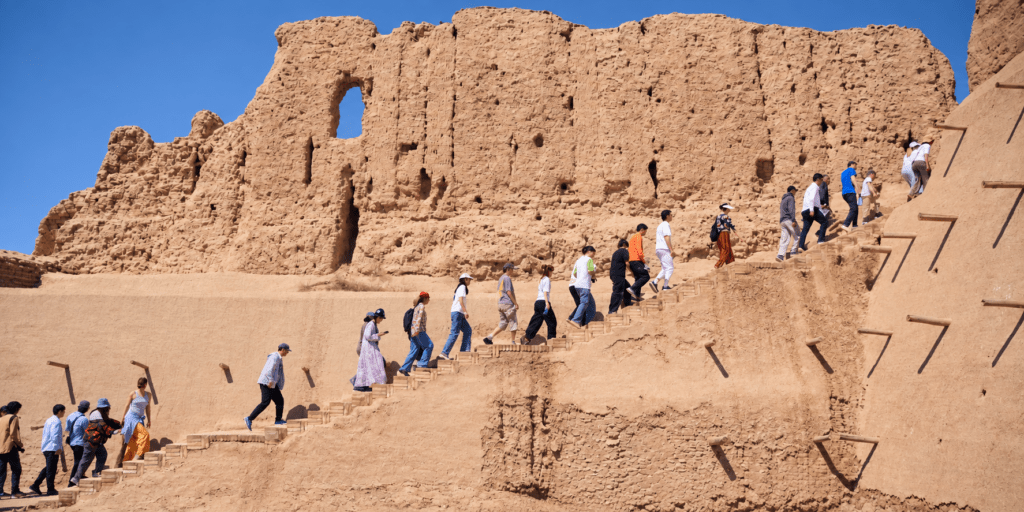
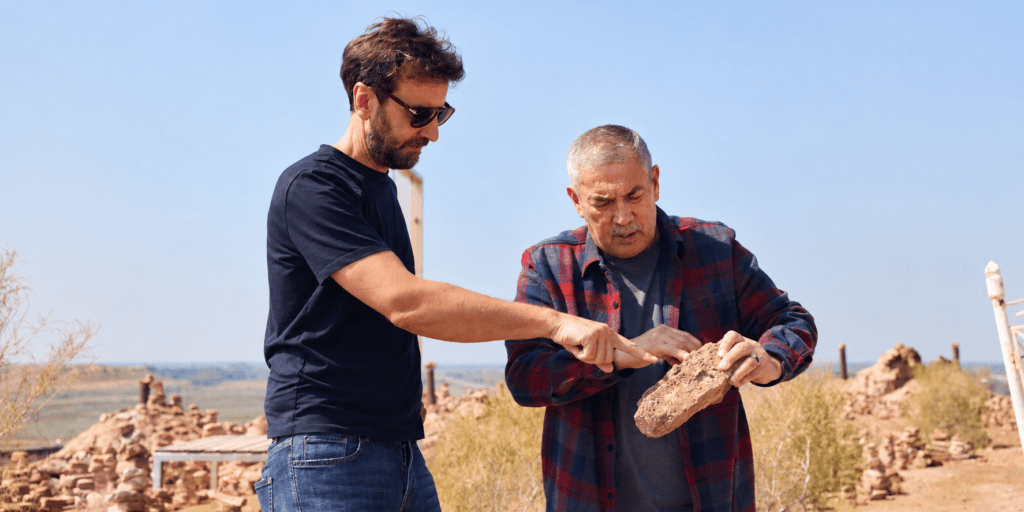
“They are producing food in a place where people believe there is nothing,” said Martina Manterola. In Karakalpakstan, the autonomous republic in western Uzbekistan where the retreat of the Aral Sea has left large areas increasingly arid, farmers continue to grow crops, while fishing survives in pockets of water near Moynaq. The Mexican researcher and artist, whose work focuses on food systems, ecology, and feminism, spent six months in the region as one of 22 participants in the first Aral School, an interdisciplinary residency based in Nukus, the regional capital, that brought together postgraduate researchers and specialists working across architecture, anthropology, water management, and food systems. Their task was to examine how environmental change is reshaping daily life and what outside researchers can learn from people who have remained in the region. What they found challenged familiar images of a landscape defined solely by environmental collapse: alongside farming and fishing, traditional buildings offer practical lessons in coping with heat, dust, and water scarcity. The Uzbekistan Art and Culture Development Foundation, the state-backed body behind the school, has opened applications for a second cohort. The next residency will run from January to June 2027 under the theme “Climate and Landscape.” The Times of Central Asia spoke with four members of the first cohort about what they learned. [caption id="attachment_56544" align="aligncenter" width="657"] Image: Aral School[/caption] Adapting to Heat, Dust, and Water Scarcity For Akhmed Kaipbergenov, an architect from Nukus, the program changed how he looked at the city where he grew up. “I always knew the environment around me. I knew how hot the summers are, how strong the wind can be, how much dust there is. But when you are a child, you don’t really think about these things as part of architecture.” After studying architecture and urban regeneration in Rome, Kaipbergenov began paying closer attention to the ways traditional buildings in Nukus respond to local conditions. Courtyards create shade and protected spaces away from the street. Building materials and orientation can reduce exposure to the sun, while ventilation matters in a city where summers are extremely hot and rainfall is scarce. “I don’t see them only as old or traditional elements,” Kaipbergenov said. “I see them as solutions that were developed because people had to live with this climate.” For him, that means contemporary architecture in Karakalpakstan should begin with simple measures rather than importing designs developed for very different environments. “Orientation, shading, ventilation, courtyards, materials and the relationship between indoor and outdoor spaces can make a big difference before we even start talking about complicated technologies,” he said. Landscaping also needs to reflect the scarcity of water. Instead of trying to reproduce water-intensive green spaces, Kaipbergenov argues that planners could make greater use of shaded pedestrian areas, courtyards, and places to sit. “I would start with shade,” he said. “It sounds very simple, but in Nukus, shade can completely change how you experience a public space.” Traditional courtyards, he believes, could also be reinterpreted in schools, libraries, and cultural...