• KGS/USD = 0.01144 0%
  • KZT/USD = 0.00205 0%
  • TJS/USD = 0.10784 0%
  • UZS/USD = 0.00008 0%
  • TMT/USD = 0.28490 0%
  • KGS/USD = 0.01144 0%
  • KZT/USD = 0.00205 0%
  • TJS/USD = 0.10784 0%
  • UZS/USD = 0.00008 0%
  • TMT/USD = 0.28490 0%
  • KGS/USD = 0.01144 0%
  • KZT/USD = 0.00205 0%
  • TJS/USD = 0.10784 0%
  • UZS/USD = 0.00008 0%
  • TMT/USD = 0.28490 0%
  • KGS/USD = 0.01144 0%
  • KZT/USD = 0.00205 0%
  • TJS/USD = 0.10784 0%
  • UZS/USD = 0.00008 0%
  • TMT/USD = 0.28490 0%
  • KGS/USD = 0.01144 0%
  • KZT/USD = 0.00205 0%
  • TJS/USD = 0.10784 0%
  • UZS/USD = 0.00008 0%
  • TMT/USD = 0.28490 0%
  • KGS/USD = 0.01144 0%
  • KZT/USD = 0.00205 0%
  • TJS/USD = 0.10784 0%
  • UZS/USD = 0.00008 0%
  • TMT/USD = 0.28490 0%
  • KGS/USD = 0.01144 0%
  • KZT/USD = 0.00205 0%
  • TJS/USD = 0.10784 0%
  • UZS/USD = 0.00008 0%
  • TMT/USD = 0.28490 0%
  • KGS/USD = 0.01144 0%
  • KZT/USD = 0.00205 0%
  • TJS/USD = 0.10784 0%
  • UZS/USD = 0.00008 0%
  • TMT/USD = 0.28490 0%

Viewing results 1 - 6 of 9

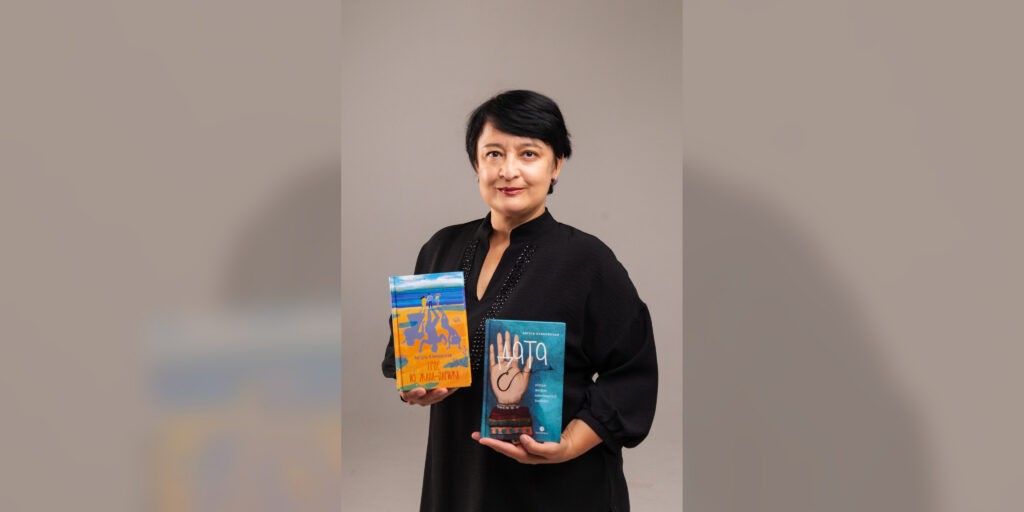
Kazakh Writer Aigul Klinovskaya on Memory, Identity, and the Rise of Contemporary Literature

In recent years, interest in contemporary literature has grown noticeably in Kazakhstan. Authors are increasingly reaching readers directly, taking part in public events, promoting their books through social media, and speaking about local experiences as part of a broader cultural landscape. The Times of Central Asia spoke with Kazakhstani writer Aigul Klinovskaya about her path into literature, the role of memory and place in her prose, and what contemporary authors need today to gain greater visibility both within the country and abroad. TCA: To begin with, please tell us a little about yourself. How did you become a writer? Aigul: I came to literature from IT, that is a well-known fact, and something I often mention in interviews. I worked at a large telecommunications company and headed a department, but at a certain point, I completely changed my field of activity. Now I write my own books and also help other authors shape their manuscripts as a literary editor and mentor. People work with me to finish and refine their manuscripts, increasing their chances of publication or success in literary competitions. TCA: When did you first feel that writing was not just an interest for you, but an important part of your life? Aigul: I tried writing as a child. I had a science fiction novella with an interesting story behind it: I sent it to a children’s magazine, and they replied that the work was good but still needed improvement. I was offended and, in the heat of the moment, destroyed the manuscript. I regret that now because it would have been interesting to reread it. As a child, I wrote poems and short stories; many people go through that stage. But I began writing prose seriously about five years ago. At that time, I took part in a writing marathon, wrote a short story, and it was immediately included in an anthology. That inspired me: I realized that I could and wanted to write fiction. The transition from short stories to longer forms was not easy. I wondered whether I could do it and whether I would manage. But now two of my books have already been published, and a third is coming out in June, so something must be working. Many people are surprised to learn that, for most of my life, I was not involved in literature professionally but worked in a completely different field. Now, however, I feel that I am in the right place. TCA: Your texts often pay close attention to a person’s inner life, to memory, and to the warmth of everyday relationships. Why are these themes close to you? Aigul: I am interested in people in general, their relationships and emotions. As an author, I want readers, when they immerse themselves in my books, to feel something: to cry at some moments, laugh at others, smile, and reflect. I believe that every person’s fate is worthy of a book because many remarkable things happen in life. If they are described well,...

Frankfurt Book Fair Director: Kazakhstan Could Become Future Guest of Honor

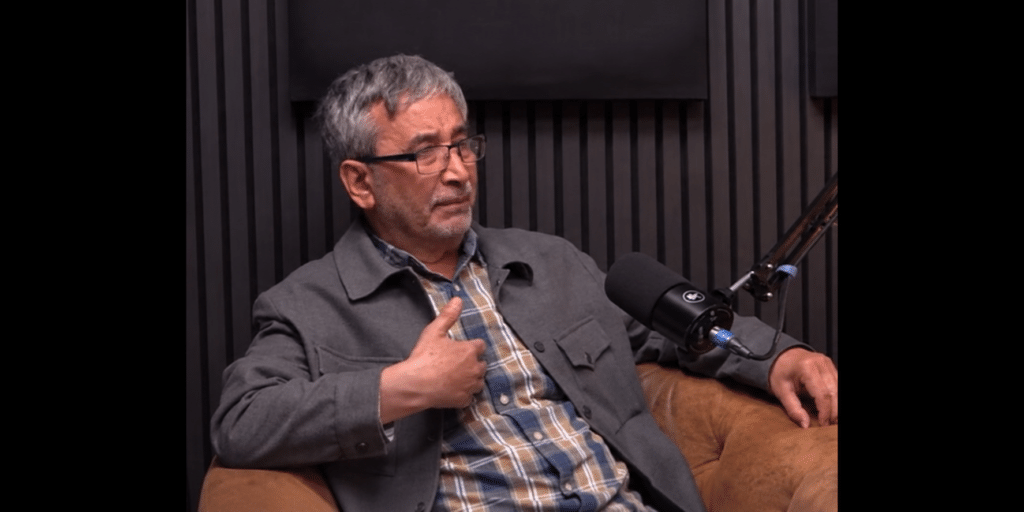
In recent years, Kazakhstan has become increasingly active at the Frankfurter Buchmesse, the Frankfurt Book Fair. Each year, a national stand brings together publishers and literary institutions that engage with international partners and expand professional networks. Participation in this global event has supported a range of initiatives aimed at introducing Kazakh literature and culture to a broader international audience. On this occasion, we spoke with Juergen Boos, Director of the Frankfurter Buchmesse, about opportunities for entering the global publishing market and the significance of becoming a Guest of Honor at the Frankfurt Book Fair. TCA: As the world’s largest book fair, what new mission or direction is the Frankfurter Buchmesse pursuing today? Juergen Boos: Frankfurter Buchmesse today serves not only as the world’s leading marketplace for rights and content but also as a global platform for cultural exchange and professional dialogue. In a rapidly evolving geopolitical and technological environment, our mission is to strengthen international publishing networks, uphold freedom of expression, and facilitate sustainable cooperation across regions. We aim to connect established and emerging markets alike, encouraging long-term partnerships that extend well beyond the fair itself. TCA: What major changes have you observed in the global publishing industry in recent years? Juergen Boos: The publishing industry is undergoing significant structural transformation. Digital distribution channels, audio formats, evolving licensing models, and the growing application of artificial intelligence are reshaping the sector. At the same time, we are witnessing gradual diversification in the global publishing landscape. Regions that previously had limited international visibility are increasingly seeking engagement beyond their domestic markets. Central Asia is among those regions demonstrating a clear interest in strengthening its international profile, which adds valuable perspectives to the global literary conversation. [caption id="attachment_45243" align="alignnone" width="300"] Photo credit: Frankfurter Buchmesse[/caption] TCA: How are digital technologies and artificial intelligence transforming the book market? Juergen Boos: Digital technologies and AI are influencing translation processes, metadata management, copyright issues, discoverability, and market analysis both positively and negatively. On the positive side, AI can increase efficiency and expand access to content. We are already seeing AI evolve from an experimental tool into an integral part of everyday publishing practice. For me, however, literature remains fundamentally human in its origin and intention. Storytelling, cultural nuance, and intellectual depth cannot be automated. The key challenge for the publishing sector lies in integrating technological innovation responsibly while preserving creative integrity and editorial independence. TCA: Can literature help strengthen mutual understanding between nations? If so, how? Juergen Boos: Yes, I believe it can. Literature allows readers to understand other societies through lived experiences rather than political abstractions. Through translation and international circulation, books foster empathy and cultural literacy. Book fairs provide a structured professional framework for such exchange. They enable sustained relationships between publishers, authors, and institutions, thereby contributing to long-term cultural understanding. TCA: Has the importance of books and cultural dialogue increased in today’s geopolitical climate? Juergen Boos: In times of uncertainty and polarization, the role of thoughtful cultural dialogue becomes even more significant. Books create...

The Battle to Keep Kazakhstan Reading

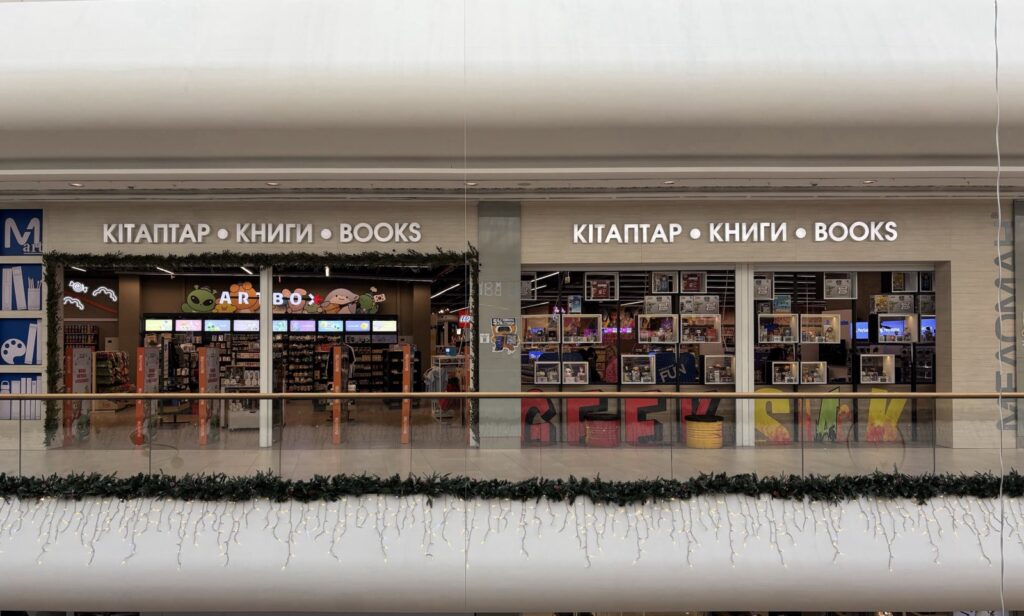
Mika’s Books and Pencils was a hole-in-the-wall bookstore in Almaty, but in December 2025, it was forced to vacate its former premises in the center of the city. “The rent was simply too high,” the store’s owner, Elmira Kireyeva, told The Times of Central Asia. Mika’s is not Kazakhstan’s only struggling bookseller. Kireyeva describes the situation for bookstores across the country as “extremely difficult,” even for the large chains. Physical bookstores are firstly threatened by the growth of e-commerce. In 2024, Kazakhstanis purchased over 2.3 million books on Wildberries, a Russian site similar to Amazon. This represented a 52% increase from 2023. But the economic situation is also having an effect. “Taxes have increased, including VAT on books. At the same time, people’s incomes are shrinking, so books are becoming a luxury,” Kireyeva said, noting that books are often printed abroad, which has seen them become a victim of the falling purchasing power of the national currency, the tenge. More worryingly for booksellers is that people are reading less than they once did. This is part of a global phenomenon, particularly among the young. A large share of undergraduate students in the United States claim to have never read a book. British historian Sir Niall Ferguson has recently argued that this decline is evident across the West, while the number of Russians who read at least once a week fell from 49% to 28% between 1994 and 2019. Many believe technology is to blame. “In the age of social media, human attention faces unprecedented competition,” Shyngys Muqan, founder of Mazmundama, a Kazakh-language publisher, told TCA. “Platforms built around short-form video are especially effective because they exploit a basic neurological tendency: the pursuit of dopamine with minimal cognitive effort. Compared to reading, scrolling requires little concentration, imagination, or sustained mental work, yet it delivers immediate emotional reward.” Kireyeva agrees that screens have certainly had an effect. “It’s not just phones; it’s also information overload. People can’t read long texts anymore – social media has trained us to read only short fragments,” she said. [caption id="attachment_42613" align="aligncenter" width="1600"] The classic literature section in Meloman, one of Kazakhstan's largest book chains; image: Joe Luc Barnes[/caption] Kazakhstan has been affected worse than most. According to CEOWorld’s Book Reading Index 2024, Kazakhstanis read less than almost every country in the world. Of the 102 countries surveyed, Kazakhstan ranked 95th, with the average Kazakhstani reading just 2.77 books a year. This was behind every other Central Asian country surveyed (Kyrgyzstan – 3.96; Turkmenistan – 3.18; Tajikistan – 4.01), and far behind Russia (11). The results led one local newspaper to quip that, at this rate, it would take the average Kazakhstani 2.5 years to read the entire Harry Potter series. There are various structural factors which make Kazakhstan a particularly barren zone for readers. The first is geography – people in rural areas are very poorly served, and library collections are small. While Almaty residents spend an average of 2,300 tenge ($4.50) per family per quarter...