• KGS/USD = 0.01144 0%
  • KZT/USD = 0.00204 0%
  • TJS/USD = 0.10439 0%
  • UZS/USD = 0.00008 0%
  • TMT/USD = 0.28490 0%
  • KGS/USD = 0.01144 0%
  • KZT/USD = 0.00204 0%
  • TJS/USD = 0.10439 0%
  • UZS/USD = 0.00008 0%
  • TMT/USD = 0.28490 0%
  • KGS/USD = 0.01144 0%
  • KZT/USD = 0.00204 0%
  • TJS/USD = 0.10439 0%
  • UZS/USD = 0.00008 0%
  • TMT/USD = 0.28490 0%
  • KGS/USD = 0.01144 0%
  • KZT/USD = 0.00204 0%
  • TJS/USD = 0.10439 0%
  • UZS/USD = 0.00008 0%
  • TMT/USD = 0.28490 0%
  • KGS/USD = 0.01144 0%
  • KZT/USD = 0.00204 0%
  • TJS/USD = 0.10439 0%
  • UZS/USD = 0.00008 0%
  • TMT/USD = 0.28490 0%
  • KGS/USD = 0.01144 0%
  • KZT/USD = 0.00204 0%
  • TJS/USD = 0.10439 0%
  • UZS/USD = 0.00008 0%
  • TMT/USD = 0.28490 0%
  • KGS/USD = 0.01144 0%
  • KZT/USD = 0.00204 0%
  • TJS/USD = 0.10439 0%
  • UZS/USD = 0.00008 0%
  • TMT/USD = 0.28490 0%
  • KGS/USD = 0.01144 0%
  • KZT/USD = 0.00204 0%
  • TJS/USD = 0.10439 0%
  • UZS/USD = 0.00008 0%
  • TMT/USD = 0.28490 0%

Viewing results 1 - 6 of 78

Astana Expands International Air Routes with China and Uzbekistan

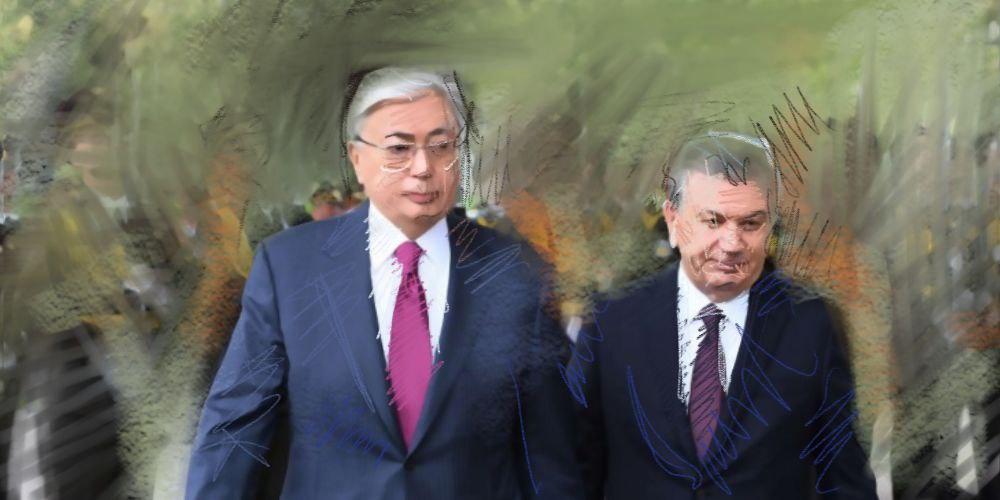
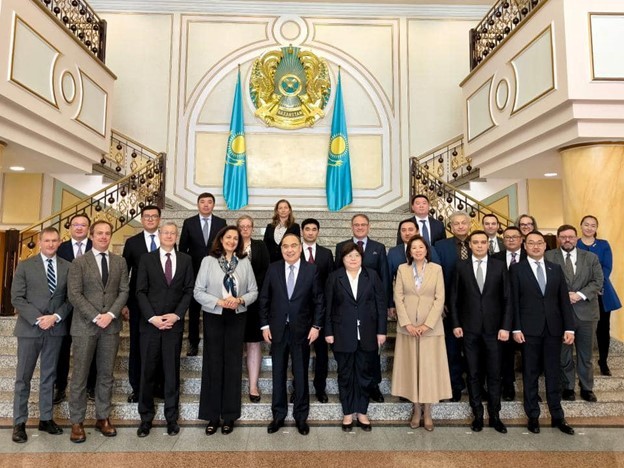
Kazakhstan is expanding its international air connectivity, with new routes and increased flight frequencies to China and Uzbekistan following the Central Asia-China Civil Aviation Cooperation Working Group Conference (C5+1). According to the Ministry of Transport, Kazakhstan and China signed a Memorandum of Understanding to enhance bilateral air traffic and broaden the route network. The agreement includes adding a new Chinese destination, Kulja, to the Kazakh airline network and discussing future flights to Kashgar. Kulja (also known as Yining) lies in the Ili Kazakh Autonomous Prefecture of China’s Xinjiang Uyghur Autonomous Region, about 100 kilometers from the Kazakh border. Kashgar (Kashi), also in Xinjiang, is located approximately 455 kilometers from the border. While launch dates for flights to these cities have not yet been announced, the total number of flights between Kazakhstan and China is set to increase to 124 per week starting in 2025. SCAT Airlines has already opened three new routes this year: Shymkent-Shanghai (since May, two flights per week) Shymkent-Xi’an (since July, two flights per week) Shymkent-Ürümqi (since July, two flights per week) In addition, China Eastern Airlines began operating flights from Almaty to Guangzhou in July, with three flights per week. On August 13, a COMAC C909 aircraft flew from Urumqi to Karaganda and back, marking the first landing of the Chinese-made aircraft in Kazakhstan. During the same conference, Kazakhstan and Uzbekistan’s aviation authorities also reached agreements to boost bilateral air traffic. Designated airlines may now operate up to 42 weekly flights on the Almaty-Tashkent and Astana-Tashkent routes, and up to 14 flights on other routes between the two countries. The list of permissible destinations has also been expanded. In July, Uzbekistan’s My Freighter (operating as Centrum Air) launched twice-weekly flights between Aktau and Nukus. FlyArystan began flying between began flying between Atyrau and Tashkent three times a week on July 15. “These steps are aimed at improving transport accessibility, strengthening business and cultural ties, and unlocking the tourism potential of both countries,” the Ministry of Transport stated. As previously reported by The Times of Central Asia, Kazakhstan, Uzbekistan, and other regional partners established the Eurasian Civil Aviation Conference in 2024 as a joint regulatory body to address rising passenger and cargo demand amid the decline of Russian aviation dominance.”
Opinion: Xi Jinping Heads to Astana – What’s at Stake in the Central Asia-China Summit?

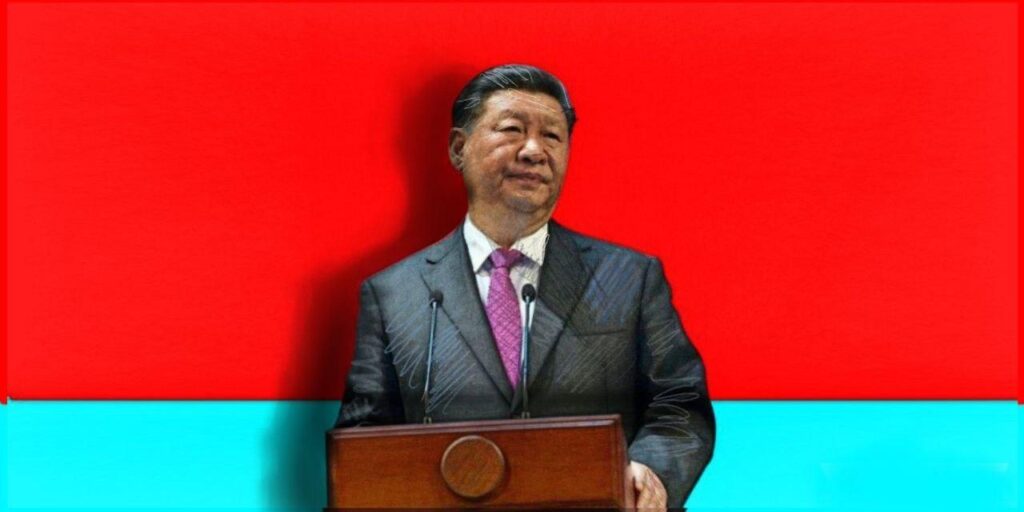
On June 16-17, President Xi Jinping of the People’s Republic of China will visit Kazakhstan. The second Central Asia-China summit is scheduled for June 17 in Astana. Leading up to the event, a series of forums, meetings, and conferences have been unfolding across Central Asia and China, drawing experts, journalists, diplomats, and energy-sector representatives. These activities suggest that the upcoming summit is poised to overshadow its predecessor. While U.S. analysts continue debating the viability of their own C5+1 framework for engaging with Central Asia, and the European Union advanced its outreach with the inaugural EU-Central Asia summit, China has relied on a well-worn path. The thousand-year legacy of the Middle Kingdom is filled with moments when it had to engage with the complex mosaic of Central Asia, once a turbulent region of khanates, emirates, and nomadic tribes. Despite the chaos, China succeeded in carving out a secure overland corridor, the Great Silk Road, which threaded through what are now the independent Central Asian republics, linking them like beads in a continental necklace. Then, as now, China is seeking stability in the region, not just for political influence but to safeguard its global supply chains. Beijing’s modern initiatives, including the Belt and Road Initiative and its broader “community of shared future” concept, aim to establish global “islands of comfort” conducive to Chinese interests.  At the heart of this strategy lies a deeply embedded worldview: that China represents civilization itself. The Chinese learned long ago to deal with their neighbors not with violence, but through economic incentives, a method which is proving just as effective today. This layer of understanding is notably absent in many Western and post-Soviet analyses of China’s actions in Central Asia, the Middle East, Africa, and beyond. The reasons for this are twofold. First, Chinese officials are careful never to state views about cultural hierarchies explicitly; doing so would risk alienating partners. This reticence is a feature of traditional Eastern diplomacy. Second, Beijing has cultivated its own expert ecosystem within the post-Soviet sphere. In response to a wave of Sinophobia that swept through Central Asia a decade ago, China now primarily engages with favorable media outlets and Sinologists, many of whom are nurtured through carefully managed media tours. One such tour, organized by People’s Daily, is currently underway ahead of the Astana summit. As a result, the discourse surrounding the summit is shaped less by hard policy proposals than by diplomatic pageantry, with everything presented in the best possible light. At the recent 5th Forum of Think Tanks, “Central Asia-China: New Horizons for Regional Partnership,” Kazakhstan's State Councilor Yerlan Karin likened China and Central Asia to “the two lungs of Asia,” emphasizing the symbolic depth of their growing relationship. The 6th Central Asia-China Foreign Ministers’ Meeting, chaired by Chinese Foreign Minister Wang Yi and held in Almaty in April, likewise offered little in terms of concrete summit outcomes. According to a general statement from Kazakhstan’s Foreign Ministry, topics included political dialogue, trade, connectivity, sustainable development, and security cooperation,...

Uzbekistan Plans to Strengthen Strategic Partnership with the U.S.

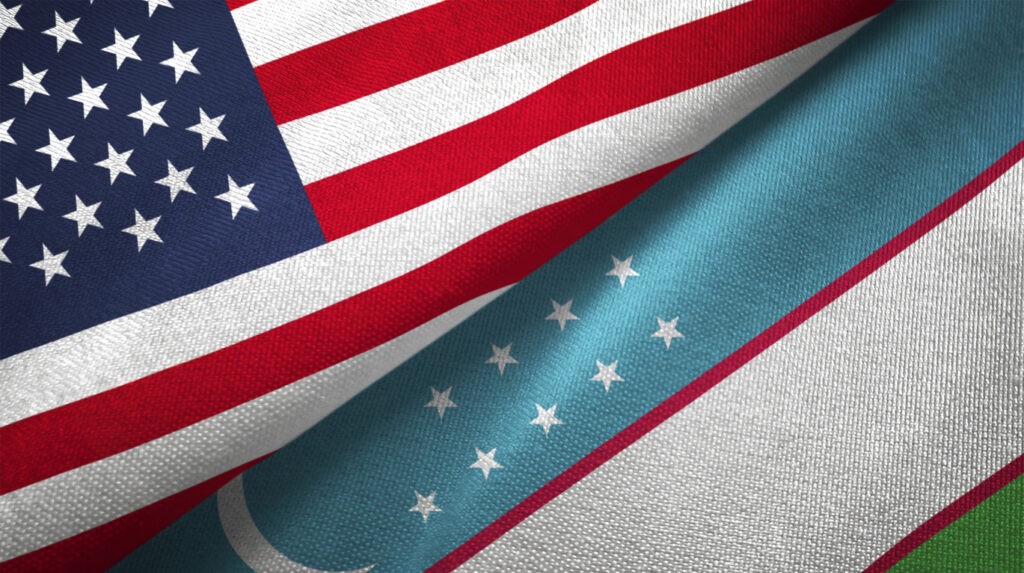
Uzbekistan is actively working to deepen its strategic partnership with the United States. The draft state program for 2025, currently under public discussion, outlines several measures to strengthen these ties. The Ministry of Foreign Affairs, led by Acting Minister Bakhtiyor Saidov, is tasked with expanding bilateral cooperation by the end of 2025. Key initiatives include a high-level visit to the U.S. and the inaugural round of the Enhanced Strategic Partnership Dialogue in Tashkent. The program also aims to bolster collaboration within the “C5+1” format, which features a ministerial meeting, working group discussions, and a summit in Samarkand to mark the format’s 10th anniversary. The program also emphasizes increasing inter-parliamentary cooperation, attracting investors from the Americas, and promoting trade and investment through business forums, exhibitions, and events. Additionally, it prioritizes enhanced security collaboration and sustaining Uzbekistan's strong rankings in U.S. human rights reports. Daniel Runde, Senior Vice President of the Center for Strategic and International Studies, recently urged U.S. policymakers to prioritize relations with Uzbekistan. He described the country as a pivotal partner in maintaining regional stability and countering the influence of Russia and China. Despite geopolitical challenges, including Russia’s invasion of Ukraine and escalating competition with China, Runde highlighted the strategic importance of strengthening ties with Uzbekistan. Uzbekistan's relationship with the U.S. is longstanding. In 2018, President Shavkat Mirziyoyev met with then-President Donald Trump at the White House. Trump lauded Uzbekistan’s rising global stature during the visit, calling it "an honor" to host Mirziyoyev.

How Kazakhstan and Uzbekistan Anchor a Strategic Middle-Power Hub in Central Asia

Kazakhstan and Uzbekistan are driving Central Asia’s global significance. Together, they are turning Central Asia into a strategic middle-power hub. The two countries increasingly act as central nodes in a region key to global supply chains and, inevitably, geopolitical competition. However, they are not merely reactive to changes around them, but are highly dynamic. What does it mean to say that the region is emerging as a strategic middle-power "hub"? The notion of a hub extends beyond the national profiles of the two principals, Kazakhstan and Uzbekistan, to include the aggregation of collective influence. Central Asia is recognized as a cohesive entity in global forums. Kazakhstan’s energy wealth combines with Uzbekistan’s demographic strength, creating an influential synergy beneficial to the entire region. The interplay between their respective strengths allows them to amplify Central Asia’s voice in international institutions and negotiations collectively. By integrating their regional strategies within global frameworks — such as the Organization of Turkic States (OTS), the Shanghai Cooperation Organization (SCO), and the Conference on Interaction and Confidence Building Measures in Asia (CICA) — Kazakhstan and Uzbekistan enhance the region’s geopolitical relevance. Kazakhstan, for example, has successfully advocated for the Trans-Caspian International Transport Route (TITR, also called the "Middle Corridor"). This transcontinental trade route is emerging as a lynchpin in Eurasian logistics, connecting China to Europe via the Caspian Sea. Uzbekistan, for its part, has emphasized the integration of transport and energy infrastructure. These initiatives align with the broader vision of a unified Central Asia. The leadership of Kazakhstan and Uzbekistan has reinforced the region's collective identity as the "C5" group, also including Kyrgyzstan, Tajikistan, and Turkmenistan. This regional bloc has become a diplomatic focal point for major powers like the United States, China, Germany, and Japan. All of them engage with Central Asia through structured consultations within the C5 framework. These meetings have given the region traction in international diplomacy. The elevation of the C5 group reflects the region's new prominence. The United States engages with the C5 on issues ranging from regional security to sustainable development, emphasizing its commitment to a secure and prosperous Central Asia. China’s cooperation under the C5+1 mechanism complements its transcontinental infrastructure initiatives. Germany focuses on sustainable energy and governance, while Japan prioritizes infrastructure and technology transfers. Kazakhstan and Uzbekistan together have over two-thirds of the region's gross domestic product and two-thirds of its population. Kazakhstan's vast natural resources undergird its economic influence, while its geographic expanse (as the ninth-largest country in the world) makes it central to major connectivity initiatives. Through President Kassym-Jomart Tokayev's nuanced foreign policy, Kazakhstan has adeptly balanced relationships with major powers, ensuring that it remains a key partner for Russia, China, and the European Union. Uzbekistan has surged to prominence through its ambitious domestic reforms and proactive engagement for regional cooperation under the leadership of President Shavkat Mirziyoyev, who has implemented market liberalization measures attracting foreign investment and reinvigorating its economy. As the most populous country in Central Asia, Uzbekistan is an indispensable actor in regional affairs....

Tracing Ties: Donald Trump’s Diplomatic Legacy with Kazakhstan

Away from his business dealings, the official relationship between U.S. President-elect Donald Trump and the Central Asian republic began under the first president of Kazakhstan, Nursultan Nazarbayev. On January 17, 2018, Trump received Nazarbayev at the White House on an official visit, praising the existing relations between the two nations. “I’m thrilled that you’re here. Everyone deeply respects you. We have a wonderful relationship between our countries. Now, Kazakhstan is in a perfect situation. It is a great honor for us to receive you. What you have done for your country is truly remarkable,” Trump stated. It is widely-believed that during this visit, Nazarbayev warned Trump of the upcoming transition of power in Kazakhstan, naming Kassym-Jomart Tokayev as his successor. On June 25, 2019, following Kazakhstan’s presidential election, Trump sent a congratulatory telegram to Tokayev. “We have made great progress in our bilateral relations over the years, and I am confident that the spirit of our cooperation will continue to strengthen. It is gratifying that American businesses continue to open new opportunities to expand economic cooperation with Kazakhstan,” Trump wrote. According to the Akorda press service, the White House head noted that the U.S. intended to continue collaborating to promote an expanded strategic partnership with Kazakhstan. “I look forward to working with you to advance our deepened strategic partnership to counter common challenges; the United States values a strong partnership with Kazakhstan. It will continue to work with you and the people of Kazakhstan to advance our shared interests in Central Asia and globally. I wish you every success in your work,” Trump said in his message. Summarizing the Trump presidency’s impact on Central Asia in February 2021, renowned Kazakh economist, Zhandos Temirgali, emphasized his opinion that the “Trump administration has been prudent enough to maintain and develop the C5+1 format for cooperation with Central Asia, initiated in 2015 by the Obama administration, which was established in response to China’s One Belt, One Road initiative, and soon proposed a more global alternative: the Blue Dot Network. Over the years of Trump’s presidency, the C5+1 format has established itself as a reliable platform that unites the region’s states at the highest level in their pursuit of strategic cooperation with the leader of the [United States.].”

U.S. and Kazakhstan Discuss Shared Values at High-Level Dialogue on Human Rights and Democratic Reforms

The United States and the Republic of Kazakhstan held their third annual High-Level Dialogue on Human Rights and Democratic Reforms on May 20, 2024, in Astana, Kazakhstan. The U.S. delegation was headed by Under Secretary of State for Civilian Security, Democracy, and Human Rights Uzra Zeya, while the Kazakh delegation was led by Ambassador Erzhan Kazykhan, Assistant to the President of Kazakhstan for External Affairs. As in prior Dialogues, the United States and the Republic of Kazakhstan discussed their shared commitment to advancing human rights, rule of law, freedom of expression, and the protection of members of vulnerable and marginalized populations. In this context, The United States “reaffirmed its strong support for the full implementation of President Tokayev’s reform agenda and commended the Republic of Kazakhstan for progress made in the advancement of human rights including the passage of the April 2024 law recriminalizing domestic violence, a very important step in protecting survivors” while encouraging “advancement of Kazakhstan’s reform efforts with the full participation of, and in consultation with, civil society partners for transparency and accountability”. The United States stated that “Respect for human rights and fundamental freedoms are integral to a prosperous, vibrant “New Kazakhstan,” where independent media, civil society groups, and political parties can operate freely, without undue restrictions”. Multilateral cooperations, including with the United Nations High Commissioner for Refugees and C5+1 Platform were also discussed. The full press release of the US Department of State can be found here.