• KGS/USD = 0.01144 0%
  • KZT/USD = 0.00210 0%
  • TJS/USD = 0.10554 -0.09%
  • UZS/USD = 0.00008 0%
  • TMT/USD = 0.28530 0%
  • KGS/USD = 0.01144 0%
  • KZT/USD = 0.00210 0%
  • TJS/USD = 0.10554 -0.09%
  • UZS/USD = 0.00008 0%
  • TMT/USD = 0.28530 0%
  • KGS/USD = 0.01144 0%
  • KZT/USD = 0.00210 0%
  • TJS/USD = 0.10554 -0.09%
  • UZS/USD = 0.00008 0%
  • TMT/USD = 0.28530 0%
  • KGS/USD = 0.01144 0%
  • KZT/USD = 0.00210 0%
  • TJS/USD = 0.10554 -0.09%
  • UZS/USD = 0.00008 0%
  • TMT/USD = 0.28530 0%
  • KGS/USD = 0.01144 0%
  • KZT/USD = 0.00210 0%
  • TJS/USD = 0.10554 -0.09%
  • UZS/USD = 0.00008 0%
  • TMT/USD = 0.28530 0%
  • KGS/USD = 0.01144 0%
  • KZT/USD = 0.00210 0%
  • TJS/USD = 0.10554 -0.09%
  • UZS/USD = 0.00008 0%
  • TMT/USD = 0.28530 0%
  • KGS/USD = 0.01144 0%
  • KZT/USD = 0.00210 0%
  • TJS/USD = 0.10554 -0.09%
  • UZS/USD = 0.00008 0%
  • TMT/USD = 0.28530 0%
  • KGS/USD = 0.01144 0%
  • KZT/USD = 0.00210 0%
  • TJS/USD = 0.10554 -0.09%
  • UZS/USD = 0.00008 0%
  • TMT/USD = 0.28530 0%

Viewing results 1 - 6 of 8

Putin in Tajikistan for CIS Summit Amid Migration Tensions

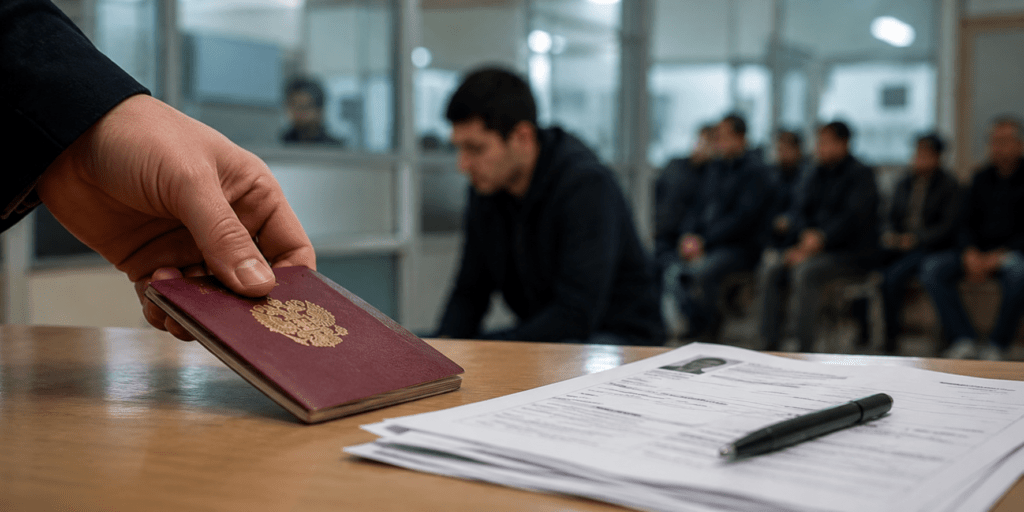
When President Vladimir Putin arrives in Dushanbe on 8 October for his first state visit, Tajikistan will briefly become the focal point of regional diplomacy. Currently holding the rotating chair of the Commonwealth of Independent States (CIS), Dushanbe is preparing to host both the CIS Heads of State Council and the second Russia–Central Asia summit. For Moscow, Central Asia has remained a priority since the invasion of Ukraine, and the visit highlights what is at stake for both Russia and its host. Tajikistan depends heavily on Russia for security, trade, and employment opportunities for its citizens, but relations have been tested by the aftermath of the March 2024 Crocus City Hall attack, which exposed the fragility of migration-driven economics and the risk of renewed extremism. An Old Relationship Tested by New Tensions Russia and Tajikistan have been closely entwined since the collapse of the Soviet Union. Putin has already made twelve trips to Tajikistan since taking office, and this will be his first with state‑visit status. Security cooperation remains the backbone of the relationship. Russia’s 201st military base in Tajikistan - formerly the 201st motor rifle division and now Moscow’s largest overseas facility - has long been billed as a shield along the Afghan frontier; the two sides continue to coordinate through the CSTO (Collective Security Treaty Organization), and within the SCO (Shanghai Cooperation Organization) framework. Trade between the two nations has expanded despite sanctions headwinds. On the eve of the visit, presidential aide Yuri Ushakov said bilateral turnover rose by more than 17 % in the first seven months of 2025, and reached about US$1.5 billion in 2024. Russia accounts for over 22 % of Tajikistan’s foreign trade. Meanwhile, more than 1.2 million Tajik citizens work in Russia, making up about 16 % of all foreign workers there. They remitted US$1.8 billion back home last year, roughly 17 % of Tajikistan’s GDP. This symbiosis means that the two leaders routinely discuss labor migration and social issues alongside security and trade. Yet the relationship has been strained by a wave of xenophobia following the Crocus City Hall attack, which killed 145 people, which the Russian authorities accused militants from Tajikistan of perpetrating. As previously reported by The Times of Central Asia, following the arrest of four Tajik suspects, Central Asian migrants in Russia have faced arson attacks, beatings, and boycotts of their businesses. Russian law enforcement has launched aggressive street inspections and created special units to check hostels and businesses frequented by Central Asians. Even long‑time Tajik residents with Russian citizenship have reported menacing phone calls and threats. In the wake of the attack, diaspora leaders urged compatriots not to leave their homes, and the Tajik interior ministry publicly rebutted Russian media reports, stating that three of the four suspects named were not involved. Those pressures hit a country heavily reliant on remittances. The World Bank’s 2025 update estimates that money sent home by migrants accounted for 49 % of Tajikistan’s GDP in 2024. Since the start of the Ukraine war, Russian politicians and media have become increasingly hostile toward Central Asian migrants, leading Moscow to deactivate all foreign‑owned SIM cards and...

Russia’s Crackdown Forces Central Asia to Rethink Labor Migration

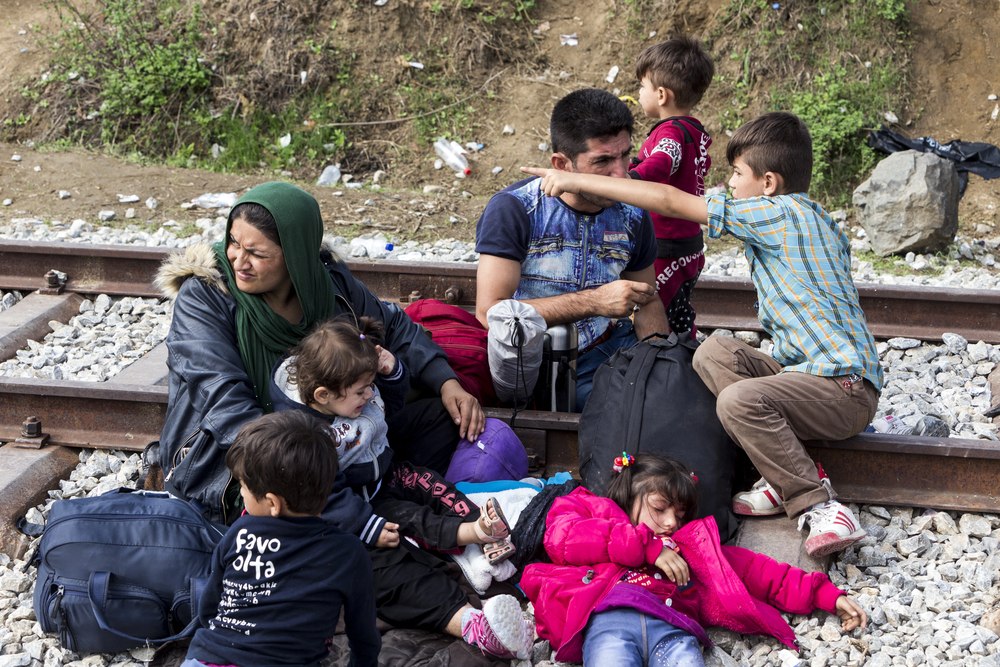
The most recent World Bank study on labor migration highlighted the immense scale of the issue, describing it as "an ongoing development challenge in Europe and Central Asia, which is currently home to 100 million migrants," roughly one-third of all migrants globally. Historically, Russia has been the primary destination for Central Asia's mobile labor force. However, since March 2024, Moscow’s increasingly restrictive migration policies have forced Central Asian states to confront a dual challenge: managing displaced workers and rethinking the logistics of cross-border labor flows. As of 2023, more than 80% of labor migrants from Tajikistan and Kyrgyzstan were working in Russia. Migration from Uzbekistan was more diversified, with 57% of migrants heading to Russia, 15% to Kazakhstan, and 10% to Ukraine. For millions across the region, labor migration remains a vital economic lifeline. According to the World Bank report, The Journey Ahead: Supporting Successful Migration in Europe and Central Asia, remittances in 2024 accounted for 45% of Tajikistan’s GDP, the highest ratio globally. In Kyrgyzstan, remittances made up 24% of GDP, while in Uzbekistan the figure was 14%. A 2025 update increased the figure for Tajikistan further still, noting that domestic consumption was "supported by large remittance inflows - peaking at 49% of GDP in 2024." Since the start of the war in Ukraine, rhetoric in the Russian media and among some politicians toward Central Asian migrants has increasingly shifted toward overt hostility. Following the March 2024 terrorist attack at Moscow’s Crocus City Hall, in which Tajik nationals were named among the suspects, Russia began implementing harsher measures. This included widespread street inspections of Kyrgyz, Uzbek, and Tajik citizens, alongside new, more restrictive legal frameworks. While certain steps, such as mandatory biometric data collection, were officially justified by security concerns, other policies have further complicated daily life for foreign nationals. For example, since January 2025, all foreign-owned SIM cards in Russia have been deactivated. Foreign citizens must now register with government agencies to obtain new mobile services, a policy framed as a response to telecom fraud. Another measure, introduced on June 30, requires citizens of visa-free countries to register in the “Gosuslugi RuID” app before entering Russia. They must obtain a digital code to pass border control, effectively instituting a pre-entry surveillance mechanism. Kazakhstan was the first to publicly respond, with Foreign Ministry spokesman Aibek Smadiyarov refusing to rule out reciprocal measures against Russian citizens. “We are studying this issue very carefully. It requires consultations with our government agencies,” Smadiyarov said. Yet, despite these developments, none of the Central Asian countries currently maintains a comprehensive migration strategy equipped to handle these shifting dynamics. In Kazakhstan, the issue came to the fore in 2025 with a noticeable influx of Tajik nationals, the group most affected by Russia’s new rules. At a government meeting in late July, officials noted that Kazakhstan had recorded a positive migration balance for the second consecutive year, as well as a 1.5-fold increase in the number of foreign citizens permanently residing in the country. “The importance...

Central Asian Migrants Coerced Into Russia’s War in Ukraine

Citizens of Central Asian countries, including Uzbekistan and Tajikistan, are increasingly being coerced into joining Russia’s war effort in Ukraine, according to a recent statement from Ukraine’s military intelligence agency. Many of those affected are labor migrants who originally traveled to Russia for work but were later pressured or misled into signing military contracts. Reports suggest that Russian army representatives have been enticing migrants with promises of fast money through short-term enlistment. In practice, however, many of these so-called “volunteers” are deployed to the most dangerous front-line positions. Ukraine’s Defense Intelligence claims most do not survive. Among the recently reported casualties were nationals from Uzbekistan and Tajikistan who had enlisted earlier this year. Ukraine's warning also highlights the legal risks facing survivors. Returning home after fighting in a foreign conflict can expose them to criminal charges and potentially long prison sentences under national laws that prohibit participation in overseas military operations. Russian officials have also acknowledged the recruitment of migrants. Alexander Bastrykin, head of Russia’s Investigative Committee, stated during a legal forum in St. Petersburg that his office had identified around 80,000 individuals who received Russian citizenship but then attempted to evade military service. Of those, approximately 20,000 are currently serving on the front lines in Ukraine, according to Bastrykin. As of September 2024, Russia hosted nearly four million citizens from Central Asia. Uzbekistan accounted for the largest share with an estimated 1.79 million migrants, followed by Tajikistan and Kazakhstan. While some migrants sign military contracts out of economic desperation, others reportedly face coercion, threatened with the loss of citizenship or imprisonment for avoiding conscription. The practice of deploying foreign labor migrants to the battlefield has caused mounting concern across Central Asia. Families fear for the fate of relatives drawn into a distant and escalating conflict, often without clear legal protection or state support.

Russian Lawmaker Cites Historical Ties Between Siberia and Central Asian Migrants

A Russian regional lawmaker has stirred debate by suggesting that parts of Siberia may be the ancestral homeland of some Central Asian migrants, including Uzbeks. The statement was made by Khalid Tagi-Zade, a member of the Khanty-Mansi Autonomous Okrug (Yugra) regional parliament, during a discussion on birthrate trends among local and migrant populations. His remarks were broadcast via a livestream on the parliament’s official VKontakte page, according to Gazeta.ru. Tagi-Zade emphasized the historical complexity of migration, arguing that “not all migrants are the same.” He pointed to the fact that Yugra and parts of the neighboring Tyumen region were once territories of the Siberian Khanate. He further noted that the Khanate’s last ruler, Khan Kuchum, descended from the Shaybanid dynasty, a prominent Uzbek lineage from the Bukhara Khanate. From this, he implied that some Uzbek migrants could view their presence in the region as a form of return to ancestral lands. The speaker of the parliament, Boris Khokhryakov, quickly moved to halt the discussion, citing procedural rules that prohibit extended remarks during that segment of the session. Tagi-Zade’s comments come at a time of heightened scrutiny over the treatment of Uzbek migrants in Russia. On May 2, Uzbekistan’s Deputy Foreign Minister Bobur Usmonov raised concerns in a meeting with Russian Ambassador Oleg Malginov in Tashkent. According to Uzbekistan’s Ministry of Foreign Affairs, Usmonov expressed alarm over a rising number of reports involving the mistreatment of Uzbek citizens in Russia and urged Moscow to safeguard their rights.