• KGS/USD = 0.01144 0%
  • KZT/USD = 0.00213 0%
  • TJS/USD = 0.10562 0%
  • UZS/USD = 0.00008 0%
  • TMT/USD = 0.28530 0%
  • KGS/USD = 0.01144 0%
  • KZT/USD = 0.00213 0%
  • TJS/USD = 0.10562 0%
  • UZS/USD = 0.00008 0%
  • TMT/USD = 0.28530 0%
  • KGS/USD = 0.01144 0%
  • KZT/USD = 0.00213 0%
  • TJS/USD = 0.10562 0%
  • UZS/USD = 0.00008 0%
  • TMT/USD = 0.28530 0%
  • KGS/USD = 0.01144 0%
  • KZT/USD = 0.00213 0%
  • TJS/USD = 0.10562 0%
  • UZS/USD = 0.00008 0%
  • TMT/USD = 0.28530 0%
  • KGS/USD = 0.01144 0%
  • KZT/USD = 0.00213 0%
  • TJS/USD = 0.10562 0%
  • UZS/USD = 0.00008 0%
  • TMT/USD = 0.28530 0%
  • KGS/USD = 0.01144 0%
  • KZT/USD = 0.00213 0%
  • TJS/USD = 0.10562 0%
  • UZS/USD = 0.00008 0%
  • TMT/USD = 0.28530 0%
  • KGS/USD = 0.01144 0%
  • KZT/USD = 0.00213 0%
  • TJS/USD = 0.10562 0%
  • UZS/USD = 0.00008 0%
  • TMT/USD = 0.28530 0%
  • KGS/USD = 0.01144 0%
  • KZT/USD = 0.00213 0%
  • TJS/USD = 0.10562 0%
  • UZS/USD = 0.00008 0%
  • TMT/USD = 0.28530 0%

Viewing results 1 - 6 of 9

Astana Is Turning Ecology into Regional Statecraft

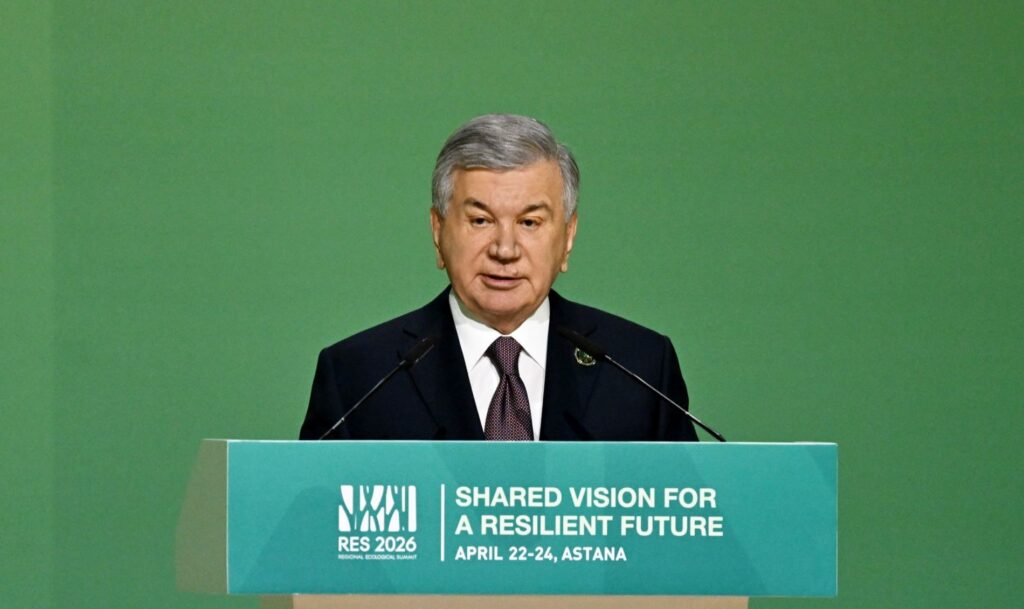
On April 22–24, Astana will host the Regional Ecological Summit with the participation of numerous United Nations agencies and international partners. It is expected to produce a joint declaration and a Regional Program of Action for 2026–2030, giving it a formal ambition beyond that of a standard diplomatic conference. Kazakhstan is presenting the event as a region-wide platform through which shared ecological pressures may become a more regular channel for Central Asian coordination. Officially, the summit is framed as a platform for regional solutions to climate and environmental challenges. It is also a more ambitious test of whether Kazakhstan can use ecology to sustain a more regular pattern of regional cooperation under multilateral auspices. Here, Astana is using ecology to include water, health, food systems, natural-resource management, pollution, resilience, and financing. The broader the issue area becomes, the more usable it is as a basis for cooperation among states whose interests diverge elsewhere. The summit grew out of the Regional Climate Summit that President Kassym-Jomart Tokayev proposed at the Astana International Forum in June 2023. Since then, the agenda has widened from climate policy in the narrow sense to ecology more generally. This broadening fits the constraints the five Central Asian states share, which extend beyond emissions or adaptation metrics. They include water stress, land degradation, cross-border environmental risks, public-health effects, and the need for outside financing and technical coordination. A climate-only frame would have been too narrow for those overlapping pressures. The broader ecological frame is therefore more politically useful. The meeting also has a prehistory in earlier regional backing and multilateral development. A key point came on July 21, 2022, at the Fourth Consultative Meeting of Central Asian heads of state in Cholpon Ata, where the Green Agenda Regional Program for Central Asia was adopted. At the same meeting, a joint statement, a roadmap for regional cooperation for 2022–2024, and a concept for Central Asian interaction in multilateral formats were also adopted. The Green Agenda itself was linked to decarbonization, alternative energy, mutual electricity supply, water-saving and environmentally friendly technologies, and the rational use of water resources. Later UNDP material tied that program more explicitly to regional cooperation on climate action, water and energy management, and the use of United Nations platforms for advancing shared initiatives. The Astana summit builds on that earlier momentum. The scale of the UN presence indicates that the summit is meant as more than a ceremonial gathering. UN Kazakhstan says that 18 UN agencies are co-organizing 27 sessions and five workshops. For a regional meeting of this kind, that is a dense working structure. The same UN summary says that one expected outcome is a Joint Declaration by the Heads of State of Central Asia on regional environmental cooperation, followed by a Program of Action for 2026–2030 developed in partnership with the United Nations. Kazakhstan’s own framing presents the summit as a permanent platform for dialogue among governments, international organizations, scientific institutions, business, and civil society. The event is thus situated at the...

Kazakhstan’s Regional Ecological Summit 2026: What It Is and Why It Matters

Kazakhstan’s Regional Ecological Summit 2026 in Astana on April 22-24 is aiming to turn Central Asia’s environmental strain into a regional political agenda. Organized in partnership with the United Nations, the summit is built around the theme, “Shared Vision for a Resilient Future.” Its stated purpose is to bring together governments, international organizations, lenders, businesses, researchers, and civil society to push for joint and practical responses to climate and ecological pressures across the region. President Kassym-Jomart Tokayev first proposed hosting a regional climate summit in Kazakhstan under UN auspices during his 2023 speech at the 78th session of the UN General Assembly. By 2026, that idea had broadened into a wider environmental summit covering climate transition, adaptation, food security, natural resource management, air pollution, waste, finance, and environmental skills. The official key thematic directions show that this is no longer a narrowly framed climate conference. It is being presented as a broader Central Asian platform for ecological cooperation. In Central Asia, ecological stress now shapes core state concerns, from farming and energy to public health and cross-border cooperation. That gives the Astana summit a broader role than a standard environment conference. That shift reflects real regional pressures. Central Asia faces chronic water stress, glacier retreat, desertification, air pollution, and growing strain on ecosystems. The summit’s organizers say the meeting is meant to produce joint solutions rather than another round of abstract pledges. The UN in Kazakhstan says the summit is expected to advance shared regional responses and identify green financing needs, while a second UN page states that one planned outcome is a Joint Declaration by the heads of state of Central Asia, alongside a 2026-2030 Programme of Action developed with the United Nations. Tokayev’s own language explains the summit’s pitch. On August 5, 2025, speaking at the Third United Nations Conference on Landlocked Developing Countries in Awaza, Turkmenistan, he said, “Many developing countries without access to the sea are facing water scarcity, glacier melt, desertification, and other extreme weather events. Addressing these challenges requires coordinated regional efforts and strong international support. At the same time, I believe that measures to combat climate change must remain balanced and inclusive, and respond to the legitimate development needs of countries. To strengthen our joint efforts in addressing climate change, I invite you to the Regional Ecological Summit, which will be held in Astana in partnership with the United Nations.” The wording shows how Kazakhstan wants to frame the event. Central Asia’s environmental problems cross borders, but the response, in Tokayev’s view, must also accommodate growth, infrastructure, and development. That is why the summit is being presented not just as a climate gathering, but as a forum linking ecological policy, investment, technology, and state planning. The EXPO component is part of that design. Government and investment-promotion pages say the parallel exhibition will focus on green technologies, ESG tools, and practical climate solutions, linking diplomacy to project finance and implementation. The summit’s speaker list underlines its international reach. The official RES 2026 page includes...

Kyrgyzstan Turns to Coal Power Amid Electricity Shortages

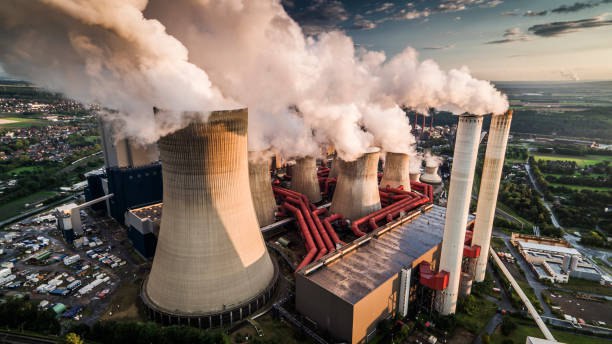
Kyrgyzstan is turning to coal-fired electricity generation as a key strategy to address its chronic energy deficits, particularly acute during winter, when heating demand spikes and reliance on costly imports increases. While the country continues to expand hydropower capacity, the government is emphasizing the role of thermal power as a stable, year-round energy source. Unlike hydropower, which is vulnerable to fluctuating river flows worsened by climate change, coal-fired generation offers a more consistent electricity supply. On January 22, Energy Minister Taalaibek Ibrayev met with representatives of an international consortium that includes the German consulting group GPRC, along with NRP and KCG. The minister proposed the construction of thermal power plants at domestic coal sites. According to the Ministry of Energy, the consortium has expressed its intention to design, finance, and build three coal-fired power plants, each with a capacity of 350 MW for a total of 1,050 MW. The proposed facilities would utilize clean coal technologies aligned with international environmental standards. Before construction begins, specialists will assess coal quality and geological conditions at the proposed sites. Kyrgyzstan’s coal reserves are estimated at around 2 billion tons. In 2024, the country produced 4.396 million tons of coal, with nearly half mined in the Naryn region and the rest in Batken, Osh, and Jalal-Abad. The country’s largest coal deposit is Kara-Keche, a lignite mine in Naryn operated by the state-owned Kyrgyzkomur. In June 2025, Electric Stations OJSC, which generates about 86% of Kyrgyzstan’s electricity, announced a tender to build a 1,200 MW coal-fired power plant near Kara-Keche. The project was structured in two phases: the first involving two 300 MW units at a cost of $934.38 million, and the second, a 600 MW unit valued at $370.6 million. The proposed plant was expected to generate 7.8 billion kWh annually. However, the tender was declared invalid in September 2025 due to incomplete documentation from bidders. Despite the setback, the Ministry of Energy remains committed to attracting international investors, viewing coal-fired power as a transitional solution until long-term hydropower projects are fully operational. Kyrgyzstan exported 1.1 million tons of coal in 2024, valued at $52.7 million. Uzbekistan was the largest buyer, while exports to China surged to 118,200 tons, up from just 13,000 tons in 2023. As electricity demand rises and hydropower faces increasing climate-related constraints, officials see coal-based generation as a pragmatic measure to stabilize the national grid and bolster energy security during a critical transition period.