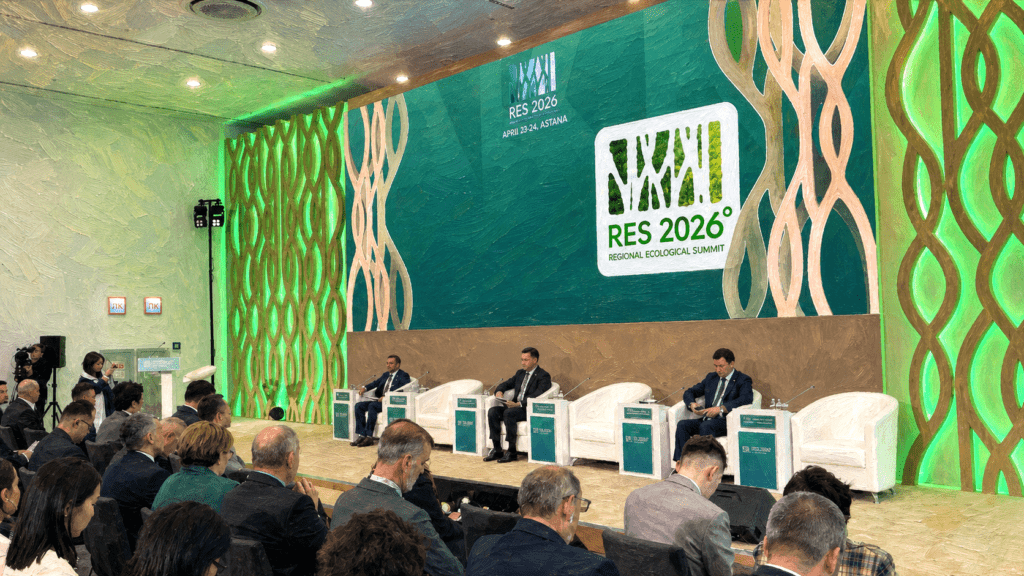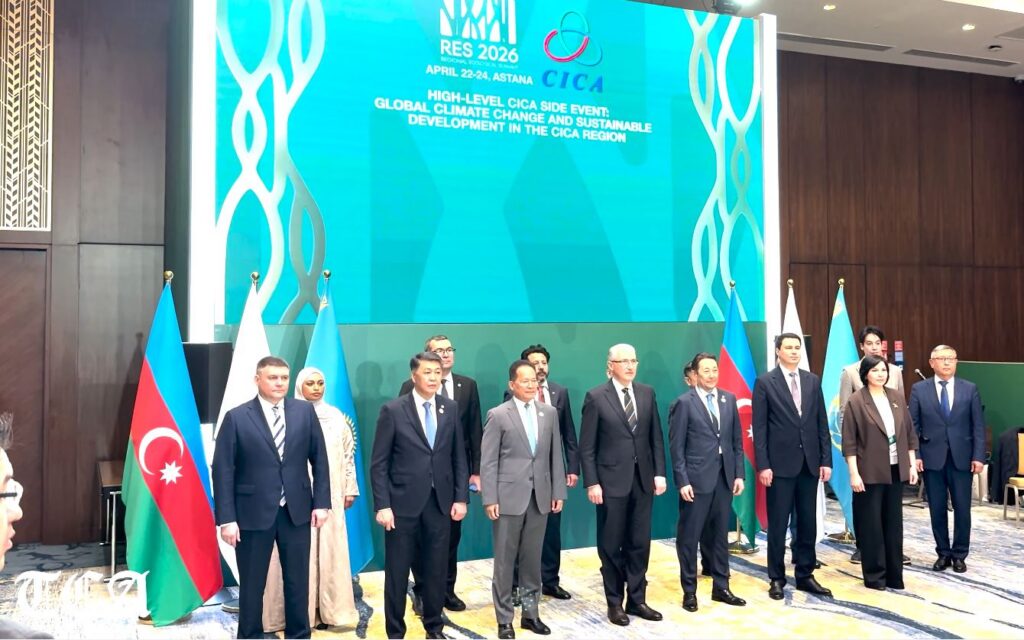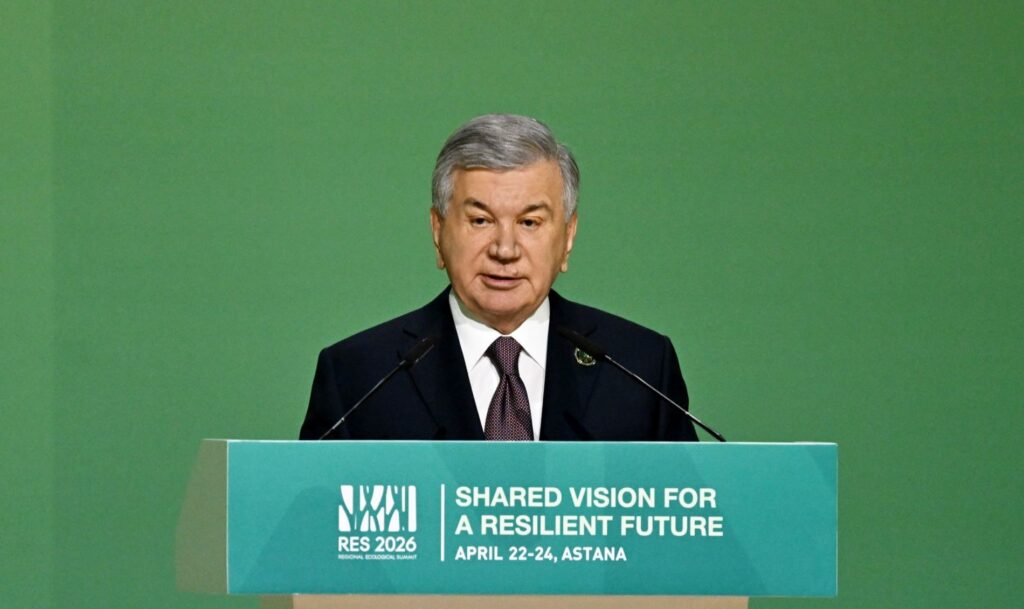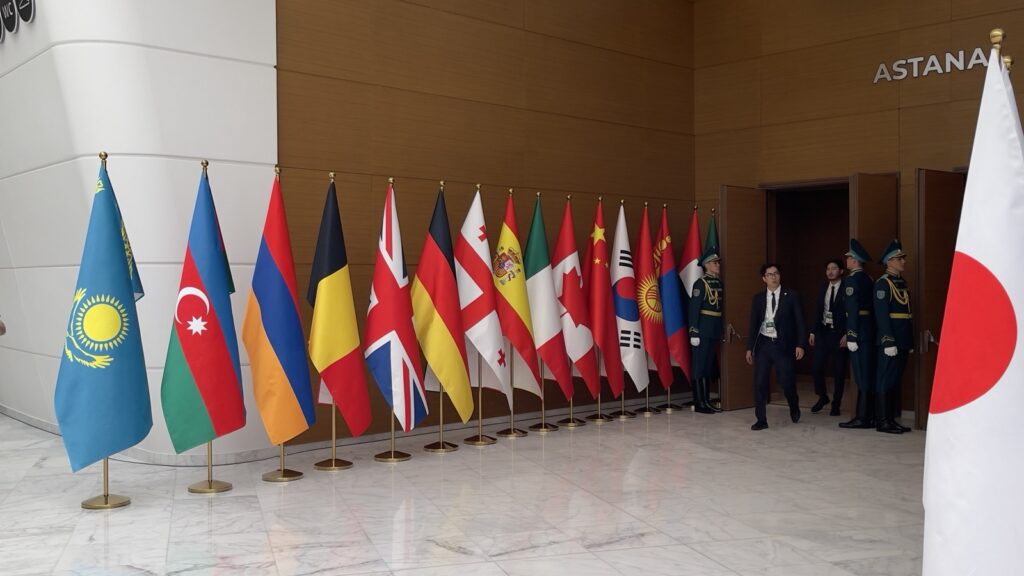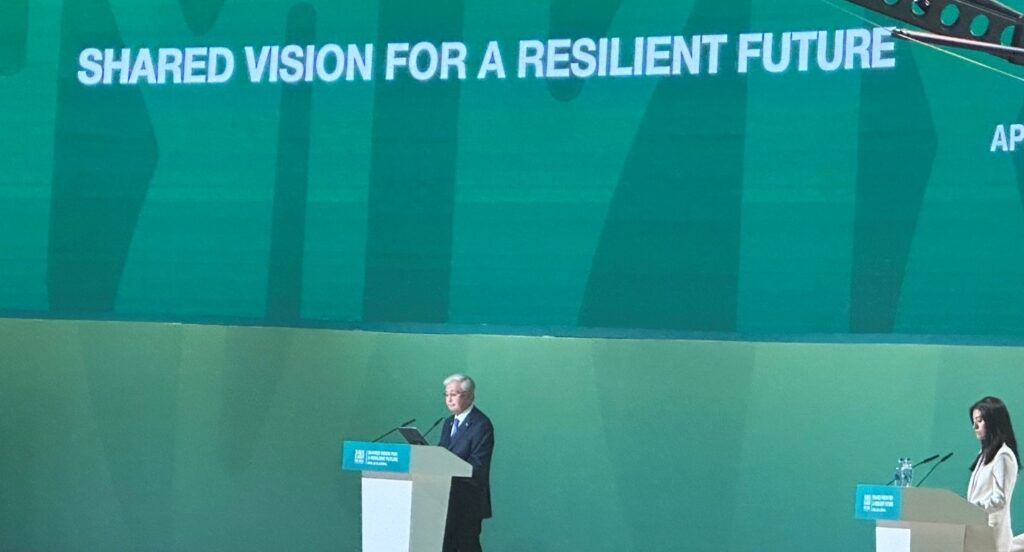
When the Regional Ecological Summit (RES 2026) opens in Astana this Wednesday, the official framing will center on Shared Vision for a Resilient Future, combining practical regional solutions with diplomatic ambitions that include a Joint Declaration and a 2026-2030 Program of Action. Behind that language sits a harder reality. Water and energy officials in Tashkent, Bishkek, and Astana are dealing with a region which is drying out faster than its infrastructure and politics are adapting.
That gives the summit a sharper edge than earlier environmental gatherings. Two issues stand out: the management of winter water-sharing arrangements ahead of the irrigation season, and the way the shrinking Caspian could constrain the Middle Corridor.
The Toktogul Equation: A Fragile “Winter-for-Summer” Swap
The most immediate point of pressure is the Toktogul Reservoir in Kyrgyzstan. In late 2025, an agreement was reached under which Kyrgyzstan would limit winter hydropower generation, preserving water for downstream Kazakh and Uzbek farmers, in exchange for electricity supplies from its neighbors.
The arrangement remains in place, but its durability will be tested as summer demand rises. One question hanging over the summit is whether Kazakhstan and Uzbekistan will provide enough power support to help Kyrgyzstan conserve water without reopening old upstream-downstream tensions.
For downstream states, that is not only a water issue but an agricultural and political one.
The Caspian Emergency: Depth as a Trade Barrier
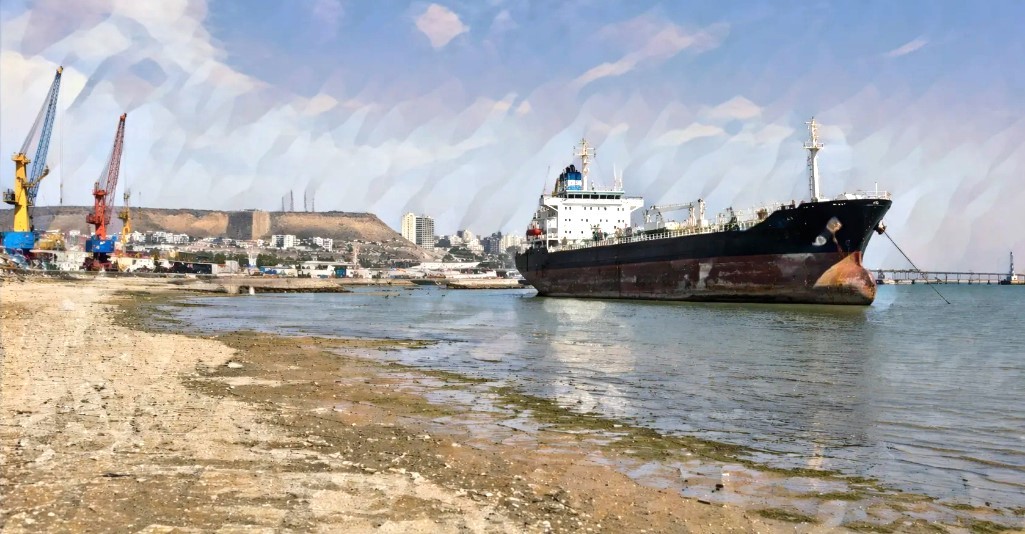
For years, the shallowing of the Caspian was treated as a long-term problem. In 2026, it is becoming an operational one. According to recent reporting, Aktau port is operating at an average depth of 4.5 meters, far below the 6.5 to 7 meters needed for full operations.
The summit will also highlight the Integrated Management of Seascapes project. The UNDP-linked initiative is intended to balance the need for dredging and port access with protection of the northern Caspian’s fragile ecosystem. That tension is no longer theoretical. It now touches trade, shipping capacity, and the future of the corridor itself.
The Digital Transition
One of the summit’s more concrete strands is the National Water Resources Information System. According to the Kazakh government, the system is to enter industrial operation by the end of 2026.
The plan is to automate 103 irrigation canals in southern Kazakhstan using $1.15 billion in financing from the Islamic Development Bank. The broader regional test is whether neighboring states will share enough data to support a cross-border water monitoring system, giving officials a clearer view of how shared resources are being managed.
The Green Energy Corridor
Alongside the water agenda, the Green Energy Corridor remains one of the projects that clearly aligns Kazakhstan, Azerbaijan, and Uzbekistan. The plan is to transmit green electricity to Europe via a subsea cable across the Caspian. CESI is finalizing the feasibility study, pointing to an export model that leans less on hydrocarbons and more on regional infrastructure.
It also shows how environmental pressure and economic strategy are starting to overlap. For Central Asian governments, climate policy is no longer only about adaptation. It is also becoming a way to build new routes, attract financing, and tie the region more closely to European demand.
Education as a Security Pillar
Another important and less heralded part of the summit is the Regional Green School Platform. According to UNICEF data, 23 million children in Central Asia are exposed to high or very high levels of climate hazards. That helps explain why the summit is also pushing climate resilience into school curricula, not simply as environmental education but as part of long-term social stability.
What the Summit Must Deliver
While the RES-2026 EXPO will showcase more than 300 companies from 30 countries, the real measure of the summit will lie elsewhere. The test is whether participants can move beyond rhetoric and adopt a 2026-2030 Program of Action and Joint Declaration in a form that gives regional coordination more substance. If they can, the summit will mark a meaningful step toward shared resource management. If not, it risks becoming another well-staged meeting that leaves the region’s hardest environmental disputes unresolved.