• KGS/USD = 0.01143 0%
  • KZT/USD = 0.00205 0%
  • TJS/USD = 0.10724 0.09%
  • UZS/USD = 0.00008 0%
  • TMT/USD = 0.28571 0%
  • KGS/USD = 0.01143 0%
  • KZT/USD = 0.00205 0%
  • TJS/USD = 0.10724 0.09%
  • UZS/USD = 0.00008 0%
  • TMT/USD = 0.28571 0%
  • KGS/USD = 0.01143 0%
  • KZT/USD = 0.00205 0%
  • TJS/USD = 0.10724 0.09%
  • UZS/USD = 0.00008 0%
  • TMT/USD = 0.28571 0%
  • KGS/USD = 0.01143 0%
  • KZT/USD = 0.00205 0%
  • TJS/USD = 0.10724 0.09%
  • UZS/USD = 0.00008 0%
  • TMT/USD = 0.28571 0%
  • KGS/USD = 0.01143 0%
  • KZT/USD = 0.00205 0%
  • TJS/USD = 0.10724 0.09%
  • UZS/USD = 0.00008 0%
  • TMT/USD = 0.28571 0%
  • KGS/USD = 0.01143 0%
  • KZT/USD = 0.00205 0%
  • TJS/USD = 0.10724 0.09%
  • UZS/USD = 0.00008 0%
  • TMT/USD = 0.28571 0%
  • KGS/USD = 0.01143 0%
  • KZT/USD = 0.00205 0%
  • TJS/USD = 0.10724 0.09%
  • UZS/USD = 0.00008 0%
  • TMT/USD = 0.28571 0%
  • KGS/USD = 0.01143 0%
  • KZT/USD = 0.00205 0%
  • TJS/USD = 0.10724 0.09%
  • UZS/USD = 0.00008 0%
  • TMT/USD = 0.28571 0%

Viewing results 1 - 6 of 2

Kyrgyzstan Says 31 Suspected KTJ and Islamic State Members Detained in Southern Operation

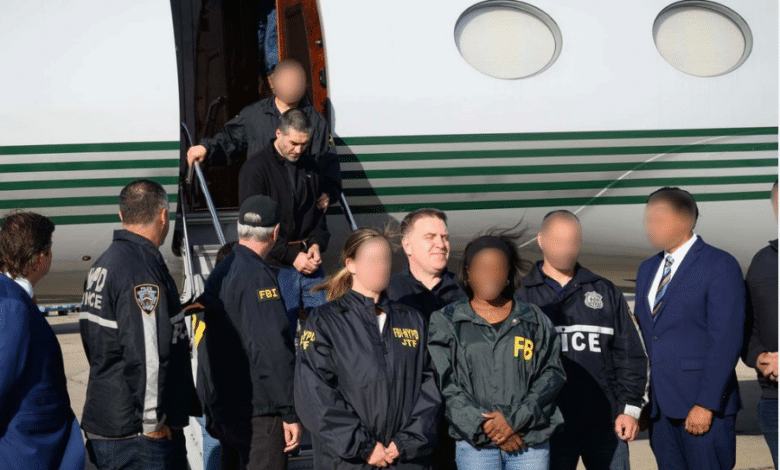
Kyrgyzstan’s State Committee for National Security, or GKNB, said it detained 31 suspected members of Katibat al-Tawhid wal-Jihad and Islamic State during an overnight counterterrorism operation in the southern Osh and Batken regions. The operation took place on the night of June 8-9. Authorities imposed a legal counterterrorist-operation regime in Osh, Kyzyl-Kiya, Kara-Suu district, and Uch-Korgon village in Kadamjay district. The GKNB said the suspects had planned attacks against law enforcement officers and religious figures. Security officers detained 11 people in Osh region and 20 in Batken region. During searches, officers seized religious extremist literature, electronic storage devices with extremist materials, four unregistered firearms, symbols of terrorist groups, and money that the GKNB said was intended to finance terrorist structures abroad. The GKNB said its chairman, Jumgalbek Shabdanbekov, directed the operation in real time from a situation center. Operational headquarters included staff from the Interior Ministry, Border Service, Defense Ministry, Emergency Situations Ministry, Health Ministry, presidential envoys in the regions, and Osh city officials. “The special operation was carried out in strict accordance with the law,” the GKNB said in a statement carried by local media. The committee said its Main Investigation Department was checking the detainees’ links, possible accomplices, and financing channels. The suspects were not named, and the GKNB statement did not give their ages, citizenship, or the legal articles under which the case is proceeding. The detainees were placed in the GKNB’s temporary detention facility. Katibat al-Tawhid wal-Jihad appears on the UN Security Council’s ISIL and Al-Qaida sanctions list as Khatiba al-Tawhid wal-Jihad, or KTJ. The UN added the group to the list on March 7, 2022, for its association with Al-Qaida-linked groups. The UN entry says KTJ was formerly known as Jannat Oshiklari and operated under Al-Nusrah Front in Syria. It also says the group had about 500 fighters. The UN entry says KTJ organized the 2016 attack on the Chinese Embassy in Bishkek. In that attack, a suspected suicide car bomber rammed the embassy gates, killing himself and wounding at least three other people, Reuters reported. Reuters later quoted the GKNB as saying, “The investigation established that the terrorist act was ordered by Uighur terrorist groups active in Syria.” U.S. sanctions records list Katibat al Tawhid wal Jihad as a Specially Designated Global Terrorist entity. Kyrgyzstan’s official list of banned organizations includes Islamic State, Jannat Oshiklari, and Jamaat at-Tawhid wal-Jihad. Islamic State was declared a terrorist and extremist organization by Bishkek’s Oktyabr District Court on February 13, 2015, and the ruling entered into force on March 16, 2015, 24.kg reported. No convictions have been announced in the June 9 case. The case remains under investigation.

Turkmenistan Seeks Bigger Counter-Terrorism Role in Central Asia

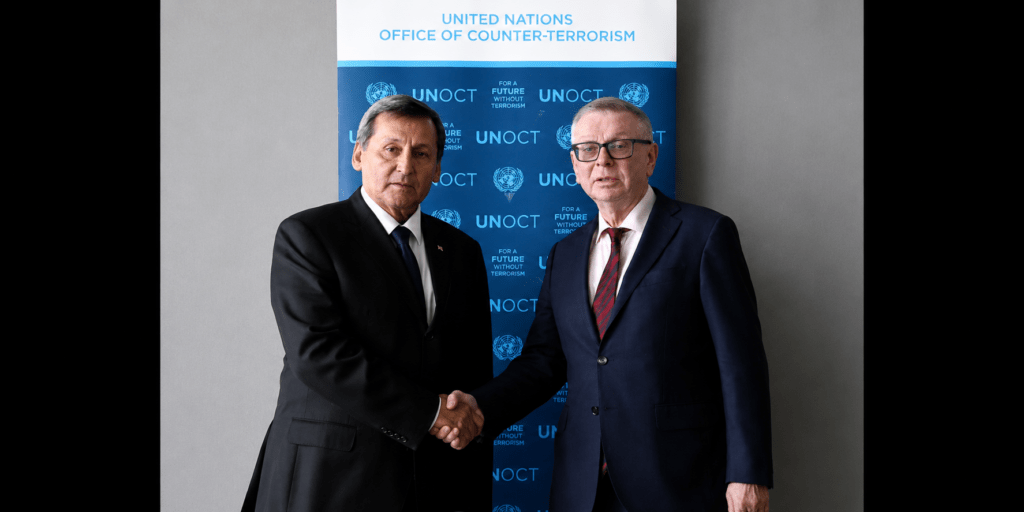
Turkmenistan wants to host a United Nations counter-terrorism facility that would contribute to cooperation among Central Asian countries, whose security concerns have included online radicalization, instability in Afghanistan, and the repatriation of citizens from Syria and Iraq. Foreign Minister Rashid Meredov discussed the initiative with Alexandre Zouev, a Russian diplomat who is acting under-secretary-general of the United Nations Office of Counter-Terrorism (UNOCT), during a visit by Turkmenistan’s top diplomat to the United States last week. In the May 28 meeting, the Turkmen delegation provided details about the plan to establish a program office of UNOCT in Ashgabat, according to the ministry. It said the office “will become a key analytical and expert platform in the region.” Such offices in host countries have a minimum of three staff members, for example, the office head, a project manager, and an administrator, and often rely on funding from the host nation, according to UNOCT, which is based at U.N. headquarters in New York.  The offices focus on “capacity-building projects and activities” with a focus on the country or region, the office said. In 2022, U.N. counter-terrorism officials helped to set up what they described as an early warning network with representatives from Kazakhstan, Kyrgyzstan, Tajikistan, Turkmenistan and Uzbekistan. The mechanism promotes regional information-sharing. Besides governments, it involves civil society organizations and academics. Turkmenistan, Tajikistan, and Uzbekistan share borders with Afghanistan, where continuing security problems have slowed Central Asian efforts to develop trade routes in deals with the ruling Taliban movement. Chinese interests in Tajikistan have been targeted by cross-border attacks in the past year. Tajikistan’s security forces have stepped up patrols on the border, which is challenging to monitor because of the remote, mountainous terrain. Several Central Asian countries have also organized the repatriation of their citizens from conflict zones in Iraq and Syria. Former male fighters who joined Islamic militant groups can face close monitoring and jail time, while women and children tend to be viewed as victims in need of humanitarian support. U.N. officials have also collaborated on counter-terrorism concerns in Central Asia with the Collective Security Treaty Organization, a regional group that includes Russia and has focused heavily on the threat of extremist infiltration from Afghanistan.