• KGS/USD = 0.01144 0%
  • KZT/USD = 0.00216 0%
  • TJS/USD = 0.10663 0%
  • UZS/USD = 0.00008 0%
  • TMT/USD = 0.28530 0%
  • KGS/USD = 0.01144 0%
  • KZT/USD = 0.00216 0%
  • TJS/USD = 0.10663 0%
  • UZS/USD = 0.00008 0%
  • TMT/USD = 0.28530 0%
  • KGS/USD = 0.01144 0%
  • KZT/USD = 0.00216 0%
  • TJS/USD = 0.10663 0%
  • UZS/USD = 0.00008 0%
  • TMT/USD = 0.28530 0%
  • KGS/USD = 0.01144 0%
  • KZT/USD = 0.00216 0%
  • TJS/USD = 0.10663 0%
  • UZS/USD = 0.00008 0%
  • TMT/USD = 0.28530 0%
  • KGS/USD = 0.01144 0%
  • KZT/USD = 0.00216 0%
  • TJS/USD = 0.10663 0%
  • UZS/USD = 0.00008 0%
  • TMT/USD = 0.28530 0%
  • KGS/USD = 0.01144 0%
  • KZT/USD = 0.00216 0%
  • TJS/USD = 0.10663 0%
  • UZS/USD = 0.00008 0%
  • TMT/USD = 0.28530 0%
  • KGS/USD = 0.01144 0%
  • KZT/USD = 0.00216 0%
  • TJS/USD = 0.10663 0%
  • UZS/USD = 0.00008 0%
  • TMT/USD = 0.28530 0%
  • KGS/USD = 0.01144 0%
  • KZT/USD = 0.00216 0%
  • TJS/USD = 0.10663 0%
  • UZS/USD = 0.00008 0%
  • TMT/USD = 0.28530 0%

Viewing results 1 - 6 of 135

Uzbekistan Travel Tips from Professional Guide Eleonora Radjabova

Uzbekistan is increasingly attracting tourists from all over the world, eager to experience its rich cultural heritage, unique architecture and spectacular landscape. Eleonora Radjabova, a professional guide in Uzbekistan since 2007, spoke to TCA about her own favorite locations and provided tips on how to make the most of your trip to her country. [caption id="attachment_22627" align="aligncenter" width="720"] photo: elya.uz.guide - Eleonora Radjabova[/caption]   TCA: What are your personal favorite places and activities in Uzbekistan? My favorite places and activities in Uzbekistan highlight the diversity and richness of the natural environment and cultural experiences my country has to offer. I especially love Bukhara for its ancient historical heritage and architectural masterpieces. Walking through the narrow streets and markets of this medieval city is a unique and immersive experience filled with dazzling, iconic monuments at every turn. [caption id="attachment_22628" align="aligncenter" width="1280"] photo: TCA -Bukhara[/caption]   For those wishing a flavor of Uzbekistan’s landscape, I recommend Chimgan and Amirsoy, both within easy reach of Tashkent. Chimgan, set in the Ugam Chatkal National Park and 85 kilometers from the city, is perfect for an active vacation. Sometimes known as ‘Uzbek Switzerland’ with mountains rising to 3309m above sea level, Chimgan has facilities for various extreme sports. In winter, it operates as a ski-resort whilst in summer, paragliding provides an exhilarating experience and breath-taking views of the terrain from high in the air. Apart from being ideal for day-trippers, the resort which specializes in eco-tourism, offers a wide range of accommodation for longer stays. [caption id="attachment_22630" align="aligncenter" width="1024"] photo: skipedia.ru -Chimgan[/caption]   Amirsoy, just 65 kilometers from Tashkent, offers an easily accessible respite from city life. Flanked by the Chaktal Ridge and Tian Shan mountains, its beautiful rolling landscape offers numerous trails for hiking and walking, alongside spas and pools. [caption id="attachment_22634" align="aligncenter" width="497"] photo: Uzbek Travel -Amirsoy[/caption]   Lake Aidarkul, a unique oasis of sorts in the Kyzylkum Desert, is another of my favorite places to relax and enjoy outdoor recreation. It is especially beautiful in August when people come to its shores to enjoy the sunset then gaze at the starry sky. A natural wilderness and home to rare species of birds as well as pelicans, herons, geese and black storks, the area is a mecca for birdwatchers. Visitors can also experience a unique taste of nomadic life by embarking on a trip through the desert on camels – “ships of the desert"-  to spend a night in a yurt. [caption id="attachment_22631" align="aligncenter" width="900"] photo:adantour.com -Lake Aidarkul[/caption]   TCA: Why are these places and activities especially dear to you? These places and activities recharge my vigor, positively influence my mood, and I return to the city, to my work, with new ideas and impressions.  TCA: What tips can you offer tourists to get the most out of their visit?  It’s all about forward planning! I recommend determining in advance, aspects of the country which interest you most -historical monuments, culture, nature, cuisine -to help pick a tour tailored to your preferences. Make...
Uzbekistan Joins ICCROM as 138th Member for Cultural Heritage Preservation

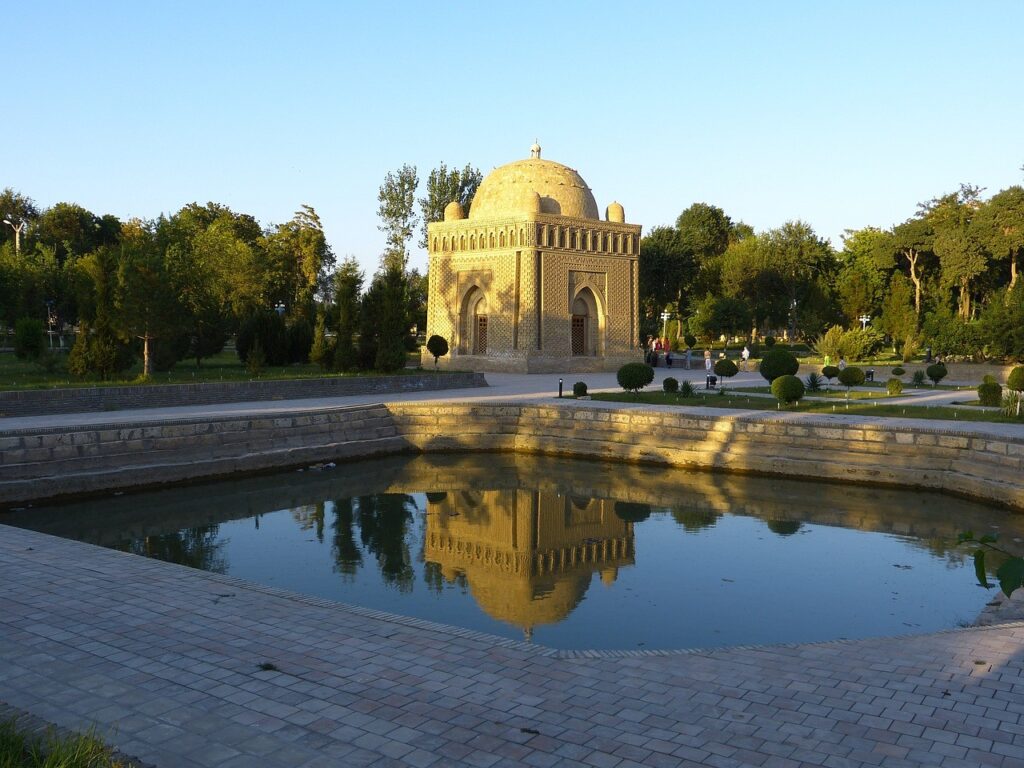
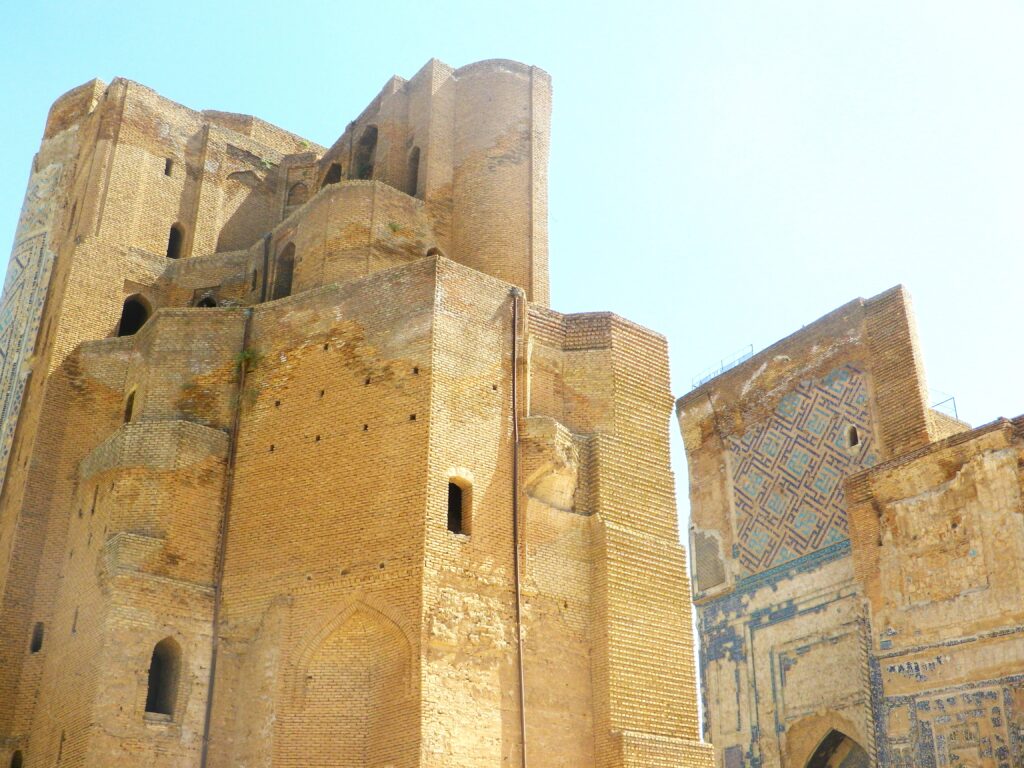
Uzbekistan has become the 138th member state of the International Centre for the Study of the Preservation and Restoration of Cultural Property (ICCROM), an intergovernmental organization that serves its member states by promoting the conservation of all forms of cultural heritage, the institution's website has reported. “Uzbekistan is home to several UNESCO World Heritage Sites, including the historical centers of Bukhara and Shakhrishabz, renowned for their exceptional Timurid monuments; the unique urban compositions of Itchan Kala in the inner fortress of Khiva; and the historic city of Samarkand," the report from ICCROM states. "The Zarafshan-Karakum Corridor of the Silk Roads and the Cold Winter Deserts of Turan, both transnational sites, illustrate Uzbekistan’s strategic role in ancient trade routes and showcase a diverse and resilient natural landscape across Central Asia. Additionally, Uzbekistan’s intangible heritage, expressed through traditional knowledge, crafts, and ways of life, further illustrates its invaluable historical contributions." “Uzbekistan’s membership will not only strengthen relationships with institutions in Uzbekistan, but will also allow us to have a greater impact on the ground in the whole of Central Asia,” ICCROM’s Director-General, Aruna Francesca Maria Gujral, stated. “Together, we can ensure that Uzbekistan’s invaluable heritage is maintained and celebrated, propelling longer-term sustainability for our people, communities, and planet. Investing in capacity building is the most effective way to conserve our heritage today while ensuring an enduring legacy for future generations. Engaging youth in cultural conservation, preservation, and celebration ensures the transmission of knowledge and inspires creative approaches to conservation linked to sustainable development,” Gujral emphasized.

Gold Coin From Ancient Abbasid Caliphate Found in Turkmenistan

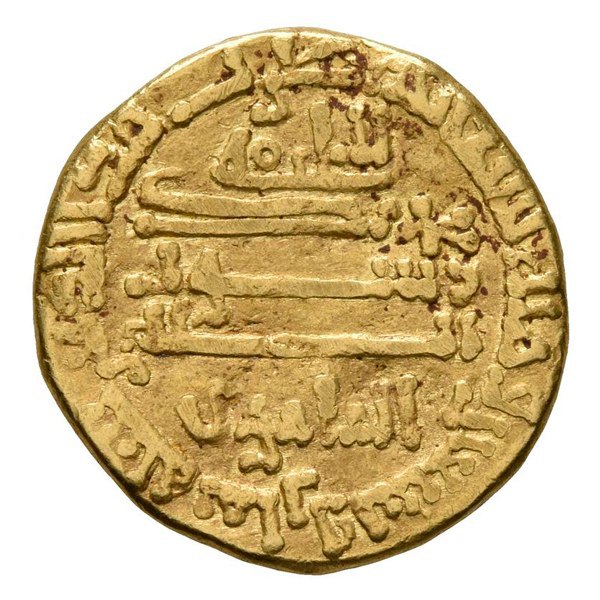
A local history museum in the Mary region of Turkmenistan has received a gold coin dating from the 9th or 10th century. The museum's director, Yazgul Tirkishova, has said that the dinar coin was donated by a resident of the village of Zakhmet named Nurmuhammed Babayev. The gold dinar comes from one of the largest empires of the Islamic world, the Abbasid Caliphate. The Caliphate emerged in the 7th century and stretched from Spain to India; its gold currency was a sign of its power and prosperity. Coins of this type, weighing 4.25-4.27 grams and containing quotations from the Qur'an, became the standard of coinage for centuries. The acquisition of the dinar is a significant event for Turkmenistan's historians. The staff at the museum intend to thoroughly study the coin, compare it with other known specimens, and possibly discover new facts about the region's life and culture during the Abbasid era. The study of such artifacts helps modern scholars gain a deeper understanding of the complex history of the Islamic world, its economy, and culture and assess the Abbasid Caliphate's influence on world history.

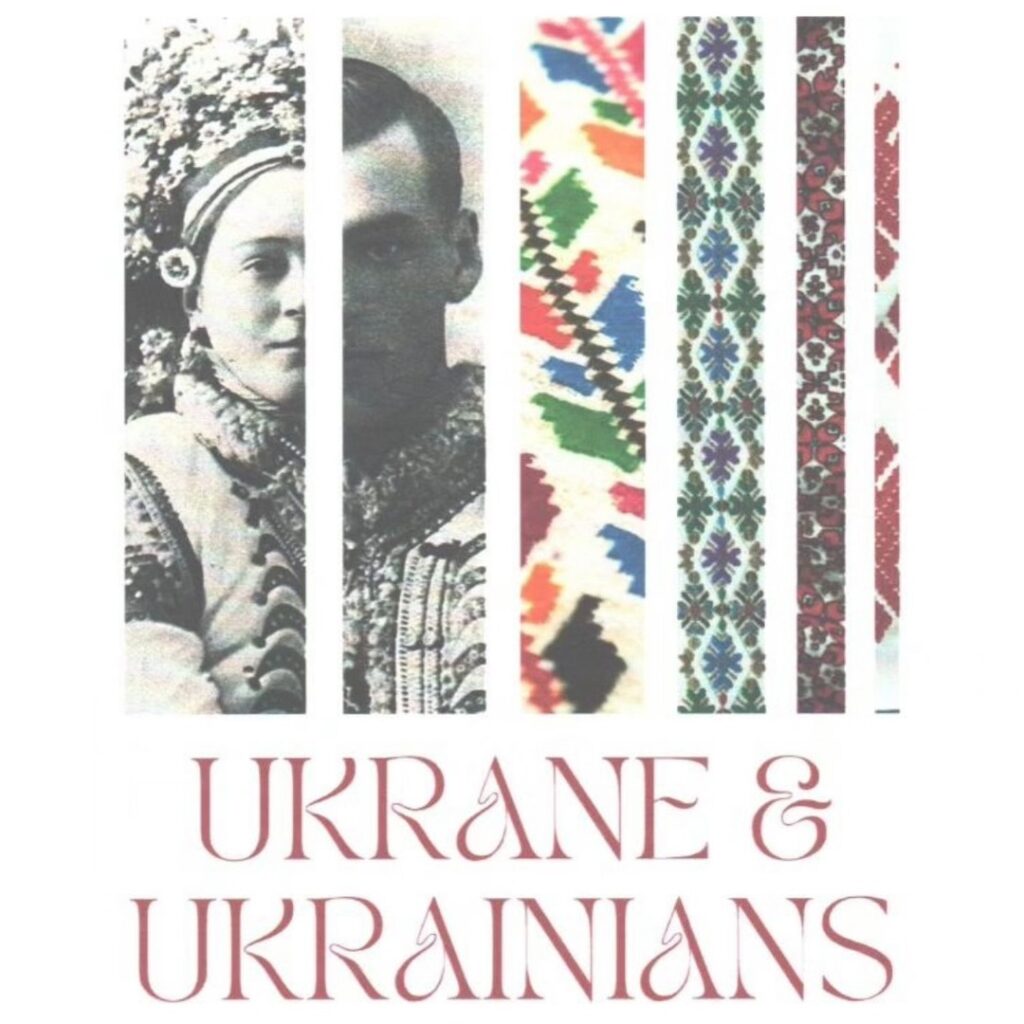
Ashgabat Exhibition to Mark Ukraine’s Independence Day

The Embassy of Ukraine in Turkmenistan is poised to display an exhibition of archival photographs in Ashgabat, dedicated to Ukraine's Independence Day. Titled “Ukraine and Ukrainians," the exhibition will run from August 30 - September 6 2024, and comprise a selection of rare images from the Ivan Honchar Museum. Funded by the National Center of Folk Culture, an organization actively engaged in preserving and disseminating folk cultural traditions, the museum's vast collections of historical photographs provide the younger generation with a deeper understanding of their cultural roots and heritage. The forthcoming exhibition follows “Cultural Values of the Turkmen People”; an exhibition of  photographs, books, and national dress previously mounted in Kyiv to celebrate the 300th anniversary of the birth of Turkmen poet and philosopher Makhtumkuli Fraghi. Aimed to attract young audiences, the exhibition was complemented by excursions for pupils of eight of Kyiv's  schools and lyceums, as well as students studying journalism, with talks presented on Turkmenistan's archaeological monuments located in the ancient cities of  Merv, Kunyaurgench, and Nisa fortresses, and included in the UNESCO World Heritage List.  

Burabay National Park: A Place of Respite, Legends and Cultural Heritage

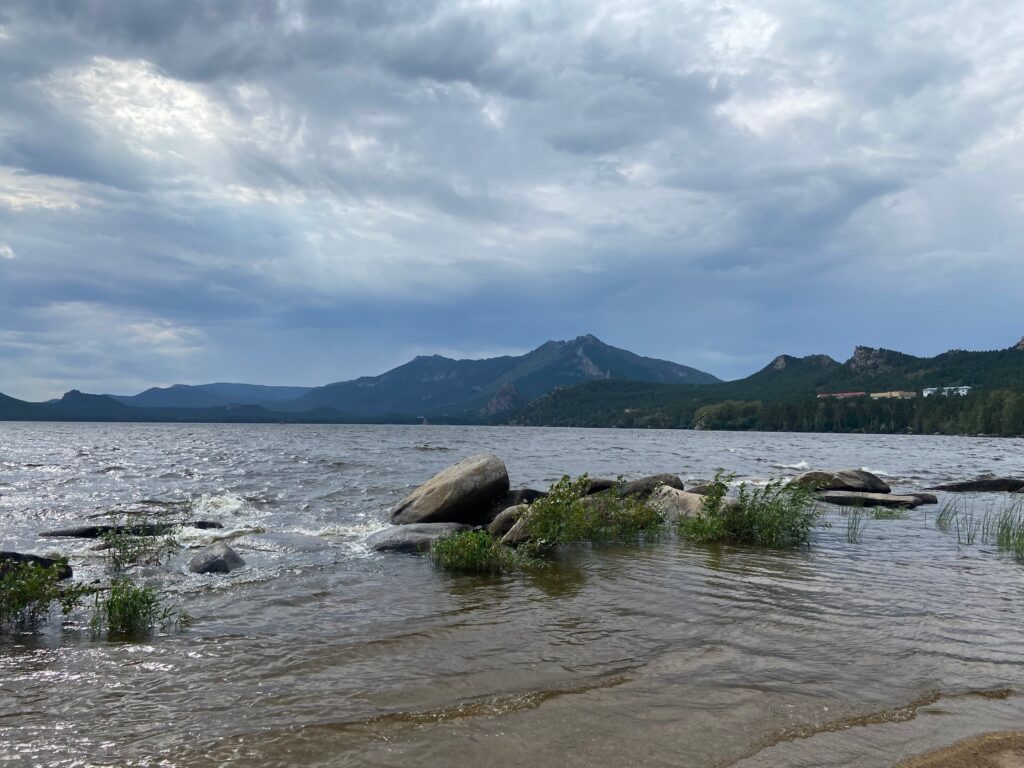
Burabay National Park, located just 250 kilometers from Kazakhstan’s capital Astana, is a place of outstanding natural beauty offering easily accessible respite from the hustle and bustle of city life. Known by its Russian name ‘Borovoye’, from boro meaning pine forest - until 2000, the park spans 85,000 hectares on which visitors can participate in outdoor pursuits from cycling, horseback riding and skiing, to swimming, kayaking, sailing and water skiing, or simply relax and enjoy the fresh clean air and magnificent views of the hills and mountains. [caption id="attachment_22204" align="aligncenter" width="1260"] Photo: Mt Okzhetpes - TCA, Tamila Olzhbaekova[/caption]   Mountaineers can test their skills on Mt Kokshetau, the highest peak standing at 957 meters. For those less experienced, The Three Sisters provide a range of gradients suited to different levels of hikers and climbers, and Mt Bolektau affords panoramic views within an easy 20-minute ascent. For many, the pearls in Burabay’s crown are its crystal-clear lakes. The park boasts no fewer than fourteen, each with its own unique beauty and atmosphere. Amongst the best known are Maloye, Shchuchye, Chebachye, home to 300 species of fish, and the largest, Lake Borovoye, popular for its well-maintained beaches and water sports. Burabay is also a place of great archaeological, cultural, and historic significance and both its origins and natural landmarks are steeped in legends. Origins Different myths tell how disappointed by its barren terrain, either Allah or Tengri decided to enhance the flat Kazakh steppe by scattering it with small mountains, lakes, and forests. The area and its settlers were guarded by a beautiful white camel; a bura in Kazakh, and hence the name, Burabay. Coveting it as a trophy, robbers shot it with an arrow but were instantly flattened when the camel turned into a rock. Today, it is but one of the park’s many legendary landmarks. [caption id="attachment_22211" align="aligncenter" width="752"] Photo: Adobe stock -Zhumbaktas[/caption]   Zhumbaktas In the center of Borovoe Lake stands a rocky outcrop known as ‘Zhumbaktas’ which translates as ‘mysterious stone’ in Kazakh. According to legend, a rich Khan sought a wealthy husband for his beautiful daughter but instead, she fell in love with a talented, roaming musician. The couple fled and pursued by the girl’s brothers, sailed to the middle of the lake. The young man, shot through the chest with an arrow, toppled into the water. The girl appealed Tengri, who granting her wish to join her beloved, turned her into a rock. From one side, the island looks like a boat, from another, a girl with her hair blowing in the wind, and when viewed from a different angle, an old woman. [caption id="attachment_22205" align="aligncenter" width="1200"] Photo: Dancing Birch Grove - TCA, Tamila Olzhbaekova[/caption]   Dancing Birch Grove Amid the park’s vast forests, stands an enchanting grove, where blown by the wind, birch trees sway and intertwine. According to legend, village girls dancing in a clearing froze in fear and turned into trees when they noticed the khan watching them. Mount Okzhetpes According to research...

Gods and Demons of Central Asia

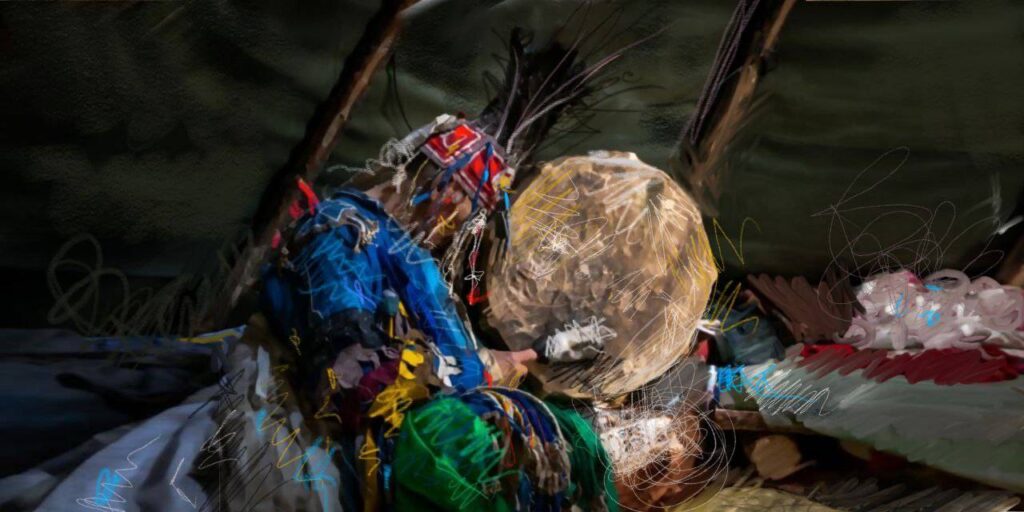
In today's dynamic world, Central Asia is emerging as a trendsetter in fashion, culture, lifestyle, and worldview. The ancient Tengrian faith, deeply rooted in Central Asian mythology and superstitions, may soon resurface creatively among the region's people, though it is unlikely to be reinstated as an official religion. While some in Kazakhstan attempt to distance themselves from Abrahamic religions, Tengrism remains a vital part of the cultural heritage, featuring gods, demigods, and dark entities that shaped the beliefs of our ancestors during the pre-Islamic era.   [caption id="attachment_22010" align="aligncenter" width="167"] photo: pininterest: Tengri's domain[/caption]   Divine entities According to Tatar scientist and writer Gali Rahim, shamanism attributes significant roles to various spirits and deities. Among the Turkic peoples, the supreme deity is Tengri, the eternal blue sky. Rahim's lectures on “The Folklore of the Kazan Tatars,” presented at the East Pedagogical Institute in the 1920s, describe Tengri as the primary god in Turkic cosmology, with the earth and humanity emerging from the union of the sky and the earth. Umai, the goddess associated with motherhood and children, stands next in importance. Ancient Turkic inscriptions and symbolic artifacts, such as the stone carving discovered in 2012 in the Zhambyl district of Almaty, Kazakhstan, depict her as a protective figure for children. Teleut pagans represented her as a silver-haired, young woman who descended from heaven on a rainbow to guard children with a golden bow, and the Kyrgyz appealed for her help during childbirth and when children fell ill. Motifs dedicated to Umai by Shorian shamans, were positioned around cradles. Boys' cradles were pierced with an arrow,  girls' with a spindle, and wooden arrows were placed within the those of both. Another prominent character common to Turkic, Mongolian, and Altaic mythology is Erlik or Yerlik Khan. Ruler of the underworld, the horned deity presides over the realm of the dead from a palace of black mud or blue-black iron on the bank of the Toibodym, a river of human tears. A single horsehair bridge is guarded by monsters known as dyutpa whilst the palace is protected by Erlik’s sentries or elchi, brandishing pike poles known as karmak. His breath, carried by a tan, a light warm breeze, was believed to paralyze anyone who inhaled it, which is why the Khakas term for paralysis, tan sapkhany, literally means “wind blow.” Kudai (Khudai), also known as Ulgen, is another central deity who, alongside his brother Erlik, created the land, its vegetation, mountains, and seas. Kudai created man from clay, and Erlik gave him his soul. Kudai created a dog but it was Erlik who clothed it in hair. Whilst Kudai created the first animals, the horse, the sheep, and the cow, Erlik created the camel, the bear, the badger, and the mole. Kudai brought down lightning from the sky and commanded thunder. In a dispute over who was the mightiest creator, Kudai won. The brothers parted ways, and after producing nine sons, from whom the tribes of Kpchak, Mayman, Todosh, Tonjaan, Komdosh, Tyus, Togus,...