• KZT/USD = 0.00215
  • TJS/USD = 0.10810
  • UZS/USD = 0.00008
  • TMT/USD = 0.29850
  • KZT/USD = 0.00215
  • TJS/USD = 0.10810
  • UZS/USD = 0.00008
  • TMT/USD = 0.29850
  • KZT/USD = 0.00215
  • TJS/USD = 0.10810
  • UZS/USD = 0.00008
  • TMT/USD = 0.29850
  • KZT/USD = 0.00215
  • TJS/USD = 0.10810
  • UZS/USD = 0.00008
  • TMT/USD = 0.29850
  • KZT/USD = 0.00215
  • TJS/USD = 0.10810
  • UZS/USD = 0.00008
  • TMT/USD = 0.29850
  • KZT/USD = 0.00215
  • TJS/USD = 0.10810
  • UZS/USD = 0.00008
  • TMT/USD = 0.29850
  • KZT/USD = 0.00215
  • TJS/USD = 0.10810
  • UZS/USD = 0.00008
  • TMT/USD = 0.29850
  • KZT/USD = 0.00215
  • TJS/USD = 0.10810
  • UZS/USD = 0.00008
  • TMT/USD = 0.29850
13 August 2026

Viewing results 1 - 6 of 3

Tajikistan Holds Talks on Fuel Imports from China

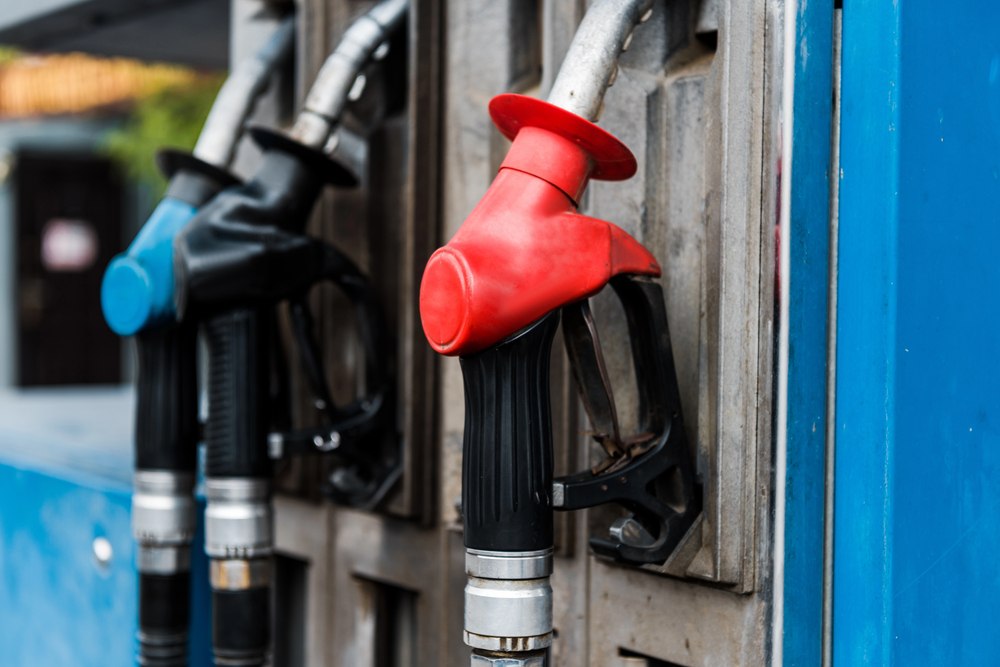
Tajikistan has begun negotiations with China on importing gasoline and diesel fuel as the country grapples with a sharp decline in fuel imports. Prices are rising, and filling stations in Dushanbe are experiencing diesel shortages. The two sides are discussing possible transport routes and which companies in Tajikistan would be authorized to import petroleum products. Tajikistan’s Ministry of Energy and Water Resources, cited by Asia-Plus, said Chinese fuel could be delivered directly through the Kulma border crossing or via Tajikistan’s northern neighbors. The volume and timing of any future deliveries have yet to be agreed, while pricing remains under discussion. Dushanbe is also negotiating increased fuel imports from other Central Asian countries and seeking supplies from Iraq. Agreements have already been reached with Iran on imports of petroleum products and crude oil, although implementation has been postponed because of the armed conflict in the region. Additional supplies from Kazakhstan were discussed during a meeting between President Emomali Rahmon and President Kassym-Jomart Tokayev in Astana on July 29. The talks included the possibility of increasing deliveries of petroleum products from Kazakhstan to the Tajik market. Kazakhstan’s presidential administration said the leaders discussed energy cooperation, along with trade and transport logistics. On July 10, Tajikistan’s Minister of Energy and Water Resources, Daler Juma, said the country had sufficient fuel reserves for approximately 60 days. He added that the government was negotiating with several countries in addition to Russia, which remains Tajikistan’s principal fuel supplier. Fuel imports into Tajikistan have fallen sharply over the past month. During the first half of the year, Russia accounted for 72.3% of all fuel supplied to the Tajik market, while domestic refineries produced only about 0.5% of total supply. The Times of Central Asia previously reported that disruptions in Russia’s fuel market had intensified competition for alternative fuel supplies across Central Asia and increased costs for the region’s most import-dependent economies.

Tajikistan and ADB Discuss Modernization of Tajik Sea Reservoir

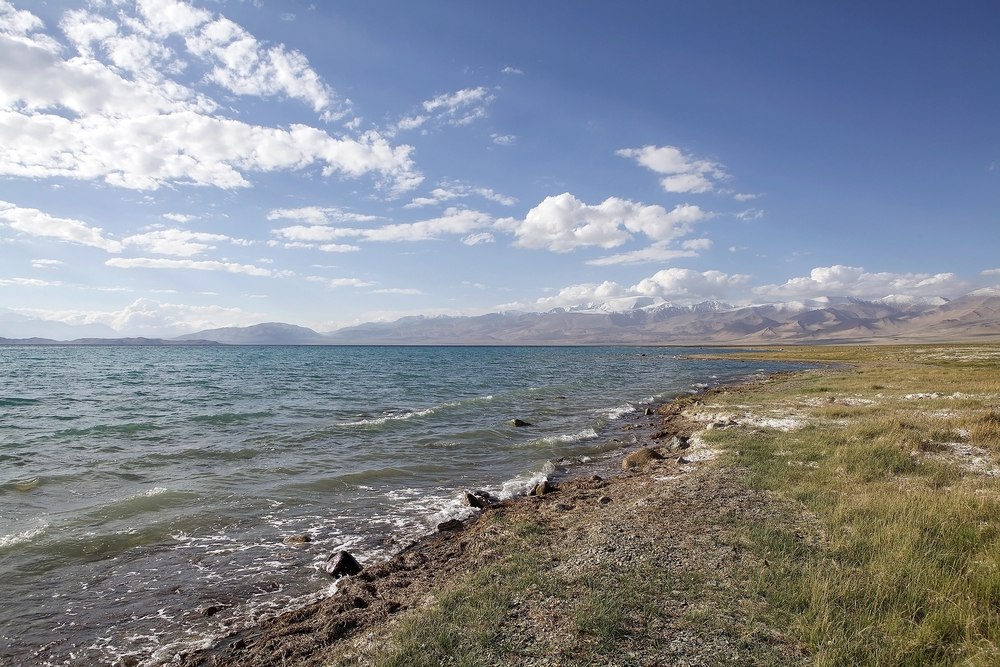
Tajikistan is planning a major modernization of the Tajik Sea reservoir, known until 2016 as the Kayrakkum Reservoir. The project is a strategic water initiative for the country and the wider Central Asian region. Prospects for the project were discussed during a meeting between Tajikistan’s officials and representatives of the Asian Development Bank (ADB) in Ulaanbaatar, according to the Tajik state news agency Khovar. According to Tajikistan’s Ministry of Energy and Water Resources, the talks involved Presidential Economic Adviser Ne’matullo Hikmatullozoda, Energy and Water Resources Minister Daler Juma, ADB Director General for Central and West Asia Leah Gutierrez, and Regional Head of Regional Cooperation and Integration Asad Aleem. The meeting focused on the “Efficient Management of Water Resources of the Bahri Tojik Reservoir” project. Hikmatullozoda described the initiative as one of Tajikistan’s key infrastructure priorities, aimed at adapting to climate change and addressing transboundary water challenges. The work would reinforce the reservoir’s protective dams to reduce flood risks and modernize its pumping stations. It also covers upgrades to irrigation, drainage, and collector systems, along with a digital monitoring system used to control and track water infrastructure. Officials said the project is expected to improve water resource management under changing climate conditions. It is also intended to make irrigation supplies more reliable and expand hydropower generation capacity. A preliminary feasibility study has already been prepared with ADB support. The Tajik Sea is located in Tajikistan’s Sughd Region on the Syr Darya River. The reservoir was created following the construction of a dam and hydropower station to regulate the river’s flow, with filling beginning in the 1950s. Today, the Tajik Sea remains one of the country’s largest reservoirs and an important site for energy production and irrigation. The adjacent Kayrakkum Hydropower Plant generates electricity, while the reservoir supplies water for agriculture across the region.

Tajikistan and Pakistan Agree to Expand Trade and Economic Cooperation

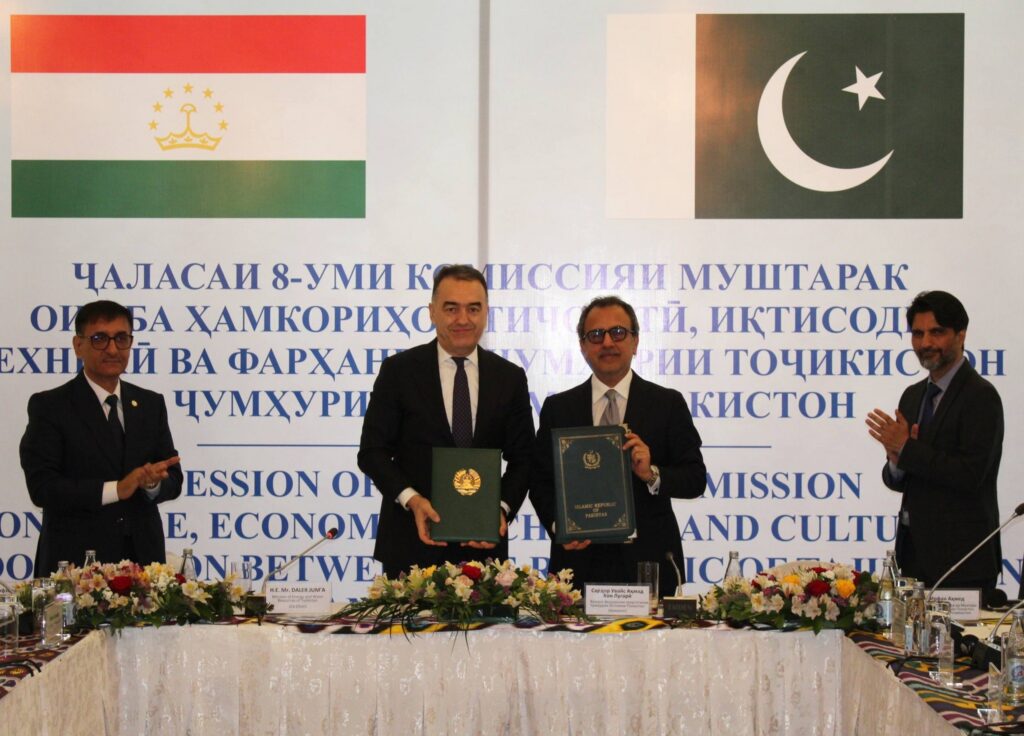
Tajikistan and Pakistan have agreed to deepen trade and economic cooperation following the eighth meeting of their Joint Commission on Trade, Economic, Scientific, and Technical Cooperation in Dushanbe. The meeting concluded with the signing of a protocol outlining measures to expand bilateral cooperation across a range of sectors, including trade, investment, energy, agriculture, and transport. According to Tajikistan’s Ministry of Energy and Water Resources, the discussions also covered banking, education, science and technology, tourism, youth policy, sports, and communications. Tajikistan’s delegation was led by Minister of Energy and Water Resources Daler Juma, while Pakistan was represented by Federal Minister for Energy Sardar Awais Ahmad Khan Leghari. Officials from both countries said bilateral relations have improved in recent years, supported by growing political engagement and economic cooperation. Trade between the two countries reached $43 million in 2025, according to figures presented during the meeting. Bilateral trade totaled $8.9 million in the first quarter of 2026. The two sides agreed on the need to increase trade volumes by expanding the range of goods exchanged, identifying new areas of cooperation, and developing ties between businesses and investors. Particular attention was given to the CASA-1000 electricity transmission project, which aims to export surplus hydropower from Tajikistan and Kyrgyzstan to Afghanistan and Pakistan. Participants described CASA-1000 as a key element of regional energy cooperation and an important platform for expanding economic links between Central and South Asia. The protocol of the commission’s eighth session is expected to help advance future cooperation and support the implementation of joint initiatives. The meeting ended with the signing of the protocol of the commission’s eighth session, which both sides said would help advance future cooperation and support the implementation of joint initiatives.