• KGS/USD = 0.01144 0%
  • KZT/USD = 0.00216 0%
  • TJS/USD = 0.10663 0%
  • UZS/USD = 0.00008 0%
  • TMT/USD = 0.28530 0%
  • KGS/USD = 0.01144 0%
  • KZT/USD = 0.00216 0%
  • TJS/USD = 0.10663 0%
  • UZS/USD = 0.00008 0%
  • TMT/USD = 0.28530 0%
  • KGS/USD = 0.01144 0%
  • KZT/USD = 0.00216 0%
  • TJS/USD = 0.10663 0%
  • UZS/USD = 0.00008 0%
  • TMT/USD = 0.28530 0%
  • KGS/USD = 0.01144 0%
  • KZT/USD = 0.00216 0%
  • TJS/USD = 0.10663 0%
  • UZS/USD = 0.00008 0%
  • TMT/USD = 0.28530 0%
  • KGS/USD = 0.01144 0%
  • KZT/USD = 0.00216 0%
  • TJS/USD = 0.10663 0%
  • UZS/USD = 0.00008 0%
  • TMT/USD = 0.28530 0%
  • KGS/USD = 0.01144 0%
  • KZT/USD = 0.00216 0%
  • TJS/USD = 0.10663 0%
  • UZS/USD = 0.00008 0%
  • TMT/USD = 0.28530 0%
  • KGS/USD = 0.01144 0%
  • KZT/USD = 0.00216 0%
  • TJS/USD = 0.10663 0%
  • UZS/USD = 0.00008 0%
  • TMT/USD = 0.28530 0%
  • KGS/USD = 0.01144 0%
  • KZT/USD = 0.00216 0%
  • TJS/USD = 0.10663 0%
  • UZS/USD = 0.00008 0%
  • TMT/USD = 0.28530 0%

Viewing results 1 - 6 of 27

Shipment of psychotropic substances seized in Almaty

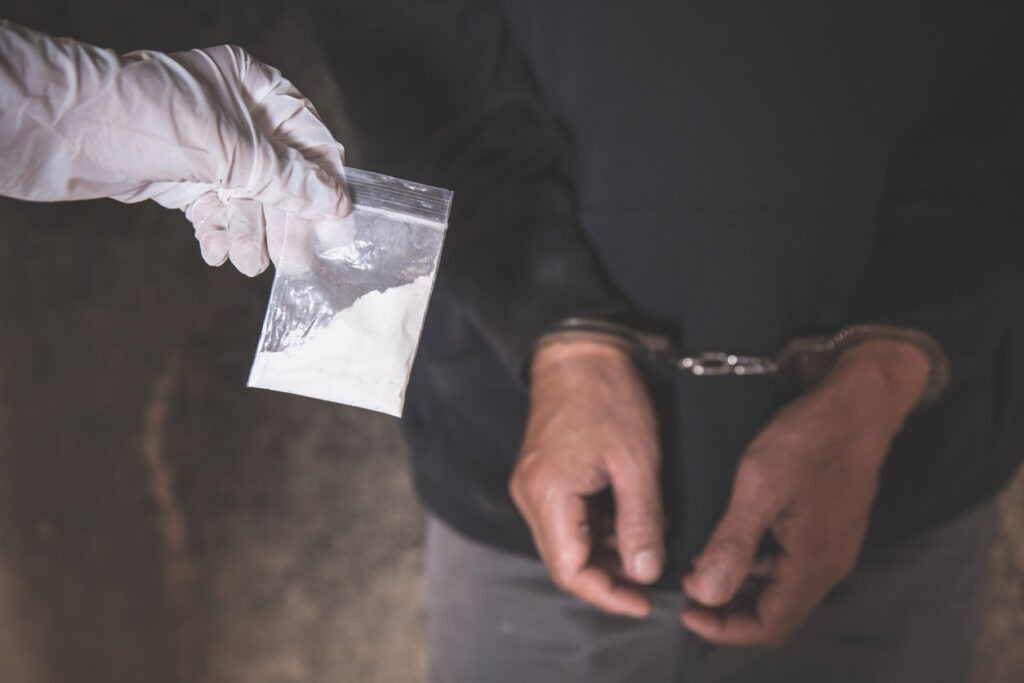
The press service of the National Security Committee has reported the seizure of a record shipment of psychotropic substances in Almaty. The laboratory for the manufacture of synthetic drugs was organized in a private house, which reportedly was rented. The organizer of the illegal drug laboratory was a 26-year-old citizen of Kazakhstan. During the operation, the service seized more than 200kg of finished mephedrone, which is approximately equal to 610,000 single doses, as well as more than 100 liters of raw materials for its subsequent manufacture. Such a volume of finished substances indicates that the laboratory was the largest in the country. The investigation revealed that the entire volume of psychotropic substances was intended for distribution in Kazakhstan. The owner of the drug laboratory has been detained and is in custody awaiting trial. Over the past year, the drug situation in Central Asian countries has been characterized by an increase in the production of opiates and methamphetamine in Afghanistan, the emergence of new types of synthetic drugs and methods of their distribution. The increase in drug turnover in Central Asian countries for 2023 exceeded 100%. From January to September 2023 alone, more than 40 tons of precursors were seized from illicit trafficking, which is 144% or more than in the same period of 2022.

The Impact of the Narcotics Trade in Tajikistan

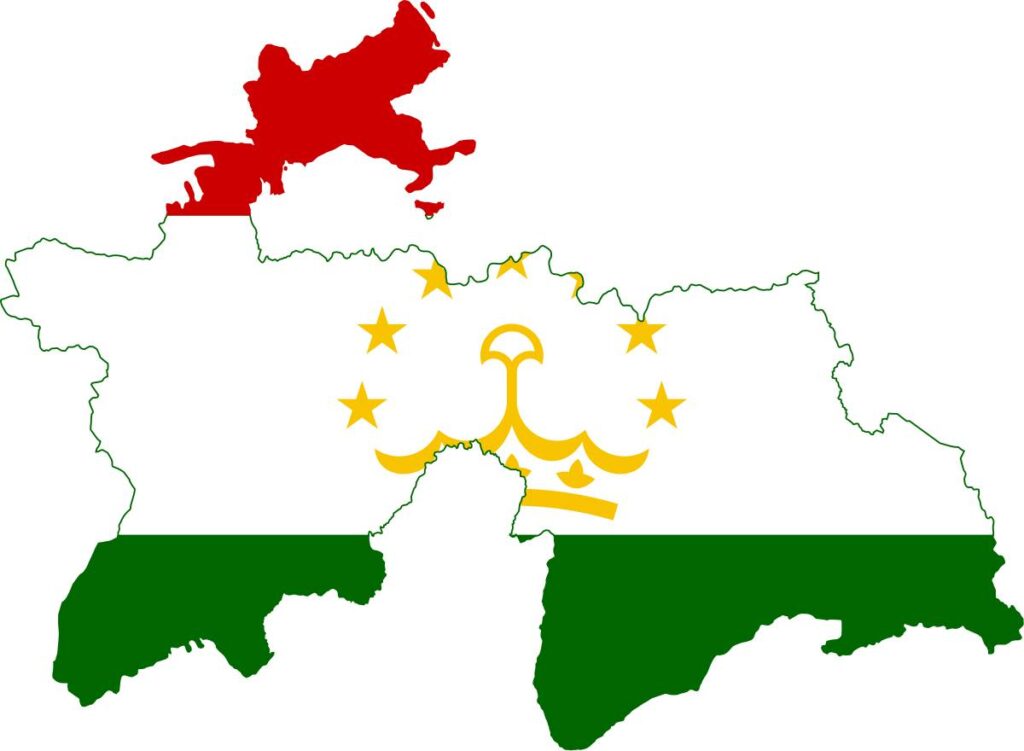
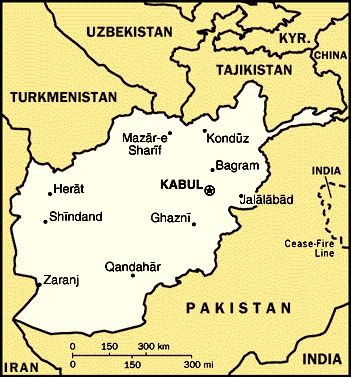
Tajikistan, a Central Asian country, finds itself at the center of a significant narcotics trade route. This landlocked nation borders Afghanistan, a country that as of 2020, accounted for over 80% of global opium production (source). This geographical positioning has led to a profound influence on Tajikistan's social, economic, and political landscape. The narcotics trade has a significant economic impact in Tajikistan, given its strategic location bordering Afghanistan. This illicit trade has both direct and indirect influences on the country's economy. According to Matthew Kahane, the UNDP head in Tajikistan, it has been estimated that the drug trade accounts for 30% to 50% of the country's economy. Furthermore, drug trafficking through Tajikistan was estimated to generate $2.7 billion per year in 2011, potentially surpassing any legitimate source of wealth in the country. However, this income does not contribute to the country's overall economic development. Instead, it fosters corruption, undermines legal economic activities, and concentrates wealth in the hands of drug traffickers and corrupt officials. In addition, the narcotics trade increases the level of crime, corruption and the rich-poor divide. Moreover, Tajikistan's law enforcement agencies receive substantial financial and technical resources from foreign donors to aid them in the fight against drugs. However, the effectiveness of these efforts is questionable given the scale of the narcotics trade. The narcotics trade in Tajikistan has extensive social impacts, affecting various facets of the society ranging from public health to crime rates. One of the most immediate social impacts is the rise in substance abuse, particularly among the youth. In the last ten years, there has been an increase in drug use behavior among the youth in Tajikistan, leading to serious health consequences. Heroin use, in particular, is a significant concern. It not only harms the users but also places a strain on the country's healthcare system, which is ill-equipped to handle the rising number of addicts. The narcotics trade has a significant political impact in Tajikistan. The illicit drug trade has reportedly corrupted parts of Tajikistan's government. The lucrative profits from narcotics have incentivized officials at all levels to tolerate or even engage in drug trafficking. This corruption undermines the legitimacy of public institutions and erodes citizens' trust in their government. The narcotics trade poses a serious security threat. Non-state armed groups often use drug trafficking as a source of funding, which can destabilize the region and exacerbate conflict. In addition, the high levels of crime associated with the drug trade can lead to increased violence and social unrest. The Taliban, a dominant insurgent group in Afghanistan, is implicated in escalating narcotics trafficking in Tajikistan, a situation exacerbated by Afghanistan's instability and corroborated by reports from the UNODC and Eurasianet. Recognizing these challenges, international organizations and governments have developed programs to combat the narcotics trade in Tajikistan. The United Nations Office on Drugs and Crime (UNODC) has implemented several projects aimed at strengthening border control, improving the criminal justice response to drug trafficking, and promoting regional cooperation. Furthermore, the European Union and the...

Kyrgyzstan: Authorities investigate heroin smuggled to Europe as ‘Turkish sweets’

BISHKEK (TCA) — Kyrgyz authorities have launched an investigation into a heroin-smuggling case after customs officials at the German-Polish border discovered 670 kilograms of heroin in a truck that was meant to be transporting sweets to Belgium from a Bishkek-based company, RFE/RL reported. Continue reading

Afghanistan: UN agency reports sharp drop in opium production

KABUL (TCA) — Opium production in Afghanistan dropped by 29 percent last year, the United Nations anti-drug agency reported, a decrease attributed mainly to a severe drought, RFE/RL reports. Continue reading

First ‘clean zone’ for female convicts constructed in Kyrgyzstan with EU support

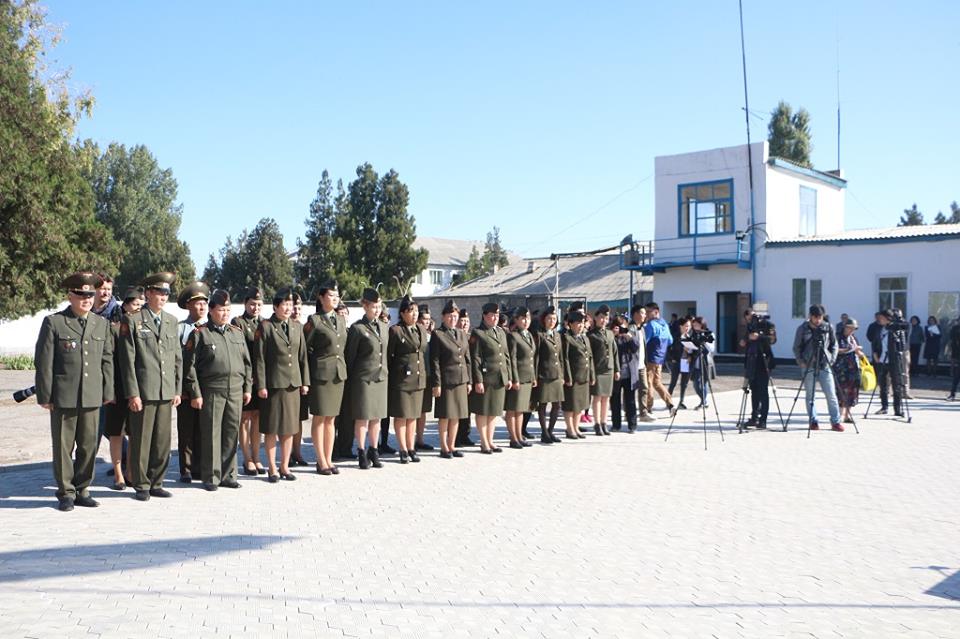
BISHKEK (TCA) — The Central Asia Drug Action Programme (CADAP) on September 26 officially handed over the building of the Rehabilitation and Social Adaptation Centre "Clean zone" based at the correctional institution #2. In the only female correctional institution in Kyrgyzstan located in Stepnoye village, the construction of the “Clean zone” for convicted women who made a choice to quit using psychoactive substances, has been completed. Continue reading

Afghanistan: farmers display crops alternate to poppy at Kabul expo

KABUL (TCA) — The Afghan Ministry of Agriculture, Irrigation and Livestock held an agricultural exhibition in Kabul earlier this week that demonstrated crops “alternate to opium poppy cultivation”, Afghan broadcaster TOLOnews reported. Continue reading