Viewing results 1 - 6 of 213
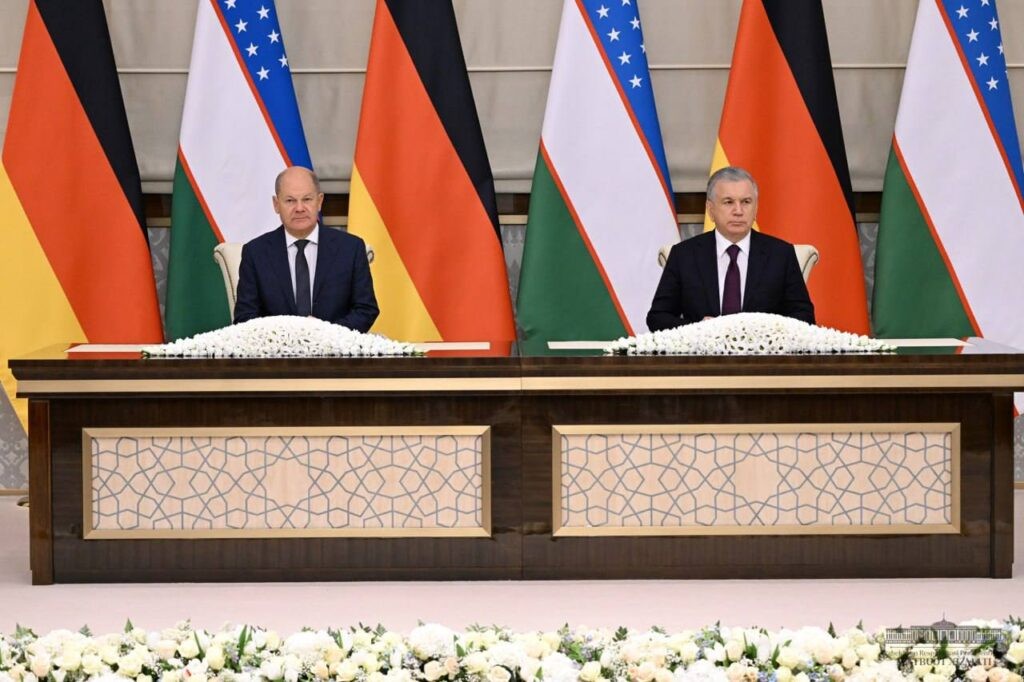
On September 15, German Chancellor Olaf Scholz met with Uzbek president Shavkat Mirziyoyev in Samarkand. Last year the volume of trade between Uzbekistan and Germany exceeded 1 billion euros for the first time. Since the beginning of 2024, German companies have invested over 800 million euros into the Uzbek economy, while in June, the eighth meeting of the Uzbek-German Business Council was successfully held in Tashkent. At the end of the negotiations, Mirziyoyev and Scholz signed eight bilateral documents, including agreements in the fields of migration, use of water resources, essential minerals, transport and climate change. Additionally, Mirziyoyev and Scholz participated in the opening ceremony of the new Academy of Public Administration, which the Uzbek government has recently built in cooperation with the Hans Seidel Foundation and the Bavarian School of Public Administration. Scholz will also participate in a C5+1 meeting in Kazakhstan on September 17 with the leaders of Kazakhstan, Kyrgyzstan, Uzbekistan, Turkmenistan, and Tajikistan.
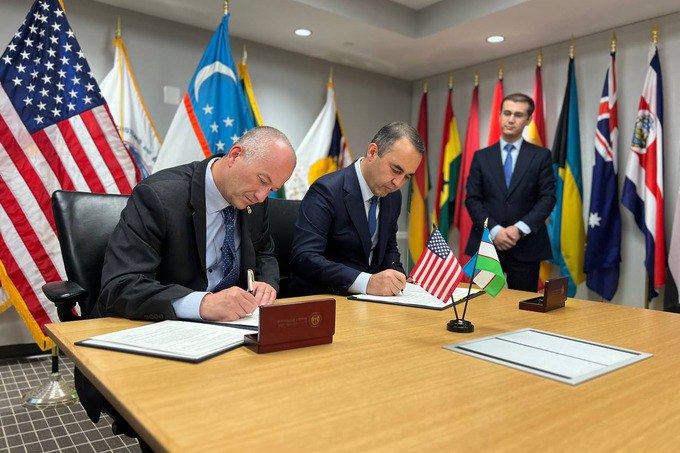
The heads of the Uzbek and American customs services have signed an agreement “On Cooperation and Mutual Assistance,” an essential legal basis of cooperation in customs. The deal was signed in a bilateral meeting between the Chairman of the Uzbekistan's Customs Committee, Akmalkhuja Mavlonov, and the Commissioner of the U.S. Customs Border Service, Troy Miller. Prior to Uzbekistan, the United States had signed such bilateral agreements on customs cooperation with only 17 other countries. After establishing diplomatic relations between Uzbekistan and the USA, an official face-to-face meeting between the heads of the customs services of the two countries is being held for the first time in the past 32 years. Uzbekistan’s foreign trade in goods with the USA has increased by 48% in the last six years. In the first eight months of this year, this indicator increased by 64% compared to 2023. Establishing cooperation and information exchange between the two countries' customs services can further increase foreign trade. That’s why negotiations focused on urgent issues such as risk monitoring in customs, digitalization of customs procedures, and effective use of human resources. The negotiations addressed the potential for U.S. Border and Customs Service specialists to be brought to Uzbekistan, as well as opportunities for Uzbek specialists to enhance their skills in the United States. The Times of Central Asia has previously written that an American think tank, the Center for Strategic and International Studies (CSIS), has recently called on American politicians to turn Uzbekistan into a valuable partner.
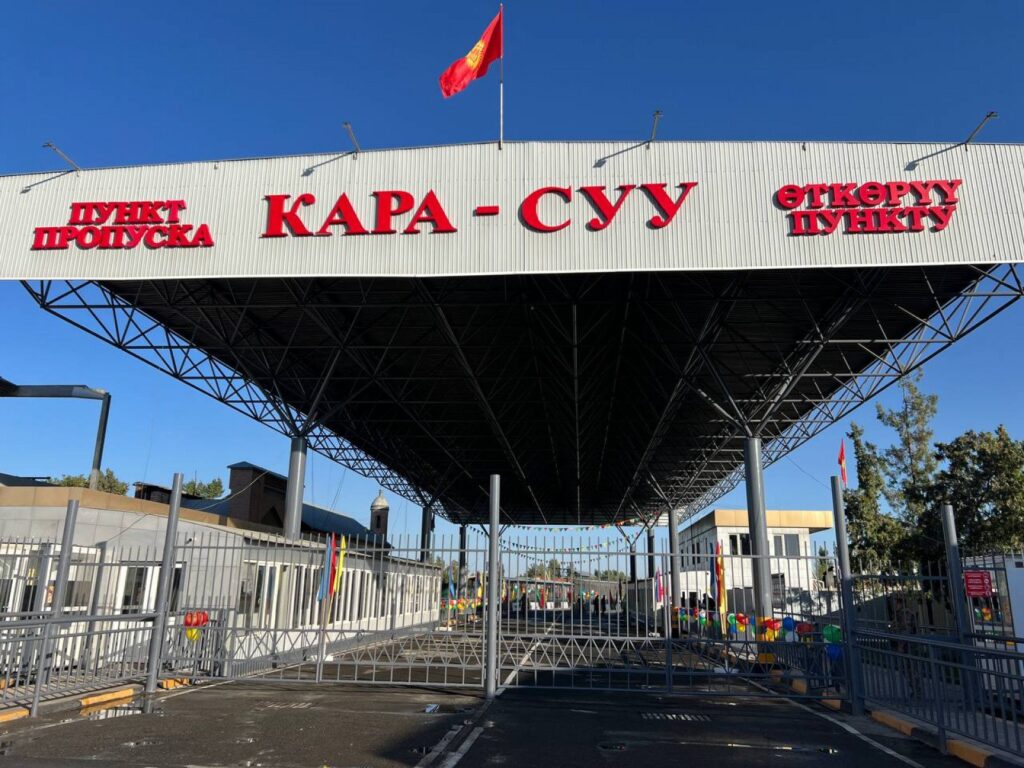
On September 12, the Kara-Suu checkpoint was reopened at the border between Kyrgyzstan and Uzbekistan. Located near the town of Kara-Suu in Kyrgyzstan’s southern Osh region, on the border with Uzbekistan’s Andijan region, the Kara-Suu crossing was closed 14 years ago. It has reopened amid the two neighboring states' improved political and economic relations. Speaking at the checkpoint's opening ceremony, Bakyt Torobaev, the Deputy Chairman of Kyrgyzstan’s Cabinet of Ministers, emphasized that its reopening will be beneficial to citizens of both countries. "Previously, many Kyrgyz and Uzbek citizens had to stand in lines at the Dostuk checkpoint to cross the border. The opening of Kara-Suu will solve the problem of queues when crossing the border. The opening of this checkpoint is an important step towards strengthening economic, social, and cultural ties between our countries and increasing tourist flows," Torobaev said. On the same day, the renovated Ken-Sai and Uch-Kurgan border checkpoints were opened between the Jalal-Abad region in Kyrgyzstan and the Namangan region of Uzbekistan. According to official statistics, more than 14 million people crossed the Kyrgyz-Uzbek border in 2023, and in the first eight months of 2024, this figure reached 11 million, 1.5 million more than in the same period last year. In 2023, trade between Kyrgyzstan and Uzbekistan amounted to $693.6 million. In the first seven months of 2024, it reached $428 million, a 6.7% increase compared to the same period in 2023. During a state visit to Uzbekistan back in July, Kyrgyzstan’s President Sadyr Japarov and Uzbek President Shavkat Mirziyoyev focused on measures to increase bilateral trade to $2 billion in the coming years and launch a “green-light corridor” for the transportation of agricultural produce between the two countries.
The German company "Linding Group" is set to invest about $10 million in assembling airplanes in Almaty, pending necessary permits from the government. Based in the economic zone “PIT ‘Alatau", production will begin in 2026. During the first year, 20 airplanes will be assembled, rising to 50 units annually thereafter. Kazakhstan is already engaged in several joint projects with foreign enterprises in aircraft production. One such project involves the "Russian Helicopters" company. Within the framework of the agreement with Kazakhstan's aircraft repair plant No. 405, a large-unit assembly of Mi-8AMT and Mi-171E helicopters was launched in Almaty, predominantly serving the Ministry of Emergency Situations and the National Guard of Kazakhstan. A further example of international cooperation is the contract between the Ural Civil Aviation Plant and Kazakhstan Aviation Industry (KAI) to produce the Baikal multi-purpose airplane. When fully assembled by the end of this year, the airplanes will be delivered to markets in Europe and Africa. The realization of all of these projects will both strengthen Kazakhstan's aviation industry and increase its presence in international aviation markets.
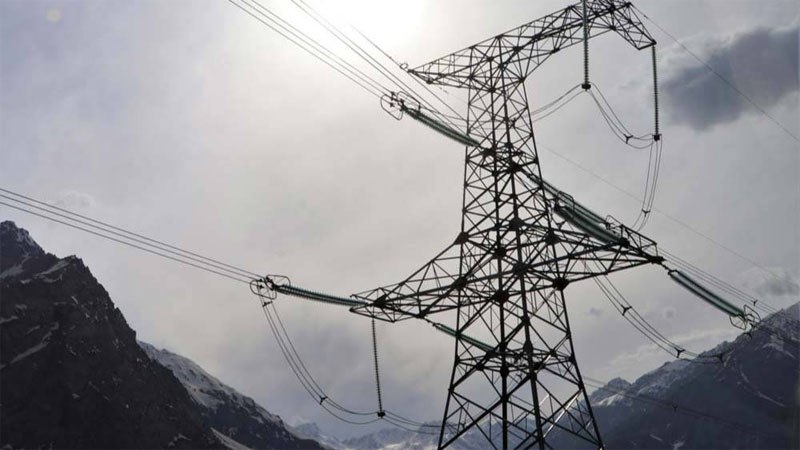
Russian Energy Minister Sergey Tsivilev has announced that the Russian and Uzbek energy ministries have agreed to connect the Russian “System Operator” to Central Asia's Unified Energy System (UES). The connection itself is expected to happen soon. Uzbekistan's Minister for Energy, Zhurabek Mirzamakhmudov, has commented that this move will ensure the security and stability of the energy system in the region. These measures are expected to allow prompt response to problems in energy supply and avoid interruptions. In addition, Inter RAO has announced that it is preparing to export electricity to Uzbekistan, with the start of supplies scheduled for this fall. Central Asia's Unified Energy System was created in the 1970s. It is managed by the coordination and dispatch center in Tashkent, and allows the balancing of seasonal fluctuations in demand for electricity and water needs during the irrigation period. It currently includes Uzbekistan, Kyrgyzstan, Kazakhstan and Turkmenistan. In May it became official that Tajikistan would join the system.
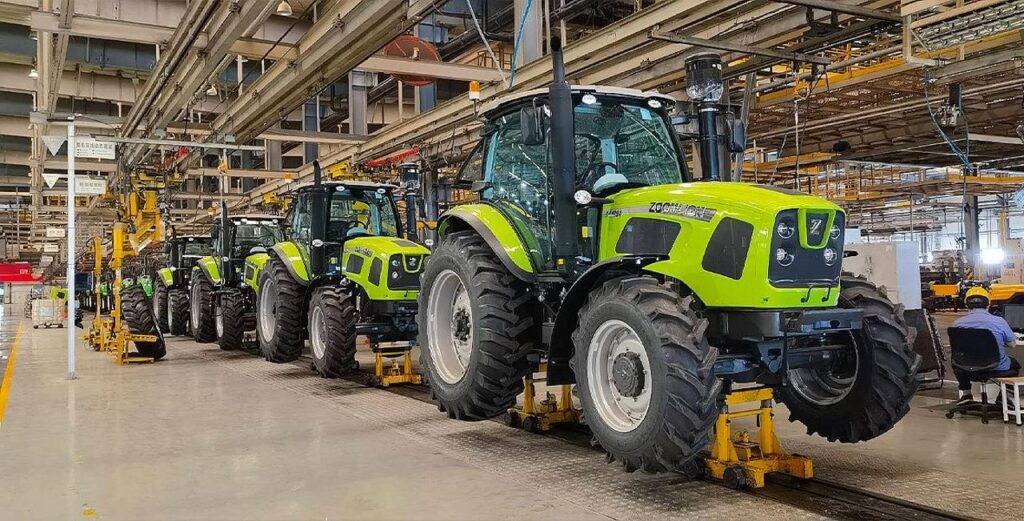
China’s Zoomlion Agriculture Machinery Co., Ltd., a leader in agricultural machinery production, is manufacturing tractors in Kazakhstan in cooperation with a local company, QazTehna. The plan is to produce up to 700 tractors per year at a plant in Saran in the Karaganda region, the Kazakh Ministry of Industry and Construction announced. Kazakhstan is one of the world's largest producers of grain crops, with a total sown area of more than 24 million hectares. The country needs sufficient agricultural machinery to ensure agricultural production in such a vast area. The renewal of outdated agricultural machinery remains a pressing challenge for Kazakhstan’s agro-industrial sector. According to the Ministry of Agriculture, there are 149,800 tractors in the country today, but the average wear of the machines is very high. According to the Ministry of Industry, the production capacity of Kazakhstan’s manufacturing plants fully meets the domestic demand for tractors and combines, with more than 80% of all tractors and combines purchased in Kazakhstan in recent years being domestic production. Kazakhstan has eight plants manufacturing more than ten brands and 120 models and modifications of tractors of different capacities, from 11 to 575 horsepower.