• KGS/USD = 0.01144 0%
  • KZT/USD = 0.00205 0%
  • TJS/USD = 0.10429 0.29%
  • UZS/USD = 0.00008 0%
  • TMT/USD = 0.28571 0.28%
  • KGS/USD = 0.01144 0%
  • KZT/USD = 0.00205 0%
  • TJS/USD = 0.10429 0.29%
  • UZS/USD = 0.00008 0%
  • TMT/USD = 0.28571 0.28%
  • KGS/USD = 0.01144 0%
  • KZT/USD = 0.00205 0%
  • TJS/USD = 0.10429 0.29%
  • UZS/USD = 0.00008 0%
  • TMT/USD = 0.28571 0.28%
  • KGS/USD = 0.01144 0%
  • KZT/USD = 0.00205 0%
  • TJS/USD = 0.10429 0.29%
  • UZS/USD = 0.00008 0%
  • TMT/USD = 0.28571 0.28%
  • KGS/USD = 0.01144 0%
  • KZT/USD = 0.00205 0%
  • TJS/USD = 0.10429 0.29%
  • UZS/USD = 0.00008 0%
  • TMT/USD = 0.28571 0.28%
  • KGS/USD = 0.01144 0%
  • KZT/USD = 0.00205 0%
  • TJS/USD = 0.10429 0.29%
  • UZS/USD = 0.00008 0%
  • TMT/USD = 0.28571 0.28%
  • KGS/USD = 0.01144 0%
  • KZT/USD = 0.00205 0%
  • TJS/USD = 0.10429 0.29%
  • UZS/USD = 0.00008 0%
  • TMT/USD = 0.28571 0.28%
  • KGS/USD = 0.01144 0%
  • KZT/USD = 0.00205 0%
  • TJS/USD = 0.10429 0.29%
  • UZS/USD = 0.00008 0%
  • TMT/USD = 0.28571 0.28%

Viewing results 1 - 6 of 41

Kyrgyz Authorities Tighten Control Over Energy Resource Usage

Kyrgyzstan has enacted a new law mandating efficient and rational use of energy resources across all enterprises, both state-owned and private​. The law establishes a dedicated government body tasked with inspecting organizations, enterprises, and buildings to ensure compliance with energy efficiency standards, regardless of ownership. This legislation, previously approved by parliament, assigns local state administrations and municipal authorities the responsibility of ensuring energy efficiency in buildings under their jurisdiction. This includes the adoption of highly efficient energy-consuming devices and equipment. The new law also requires authorities to provide consumers with metering devices for electricity, natural gas, and heat energy. These devices are to be installed in facilities where they are currently absent, allowing for more accurate monitoring and management of energy consumption. Kyrgyzstan continues to face an electricity deficit of 3.9 billion kilowatt-hours, exacerbated by economic growth, increased industrial activity, and rising energy demand​. Despite ongoing efforts, such as the construction of new hydroelectric power plants and importing electricity from neighboring countries, the shortage persists. This has resulted in rolling blackouts across nearly all regions during winter months. As previously reported by The Times of Central Asia, these shortages highlight the urgency of implementing measures to conserve energy​. President Sadyr Japarov has criticized citizens for their lack of responsibility in conserving natural resources. He expressed optimism that the new law would encourage greater accountability and help reduce electricity and heat consumption. By emphasizing energy efficiency and resource management, Kyrgyzstan aims to address its energy challenges while promoting sustainable development.
Afghanistan Extends Electricity Import Agreement with Uzbekistan Until 2025

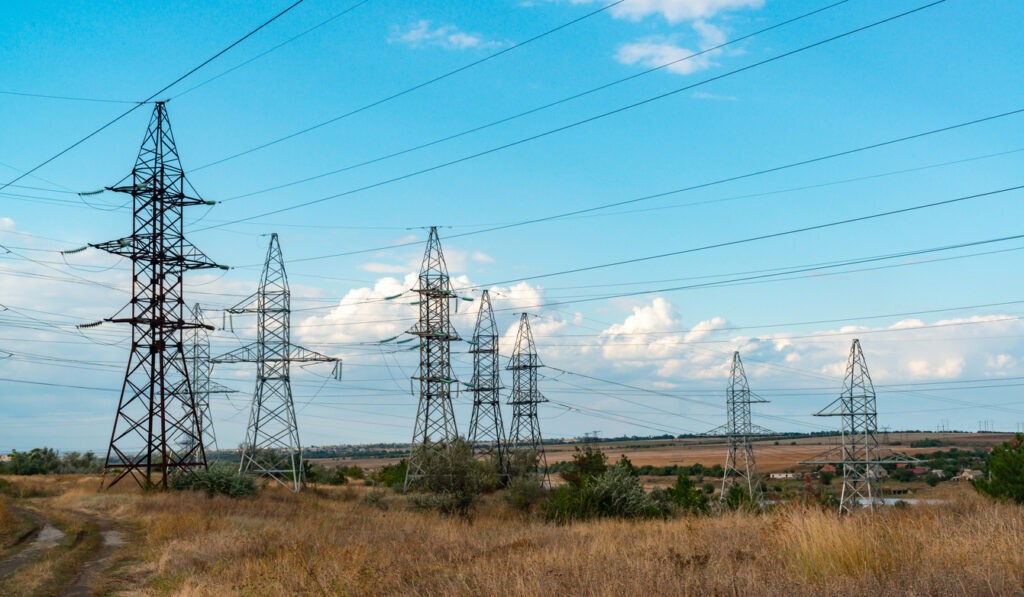
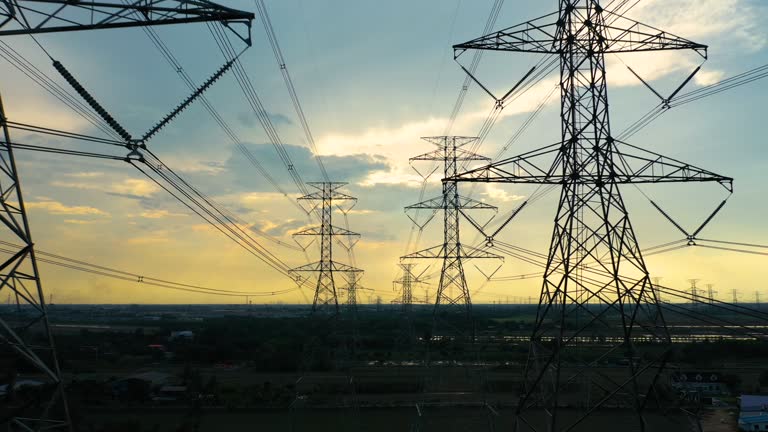
Afghanistan’s state-owned power company, Da Afghanistan Breshna Sherkat (DABS), has extended its electricity import agreement with Uzbekistan through the end of 2025. The agreement was signed in Uzbekistan by Abdul Bari Umar, the Taliban’s acting head of DABS, and representatives from the National Electricity Company of Uzbekistan. This extension is vital for Afghanistan, where unreliable electricity continues to affect millions of people. According to the Ministry of Energy and Water under Taliban control, the country requires 1,500 megawatts of electricity. Of this, approximately 720 megawatts are imported, while the remainder is generated domestically. Afghanistan remains heavily reliant on neighboring countries for power due to its limited domestic production capacity. Residents of Kabul and other regions frequently endure prolonged outages, fueling public frustration over the lack of a consistent power supply. In recent months, DABS reported disruptions in electricity imports from Uzbekistan and Turkmenistan, leaving many areas without power. The outages were attributed to technical issues on the Uzbek side and storm-related problems in Turkmenistan. Both issues have since been resolved, and electricity transmission to Afghanistan has been restored. The extended agreement with Uzbekistan represents a critical step in addressing Afghanistan’s energy needs, though long-term solutions to bolster domestic electricity production remain essential.

Afghanistan’s Electricity Restored Following Supply Issues from Uzbekistan and Turkmenistan

The Afghan Power Supply Company, Da Afghanistan Breshna Sherkat (DABS), recently announced disruptions in electricity imports from Uzbekistan and Turkmenistan. This has left many regions in darkness and sparked public dissatisfaction over the lack of a reliable power supply. The interruptions stemmed from technical problems on the Uzbek side and hurricane-related issues in Turkmenistan. Uzbek authorities confirmed that they were working to resolve the issue swiftly. On December 15, DABS confirmed that the technical issues had been resolved and normal electricity supply from both Uzbekistan and Turkmenistan had been fully restored. Afghanistan relies heavily on electricity imports from neighboring countries, particularly Uzbekistan. In 2023, Uzbekistan extended its contract to export electricity to Afghanistan, underscoring the continued energy partnership between the two nations. In earlier discussions, Afghanistan offered Uzbekistan opportunities to invest in its natural resources, including oil, gas, and copper deposits in the provinces of Ghazni and Herat, along with the potential to establish mineral processing plants.

At Start of Winter Freeze, Kyrgyzstan’s Electricity Demand Hits Record High

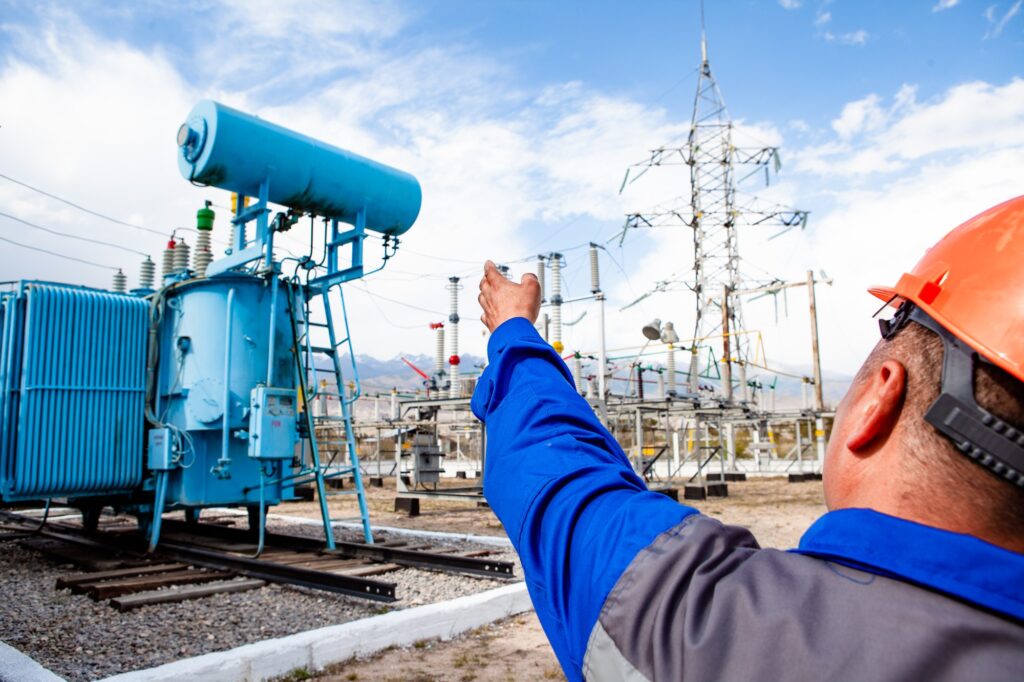
Kyrgyzstan’s Ministry of Energy reported a record-breaking electricity consumption of 3,612 MW on December 12, with daily usage reaching 78.931 million kWh, the highest in the country’s history. The rise in electricity usage is attributed to low temperatures across the country, as residents rely heavily on electric heating. This figure surpasses the previous record set on December 14, 2022, when electricity consumption reached 3,401 MW or 73.370 million kWh. According to the Ministry, the surge in consumption has overloaded grid equipment in certain areas. To prevent failures, power distribution companies are switching users to alternative feeders, causing temporary outages of one to two hours. Without such measures, critical equipment could fail. For example, a 220 kV transformer with a capacity of 250 MW costs $1.5 million and requires 150 days for manufacturing and delivery, followed by one to one and a half months for installation. To alleviate this strain, the Ministry has called on citizens to conserve electricity wherever possible. The Toktogul Hydroelectric Power Plant (HPP), Kyrgyzstan’s largest, is currently operating at its maximum generating capacity of 1,260 MW, with a daily output of 27.528 million kWh. Located on the Naryn River, the plant supplies approximately 40 percent of the country’s electricity. The Toktogul reservoir began the winter season with a water volume of 13.257 billion cubic meters, 1.5 billion more than the previous year. However, due to the recent surge in electricity usage, more than 1 billion cubic meters of this surplus have already been consumed. As of December 12, the reservoir held 12.234 billion cubic meters of water. The Ministry of Energy warns that if current consumption levels persist, the reservoir could drop to 6.2 billion cubic meters by April 1, 2025 — close to the critical or “dead” level of 5.5 billion cubic meters, at which point the plant would no longer be able to generate electricity. The Ministry continues to urge the public to use electricity sparingly to avoid this outcome.

Kazakhstan’s Power Grid Revamp Secures €267 Million Backing from EBRD and Canada

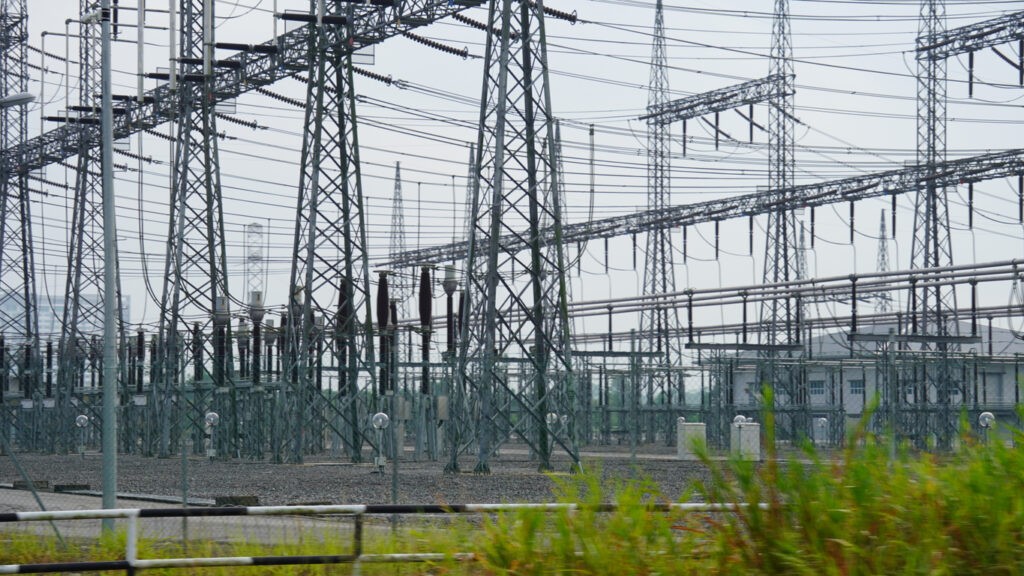
The European Bank for Reconstruction and Development (EBRD) has announced a €267 million financing package for the Kazakhstan Electricity Grid Operating Company (KEGOC) to enhance the reliability of the country’s power supply system. The funding comprises a €252 million EBRD loan and a €15 million concessional loan from the Government of Canada. The financial support will enable KEGOC, which oversees more than 27,800 kilometers of overhead transmission lines, to construct approximately 600 kilometers of 500 kV transmission infrastructure. This will facilitate the integration of the West Kazakhstan Power System into the country’s Unified Power System. The initiative is part of the EBRD’s broader efforts to assist Kazakhstan in implementing its long-term decarbonization strategy, aimed at achieving carbon neutrality in the power sector by 2060. It will improve the electricity supply for residents in western Kazakhstan and enable the integration of up to 12 GW of renewable energy capacity nationwide by 2030. Currently, Kazakhstan’s power grid is divided into three separate systems. While the EBRD connected the northern and southern grids in 2004, the West Kazakhstan Power System remains isolated. The project includes the construction of the 500 kV Karabatan-Ulke power line along the Atyrau-Aktobe motorway, the 500 kV Karabatan substation, and the expansion of the switchyards at the Karabatan (220 kV) and Ulke (500 kV) substations. These upgrades will strengthen domestic interconnections and enhance power supply reliability in western Kazakhstan. In addition to infrastructure improvements, the project is expected to reduce annual CO2 emissions by over 200,000 tons. It is supported by grant funding from the Government of Japan. The EBRD will also provide KEGOC with technical assistance, including piloting digital technologies within the grid, bolstering the system’s resilience to potential cyberattacks, and introducing gender-responsive training programs.

Kyrgyzstan’s Largest Hydropower Plant Boosts Generating Capacity

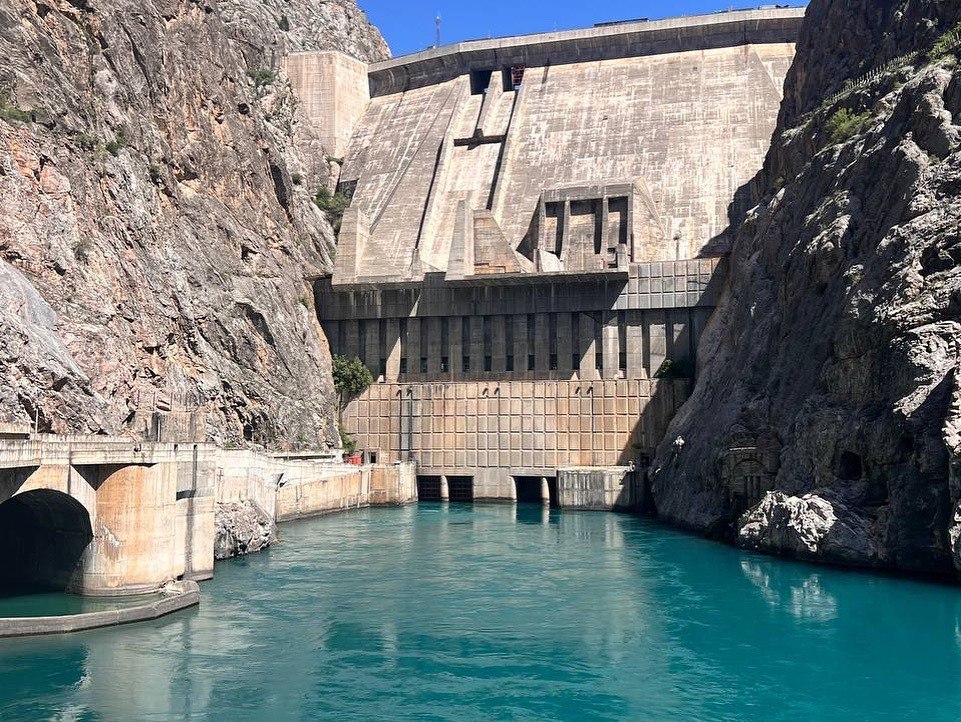
On November 19, Kyrgyzstan launched the modernized hydroelectric generating unit No. 1 at the Toktogul Hydroelectric Power Plant (HPP), the country’s largest power facility. Located on the Naryn River, the Toktogul HPP generates approximately 40% of Kyrgyzstan’s electricity. The modernization of hydroelectric unit No. 1 began in March 2024 and has increased its generating capacity by 60 MW. Prior to this upgrade, the Toktogul HPP had a total capacity of 1,200 MW, with each of its four units producing 300 MW. Two units had already been upgraded in previous phases, collectively adding 120 MW to the plant's total capacity. The reconstruction of the fourth and final hydroelectric unit is scheduled for 2025. Once the modernization project is complete, Toktogul HPP will gain an additional 240 MW of generating capacity, extending its service life by 25–30 years. The $210 million rehabilitation project is funded by a $110 million loan from the Asian Development Bank (ADB) and $100 million from the Eurasian Fund for Stabilization and Development (EFSD). With a total volume of 19.5 billion cubic meters, the Toktogul HPP reservoir plays a dual role in meeting Kyrgyzstan's energy demands and providing essential irrigation water to Kazakhstan and Uzbekistan. During the winter, increased water releases are used to generate electricity for Kyrgyzstan, while summer releases support irrigation for southern Kazakhstan’s dry regions. As of November 19, 2024, the Toktogul reservoir contained 12.991 billion cubic meters of water, compared to 11.694 billion cubic meters on the same date in 2023. The reservoir currently receives 246 cubic meters of water per second and releases 488 cubic meters per second. Despite this year’s higher water levels, Kyrgyzstan continues to face electricity shortages, according to Energy Minister Taalaibek Ibrayev. Toktogul HPP's modernization and efficient management of water resources remain critical to addressing these challenges and ensuring regional energy and water security.