• KGS/USD = 0.01144 0%
  • KZT/USD = 0.00216 0%
  • TJS/USD = 0.10682 0%
  • UZS/USD = 0.00008 0%
  • TMT/USD = 0.28490 0%
  • KGS/USD = 0.01144 0%
  • KZT/USD = 0.00216 0%
  • TJS/USD = 0.10682 0%
  • UZS/USD = 0.00008 0%
  • TMT/USD = 0.28490 0%
  • KGS/USD = 0.01144 0%
  • KZT/USD = 0.00216 0%
  • TJS/USD = 0.10682 0%
  • UZS/USD = 0.00008 0%
  • TMT/USD = 0.28490 0%
  • KGS/USD = 0.01144 0%
  • KZT/USD = 0.00216 0%
  • TJS/USD = 0.10682 0%
  • UZS/USD = 0.00008 0%
  • TMT/USD = 0.28490 0%
  • KGS/USD = 0.01144 0%
  • KZT/USD = 0.00216 0%
  • TJS/USD = 0.10682 0%
  • UZS/USD = 0.00008 0%
  • TMT/USD = 0.28490 0%
  • KGS/USD = 0.01144 0%
  • KZT/USD = 0.00216 0%
  • TJS/USD = 0.10682 0%
  • UZS/USD = 0.00008 0%
  • TMT/USD = 0.28490 0%
  • KGS/USD = 0.01144 0%
  • KZT/USD = 0.00216 0%
  • TJS/USD = 0.10682 0%
  • UZS/USD = 0.00008 0%
  • TMT/USD = 0.28490 0%
  • KGS/USD = 0.01144 0%
  • KZT/USD = 0.00216 0%
  • TJS/USD = 0.10682 0%
  • UZS/USD = 0.00008 0%
  • TMT/USD = 0.28490 0%

Viewing results 1 - 6 of 55

Central Asia to Develop a Unified Platform for Electricity Trade

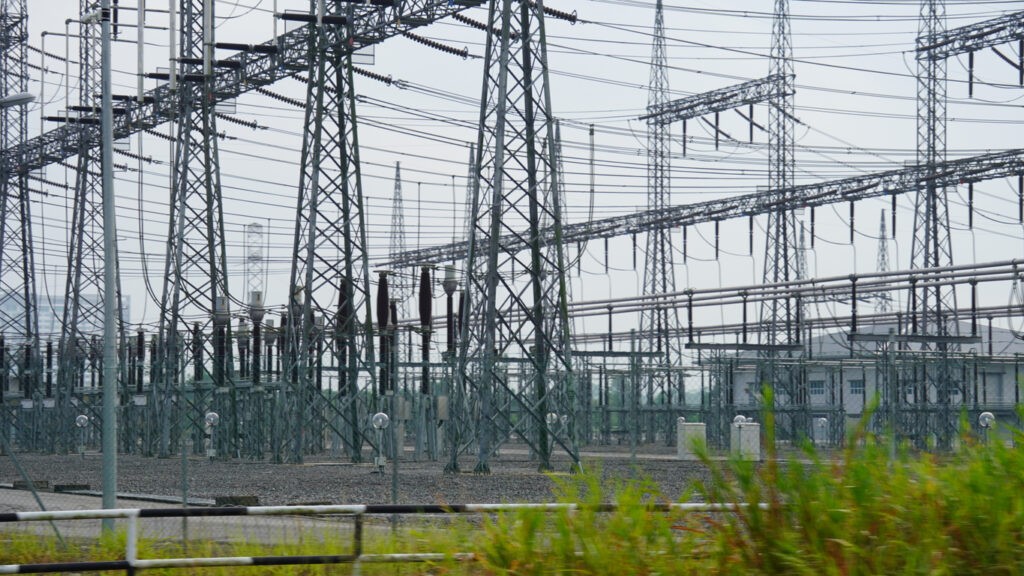
Uzbekistan's Deputy Minister for Energy Umid Mamadaminov announced at the European Economic Days in Tashkent on November 6 that a unified platform for electricity trade is being developed in Central Asia. Mamadaminov said that Uzbekistan is developing this platform with the support of the World Bank and other partners. “Infrastructure is very important for integrating renewable energy sources such as wind and solar, and many countries face this problem. We need at least 5,000 km of power lines, including 500 kV and 200 kV high-voltage lines and substations,” Mamadaminov said. At least 2,000 km of power lines should be built in the next two years. “We have already signed contracts to install more than 2,000 MW of energy storage systems with a total capacity of more than 400 MW, as each is a two-cycle network. We will have at least 4,000 MW of basic capacity in the next two years. This helps to respond to fluctuations in solar energy production quickly,” the deputy minister said. According to Mamadaminov, automation is the main problem in integrating renewable energy sources into the electric grid because the system cannot be controlled without it. In addition, this year, reforms to modernize and regulate energy consumption, including a new plan developed by the Cabinet of Ministers, were implemented in Uzbekistan. Uzbekistan’s energy system, especially electricity generation, relies heavily on fossil fuels. However, the country aims to produce 25% of its electricity from renewable sources by 2030. Uzbekistan plans to focus on solar energy while using wind, biomass, and hydro sources to achieve this goal. The government is working to attract investors to build 8 GW of solar and wind power and increase hydroelectric capacity to 1.935 GW by 2030. Biogas production from biomass and organic waste will also be developed.

Uzbekistan and China Strengthen Partnership in Nuclear Energy Development

On November 4 during Uzbekistan’s participation in EXPO 2024 in Shanghai, Uzbekistan’s Atomic Energy Agency officials met with Wei Fuqi, General Director of the China National Nuclear Corporation Overseas Ltd (CNOS). They discussed opportunities for collaboration in nuclear energy and other potential joint projects. The Uzbek officials and CNOS reached agreements on cooperation in the peaceful use of nuclear energy, a detailed review of the possibilities of adopting China’s advanced experience in nuclear power plant construction, and studying the possibilities of using China’s small modular reactors. The parties also talked about cooperating to expand uranium ore mining capacity, processing, production and export of finished products with high added value, and subsequent fuel use in nuclear power plants. Uzbekistan is consistently reforming its nuclear program. China has confirmed that it is interested in strengthening bilateral relations in all areas of nuclear technology.

Kazakhstan’s Energy Ministry Discusses Nuclear Plant Construction With South Korea

From October 22 to 25, a delegation from Kazakhstan led by Energy Minister Almasadam Satkaliev visited South Korea. As part of the visit, meetings were held with representatives of leading Korean energy companies and government agencies. The key topics of the talks were cooperation issues in the nuclear power industry. In addition, at the meeting with the South Korean Minister of Trade, Industry, and Energy, they discussed opportunities to expand cooperation in the oil and gas sector and renewable energy. Satkaliev also met with the management of major Korean companies, including Doosan Enerbility, Korea Hydro & Nuclear Power (KHNP), Korea Electric Power Corporation (KEPCO), Korea National Oil Corporation (KNOC), and Samsung C&T. During the talks, the parties considered the prospects of Korean companies participating in an international consortium, which Kazakhstan is studying as a model for implementing the project to build a nuclear power plant. As the minister specified, the final decision on this issue is expected in 2025. Negotiations with Doosan Enerbility concluded with the signing of a memorandum of understanding. This document provides for studying opportunities to localize the Korean company's operation in Kazakhstan and establish a representative office of the plant in Astana. Now, Doosan Enerbility cooperates with Kazakhstan to construct a gas turbine power plant with a capacity of 1000 MW in the Turkestan region. In addition, the company, together with KEPCO KPS, is conducting a technical audit of Kazakhstan's energy infrastructure to reduce emissions and extend the life of the equipment. After the October 6 referendum, in which Kazakhstanis supported the construction of the first nuclear power plant, President Kasym-Jomart Tokayev proposed the creation of an international consortium to implement the project. He emphasized that this project requires the participation of the world's leading companies with modern technology and experience to ensure the safety and efficiency of construction. Russia's Rosatom, South Korea's KHNP, France's EDF, and China's CNNC are considered potential participants. These companies are expected to work together to transfer technology and attract investment, which is particularly important for Kazakhstan as it seeks to reduce energy dependence and strengthen the country's energy security. Construction of the plant is planned to begin on the shores of Lake Balkhash and be completed by 2035. A final decision on the structure of the consortium is expected by 2025.

Kazakhstan Plans to Equate Nuclear Energy With “Green” Energy

Kazakhstan plans to equate nuclear power with renewable energy sources (RES), such as solar and wind power, and extend to it the same benefits that already apply to them. The Energy Ministry has drafted a bill to incentivize alternative energy sources as part of the transition to a green economy, including the development of hydrogen energy. According to a document published on October 18 on the Open Regulatory Legal Acts portal, the discussion will last until November 11. One of the main problems identified in the draft is the need for legislative preferences for nuclear power despite its potential as an environmentally friendly source. In 2023, the share of RES in Kazakhstan was only about 6% of total electricity generation, emphasizing the need to develop alternative sources to reduce carbon emissions. Kazakhstan intends to follow the EU's example. In 2022, the EU recognized nuclear power as “green.” This recognition opens the way to receiving benefits and subsidies for future nuclear projects, including Kazakhstan's first atomic power plant. At the same time, the bill's authors noted that the analysis of international experience points to the constant clarification and supplementation of legislation considering current realities (technology development, market structure, global experience, and the current situation in the country). In particular, in Germany, the law on renewable (alternative) energy sources has undergone six amendments, including an increase in the targets for using alternative energy sources, adjustment of support measures taking into account the achieved level, and so on. Since 2000, various programs have been developed in Poland to supplement and clarify the different incentives for developing alternative energy sources.

Kazakhstan, Kyrgyzstan and Uzbekistan Determine Operating Mode for Toktogul Reservoir

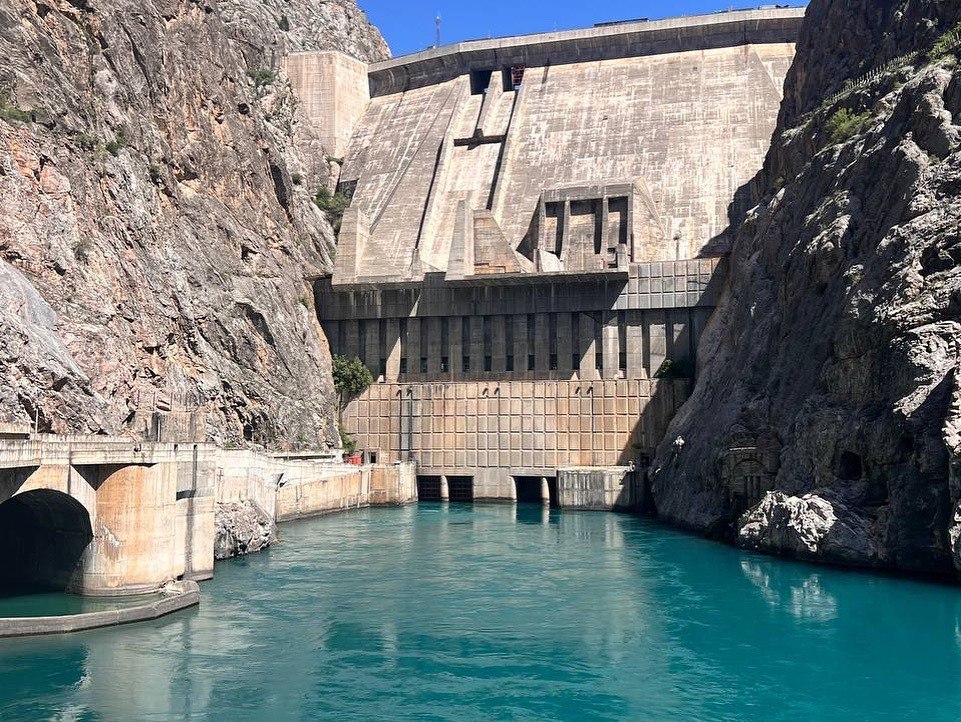
Following a meeting in Tashkent to coordinate the region's water and energy balance, ministers from Kazakhstan, Kyrgyzstan, and Uzbekistan determined a preliminary operating mode for Kyrgyzstan’s Toktogul reservoir for the autumn-winter period. Kyrgyzstan’s largest Toktogul hydroelectric power plant (HPP) reservoir on the Naryn River releases water downstream to Kazakhstan and Uzbekistan providing essential irrigation for fields in Kazakhstan's dry southern regions. In winter, the plant which produces around 40% of Kyrgyzstan’s electricity, releases more water to generate electricity to meet the country’s power shortages. Kazakhstan and Uzbekistan are now interested in helping Kyrgyzstan maintain a sufficient volume of water in the Toktogul reservoir for use during the 2025 irrigation season; a goal which could be achieved by exporting Kazakh and Uzbek electricity to Kyrgyzstan during the winter months. Commenting on the proposal, Kazakhstan’s Minister of Water Resources and Irrigation Nurzhan Nurzhigitov, stated: "An important area of cooperation for our countries is the water and energy sector. This year has become a vivid example of deepening such regional cooperation. We [Kazakhstan] have met our water needs thanks to the joint measures. For a downstream country, this is extremely important. First, it is used to fill the North Aral Sea. We will continue to adhere to the agreements reached for the autumn-winter period to provide farmers with irrigation water next year." The Kazakh Ministry of Water Resources and Irrigation announced on October 14 that the irrigation season had ended in all regions of the country and during the growing season, from April 1,  the Ministry supplied Kazakhstan's farmers with about 11.2 billion cubic meters of water.  Nurzhigitov also drew attention to the vital role of water diplomacy in preventing a shortage of irrigation water this year, with  Kyrgyzstan, Tajikistan, and Uzbekistan sending more water to Kazakhstan than planned. As previously  reported by The Times of Central Asia the Toktogul reservoir accumulated more water this year than last.

Tajikistan Signs First Stage of $100 Million Contract with OPEC Fund for Rogun HPP

On October 10, during a visit to the headquarters of the OPEC Fund in Vienna, a delegation from the Republic of Tajikistan, led by Deputy Prime Minister Usmonali Usmonzoda, signed a contract marking the completion of the first stage of the Credit Agreement between the two parties to finance the Rogun HPP (Lot 4) project. The project aims to promote the republic's energy security and economic development by increasing the production of electricity to supply the domestic market and its export to the region's countries. A total of  $100 million allocated by the OPEC Fund for the project, will be implemented in four stages under separate agreements worth $25 million. The rating agency S&P has estimated the cost of completing the construction of the Rogun HPP in Tajikistan as $6.4 billion. According to S&P, the Rogun HPP currently produces electricity at 10-15% of its total capacity. In 2024-2035, income from electricity which is expected to reach $1.1 billion, will be invested in further construction of hydroelectric power plants. On September 17, during the summit of the Central Asian countries and Germany, in Astana, President of Tajikistan, Emomali Rahmon, invited German Chancellor Olaf Scholz to cooperate on the Rogun HPP. Since then, The Times of Central Asia has been reporting on loans allocated for the plant’s construction.