• KGS/USD = 0.01144 0%
  • KZT/USD = 0.00218 0%
  • TJS/USD = 0.10637 -0.19%
  • UZS/USD = 0.00008 0%
  • TMT/USD = 0.28530 0%
  • KGS/USD = 0.01144 0%
  • KZT/USD = 0.00218 0%
  • TJS/USD = 0.10637 -0.19%
  • UZS/USD = 0.00008 0%
  • TMT/USD = 0.28530 0%
  • KGS/USD = 0.01144 0%
  • KZT/USD = 0.00218 0%
  • TJS/USD = 0.10637 -0.19%
  • UZS/USD = 0.00008 0%
  • TMT/USD = 0.28530 0%
  • KGS/USD = 0.01144 0%
  • KZT/USD = 0.00218 0%
  • TJS/USD = 0.10637 -0.19%
  • UZS/USD = 0.00008 0%
  • TMT/USD = 0.28530 0%
  • KGS/USD = 0.01144 0%
  • KZT/USD = 0.00218 0%
  • TJS/USD = 0.10637 -0.19%
  • UZS/USD = 0.00008 0%
  • TMT/USD = 0.28530 0%
  • KGS/USD = 0.01144 0%
  • KZT/USD = 0.00218 0%
  • TJS/USD = 0.10637 -0.19%
  • UZS/USD = 0.00008 0%
  • TMT/USD = 0.28530 0%
  • KGS/USD = 0.01144 0%
  • KZT/USD = 0.00218 0%
  • TJS/USD = 0.10637 -0.19%
  • UZS/USD = 0.00008 0%
  • TMT/USD = 0.28530 0%
  • KGS/USD = 0.01144 0%
  • KZT/USD = 0.00218 0%
  • TJS/USD = 0.10637 -0.19%
  • UZS/USD = 0.00008 0%
  • TMT/USD = 0.28530 0%

Viewing results 1 - 6 of 36

Kyrgyzstan to Construct Solar Power Plant with IFC Support

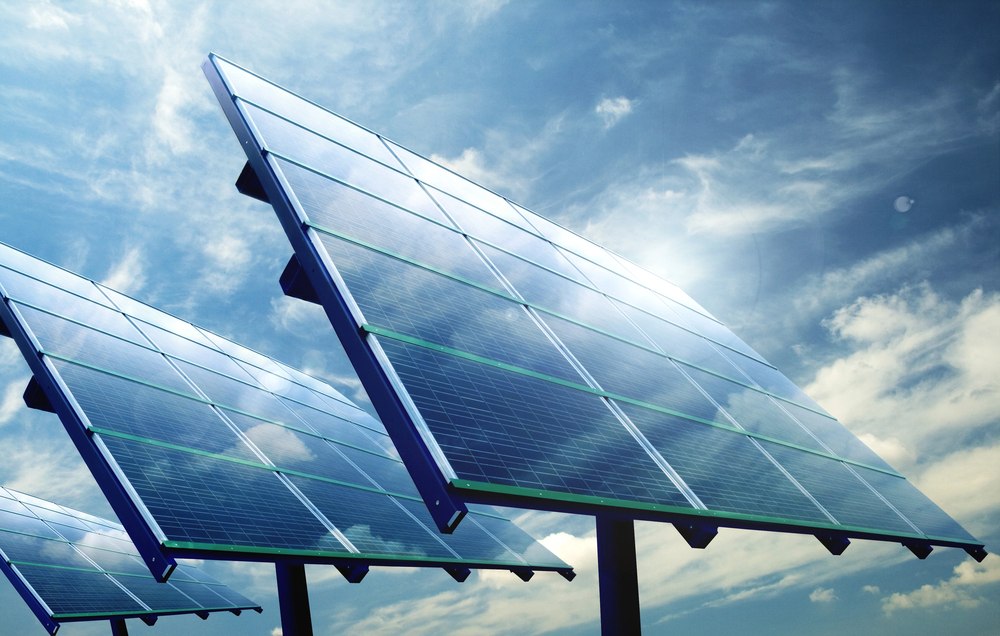
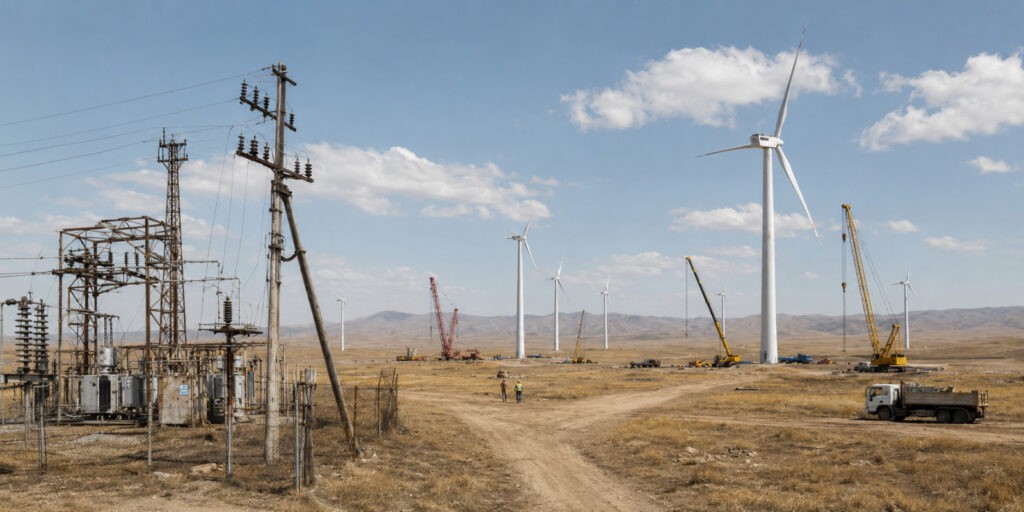
Kyrgyzstan is launching a pilot project to construct a solar power plant through a public-private partnership (PPP). The project is supported by the International Finance Corporation (IFC), which has prepared technical, legal, financial, and environmental assessments. The project’s implementation was discussed during a meeting in Washington, DC between Kyrgyz Energy Minister Taalaibek Ibrayev and John Gandolfo, Vice President and Chief Financial Officer at the IFC. A key feature of the project is the selection of an investor through an open tender based on the lowest electricity tariff bid. Kyrgyzstan has agreed to a tariff proposed by China Power of 4.1 cents per kWh. The power plant will be built in the Naryn region. Construction is scheduled to begin in 2026, with electricity generation expected to start in 2027. Ibrayev noted that the project introduces new standards to Kyrgyzstan’s energy sector and will serve as an example of attracting investment through transparent and competitive mechanisms. Gandolfo expressed the World Bank’s support for Kyrgyzstan’s energy sector reforms. The meeting also addressed the second phase of the project, which envisages the construction of additional solar power plants in the Talas and Batken regions. As part of efforts to reduce chronic power shortages, Kyrgyzstan has accelerated the development of renewable energy. In December 2025, the country inaugurated its first solar power plant in the Chui region, approximately 100 kilometers east of Bishkek. The 100-megawatt facility was constructed with $56 million in Chinese investment and is expected to generate around 210 million kWh of clean electricity annually.

Six New Oil Fields Added to Kazakhstan’s Reserves

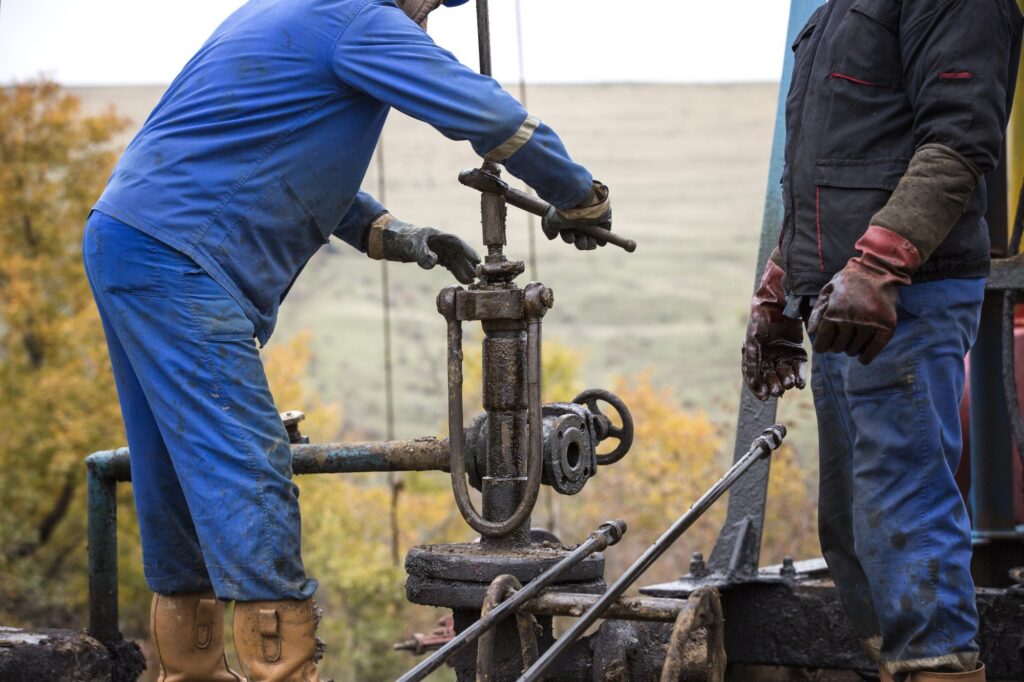
Six new oil fields in western Kazakhstan, with combined reserves exceeding 127 million tons, were added to the country’s national reserves in 2025, Vice Energy Minister Yerlan Akbarov has announced. “Production will be carried out primarily by local, small companies that discovered these fields,” Akbarov said in response to journalists’ questions. He added that Kazakhstan has 15 sedimentary basins with potential hydrocarbon resources; five are currently under development, while geological exploration is ongoing in the others. Earlier, at the Geoscience & Exploration Central Asia forum, Minister of Industry and Construction Yersayin Nagaspayev said that exploration aimed at discovering new oil and gas reserves is planned in the west, as well as in the southeast and north of the country. “Seismic exploration work is planned in the Shu-Sarysu and North Torgay sedimentary basins, which remain underexplored. The results are expected to provide a basis for more detailed prospecting and exploration,” Nagaspayev said. According to the minister, approximately 10,000 deposits are currently recorded in Kazakhstan, of which only 359 are hydrocarbon deposits. In addition, more than 1,000 solid mineral deposits, over 3,700 sites of common minerals, and around 4,900 groundwater sources have been added to the national balance sheet. At the same forum, Askhat Khasenov, Chairman of the Management Board of JSC National Company KazMunayGas (KMG), said the company’s remaining recoverable oil reserves amount to about 445 million tons, with more than 50% classified as hard to recover. He noted that KMG is implementing innovative technologies to bring these reserves into production. As part of this effort, the company has adopted a Technological Challenges Program focused on deploying advanced solutions. Under this program, an additional 434,000 tons of oil were produced in 2025. By 2040, the initiative is expected to generate a further 54 million tons of output, helping to sustain production and preserve jobs at mature fields around which local communities have developed over many years. As previously reported by The Times of Central Asia, Kazakhstan is launching its most ambitious geological exploration program in the past 15 years. Over the next three years, the government plans to invest more than $470 million in the study of mineral resources. A major hydrocarbon field has already been discovered in the Atyrau region, with reserves potentially comparable to those of Kashagan, the country’s largest oil field.

Kyrgyzstan Plans Central Asia’s First Live-Line Energy Training Center

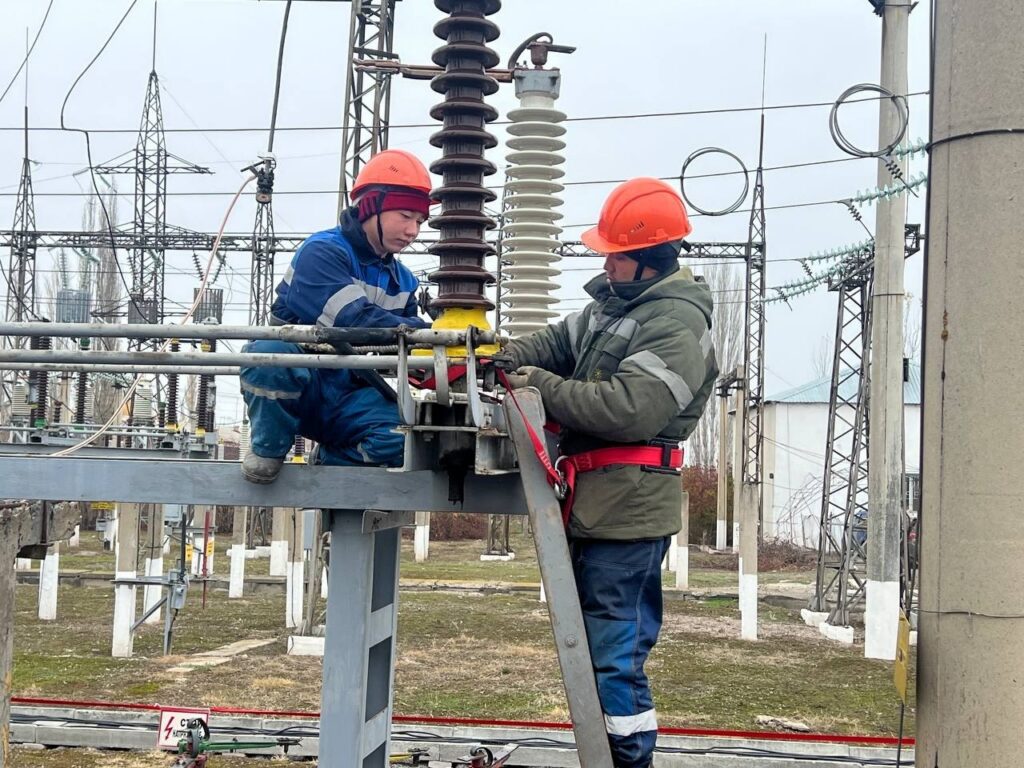
Kyrgyzstan plans to establish a competence center for live-line working technologies, with the aim of developing it into a regional hub for training highly qualified specialists from Kazakhstan, Uzbekistan, and Tajikistan. The center will focus on maintaining power grids and electrical equipment without de-energizing high-voltage lines. The National Electric Network of Kyrgyzstan has signed a cooperation agreement with Grid Company of Tatarstan (Russia) to develop and introduce live-line working technologies, including the creation of a specialized training center. The agreement was signed during the Energoprom-2026 international electric power forum in Kazan and was attended by Kyrgyz Energy Minister Taalaibek Ibrayev and Russian Energy Minister Sergey Tsivilyov. The initiative aims to enable maintenance of electrical grids without disconnecting consumers. This is expected to reduce the frequency and duration of power outages, lower technical losses, and improve the reliability and quality of electricity supply for households and businesses. The project is particularly relevant for Kyrgyzstan, where electricity supply is frequently interrupted due to the maintenance needs of aging infrastructure. Authorities say the initiative could help modernize the country’s energy sector and strengthen its role in regional cooperation. The partnership with Russia also provides for the supply of electrical equipment and the localization of production in Kyrgyzstan, including cables, switchgear, and metering devices. The project is also expected to position Kyrgyzstan as a regional training and competence hub for the electric power industry.

Ukrainian Deputy Foreign Minister: Astana and Kyiv Seeking to Restore Trade

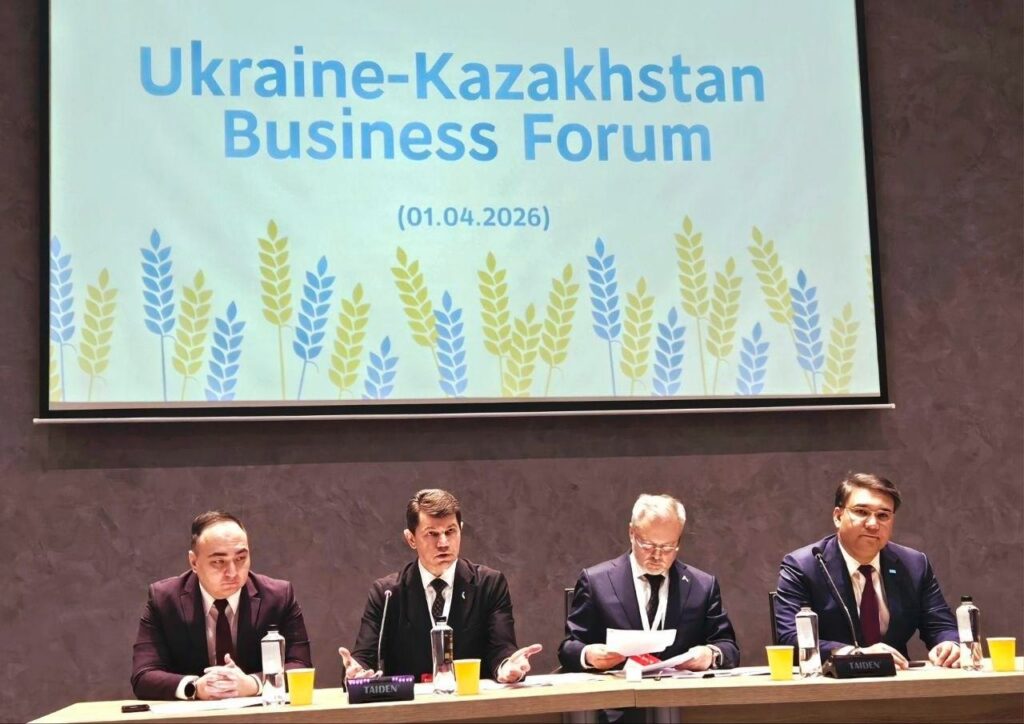
Ukrainian Deputy Foreign Minister, Olexandr Mishchenko, discussed prospects for trade and economic cooperation, including the possible resumption of the Intergovernmental Commission on Trade and Economic Cooperation, during a meeting on April 2 with Serik Zhumangarin, Kazakhstan’s Deputy Prime Minister and Minister of the National Economy. In comments to The Times of Central Asia, the Ukrainian Foreign Ministry representative said Astana and Kyiv are aiming to restore bilateral trade. Trade between Kazakhstan and Ukraine reached approximately $5.5 billion annually before the war but has since declined sharply. However, according to Kazakh data, the situation has begun to improve. The Ministry of National Economy reported that trade turnover between the two countries totaled $415.8 million in 2025, up 5.4% from $394.3 million in 2024. Kazakhstan’s main exports to Ukraine include ferroalloys, fertilizers, and rice, while imports from Ukraine consist of chocolate and other cocoa products, flour and confectionery, medicines, cheese, and cottage cheese. [caption id="attachment_46523" align="aligncenter" width="960"] Image: Ukrainian Embassy in Kazakhstan[/caption] Astana and Kyiv also intend to expand the range of goods traded. During interdepartmental consultations held in Astana, the sides discussed trade, investment, agriculture, logistics, and humanitarian cooperation, with a focus on export diversification. They agreed to intensify business contacts, consider resuming the Intergovernmental Commission, and expand cooperation in priority sectors, particularly the agro-industrial complex. Mishchenko said the countries also plan to strengthen cooperation in the energy sector and restore logistics chains. Until 2022, Ukraine provided key transit routes for Kazakh exports to Europe. Before 2022, a significant share of Kazakhstan’s westbound trade relied on routes passing through or near Ukrainian infrastructure. The war disrupted those pathways and forced a broader regional shift toward alternative corridors, including routes across the Caspian and South Caucasus, which remain longer, more complex, and often more expensive. “Territorial integrity remains the cornerstone of our cooperation. We are deeply grateful to Kazakhstan for its humanitarian aid: more than 600 tons were collected, particularly during the winter. This support was critical to Ukraine’s resilience,” Mishchenko said. The visit marked the first trip by a senior Ukrainian government representative to Kazakhstan in recent years. A large delegation of Ukrainian entrepreneurs accompanied Mishchenko, seeking to re-establish business ties with Kazakh partners. “Ukraine is already looking toward the post-war future, and concrete proposals for cooperation, including in energy, are being developed through bilateral engagement with Kazakhstan,” Mishchenko told The Times of Central Asia. “Kazakhstan’s energy resources create opportunities for mutually beneficial cooperation, including potential integration into Ukrainian markets.” Mishchenko noted that a Ukrainian business mission, the first in many years, visited Kazakhstan, including the Pavlodar Region, a major industrial hub with significant heavy industry and energy capacity. “This creates real demand for modernization, engineering solutions, and equipment supplies,” he said. The delegation held meetings with government officials, financial institutions, and business representatives, alongside regional visits aimed at launching joint projects. In Astana, talks were held with the leadership of Baiterek National Management Holding. Ukrainian entrepreneurs also visited the Astana International Financial Centre and the city administration, where they were briefed...

Kyrgyzstan Seeks Chinese Cooperation to Develop EV Charging Infrastructure

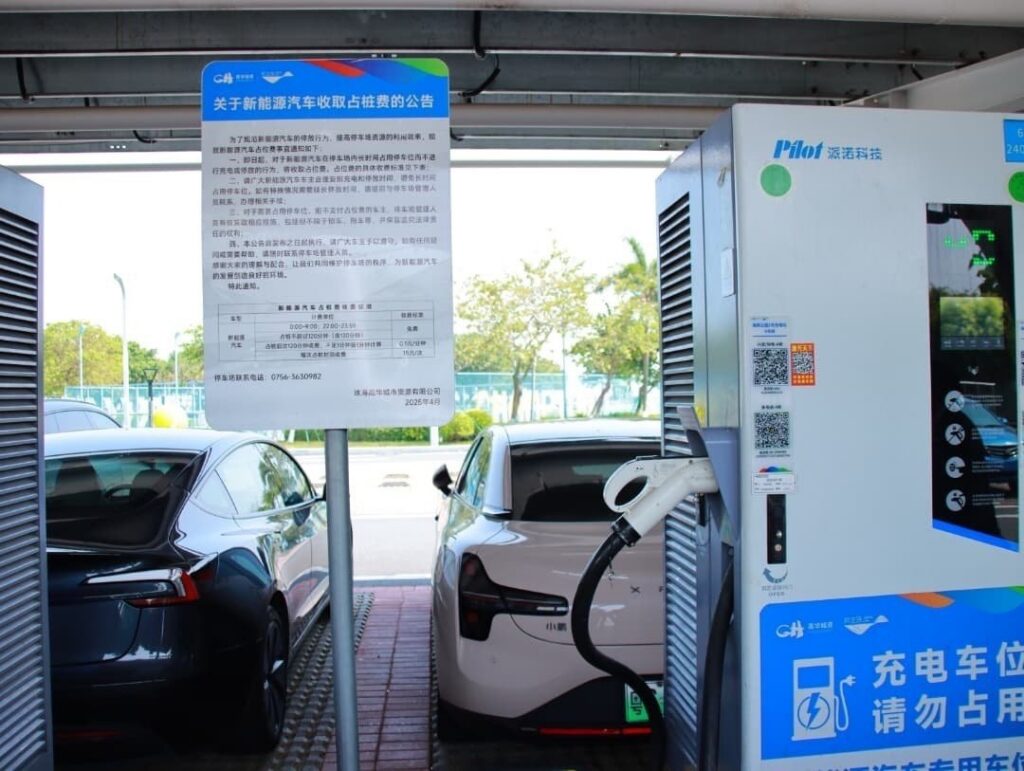
Kyrgyzstan is seeking to collaborate with Chinese companies to develop electric vehicle (EV) charging infrastructure as part of efforts to modernize its energy sector and promote sustainable transport. On March 25, Energy Minister Taalaibek Ibrayev visited China, where he held a series of meetings with energy and technology companies involved in EV infrastructure development. During the visit, Ibrayev toured a manufacturing facility operated by ShuiFa Group and signed a memorandum of understanding between the Kyrgyz Ministry of Energy and the company. The agreement involves cooperation in energy infrastructure, including the development of EV charging stations and energy storage systems. Officials said the memorandum represents a step toward modernizing Kyrgyzstan’s energy sector and supporting sustainable transport. Ibrayev also met with representatives of NUCL New Energy Technology (GD) Ltd to discuss potential cooperation on EV charging infrastructure and the introduction of modern technologies. The company expressed readiness to work with Kyrgyz authorities. In addition, talks were held with Zhejiang Anfu New Energy Technology Co., Ltd. regarding the possible supply of equipment and the localization of production in Kyrgyzstan These initiatives align with the government’s broader strategy to promote environmentally friendly transport and reduce air pollution in Bishkek and other major cities. The number of electric vehicles in Kyrgyzstan has been rising steadily. According to First Deputy Prime Minister Daniyar Amangeldiev, more than 200 electric vehicles are imported into the country daily under a value-added tax (VAT) exemption scheme. As a member of the Eurasian Economic Union (EAEU), Kyrgyzstan also benefits from an annual quota allowing the duty-free import of up to 15,000 electric vehicles. Despite this growth, EVs still account for a small share of the country’s total vehicle fleet. According to the Ministry of Natural Resources, Ecology, and Technical Supervision, Kyrgyzstan had more than 1.9 million registered vehicles as of early 2026, a 13% increase compared with 2024. Of these, 972,000 run on gasoline, 339,000 on diesel, 56,900 on gas, and 37,000 are hybrids. Electric vehicles make up about 0.8% of the total, or approximately 15,200 vehicles.

How Kazakhstan Is Seeking to Attract Global Capital to Critical Mineral Extraction

In March 2026, Kazakhstan moved into the spotlight of the global mining industry. Against the backdrop of an accelerating energy transition and a growing shortage of critical minerals, the government has launched a large-scale geological exploration program. Its strategic objective is to position the country as a key supplier of copper and rare earth elements (REEs) to global markets. For Western investors, this represents an important signal. A significant, relatively underexplored resource base is emerging, supported by regulatory reforms designed to facilitate access. The state assumes early-stage risks The new investment cycle was officially presented at PDAC 2026, one of the world’s largest mining conventions held in Toronto. Unlike previous initiatives that were largely declarative, Kazakhstan has backed its strategy with direct funding: approximately $81 million has been allocated from the state budget for geological exploration. The funds are intended to support a comprehensive assessment of mineral resources in 11 regions of the country. The central rationale is to lower entry barriers for private capital. The government is financing early-stage geological work, including mapping, airborne geophysical surveys, and preliminary resource evaluations. Investors are expected to receive access to “pre-qualified” sites with confirmed potential, an approach commonly used in established mining jurisdictions. This is particularly important because early exploration has historically been the riskiest and most capital-intensive phase of mining projects. The energy transition reshapes demand Growing interest from Western investors is driven by both domestic reforms and global market dynamics. Forecasts by the International Energy Agency indicate that demand for key minerals such as copper, lithium, and cobalt is likely to rise substantially by 2040. Existing mining and processing capacities may prove insufficient to meet projected needs. At the same time, geopolitical tensions are increasing. Processing of rare earth elements remains concentrated in a limited number of countries, making global supply chains vulnerable to disruption. In response, the United States and the European Union have introduced policies aimed at diversifying sources of critical raw materials. The EU’s Critical Raw Materials Act seeks to encourage investment in alternative supply chains. Against this backdrop, Kazakhstan, whose mineral exploration has historically focused on oil and uranium, is emerging as a potential contributor to global diversification efforts. Focus on junior mining companies and regulatory transparency One of the government’s key tools for attracting investment is the development of an ecosystem of junior mining companies specializing in early-stage exploration. Unlike large corporations, junior firms are often willing to assume the risks associated with drilling and initial geological assessments. If commercially viable deposits are identified, these companies typically sell their assets to strategic investors, helping to create a venture-capital-style market within the extractive sector. To support this model, Kazakhstan has reformed its Subsoil Code, introducing a “first come, first served” licensing principle. Digital platforms are now used to allocate exploration rights, reducing processing times and limiting opportunities for corruption. In effect, the country is adopting regulatory practices similar to those used in Australia, widely regarded as one of the world’s most investor-friendly mining jurisdictions. $1.1 billion project signals...