• KGS/USD = 0.01144 0%
  • KZT/USD = 0.00208 0%
  • TJS/USD = 0.10445 -0.57%
  • UZS/USD = 0.00008 0%
  • TMT/USD = 0.28571 0%
  • KGS/USD = 0.01144 0%
  • KZT/USD = 0.00208 0%
  • TJS/USD = 0.10445 -0.57%
  • UZS/USD = 0.00008 0%
  • TMT/USD = 0.28571 0%
  • KGS/USD = 0.01144 0%
  • KZT/USD = 0.00208 0%
  • TJS/USD = 0.10445 -0.57%
  • UZS/USD = 0.00008 0%
  • TMT/USD = 0.28571 0%
  • KGS/USD = 0.01144 0%
  • KZT/USD = 0.00208 0%
  • TJS/USD = 0.10445 -0.57%
  • UZS/USD = 0.00008 0%
  • TMT/USD = 0.28571 0%
  • KGS/USD = 0.01144 0%
  • KZT/USD = 0.00208 0%
  • TJS/USD = 0.10445 -0.57%
  • UZS/USD = 0.00008 0%
  • TMT/USD = 0.28571 0%
  • KGS/USD = 0.01144 0%
  • KZT/USD = 0.00208 0%
  • TJS/USD = 0.10445 -0.57%
  • UZS/USD = 0.00008 0%
  • TMT/USD = 0.28571 0%
  • KGS/USD = 0.01144 0%
  • KZT/USD = 0.00208 0%
  • TJS/USD = 0.10445 -0.57%
  • UZS/USD = 0.00008 0%
  • TMT/USD = 0.28571 0%
  • KGS/USD = 0.01144 0%
  • KZT/USD = 0.00208 0%
  • TJS/USD = 0.10445 -0.57%
  • UZS/USD = 0.00008 0%
  • TMT/USD = 0.28571 0%

Viewing results 1 - 6 of 15

Kazakhstan–Kashagan Dispute Heads to International Arbitration

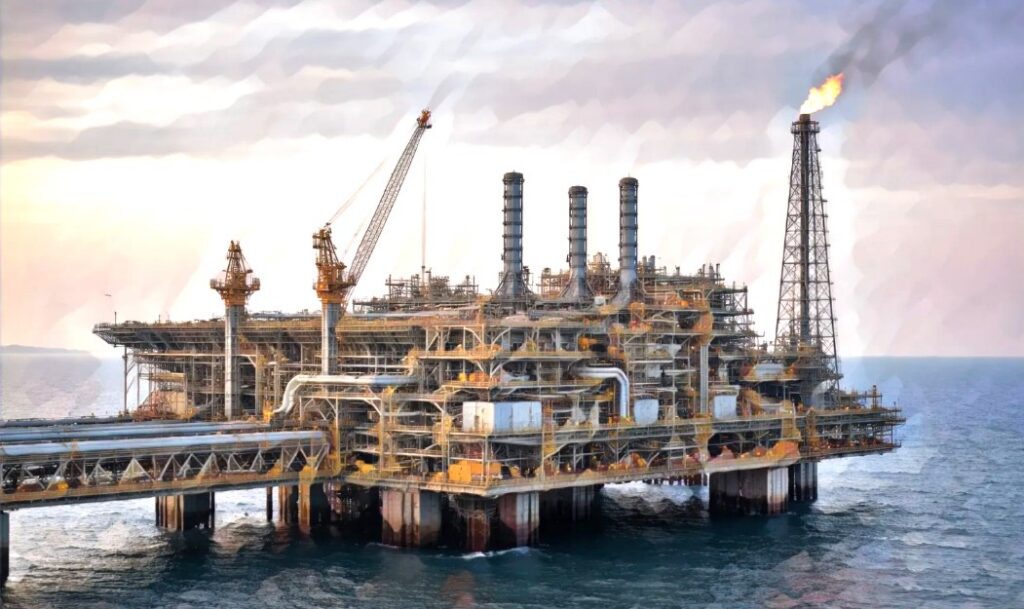
Kazakhstan’s Vice Minister of Justice, Daniel Vaisov, announced that the country’s claims over the removal of sulfur storage limits at the Kashagan field, operated by North Caspian Operating Company N.V. (NCOC), will be heard under the International Centre for Settlement of Investment Disputes framework, which is headquartered in Washington. NCOC includes Shell, TotalEnergies, Eni, ExxonMobil, CNPC, Inpex, and KazMunayGas. In March 2023, an inspection of the Kashagan consortium by Kazakhstan’s environmental authorities identified violations of environmental legislation, including the excessive storage of sulfur volumes exceeding permitted limits. The resulting claim was valued at around $5 billion, according to the authorities. A court of first instance in Kazakhstan ruled in favor of the environmental authorities, according to Vaisov. Six of the seven NCOC participants, excluding KazMunayGas, challenged the ruling in a Kazakh court in March this year. At the same time, the foreign investors initiated international arbitration proceedings. “This claim was filed under bilateral international agreements: the agreement between the Republic of Kazakhstan and the Republic of France, and the agreement between the Republic of Kazakhstan and the Kingdom of the Netherlands,” Vaisov said during a briefing. The Ministry of Justice, Ministry of Ecology, and Ministry of Energy are jointly handling the case. Kazakhstan has been steadily tightening its position in major energy projects, seeking a larger share of revenues from fields developed under production-sharing agreements signed in the 1990s. Disputes over Kashagan and Karachaganak reflect broader efforts to rebalance terms with foreign investors as production stabilizes and fiscal pressures grow. The outcome of these cases could reshape how Central Asia’s largest economy manages foreign participation in its energy sector. A separate dispute concerning project costs, reportedly exceeding $100 billion, is being handled under the framework of the Production Sharing Agreement (PSA), in line with government policy, Vaisov said. Kazakhstan maintains that under the current terms, participating oil companies receive up to 98% of revenue from oil production at Kashagan, leaving the state with comparatively limited income in the form of royalties. Astana’s claim related to this issue has been reported at approximately $160 billion. “As far as I know, an interim decision has been made regarding Karachaganak. Further work is currently underway,” Vaisov said. In January 2026, an international arbitration tribunal ruled in favor of Kazakhstan in its dispute with shareholders in the Karachaganak Oil and Gas Projects, Eni, Shell, Chevron, and Lukoil. Compensation for the shareholders’ unjustified reimbursement of expenses has yet to be determined, but experts estimate it at between $2 billion and $4 billion. Vaisov also noted that Kazakhstan has been reducing the cost of arbitration proceedings involving foreign investors. “The Ministry of Justice has managed to reduce spending on these matters each year. Since 2021, costs have been reduced by nearly threefold. At the same time, the Republic of Kazakhstan engages leading law firms for these proceedings, as contracting companies do the same,” he said.

Kazakhstan Seeks to Expand Oil Exports Amid Geopolitical Uncertainty

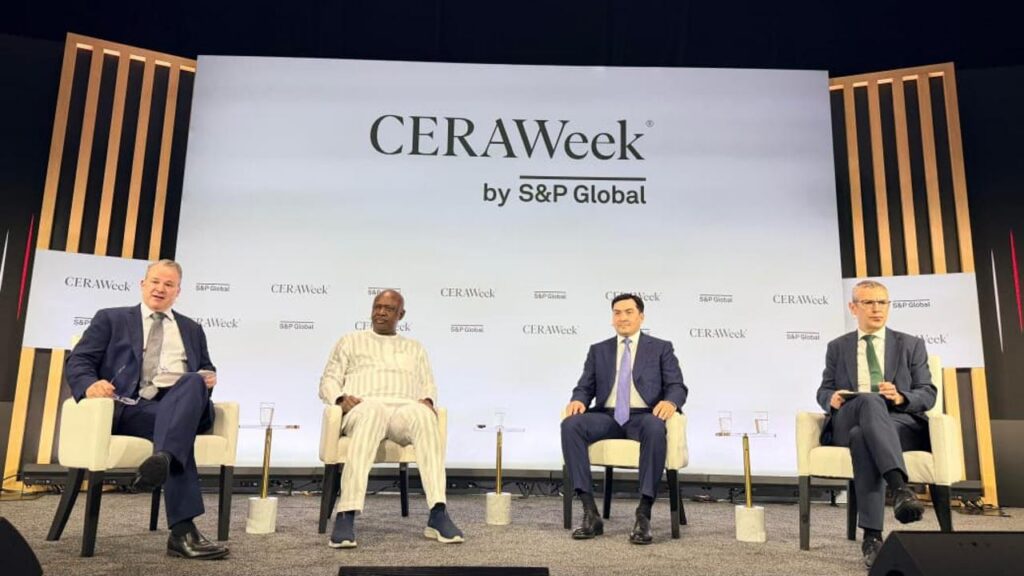
Kazakhstan is seeking to reinforce its status as a stable oil supplier while accelerating the diversification of export routes and revising the terms of cooperation with foreign investors amid growing geopolitical uncertainty. These priorities were outlined by Energy Minister Yerlan Akkenzhenov during a speech at the CERAWeek conference in Houston and in a series of meetings with major international oil and gas companies. Discussions focused on structural changes in the global oil industry, ranging from geopolitical instability to the reconfiguration of logistics chains. According to the minister, Kazakhstan remains resilient while adapting to evolving conditions. Energy security continues to be a central concern for the sector, particularly the reliable operation of the Caspian Pipeline Consortium (CPC), through which the majority of Kazakhstan’s oil exports are transported. This route remains the most cost-effective and strategically important option. Authorities have openly acknowledged its critical role in the national economy, stressing the need to ensure uninterrupted transit. At the same time, efforts to develop alternative routes, including the Trans-Caspian corridor and increased shipments to China, are part of a strategy to reduce logistical and political risks. On the sidelines of the forum, government officials held talks with leading energy companies including Chevron, ExxonMobil, and Shell, all key investors in Kazakhstan’s oil and gas industry. Discussions with Chevron focused on expanding production at the Tengiz and Karachaganak fields, as well as developing export infrastructure. ExxonMobil reaffirmed its interest in increasing output at Tengiz and Kashagan, where localization levels are high, with Kazakhstani specialists accounting for more than 90% of the workforce. Talks with Shell focused on boosting production and expanding refining capacity, including refinery modernization and the production of winter-grade diesel fuel. In addition to operational issues, the discussions addressed the question of redistributing roles within joint projects. Kazakhstan is considering independently implementing certain gas-processing initiatives after partners failed to reach a final investment decision on the Karachaganak project. The development of the petrochemical industry and the expansion of refining capacity have been identified as separate priorities. Kazakhstan plans to double its oil-refining capacity to meet domestic demand and increase exports of petroleum products. To attract investment, the government has introduced a revised model contract offering tax incentives and encouraging geological exploration. Experts say Central Asia’s role in the global energy sector is increasing, with Kazakhstan playing a key part in regional stability. The minister said the country’s strategic objective is to maintain the sector’s investment appeal while ensuring maximum economic returns for the national economy. “Kazakhstan remains a predictable and reliable supplier of energy resources and is ready to translate the trust of its partners into the development of technological projects within the country,” Akkenzhenov said. The Times of Central Asia previously reported that Italian energy company Eni is accelerating the expansion of its projects in Kazakhstan. The company plans to complete construction of a hybrid power plant in Zhanaozen, one of the country’s main oil and gas hubs, by the end of the year.

Junda Oil Refinery Modernization in Kyrgyzstan Set for Completion by August 2026

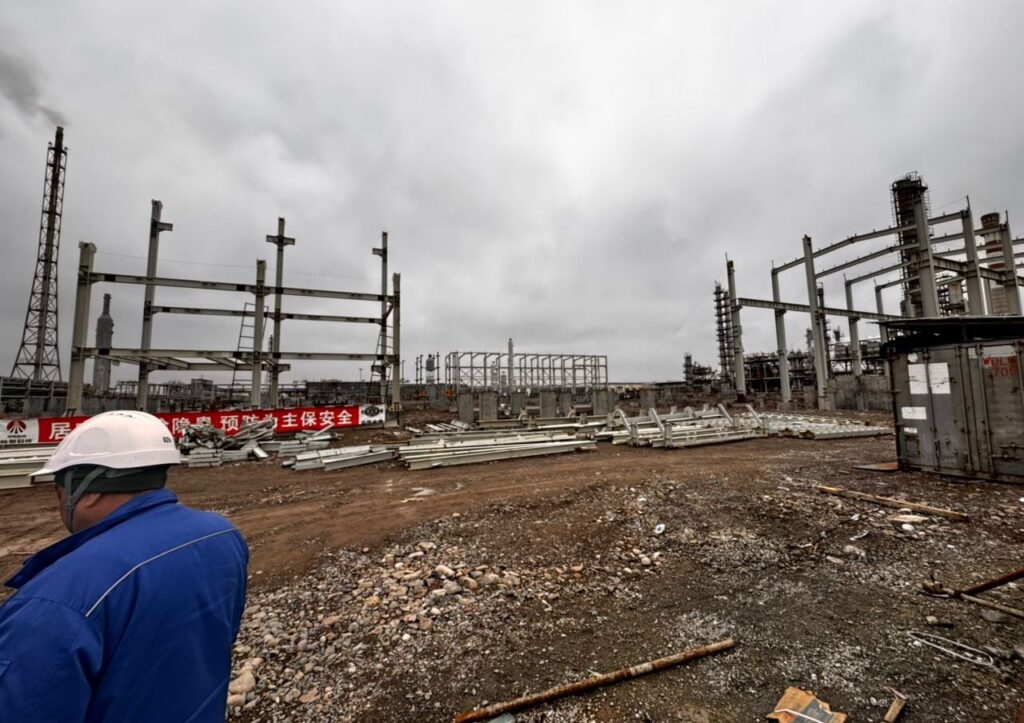
Kyrgyzstan’s largest oil refining facility, the Junda (Zhongda) refinery in the town of Kara-Balta, approximately 60 kilometers west of Bishkek, is undergoing a major modernization project scheduled for completion by July 31, 2026. The $193.75 million upgrade is expected to increase domestic fuel production and strengthen the country’s energy security. On March 2, a delegation from the National Investment Agency of Kyrgyzstan, the Ministry of Economy and Commerce, and the Kara-Balta municipality visited the refinery to monitor implementation of the investment agreement signed in July 2024 with China Petrol Company Zhongda LLC. Owned by a Chinese investor, the refinery has an annual crude processing capacity of 800,000 tons, producing gasoline, diesel fuel, and liquefied petroleum gas. The modernization is intended to upgrade technical infrastructure and improve operational efficiency. Government representatives have emphasized the project’s importance for industrial development, job creation, and reducing Kyrgyzstan’s reliance on imported fuel. If completed on schedule, the refinery could potentially cover between 50% and 70% of Kyrgyzstan’s domestic demand for motor fuel. This would represent a significant shift for a country that currently depends heavily on imports. At present, local refining capacity reportedly meets only about 5% of domestic fuel demand. Kyrgyzstan consumes approximately 1.6 million tons of motor fuel annually, more than 90% of which is imported from Russia. A key constraint remains the refinery’s dependence on imported crude oil. Authorities are seeking to diversify supply routes, including potential deliveries from Azerbaijan and other oil-producing countries. Originally commissioned in 2014, the refinery was shut down in February 2020 for extensive repairs and modernization that lasted four years. Operations resumed in August 2024. The facility has faced public scrutiny over environmental concerns. Residents of Kara-Balta have complained about air pollution, resulting in fines for emissions violations. The refinery has also been accused of damaging ancient burial mounds, prompting criticism from cultural heritage advocates. The modernization positions the Kara-Balta refinery as a strategic industrial asset in Kyrgyzstan’s efforts to enhance energy security. However, its long-term viability will depend on securing stable crude oil supplies and addressing environmental risks. If successful, the project could reduce Kyrgyzstan’s fuel import bill and mark a significant step toward greater energy independence.

Ukrainian Ambassador to Kazakhstan: “The War Will End This Year. I Truly Believe In That.”

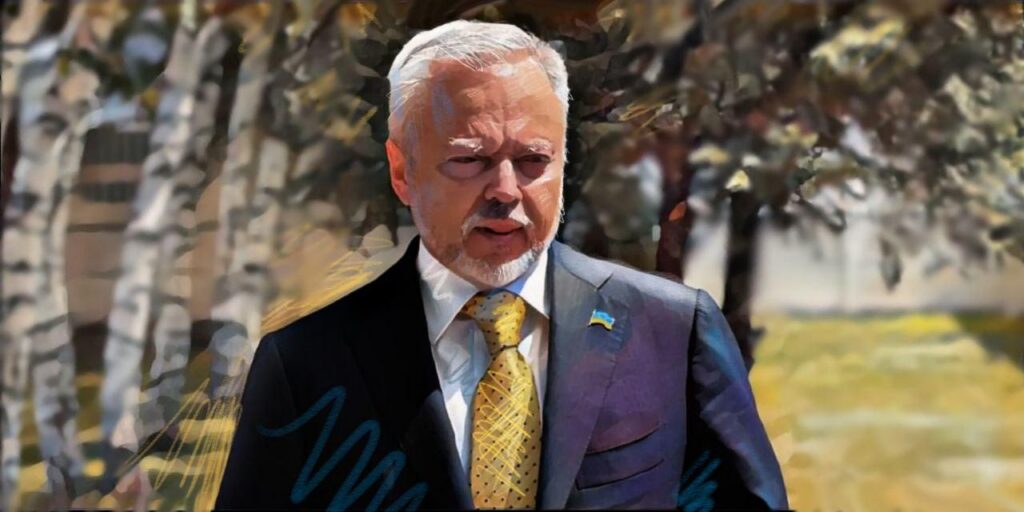
As the war between Russia and Ukraine approaches its fifth year, diplomatic efforts to reshape trade routes, energy flows, and regional partnerships are intensifying far beyond the battlefield. For Ukraine, Central Asia has emerged as an increasingly important economic and logistical partner, particularly as Kyiv seeks alternatives to disrupted transport corridors and supply chains. The Times of Central Asia spoke with Viсtor Mayko, Ukraine’s Ambassador to Kazakhstan, about the prospects for deeper economic cooperation with Central Asia, the role of the Middle Corridor, energy transit challenges in the Caspian region, Kyiv’s expectations for international support, and a possible path toward ending the war. Trade and Economic Prospects in Central Asia TCA: Mr. Ambassador, what are the prospects for deepening trade and economic partnerships between Ukraine, Kazakhstan, and wider Central Asia? Which sectors offer the greatest potential for cooperation? Ambassador Mayko: Deepening trade and economic ties between Ukraine, Kazakhstan, and other Central Asian countries is not merely a prospect; it is a necessity dictated by global economic trends. Kazakhstan leads the region economically, with a GDP exceeding $300 billion. It is on a trajectory to join the G20 within 5 to 10 years. The United States, recognizing this potential, has invited Kazakhstan to the upcoming G20 meeting in the U.S., demonstrating Kazakhstan’s rising global significance. Ukraine and Kazakhstan’s economies are complementary. Ukraine brings experience in agricultural technology, mechanical engineering, IT, and processing, while Kazakhstan contributes resource strength, industrial capacity, and logistics. Promising areas for cooperation include agro-industrial development, from crop production to digitalized processing; industrial cooperation through equipment supply and joint production; logistics and infrastructure aimed at strengthening transport corridors; and energy and IT projects focused on efficiency and network modernization. We are already transitioning from theory to action. A major business delegation from Ukraine will visit Kazakhstan this year. We also anticipate another meeting of the Joint Ukrainian-Kazakh Intergovernmental Commission on Economic Cooperation, which is crucial for removing barriers and initiating new projects. Ukraine’s presence in Kazakhstan’s economy has historically been significant. If not for the war and resulting transport disruptions, I believe our mutual trade could have reached $10 billion. Ukrainian machinery still accounts for a substantial portion of Kazakhstan’s industrial base, especially in regions such as Karaganda, Aktau, and Pavlodar, though much of this equipment now requires modernization. Another promising area is mineral resource development. Ukraine has the scientific and practical base to contribute meaningfully to this sector. Turkmenistan’s earlier collaboration with Ukrainian firms in revitalizing depleted wells illustrates our potential. Wells deemed exhausted by older technologies yielded hundreds of thousands of tons of oil under Ukrainian management. This successful model can be applied in Kazakhstan, one of the EU’s top three oil suppliers. Transport Infrastructure and the Middle Corridor TCA: How is cooperation in the transport sector developing, especially regarding the Middle Corridor? Are there any potential plans for joint infrastructure projects? Ambassador Mayko: Russia’s full-scale aggression disrupted Ukraine’s previous logistics routes. Today, we prioritize alternatives like the Trans-Caspian International Transport Route, the “Middle Corridor”, as a...

Kazakhstan and China Launch Project to Double Capacity of Shymkent Oil Refinery

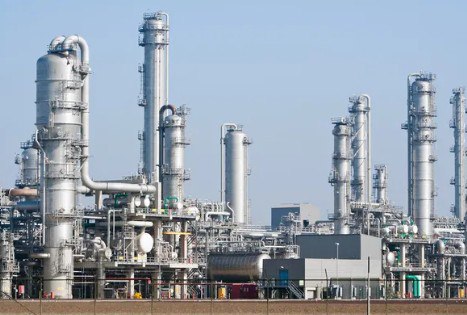
Kazakhstan and China have agreed on the basic parameters of a major expansion project at the Shymkent oil refinery, which will double its processing capacity from over 6 million to 12 million tons of oil per year. According to national oil company KazMunayGas, the Shymkent refinery became Kazakhstan’s leading facility in 2025 in terms of processing volume, handling 6.23 million tons of oil. By comparison, the Pavlodar Petrochemical Plant processed 5.76 million tons, and the Atyrau Oil Refinery 5.47 million tons. Shymkent also topped production output, delivering over 2.28 million tons of gasoline and more than 2.1 million tons of diesel fuel. The refinery is jointly owned by KazMunayGas JSC and China National Petroleum Corporation (CNPC). The two partners plan to expand the plant’s production capacity by constructing new processing infrastructure. A delegation from Kazakhstan’s Ministry of Energy, led by Daulet Arykbayev, Director of the Oil Transportation and Refining Department, participated in a strategic meeting in Qingdao, China, to prepare a feasibility study for the expansion. Following the meeting, both sides approved the project’s basic framework. A central decision was the adoption of the “6+6” configuration: two processing lines, each with a 6-million-ton annual capacity, fully integrated into the refinery’s existing operations. Officials stressed the importance of meeting project deadlines, with the core feasibility work scheduled for completion by 2032 under the framework agreement. The Ministry of Energy also noted that, under Kazakhstan’s broader refinery modernization program, the goal is to increase total national processing capacity from 18 million to 39 million tons of oil per year. Simultaneously, the government is seeking investors for the construction of a new refinery with an annual capacity of up to 10 million tons. The Times of Central Asia previously reported on state plans to attract foreign investment for a proposed fourth major refinery. Government estimates suggest that expanding the three existing refineries to 39 million tons will require investments of $15-19 billion. In March 2025, the Agency for the Protection and Development of Competition recommended partial privatization of the Pavlodar and Atyrau plants to boost efficiency and attract private capital. However, in December, Energy Minister Yerlan Akkenzhenov stated that KazMunayGas currently has no plans to privatize these assets.