• KZT/USD = 0.00211
  • TJS/USD = 0.10800
  • UZS/USD = 0.00008
  • TMT/USD = 0.29850
  • KZT/USD = 0.00211
  • TJS/USD = 0.10800
  • UZS/USD = 0.00008
  • TMT/USD = 0.29850
  • KZT/USD = 0.00211
  • TJS/USD = 0.10800
  • UZS/USD = 0.00008
  • TMT/USD = 0.29850
  • KZT/USD = 0.00211
  • TJS/USD = 0.10800
  • UZS/USD = 0.00008
  • TMT/USD = 0.29850
  • KZT/USD = 0.00211
  • TJS/USD = 0.10800
  • UZS/USD = 0.00008
  • TMT/USD = 0.29850
  • KZT/USD = 0.00211
  • TJS/USD = 0.10800
  • UZS/USD = 0.00008
  • TMT/USD = 0.29850
  • KZT/USD = 0.00211
  • TJS/USD = 0.10800
  • UZS/USD = 0.00008
  • TMT/USD = 0.29850
  • KZT/USD = 0.00211
  • TJS/USD = 0.10800
  • UZS/USD = 0.00008
  • TMT/USD = 0.29850

Viewing results 1 - 6 of 217

Ecologists Warn Central Asian Dams May Threaten UNESCO Heritage Site

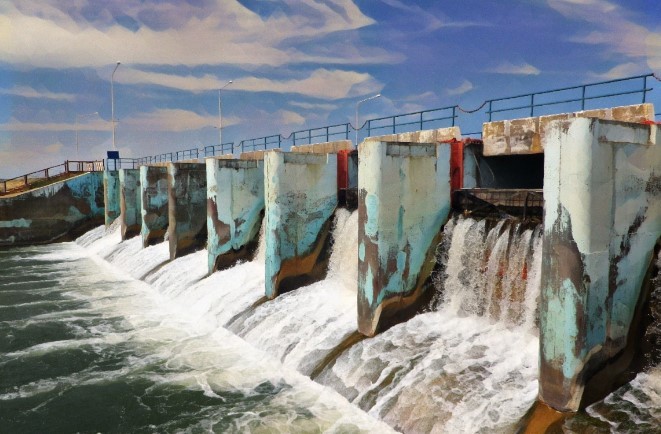
A coalition of international environmentalists is sounding the alarm over the impact of large-scale dam construction in Central Asia, warning that it could cause irreversible harm to the Western Tien Shan, a UNESCO World Heritage Site jointly shared by Kazakhstan, Kyrgyzstan, and Uzbekistan. Dam Projects Multiply Across Region According to a recent report by the coalition Rivers Without Boundaries, dozens of new hydropower projects are either in development or under construction across the region. The group says this wave of dam-building poses a significant threat to the unique ecosystems and biodiversity of the Western Tien Shan, which was inscribed on the UNESCO World Heritage List in 2016 due to its exceptional natural value. The report identifies more than five dams already constructed in recent years, with an additional 15 to 40 projects currently in the pipeline. These developments are affecting key river systems, including the Chatkal, Ugam, Pskem, and Aksu, which play a vital role in sustaining the region’s delicate ecological balance. Protected Areas Under Pressure Some of the most contentious projects are unfolding inside or near designated conservation zones. In Kyrgyzstan, a dam is planned within the Besh-Aral Nature Reserve, while gold mining activities have already degraded parts of the Chatkal River valley. In Kazakhstan, officials are considering a series of dams in Sayram-Ugam National Park. Uzbekistan is also pressing ahead with new hydropower schemes, including one on the Pskem River, drawing criticism from environmental advocates. “Short-term economic goals are being prioritized over the long-term need to protect this globally important natural area,” said Eugene Simonov, international coordinator of Rivers Without Boundaries. He urged UNESCO and the broader international community to intervene before further damage is done. Threats to Rare Species and Ecosystems Environmentalists argue that dam construction is fragmenting river systems and isolating animal habitats, particularly those of rare and endemic species. The snow leopard and several native fish species are among the wildlife at risk. Floodplain forests and wild fruit tree habitats, critical components of the area’s biodiversity, are also under threat. Alexander Kolotov, regional director of Rivers Without Boundaries, highlighted the dangers of building dams within protected national parks. “We are not properly measuring the impact on fish and river ecosystems,” he said. “If this continues, we could lose many species forever.” Legal and Diplomatic Concerns The group further contends that several dam projects may be violating international agreements, including the World Heritage Convention and the Espoo and Aarhus Conventions. These treaties require environmental impact assessments, public consultation, and cross-border cooperation, all of which may be lacking or inadequately implemented. Rivers Without Boundaries has formally petitioned UNESCO to add the Western Tien Shan to its List of World Heritage in Danger. The proposal is expected to be reviewed at the UNESCO World Heritage Committee session scheduled for July 2025. Previously, Evgeny Vinokurov, Vice-Chairman and Chief Economist of the Eurasian Development Bank, issued a stark warning about Central Asia’s looming water and energy crisis, noting that regional development must be carefully balanced with environmental protection.
Caspian Sturgeon Population Declines 90% Amid Ecological Crisis

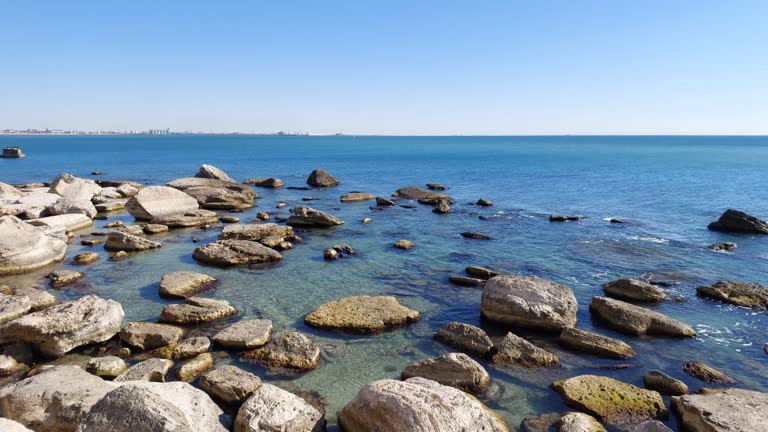
The sturgeon population in the Caspian Sea has plummeted by 90% over the past four decades, according to Sergei Ponomarev, a deputy of Kazakhstan’s Mazhilis (lower house of parliament). Speaking during a recent meeting of the Mazhilis Committee on Ecology, Ponomarev cited both the sea’s progressive shallowing and escalating environmental degradation caused by human activity as key contributors to the decline. He emphasized that oil production and significant volumes of untreated domestic and industrial waste are the primary sources of pollution in the Caspian Sea. “Oil extraction suppresses the development of phytobenthos and phytoplankton, while sewage discharges have transformed the sea into a reservoir of infectious diseases. Biodiversity is in severe crisis,” he said. The deteriorating water quality has also weakened the immune systems of marine species, leading to reduced disease resistance. As a result, the population of Caspian seals has dropped from one million to just 100,000, and sturgeon numbers have seen a dramatic 90% reduction, primarily due to reproductive disruptions at spawning sites. Ponomarev warned of broader public health consequences in Kazakhstan’s Atyrau and Mangistau regions, including declining life expectancy and increasing cancer rates. He forecasted that by 2040, up to five million residents could become “ecological migrants” if conditions continue to worsen. “The Caspian Sea Institute has been created, but it remains non-functional. We are losing invaluable time,” he said, urging the government to adopt a science-based approach to ecological monitoring and recovery efforts. Kazakhstan approved the establishment of the Caspian Sea Institute in November 2023 to study and address the environmental degradation of the sea, including declining water levels and mass die-offs of marine life. However, Vice Minister of Ecology and Natural Resources Mansur Oshurbaev reported that funding remains unresolved. The ministry has requested KZT 1.8 billion ($3.4 million) from the government’s reserve for 2025 to operationalize the institute, which will be based in Aktau with a staff of 91. Oshurbaev also highlighted efforts to develop an environmental sensitivity map for Kazakhstan’s Caspian coastline, aimed at preventing oil spills and aiding biodiversity conservation. Kazakh scientists predict a consistent decline in the sea level, which could reach minus 33 meters by 2050, a scenario they warn would be catastrophic for the ecosystem. As previously reported by The Times of Central Asia, according to the global movement, Save the Caspian Sea, the water level has already dropped by two meters over the past 18 years. If this trend continues, the sea could shrink by another 18 meters by the end of the century, risking an ecological disaster comparable to the collapse of the Aral Sea.

Kyrgyzstan Launches $52 Million Environmental Initiative to Combat Natural Disasters

Kyrgyzstan has officially launched RESILAND CA+, a $52 million environmental initiative aimed at restoring degraded landscapes, reducing natural disaster risks, and strengthening regional cooperation in sustainable land management. Funded primarily by the World Bank, the project targets key ecological threats across several regions, including Osh, Jalal-Abad, Naryn, and Issyk-Kul, with a particular focus on the Kara-Darya River Basin, an area highly vulnerable to mudflows. According to the Kyrgyz Ministry of Emergency Situations, RESILAND CA+ seeks to mitigate the impact of mudflows, restore forests and soils, and build climate resilience across borders. Kyrgyzstan has recorded more than 900 mudflows over the past 12 years, posing a constant threat to lives and livelihoods, particularly in mountainous and riverine communities. “This project opens a new chapter in combating land degradation and climate threats in Kyrgyzstan,” said Boobek Azhikeev, Minister of Emergency Situations. “We are not just restoring landscapes, we are protecting the future of our communities”. The RESILAND CA+ program is financed through a combination of grants and credits from international development partners: $45 million in credit from the International Development Association (IDA) $5 million grant from the PROGREEN global partnership $2.4 million grant from the Korea-World Bank Partnership Facility (KWPF) Tatiana Proskuryakova, the World Bank’s Regional Director for Central Asia, stressed the broader impact of the initiative: “RESILAND CA+ is not just about the environment, it’s an investment in people’s safety, in the economy, and in international partnerships. Restoring nature helps us prevent future disasters”. Set to run through 2029, the program is part of a larger Central Asian strategy to manage transboundary landscapes and natural resources collaboratively.

Communities in Uzbekistan and Turkmenistan Demand World Bank Investigation into Rogun HPP

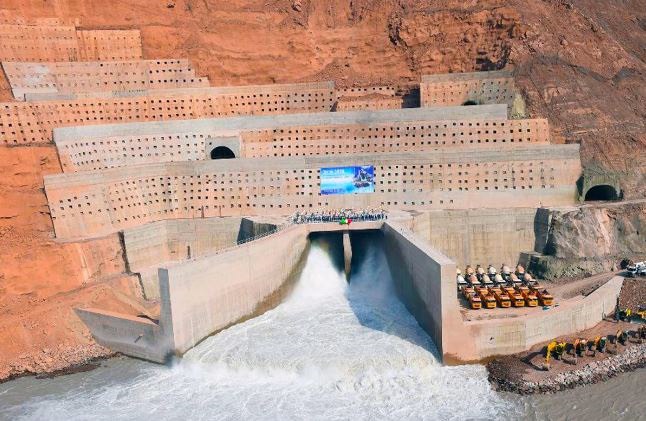
The World Bank’s Inspection Panel has agreed to formally investigate the World Bank’s involvement in the Rogun Hydropower Project (HPP) in Tajikistan, following a complaint filed on behalf of communities living downstream on the Amu Darya River in Uzbekistan and Turkmenistan. The complaint, submitted by the international environmental coalition Rivers without Boundaries, raises serious concerns about the project's environmental and social impacts. The group claims the World Bank approved funding for the project based on outdated and incomplete assessments, failing to adequately consider risks to local ecosystems and communities. At the heart of the issue is the potential impact of filling the Rogun reservoir, which could reduce water flow to the Amu Darya delta by 25% or more. Experts warn this could accelerate desertification, increase soil salinity, and threaten the livelihoods and health of up to 10 million people in Uzbekistan and Turkmenistan. Particularly vulnerable are the region’s rare tugai forests, including the Tigrovaya Balka Reserve, which was inscribed on UNESCO’s World Heritage List in 2023. The dam's construction also endangers local aquatic species, such as the critically endangered Amu Darya false shovelnose sturgeon. “This investigation is a crucial step,” said Yevgeny Simonov, international coordinator of Rivers without Boundaries. “The Rogun project in its current form is a massive threat to the environment and to millions of people in Central Asia. The World Bank must adhere to its own environmental and social safeguards.” Activists also criticized the lack of public consultation in Uzbekistan and Turkmenistan, where affected communities were allegedly not informed in their native languages, Uzbek, Karakalpak, or Turkmen and where access to key documents was limited. Several complainants reportedly requested anonymity, citing fear of retaliation, which reflects the challenging environment for civic participation in the region. “People living in the lower Amu Darya basin have already suffered for decades due to poor water management and the drying of the Aral Sea. The Rogun project could be the final blow,” said Manana Kochladze of CEE Bankwatch Network. “There has been no serious dialogue with those whose lives depend on this river, which contradicts the basic principles of transparency and participation.” In 2023, environmental groups submitted proposed modifications to align the Rogun project with international standards, including cheaper and safer alternatives. However, the World Bank has yet to respond. Rivers without Boundaries alleges that the project violates multiple Bank policies, including those on environmental assessment, biodiversity protection, resource efficiency, dam safety, community engagement, and resettlement. The coalition is now urging the World Bank and other financiers to pause funding until a comprehensive, independent, and transparent investigation is completed and until meaningful steps are taken to prevent further harm to both people and nature.

Kyrgyzstan to Plant 10 Million Trees in Issyk-Kul via Carbon Credit Initiative

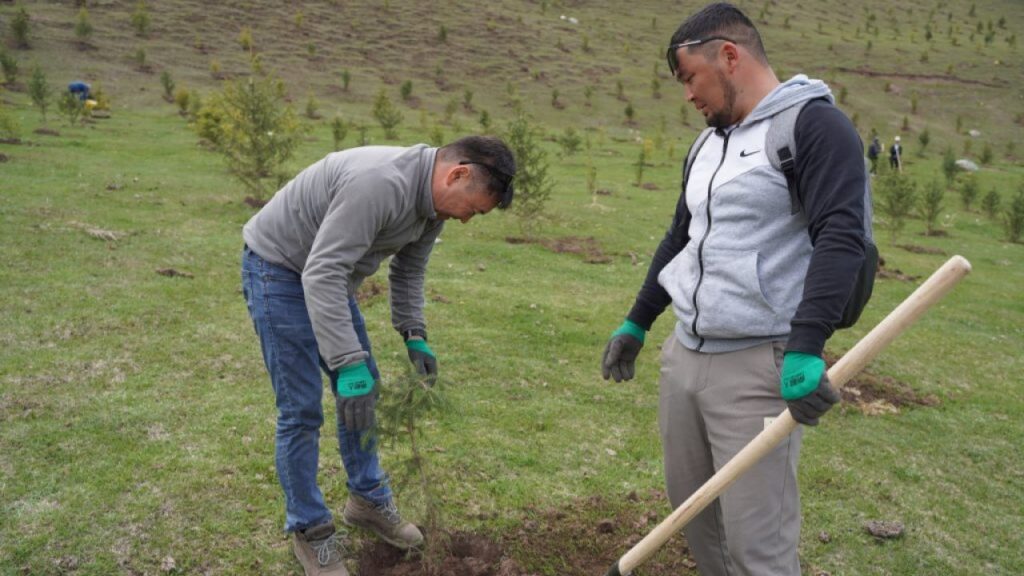
Kyrgyzstan is set to launch Central Asia’s first large-scale tree-planting project funded through carbon credits, in a landmark move toward reducing its carbon footprint and expanding its role in global climate finance. The ambitious initiative aims to plant over 10 million trees across 25,000 hectares in the Issyk-Kul region, with the potential to attract up to $180 million in climate financing. The project was discussed on April 8 during a meeting between Adylbek Kasymaliyev, Chairman of Kyrgyzstan’s Cabinet of Ministers, and representatives of Valor Carbon, a UK-based firm specializing in climate finance. It will be implemented through the sale of carbon credits, officially marking Kyrgyzstan’s entry into international green finance markets. According to Valor Carbon, this will be the largest initiative of its kind in Central Asia and could unlock new opportunities in sectors such as transportation, food processing, hospitality, beekeeping, and eco-tourism. The new program aligns with Kyrgyzstan’s broader environmental campaign, Jashyl Muras (Green Heritage), launched by President Sadyr Japarov in March 2022. The campaign envisions planting 5-6 million saplings annually nationwide. In 2024, the Ministry of Natural Resources, Ecology and Technical Supervision reported that 8,167,000 saplings were planted as part of the initiative, with a survival rate of 64%.

Uzbekistan Launches $153 Million Forest Restoration Project with World Bank Support

Uzbekistan, in collaboration with the World Bank, has launched a major initiative to restore forests and rehabilitate degraded lands across the country. The Uzbekistan Resilient Landscapes Restoration Project (RESILAND) was officially announced during the Samarkand Climate Forum on April 5. The World Bank will provide $153 million in funding, consisting of a combination of low-interest loans and grants. This initiative forms part of a broader regional strategy aimed at combating land degradation and enhancing climate resilience throughout Central Asia. RESILAND will initially target six provinces: Samarkand, Surkhandarya, Syrdarya, Jizzakh, Namangan, and Kashkadarya. Its objectives include forest restoration, improved land management, and the creation of new jobs through afforestation and nature-based business ventures. Uzbekistan’s Minister of Ecology, Aziz Abdukhakimov, emphasized that the project will play a critical role in helping the country achieve its goal of expanding forested areas to 6.1 million hectares by 2030. “The project will also support food systems, infrastructure, and nature tourism,” he said. Currently, only 10.6% of Uzbekistan’s territory is forested. In recent years, the government has intensified efforts to increase forest cover, particularly on the desiccated seabed of the Aral Sea. Tatiana Proskuryakova, World Bank Regional Director for Central Asia, welcomed the initiative, noting, “The World Bank values the opportunity to support the government of Uzbekistan in its efforts to restore degraded lands.” As part of the project, Uzbekistan plans to rehabilitate forests on 176,000 hectares, improve pasture conditions, combat soil erosion in mountainous regions, and develop agroforestry and industrial forest sectors. An additional 5,000 hectares will be allocated for the cultivation of medicinal plants. RESILAND will also provide support for small and medium-sized enterprises, offer training for local farmers, and promote eco-tourism in protected areas. The initiative includes plans to improve the infrastructure of the Forestry Agency and to launch Uzbekistan’s first National Forest Inventory. A new partnership between the Forestry Agency and the Green University near Tashkent will further use grant funding to advance forestry education and research. The project is part of the wider RESILAND CA+ program, which encompasses similar initiatives in Kazakhstan, Kyrgyzstan, Tajikistan, and Turkmenistan.