• KGS/USD = 0.01144 0%
  • KZT/USD = 0.00205 0%
  • TJS/USD = 0.10785 0.09%
  • UZS/USD = 0.00008 0%
  • TMT/USD = 0.28571 0.28%
  • KGS/USD = 0.01144 0%
  • KZT/USD = 0.00205 0%
  • TJS/USD = 0.10785 0.09%
  • UZS/USD = 0.00008 0%
  • TMT/USD = 0.28571 0.28%
  • KGS/USD = 0.01144 0%
  • KZT/USD = 0.00205 0%
  • TJS/USD = 0.10785 0.09%
  • UZS/USD = 0.00008 0%
  • TMT/USD = 0.28571 0.28%
  • KGS/USD = 0.01144 0%
  • KZT/USD = 0.00205 0%
  • TJS/USD = 0.10785 0.09%
  • UZS/USD = 0.00008 0%
  • TMT/USD = 0.28571 0.28%
  • KGS/USD = 0.01144 0%
  • KZT/USD = 0.00205 0%
  • TJS/USD = 0.10785 0.09%
  • UZS/USD = 0.00008 0%
  • TMT/USD = 0.28571 0.28%
  • KGS/USD = 0.01144 0%
  • KZT/USD = 0.00205 0%
  • TJS/USD = 0.10785 0.09%
  • UZS/USD = 0.00008 0%
  • TMT/USD = 0.28571 0.28%
  • KGS/USD = 0.01144 0%
  • KZT/USD = 0.00205 0%
  • TJS/USD = 0.10785 0.09%
  • UZS/USD = 0.00008 0%
  • TMT/USD = 0.28571 0.28%
  • KGS/USD = 0.01144 0%
  • KZT/USD = 0.00205 0%
  • TJS/USD = 0.10785 0.09%
  • UZS/USD = 0.00008 0%
  • TMT/USD = 0.28571 0.28%

Viewing results 1 - 6 of 60

Tajikistan Strives to Protect its Natural Environment Against Climate Change

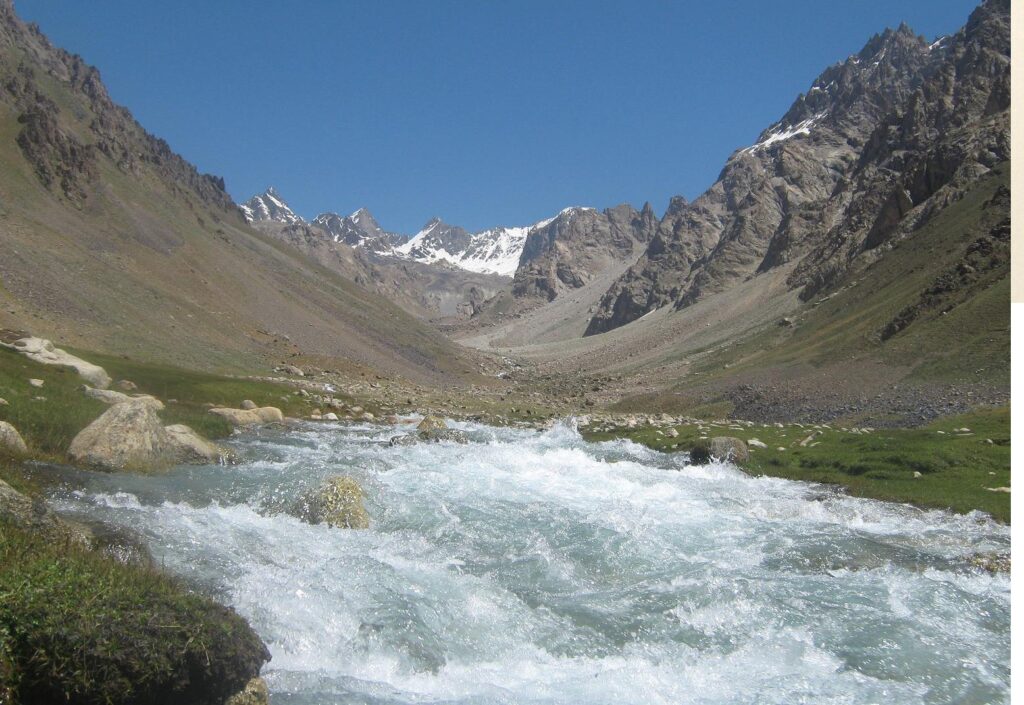
Climate change is having an increasing impact on Tajikistan's flora and fauna and climatologists predict further drying up of regions, jeopardizing the country's biodiversity. According to the International Union for Conservation of Nature (IUCN), over 860 species have disappeared worldwide since 1500, and some 17,300 species are currently under threat. To mitigate the effects of climate change in their country, Tajik scientists have urged that measures be taken to preserve rare species of plants and animals. Speaking on the issue, Khikmat Khisoriev, a doctor of biological sciences and an academician at the National Academy of Sciences of Tajikistan, stated that climate has changed cyclically throughout history, with alternating periods of cooling and warming . In recent decades, however, the significant increase in the  rate of warming has a powerful impact on plant life. Rapid changes in environmental conditions do not allow  plants time to adapt, leading to the extinction of vulnerable species such as the anzur onion, the Vavilov almond, and other endemic plants of Tajikistan. The loss of rare species of economic importance is a particular concern. For example, the endemic plant Ferula Tajiki, widely used in medicine, is on the verge of extinction due to intensive harvesting. Such processes lead to a decrease in the country's biodiversity, and ecosystems are becoming less resistant to external changes. Climatic change is also affecting wildlife. According to Abdusattor Saidov, zoologist and corresponding member of the National Academy of Sciences of Tajikistan, changes in humidity in Tajikistan's mountains  can significantly impact the composition of vegetation, and in turn, forage for wildlife. Forced to migrate in search of food,  Tajikistan's populations of species such as the Marco Polo sheep, Siberian ibex, and snow leopard, could potentially diminish. The situation is also aggravated by anthropogenic factors including excessive collection of plants, poaching, and economic activities, which are especially dangerous for species with restricted habitats. Among such species is the Apollo Autocrator butterfly which living in the Pamirs, is unable adapt to change as quickly as other organisms. To combat these challenges, the Government of Tajikistan has developed the “National Program of the Republic of Tajikistan ‘Green Country’ for 2023-2027" to address climate change, restore ecosystems, and develop a green economy. The program aims to plant 65 million trees by the end of 2025, creating protected areas, and introducing modern technologies for sustainable management of natural resources. Biodiversity conservation also includes expanding the network of protected areas. Tajikistan already has reserves and national parks covering 22% of the country's territory, in which 70% of flora and fauna species are preserved. Much more, however, needs to be done to fully compensate for climate change and anthropogenic impact losses. In addition to more effective measures to protect rare species, such as introducing quotas for plant collection and controlling economic activities in habitats, other necessary measures include developing zero-waste technologies, and public education programs to raise awareness of the importance of nature conservation. Experts believe that sustainable development is only possible with the active participation of all sectors...

New Report From World Bank Condemns Tashkent Air Quality

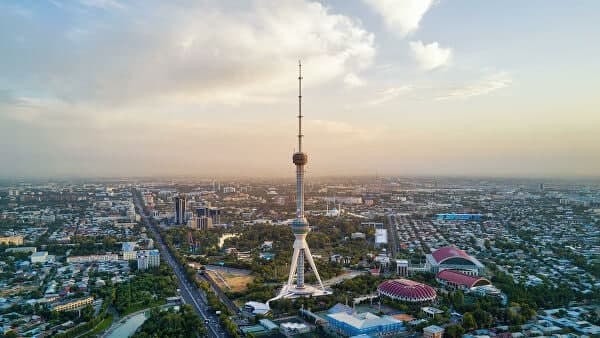
A new World Bank report entitled "Air Quality Assessment for Tashkent and the Roadmap for Air Quality Management Improvement in Uzbekistan" gives a frightening assessment of the air quality in the country’s capital. The report finds that ambient PM2.5 concentrations in Tashkent, which peak in winter, substantially exceed international air quality standards. The annual average concentration exceeds six times the WHO’s average yearly guideline of 5 µg/m3. In Tashkent, PM2.5 ambient air pollution has considerable health and economic costs. It can be linked to health costs equivalent to 0.7% of Uzbekistan’s gross domestic product (GDP). Most air quality-related diseases and premature deaths in Uzbekistan and worldwide are linked to PM2.5, which the World Health Organization (WHO) has identified as the pollutant with the gravest health risk. According to IQAir, Tashkent, like other Central Asian cities, frequently ranks among the world's most polluted urban areas. According to the report, the primary sources of human-caused PM2.5 pollution in Tashkent are the heating (28%), transport (16%), and industrial sectors (13%). Cross-boundary sources like windblown dust (36% PM2.5 pollution) dominate in the summer, while commercial and residential heating is the primary source of PM2.5 pollution in the winter. The report’s AQM roadmap for Uzbekistan formulates priority actions such as updating air quality standards and legislation, developing a national AQM strategy and coordination mechanism, and taking measures in the industrial, transport, and heating sectors, which are most responsible for air pollution. The AQM roadmap recommends investments in emission reduction measures. The roadmap suggests that emissions from the heating sector can be reduced by improving the quality of fuels used and the efficiency of heating appliances, implementing energy efficiency measures, and switching to cleaner heating alternatives. At a government meeting on October 9, Uzbekistan’s President Shavkat Mirziyoyev reviewed a draft master plan for the city of Tashkent until 2045. Today the population of Tashkent is more than 3 million people, and it keeps growing. Over the past ten years, the average air temperature in Tashkent has increased by 1 degree Celsius. The number of cars is rising, and traffic is becoming increasingly congested. The new master plan takes these aspects into account. It plans to increase green areas in Tashkent and its suburbs threefold to 25,000 hectares, which will increase per capita green area from the current 3 to 6 square meters. Mirziyoyev emphasized the need to turn Tashkent into a city where at least 7.5 million people can live and work.

Referendum for Nuclear Power in Kazakhstan Passes

Kazakhstan's nuclear energy referendum on October 6 passed with a 71.12 % majority, marking a pivotal shift in the country's energy strategy. The nation has faced significant challenges with an aging energy infrastructure and a reliance on Russia to fill the gaps. The decision comes with historical sensitivities as Kazakhstan continues to grapple with the legacy of Soviet-era nuclear tests that caused widespread harm. The referendum offered citizens a direct voice in shaping their energy future, reflecting both the urgency of addressing the country’s current needs and the deep-seated concerns over nuclear safety. On the referendum ballot, Kazakhstanis were asked, “Do you agree to the construction of a nuclear power plant in Kazakhstan?”. The voter turnout was high, according to the Central Referendum Commission, with 7,820,918 Kazakhstan citizens receiving ballots, amounting to a 63.87% voter turnout. The voter turnout for the referendum on the new constitution in Kazakhstan, held on June 5, 2022, was similarly high at 68.44%. As the world's largest uranium producer, Kazakhstan is well-positioned to leverage its rich resources to transition towards more sustainable energy solutions. President Kassym-Jomart Tokayev has emphasized the critical importance of nuclear energy, not only in meeting the immediate electricity needs amidst frequent power outages but also in aligning with global environmental commitments. At the Convention on Climate Change (COP28) held in Dubai on December 1, 2023, Tokayev made a Global Methane Pledge to reduce methane emissions by 30 percent by 2030. The nuclear power plant is expected to reduce Kazakhstan's reliance on fossil fuels, thus decreasing greenhouse gas emissions. Uzbekistan has already begun construction of a nuclear power plant 55km from the Kazakhstan border. Kyrgyzstan may also build a nuclear power plant in the Chui region, which is less than 300km south of the planned Kazakhstani plant in Ulken on Lake Balkash. International observers from the Shanghai Cooperation Organization (SCO), the Organization of Turkic States (OTS), and the Conference on Interaction and Confidence Building Measures in Asia (CICA) have all affirmed that the recent referendum was conducted in accordance with current legislation, describing it as open, free, and legitimate. Kazakhstan’s Deputy Foreign Minister Roman Vassilenko noted the participation of over 200 foreign journalists during the referendum, underscoring the transparency and openness of the voting process. Radio Free Europe, through its affiliate Azattyk, was critical of the referendum. An incident of ballot stuffing at a Turkestan poll station was reported, as were accessibility issues for the disabled voters in the Uralsk region. One observer witnessed a suspicious busload of voters in Turkestan. RFE correspondents reported difficulty in getting voter turnout results throughout the afternoon at a station in Karganda and Aktobe. With that in mind, the irregularities seem to be few and far between overall: The League of Young Voters, a vigilant group of local observers, identified a total of 20 technical violations across the country’s 10,249 polling stations. The referendum day proceeded without significant issues, shifting attention to Kazakhstan's urgent energy shortfalls. With the nuclear power plant expected to be operational in 2034,...

UNESCO Concerned About Plans to Develop Western Tien Shan

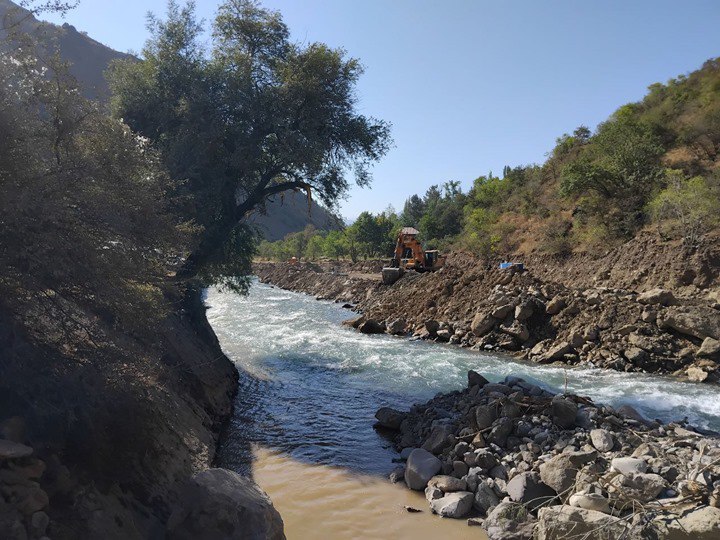
UNESCO has expressed concern over the plans of Kyrgyzstan, Kazakhstan, and Uzbekistan to develop natural areas of the Western Tien Shan, a World Natural Heritage site. This concern was realized after a visit by UNESCO and the International Union for Conservation of Nature (IUCN), which was a joint mission to these countries to assess the state of the site and the impact of economic activity on it. The public foundation (PF) “Rivers Without Borders” stated this in its report. According to UNESCO, the “Western Tien Shan” is a transboundary site in the Central Asian Tien Shan mountain system, one of the seven largest mountain ranges in the world. The altitude of different sections of the Western Tien Shan varies from 700 to 4503 meters. The site consists of diverse landscapes characterized by a vibrant biodiversity. The Western Tien Shan region is important globally as it is the birthplace of several fruit tree species and is characterized by diverse forest types and unique plant life. In Kyrgyzstan, evidence of the illegal mining of gold within the territory of the World Heritage Site was revealed. In addition, a powerful hydroelectric power plant is planned to be built on the Chatkal River, which may flood protected areas and disrupt the landscape. The construction of the Talas-Chatkal-Tashkent highway along the reservoir will only aggravate the ecological situation. In Kazakhstan, the authorities plan to build a cascade of hydropower plants on the Ugam River, which could destroy the current river ecosystem. Part of the river's flow will be directed through a 210-kilometer pipe for use in other regions of Turkestan region. Experts expressed severe concerns about destroying the natural ecosystem and possible consequences for local flora and fauna. The situation is no less alarming in Uzbekistan: the Chatkal and Ugam rivers have already been dammed, significantly altering their natural landscape. During the visit, the experts said that bulldozers and excavators are already changing the course of the Ugam River, channeling it into artificial channels to construct several small hydropower plants. Rivers Without Borders also oppose these projects, pointing out that they violate international standards and UNESCO requirements. The organization's chief specialist, Evgeny Simonov, stressed that implementing the projects without appropriate environmental assessments and consultations with UNESCO violates the Convention for the Protection of the World Cultural and Natural Heritage. The report on the mission's results is expected to be presented at the next session of the UNESCO World Heritage Committee in 2025 in Sofia, Bulgaria.

Kyrgyzstan Asks IAEA for $45 Million for Nuclear Waste Remediation

Kyrgyzstan's Deputy Minister of Emergency Situations, Azamat Mambetov, has asked for support from Central Asian countries at the International Atomic Energy Agency's General Session in Vienna, Austria. The 68th session of the IAEA General Conference is taking place from September 16 to 20, 2024. An official from the Kyrgyz Republic Ministry of Emergency Situations made a speech that called for attention to be paid to the importance of ensuring environmental safety in the region. “In his speech, Azamat Mambetov emphasized the importance of the problem of radiation safety in Central Asia and called for the intensification of international efforts to reclaim uranium tailings in the region,” the Ministry of Emergency Situations stated. The IAEA adopted a resolution on “The Role of the International Community in Preventing Radiation Threats in Central Asia.” A strategic master plan was developed to reclaim uranium sites in the region and create a special account for environmental remediation in Kyrgyzstan, Uzbekistan, and Tajikistan. The Deputy Minister of Emergency Situations of Kyrgyzstan informed IAEA members about the process of completing the reclamation of two nuclear waste sites in the country's south. This has allowed about 80,000 people in that area to live safely. The Kyrgyz Ministry of Emergency Situations stressed that it is grateful to all countries and international organizations that have made a significant contribution to the environmental rehabilitation of the tailing dumps left over from Soviet-era uranium mining in Central Asia. However, approximately another $45 million is needed to implement the Strategic Master Plan fully. According to the Kyrgyz Ministry of Emergency Situations, there are currently 92 toxic and radioactive waste dumps in the country. Of these, 23 tailings contain uranium elements, while the rest contain radioactive rock residues, heavy metals, and cyanide.

Climate Crisis May Drastically Reduce Production in Central Asia

Central Asia may face serious economic losses due to climate change, which may reach a 6.5% annual decline in production by 2060. These figures were announced by Bo Li, Deputy Managing Director of the International Monetary Fund (IMF), at the “New Economic Challenges for Long-Term Development” forum. According to Bo, the Caucasus and Central Asia region is particularly vulnerable to climate change. Soaring temperatures and increasing frequency of droughts and floods are reducing crops, destroying infrastructure, and lowering living standards. “According to IMF estimates, if no action is taken to slow down climate change, Central Asia will lose up to 6.5% of its output annually by 2060,” Bo said. He noted that possible losses could be reduced with joint actions such as reducing carbon emissions, transitioning to a green economy, and adapting to changing climate conditions. As an example, Bo noted the efforts of Kyrgyzstan, that has already started to increase electricity tariffs and reduce energy subsidies, allowing the country to adapt to climate challenges and create new jobs in the “green” sector. Many Central Asian countries are taking steps to reform the energy sector and introduce “green” technologies. For example, Kazakhstan is actively cooperating with several countries to develop renewable energy and reform the energy sector. One key example is the partnership with the United States under the USAID Power Central Asia program. This initiative supports Kazakhstan and other Central Asian countries in modernizing energy markets, introducing clean energy, and encouraging private investment in renewable energy. Uzbekistan is undergoing a major reform of its energy system to reduce subsidies and promote renewable energy. The country plans to increase the share of renewable energy to 25% by 2030, which includes solar and wind energy projects. These measures will help Uzbekistan improve energy efficiency and reduce carbon dioxide emissions. In Tajikistan, USAID is implementing the Power Central Asia program, which supports energy cooperation in the region and encourages using renewable energy to help reduce dependence on fossil fuels and modernize energy systems.