• KZT/USD = 0.00213
  • TJS/USD = 0.10800
  • UZS/USD = 0.00008
  • TMT/USD = 0.29850
  • KZT/USD = 0.00213
  • TJS/USD = 0.10800
  • UZS/USD = 0.00008
  • TMT/USD = 0.29850
  • KZT/USD = 0.00213
  • TJS/USD = 0.10800
  • UZS/USD = 0.00008
  • TMT/USD = 0.29850
  • KZT/USD = 0.00213
  • TJS/USD = 0.10800
  • UZS/USD = 0.00008
  • TMT/USD = 0.29850
  • KZT/USD = 0.00213
  • TJS/USD = 0.10800
  • UZS/USD = 0.00008
  • TMT/USD = 0.29850
  • KZT/USD = 0.00213
  • TJS/USD = 0.10800
  • UZS/USD = 0.00008
  • TMT/USD = 0.29850
  • KZT/USD = 0.00213
  • TJS/USD = 0.10800
  • UZS/USD = 0.00008
  • TMT/USD = 0.29850
  • KZT/USD = 0.00213
  • TJS/USD = 0.10800
  • UZS/USD = 0.00008
  • TMT/USD = 0.29850

Viewing results 1 - 6 of 2

World Bank Approves New $300 Million Grant for Tajikistan’s Rogun Hydropower Project

The World Bank’s Board of Executive Directors has approved a second phase of financing for Tajikistan’s Rogun Hydropower Plant, providing a $300 million grant to support construction of what is expected to become the largest power station in Central Asia. According to the World Bank, the new funding from the International Development Association will finance civil works, electromechanical equipment for electricity generation, project implementation support, and environmental and social measures, including resettlement assistance and livelihood restoration for affected households. The financing will also support reservoir monitoring, forecasting systems, and flood-risk management for downstream communities. The Rogun project is expected to generate 14,400 gigawatt-hours of renewable electricity annually, equivalent to roughly 60% of Tajikistan’s current electricity generation. The World Bank said the plant will help reduce the country’s chronic winter electricity shortages, improve access to reliable power for around 10 million people, create more than 30,000 direct and indirect jobs, and enable electricity exports to Kazakhstan and Uzbekistan. “In addition to reducing chronic power shortages, increased access to reliable electricity from the Rogun HPP will help power economic transformation and create jobs in Tajikistan,” said Najy Benhassine, the World Bank’s director for Central Asia. “By increasing the supply of clean electricity, this transformational project will help power homes, businesses, and public services, creating employment opportunities in the country.” The World Bank also said increased electricity exports would strengthen regional energy trade. “By facilitating electricity exports, the Rogun HPP will help revitalize the regional power market, allowing Central Asian countries to use their energy assets more efficiently,” said Charles Cormier, the bank’s director for infrastructure in Europe and Central Asia. “Enhanced regional connectivity is expected to reduce supply constraints in the region and contribute to improved reliability and energy security.” At the request of the government of Tajikistan, the World Bank is coordinating international support for the project through the Rogun Coordination Group. The group includes development partners that have approved or expressed interest in supporting the project, including the Asian Development Bank, Asian Infrastructure Investment Bank, European Investment Bank, Islamic Development Bank, OPEC Fund, and several Gulf-based development funds. The latest financing comes as the project continues to face environmental scrutiny. Last year, The Times of Central Asia reported that the World Bank’s Inspection Panel had registered and reviewed a complaint concerning the bank’s involvement in the Rogun project. The complaint was submitted by the environmental coalition Rivers Without Boundaries on behalf of communities living downstream in Uzbekistan and Turkmenistan. The complainants argued that the project’s environmental and social assessments were outdated and did not fully evaluate potential downstream impacts. Environmental groups warned that filling the Rogun reservoir could reduce water flow to the Amu Darya delta, potentially accelerating desertification, increasing soil salinity, and affecting livelihoods in Uzbekistan and Turkmenistan. In November 2025, environmental groups criticized the World Bank Board after it declined to authorize a full investigation, despite an Inspection Panel recommendation for a comprehensive review. The World Bank has said the project is subject to environmental and social safeguards,...

Dushanbe Considers Waste-to-Energy Plant as Part of Green Development Strategy

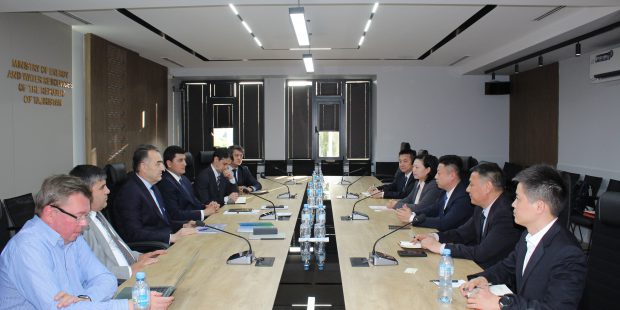
Authorities in Tajikistan’s capital are considering the construction of a modern waste-to-energy facility that would process municipal solid waste while generating electricity, as part of efforts to develop more sustainable urban infrastructure. The proposal was discussed during talks between Tajikistan’s minister of energy and water resources, Daler Juma, and Environmental Protection Committee chairman Bahodur Sheralizoda, and representatives of the Chinese company Wangneng Environment, which specializes in waste treatment and energy recovery technologies. The parties explored the possibility of introducing municipal waste-processing technologies, including electricity generation through waste incineration and other forms of energy recovery. Such systems are used in a number of major cities in Asia and Europe as part of broader waste-management and urban sustainability policies. For Dushanbe, the project is gaining importance as the city’s population continues to grow and household waste volumes increase. Experts note that the existing landfill-based waste-management system is gradually becoming inadequate for the needs of a rapidly expanding urban center, particularly amid rising environmental pressures and limited land resources. If implemented, the facility could address several challenges at once by reducing the volume of waste sent to landfills, improving environmental and sanitary conditions, and adding to the capital’s electricity-generating capacity. The initiative is also being presented as one element of Tajikistan’s push to promote environmentally sustainable economic growth and expand the use of green technologies. In recent years, the country has supported international initiatives focused on climate adaptation, sustainable resource management, and cleaner energy development. Environmental and economic specialists note that waste-to-energy projects can help reduce pressure on landfills while providing an additional source of electricity for fast-growing cities. At the same time, they say strict environmental safeguards, modern filtration systems, and transparent monitoring would be essential to minimizing air pollution and ensuring compliance with international standards. Following the discussions, the parties expressed their willingness to continue consultations on the project. Key parameters of the proposed facility, including waste-processing capacity, electricity generation volumes, environmental requirements, and financing mechanisms, are expected to be determined during the next stages of negotiations.