
• KGS/USD = 0.01143 0%
  • KZT/USD = 0.00211 0%
  • TJS/USD = 0.10793 0.09%
  • UZS/USD = 0.00008 0%
  • TMT/USD = 0.28571 0%
  • KGS/USD = 0.01143 0%
  • KZT/USD = 0.00211 0%
  • TJS/USD = 0.10793 0.09%
  • UZS/USD = 0.00008 0%
  • TMT/USD = 0.28571 0%
  • KGS/USD = 0.01143 0%
  • KZT/USD = 0.00211 0%
  • TJS/USD = 0.10793 0.09%
  • UZS/USD = 0.00008 0%
  • TMT/USD = 0.28571 0%
  • KGS/USD = 0.01143 0%
  • KZT/USD = 0.00211 0%
  • TJS/USD = 0.10793 0.09%
  • UZS/USD = 0.00008 0%
  • TMT/USD = 0.28571 0%
  • KGS/USD = 0.01143 0%
  • KZT/USD = 0.00211 0%
  • TJS/USD = 0.10793 0.09%
  • UZS/USD = 0.00008 0%
  • TMT/USD = 0.28571 0%
  • KGS/USD = 0.01143 0%
  • KZT/USD = 0.00211 0%
  • TJS/USD = 0.10793 0.09%
  • UZS/USD = 0.00008 0%
  • TMT/USD = 0.28571 0%
  • KGS/USD = 0.01143 0%
  • KZT/USD = 0.00211 0%
  • TJS/USD = 0.10793 0.09%
  • UZS/USD = 0.00008 0%
  • TMT/USD = 0.28571 0%
  • KGS/USD = 0.01143 0%
  • KZT/USD = 0.00211 0%
  • TJS/USD = 0.10793 0.09%
  • UZS/USD = 0.00008 0%
  • TMT/USD = 0.28571 0%

Viewing results 1 - 6 of 3

From Bishkek to Yakutsk: What Unites Eurasia’s Emerging Cinema

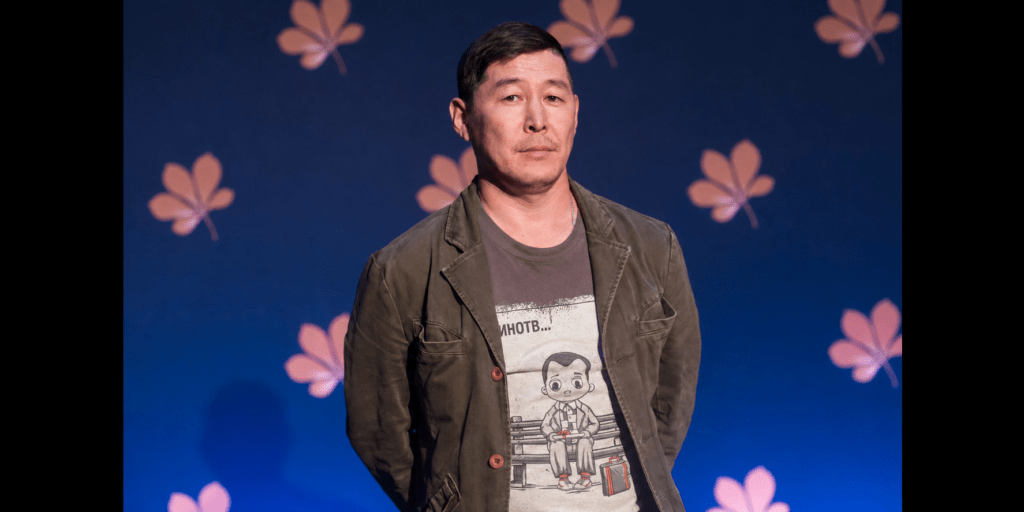
Stepan Burnashev is a Sakha filmmaker from Yakutia who has helped bring Yakut cinema to audiences far beyond the republic. His films have screened at international festivals, appeared on Amazon, and helped turn Yakut cinema into one of the most distinctive regional film movements in Eurasia. In Bishkek, where Burnashev served on the jury of the national KyrgyzBox section, The Times of Central Asia spoke with him about the phenomenon of Yakut cinema, international ambitions, and what connects Yakutsk, Bishkek, and other emerging cinemas of Eurasia. TCA: Stepan, this is not your first time attending the Bishkek International Film Festival. What attracts you to it? Stepan Burnashev: I love Bishkek very much. There is good cinema here, wonderful people, and Kyrgyz culture feels very close to me in many ways. I have attended three of the four festivals held so far. Still, I have never shown my own films here. The first time I came to Bishkek was at the invitation of Erke Jumakmatova, the head of the festival’s industry program. We met back in Busan, and she invited me to participate in a pitching session. Back then, I flew in with a team of Yakut filmmakers: Apollinaria Degtyareva, Alexey Egorov, and me. Apollinaria and I both participated in the pitching, and this year she entered the main competition of the Bishkek Film Festival with that project. The second time, I came on my own initiative because I had really fallen in love with the festival. It has a special warmth and atmosphere. This time I was invited as a jury member for the national KyrgyzBox program. TCA: How do you assess the KyrgyzBox program? Do you see any common ground between Kyrgyz and Yakut cinema? Stepan Burnashev: The program is interesting, though, as everywhere, there are weaker films and stronger ones. From what I understand, mainstream cinema, such as comedies, is more popular here, while in Yakutia, auteur films are also audience-driven. It is interesting, but I noticed that music is used much more actively in Kyrgyz films. In our films, music usually does not dictate anything to the viewer or tell them what to feel. Here I saw films with a different approach. It is curious. TCA: What kind of cinema interests you more today, auteur or mainstream? Stepan Burnashev: In fact, I do not divide cinema into auteur and mainstream. I divide films into good and not-so-good. I even try not to use the word “bad.” It seems unfair to the people who create films. Any director starts working on a film convinced they will make a great one. And I sincerely believe that no one sets out to make a terrible movie. Of course, there are cases where the result does not meet expectations, but behind every project there is the labor of many people. That deserves respect. TCA: What do you think about contemporary Kazakh cinema? Do you know it well? Stepan Burnashev: To say that I know Kazakh cinema very well would be an...
Where East Meets West: Seventh Eurasian Film Festival Celebrates Cinema in London

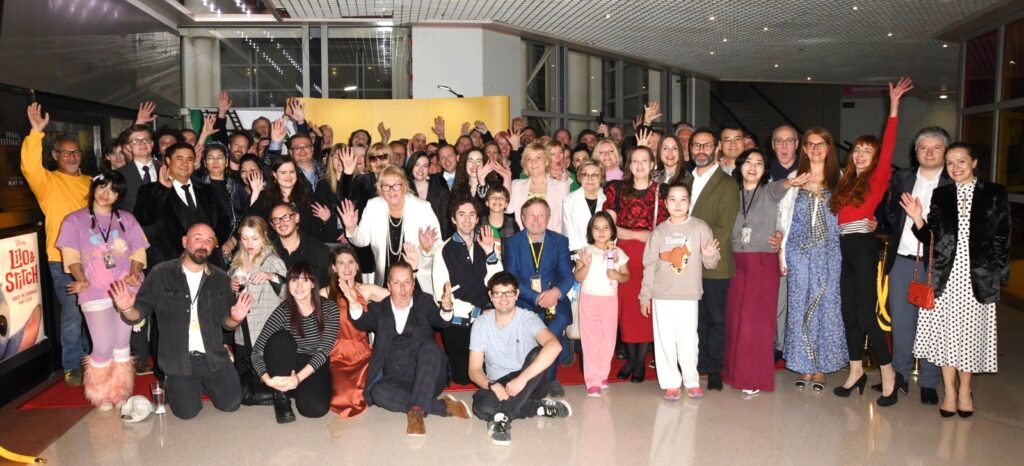
From May 22 to 27, the seventh Eurasian Film Festival brought a celebration of Eurasian cinema to London. Organized by Silk Road Media and the Eurasian Creative Guild (ECG), the event, held in partnership with the Romford Film Festival, showcased a range of artistic talents while fostering cultural and industry connections. This year’s festival featured submissions from 23 countries, providing a diverse line-up of feature films, shorts, documentaries, animation, music videos, screenplays, and more. The event provided a platform for filmmakers to share stories rooted in Eurasia's cultural heritage. Prize-Winning Films This year’s awards spanned a range of categories, honoring creativity and technical excellence. Highlights included Sirin’s Song by Elena Turova (Belarus) for Best Animation and The Master of the Altai Mountains by Vadim Vitovtsev and Ilya Tsyganov (Russia) as for Best Documentary. The Audience Award in this category went to Baltic Radiation by Aldona Grupas (UK). In the feature film category, Where The White Cranes Dance (Russia) and Aydillar (Uzbekistan) shared the top honor, with Magtymguly Pyragy (Turkmenistan/Uzbekistan) taking the Audience Award. Kazakhstan made a strong showing in the Short Films category, with Poncha by Kaisha Rakhimova taking first place and Call by Asem Kuanishbayeva winning the Audience Award. Several screenplays and productions also received special jury mentions, including Daddy Arrived by Almaz Kossobaev (Kyrgyzstan), emphasizing the festival’s role in highlighting emerging talent. Literature Meets Film A notable theme this year was the dialogue between literature and cinema. Presentations included The Legends of the Great Silk Road: Adventures of the Spirit of Time a children’s book series by Gulchekhra-begim Makhmudova, exploring its adaptation into film. Ukrainian poet Serhii Bely also unveiled a project based on his novel The Maestro and the Muse. Special Recognitions and Events The festival also celebrated cultural contributions, with the Poezija Londyn Foundation presenting honorary medals to individuals such as Zhazira Zhanabayeva (Kazakhstan), whose art exhibition ran concurrently with the festival. A crowdfunding event led by actress Francesca Mepham generated significant interest in new projects, showcasing the event’s collaborative spirit. Submissions are now open for the 2026 season, as the festival continues to spotlight Eurasian cinema on the global stage.

Sixth Eurasia Creative Guild Film Festival to be Held in the U.K.

From May 24-28, Premier Cinemas Romford will host the Eurasia Creative Guild (ECG) Film Festival, in collaboration with the Romford Film Festival for the sixth consecutive year, featuring a diverse line-up of films from across the globe. Founded by the ECG to foster deeper cultural ties and understanding, the festival will feature 100 submissions from 22 countries, with movies from Spain, Kazakhstan, Kuwait, the U.K., Iran, Uzbekistan, Russia, Cyprus, Kyrgyzstan, Jordan, Tajikistan, Armenia, and China. In addition to the competition, there will be a program of educational films. The opening ceremony will feature an exhibition of original work by Central Asian artists, headlined by Rahima Makhmut from Kyrgyzstan, and a presentation by Gulsifat Shakhidi, a renowned writer from Tajikistan, of her latest book. On May 28, the ECG will present awards for the Best Eurasian Film, Best Short Film, Best Documentary, and Best Screenplay.
