• KGS/USD = 0.01144 0%
  • KZT/USD = 0.00200 0%
  • TJS/USD = 0.10475 -0.19%
  • UZS/USD = 0.00008 0%
  • TMT/USD = 0.28490 0%
  • KGS/USD = 0.01144 0%
  • KZT/USD = 0.00200 0%
  • TJS/USD = 0.10475 -0.19%
  • UZS/USD = 0.00008 0%
  • TMT/USD = 0.28490 0%
  • KGS/USD = 0.01144 0%
  • KZT/USD = 0.00200 0%
  • TJS/USD = 0.10475 -0.19%
  • UZS/USD = 0.00008 0%
  • TMT/USD = 0.28490 0%
  • KGS/USD = 0.01144 0%
  • KZT/USD = 0.00200 0%
  • TJS/USD = 0.10475 -0.19%
  • UZS/USD = 0.00008 0%
  • TMT/USD = 0.28490 0%
  • KGS/USD = 0.01144 0%
  • KZT/USD = 0.00200 0%
  • TJS/USD = 0.10475 -0.19%
  • UZS/USD = 0.00008 0%
  • TMT/USD = 0.28490 0%
  • KGS/USD = 0.01144 0%
  • KZT/USD = 0.00200 0%
  • TJS/USD = 0.10475 -0.19%
  • UZS/USD = 0.00008 0%
  • TMT/USD = 0.28490 0%
  • KGS/USD = 0.01144 0%
  • KZT/USD = 0.00200 0%
  • TJS/USD = 0.10475 -0.19%
  • UZS/USD = 0.00008 0%
  • TMT/USD = 0.28490 0%
  • KGS/USD = 0.01144 0%
  • KZT/USD = 0.00200 0%
  • TJS/USD = 0.10475 -0.19%
  • UZS/USD = 0.00008 0%
  • TMT/USD = 0.28490 0%

Viewing results 1 - 6 of 4

Central Asia Confronts Iran War Fallout as Trade Routes and Citizens Come Under Pressure

Central Asian governments are racing to protect citizens and keep trade moving as the U.S.–Israel war with Iran widens across the Middle East, disrupting airspace and driving up shipping and energy costs. The effects of the conflict are reaching a region that has spent the past four years trying to diversify trade routes and reduce dependence on maritime chokepoints, now disrupted by rising risk and transport volatility. The threat to its citizens has become immediate for Central Asian governments. On March 1, Kazakhstan’s Foreign Ministry said that it was working on evacuation measures for its nationals in escalation zones and urged citizens to follow official updates from diplomatic missions. It also advised Kazakh citizens in Iran to explore overland exits, including via Azerbaijan, Armenia, Türkiye, and Turkmenistan, given airspace closures and flight suspensions. Uzbekistan’s Foreign Ministry issued safety guidance for citizens in the United Arab Emirates, urging them to avoid crowded areas and adhere to official security directives as tensions in the region escalated. Tajik nationals have already been among those leaving Iran through Azerbaijan’s Astara crossing, with The Times of Central Asia reporting yesterday that five civilians from Tajikistan are among foreigners from numerous countries who have crossed from Iran into Azerbaijan. For Central Asia, the crisis is hitting both its people and its trade routes. The same border crossings used for evacuations sit on corridors that carry freight and connect the region to southern markets. Azerbaijan’s role as a transit hub has grown sharply over the past decade, but in this crisis, it is also a pressure valve for land exits from Iran. As of March 2, more than 300 people have been evacuated from Iran via Azerbaijan. Any tightening at borders or disruptions to rail and road links around the Caspian immediately affect how Central Asian states move both people and cargo. Oil and shipping costs are rising sharply. On March 1, oil prices jumped by around 10%, with analysts warning prices could move toward $100 a barrel if disruption in the Strait of Hormuz worsens. The impact across Central Asia has been uneven. Kazakhstan may see stronger export revenues in the short term due to higher crude prices, but that gain comes with volatility and increased import costs across the region. ING stated that stronger commodity prices could improve the external balance of fuel exporters such as Kazakhstan, while increasing inflation risks for importers. Shipping poses a deeper structural risk. Tanker owners and traders have slowed or suspended transits through the Strait of Hormuz because of security fears and insurance constraints, even without a formal blockade. Higher risk premiums feed directly into freight rates on the routes Central Asian exporters use to reach Europe, the Gulf, and South Asia. When insurers reprice war risk, smaller shippers and landlocked economies absorb the cost first. Iran is central to Central Asia’s trade geography. It serves as a transit state for the southern corridor linking Central Asian rail and port networks to Türkiye, Europe, and the Gulf. Central Asian...

Central Asia Unites: Evacuations Amid Middle East Turmoil

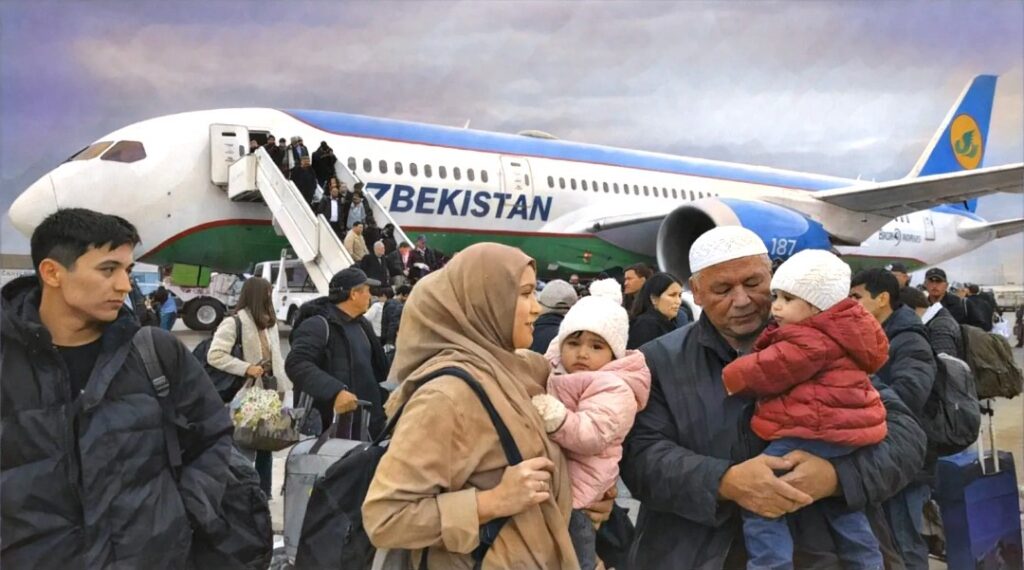
As hostilities between Israel and Iran escalate in the Middle East, Kazakhstan, Kyrgyzstan,  and Uzbekistan have initiated a comprehensive evacuation of their citizens from high-risk areas, drawing on regional cooperation and humanitarian assistance to ensure their safe return. Regional Support in Evacuation Efforts Azerbaijan and Turkmenistan have stepped in to aid the Central Asian nations' evacuation operations, providing transit routes and logistical support. At the Astara border checkpoint, six Kazakh citizens crossed from Iran into Azerbaijan, where they were offered medical assistance and meals before continuing their journeys. Turkmenistan has also facilitated the safe passage of approximately 120 evacuees, including citizens of Kazakhstan, Kyrgyzstan, Uzbekistan, Tajikistan, and Romania, through its border checkpoints with Iran. Turkmenistan’s Ministry of Foreign Affairs confirmed that foreign diplomats and their families were recently evacuated from Iran through Turkmenistan. The country provided comprehensive humanitarian assistance to the evacuees, offering transportation, food, accommodation, and essential supplies. Turkmenistan’s authorities highlighted that the operation was carried out in close cooperation with foreign embassies and international organizations, reflecting its commitment to humanitarian values, international cooperation, and good neighborly relations, particularly during the “Year of Peace and Trust,” as declared by the United Nations General Assembly at Turkmenistan’s initiative. Uzbekistan has evacuated over 30 citizens of its citizens from Iran via Turkmenistan and Azerbaijan, according to the Ministry of Foreign Affairs. “All necessary measures are being taken to ensure the safety of our citizens. The embassies of Uzbekistan in Iran and Israel are operating around the clock,” the ministry stated. Kyrgyzstan has also successfully evacuated 28 of its citizens from Iran via Azerbaijan. "Currently, the necessary assistance is being provided to facilitate the swift return of the evacuees from Azerbaijan to Kyrgyzstan," a Foreign Ministry official stated. Flight Bans and Alternative Routes Kazakhstan’s Civil Aviation Committee has meanwhile implemented a full ban on flights over or near the airspace of Iran, Iraq, Israel, Jordan, Lebanon, and Syria following intensified airstrikes in the region. This decision disrupted flights for hundreds of Kazakh travelers, particularly those in the United Arab Emirates and other Middle Eastern nations. To address the situation, alternative evacuation routes were established. On June 15, two FlyDubai flights arrived in Almaty, carrying a total of 332 Kazakh citizens. These flights included passengers initially stranded after the airspace ban and others who had been scheduled to depart after the interruption. Following rerouting operations, airlines such as Air Astana and FlyArystan have warned of disruptions to flights to and from the Gulf and North Africa. Passengers have been advised to check schedules in advance and to expect delays. Mirziyoyev Addresses the Conflict’s Impact The conflict between Israel and Iran has raised serious concerns across Central Asia. Speaking during a government meeting held via videoconference, Uzbekistan’s President Mirziyoyev warned that the hostilities could negatively impact newly developing trade and transport routes in the region. The growing conflict will “have an impact not only on the Middle East, but also on our region. If the escalation continues, trade relations and logistics routes that are...