• KGS/USD = 0.01144 0%
  • KZT/USD = 0.00216 0%
  • TJS/USD = 0.10659 0%
  • UZS/USD = 0.00008 0%
  • TMT/USD = 0.28530 0%
  • KGS/USD = 0.01144 0%
  • KZT/USD = 0.00216 0%
  • TJS/USD = 0.10659 0%
  • UZS/USD = 0.00008 0%
  • TMT/USD = 0.28530 0%
  • KGS/USD = 0.01144 0%
  • KZT/USD = 0.00216 0%
  • TJS/USD = 0.10659 0%
  • UZS/USD = 0.00008 0%
  • TMT/USD = 0.28530 0%
  • KGS/USD = 0.01144 0%
  • KZT/USD = 0.00216 0%
  • TJS/USD = 0.10659 0%
  • UZS/USD = 0.00008 0%
  • TMT/USD = 0.28530 0%
  • KGS/USD = 0.01144 0%
  • KZT/USD = 0.00216 0%
  • TJS/USD = 0.10659 0%
  • UZS/USD = 0.00008 0%
  • TMT/USD = 0.28530 0%
  • KGS/USD = 0.01144 0%
  • KZT/USD = 0.00216 0%
  • TJS/USD = 0.10659 0%
  • UZS/USD = 0.00008 0%
  • TMT/USD = 0.28530 0%
  • KGS/USD = 0.01144 0%
  • KZT/USD = 0.00216 0%
  • TJS/USD = 0.10659 0%
  • UZS/USD = 0.00008 0%
  • TMT/USD = 0.28530 0%
  • KGS/USD = 0.01144 0%
  • KZT/USD = 0.00216 0%
  • TJS/USD = 0.10659 0%
  • UZS/USD = 0.00008 0%
  • TMT/USD = 0.28530 0%

Viewing results 1 - 6 of 578

Kazakhstan and Afghanistan Seek to Increase Trade to $3 Billion

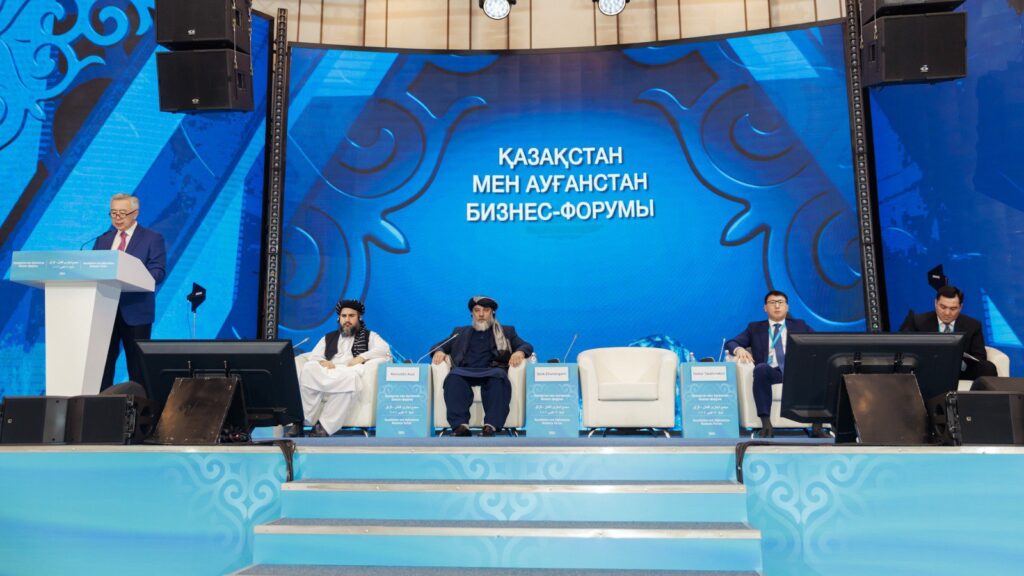
On October 22, Kazakhstan’s Deputy Prime Minister Serik Zhumangarin and Afghanistan’s Minister of Industry and Commerce, Nuriddin Azizi, signed a roadmap to increase Kazakh-Afghan trade turnover to $3 billion at a business forum in Almaty. This follows Kazakhstan’s removal of the Taliban from its list of terrorist organizations in June as part of an effort to develop trade and economic ties with Afghanistan. The roadmap includes Kazakhstan’s participation in constructing two railway lines in Afghanistan: Turgundi—Herat—Kandahar—Spin Boldak and Mazar-i-Sharif—Harlachi. It also aims to expand the range of goods in bilateral trade, develop cooperation in the chemical industry, and increase the export of Kazakh ammophos materials to Afghanistan. Additionally, the roadmap includes plans to export both new and used cars manufactured in Kazakhstan, set up service centers in Afghanistan, and build schools in the region. According to Kazakh officials, there is significant potential to increase grain and flour exports to Afghanistan while importing Afghan fruits, vegetables, dried fruits, and other food products. Kazakhstan is also interested in supporting Afghanistan’s economic development and integration into international transport corridors. In the first half of 2024, the volume of road transit from Afghanistan through Kazakhstan increased by 8%, exceeding 5,000 tons, compared to 10,000 tons last year. Deputy Prime Minister Zhumangarin noted at the forum that a railway corridor connects Kazakhstan and Afghanistan through Turkmenistan and Uzbekistan. Kazakhstan is also interested in using the Trans-Afghan corridor, which runs through the Karachi and Gwadar seaports in Pakistan, to facilitate the transit of Kazakh export cargo to markets in the Middle East and Southeast Asia. The Afghan delegation was offered access to the dry port of Khorgos on the Kazakh-Chinese border to ensure the smooth transit of Afghan goods to China via Kazakhstan. The business forum in Almaty coincided with Kazakh-Afghan negotiations on the logistics of transporting goods from China to Afghanistan and back through Kazakhstan. The event also featured an exhibition of Afghan food and industrial products.
Kazakhstan and Uzbekistan Prioritize Cooperation Between Regions

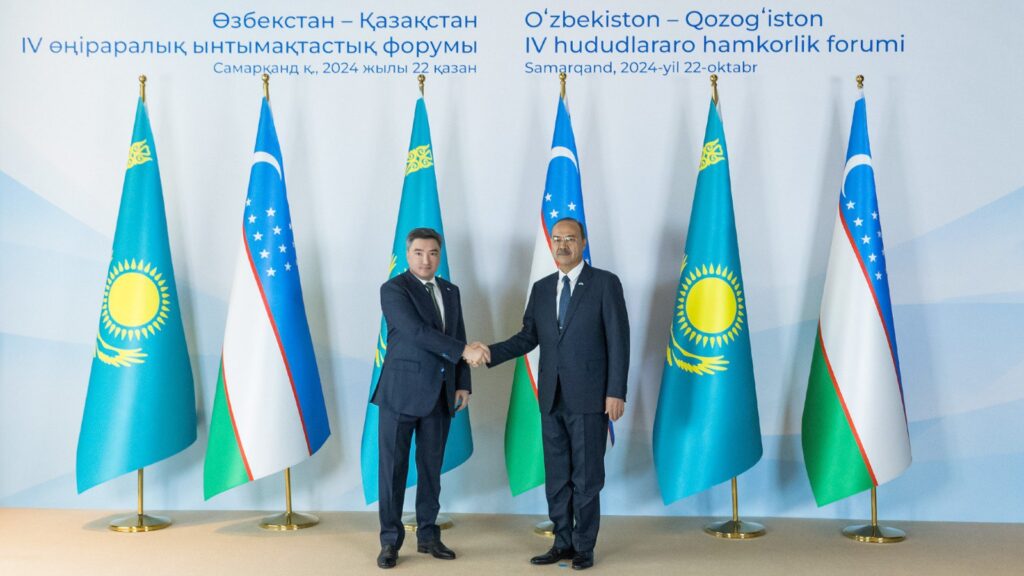
On October 22, the 4th Interregional Forum, “Uzbekistan-Kazakhstan,” was held in Samarkand, Uzbekistan. The forum addressed issues such as increasing bilateral trade turnover, developing industrial cooperation, and enhancing collaboration in the water, energy, transit, and transport sectors. Speaking at the forum, Uzbekistan’s Prime Minister, Abdulla Aripov, emphasized that developing cooperation between the regions of Uzbekistan and Kazakhstan is a priority in relations between the two countries. Aripov stated that “Over the past seven years, trade turnover between Uzbekistan and Kazakhstan has grown almost 2.5-fold, reaching $4.4 billion last year. Today, more than 1,000 enterprises with Kazakh capital operate in Uzbekistan. Border regions have established direct and close ties with each other — the Republic of Karakalpakstan [in Uzbekistan] with the Mangistau region [in Kazakhstan], the Tashkent region with the Turkestan region, and the Navoi region with the Kyzylorda region. At the same time, this great potential has yet to be realized.” Kazakhstan’s Prime Minister, Olzhas Bektenov, meanwhile, announced at the forum that Kazakhstan is ready to increase exports to Uzbekistan by over $550 million, offering 40 types of high-value-added Kazakh products. Uzbekistan is Kazakhstan’s main trading partner in Central Asia. From January-August 2024, bilateral trade amounted to $2.5 billion, with more than 50% of Uzbekistan’s trade passing through Kazakhstan in transit. The forum paid special attention to the development of industrial cooperation, including 74 joint projects with a total investment volume of $3.4 billion and the creation of 14,600 jobs. Of these, 65 enterprises will be established in Kazakhstan, creating 13,600 new jobs. Examples of Kazakh-Uzbek industrial cooperation include the manufacture of Chevrolet Onix cars in Kostanay (Kazakhstan), a plant for the production of household appliances in Saran (Kazakhstan), sewing, spinning, and weaving factories in the Shymkent and Turkestan regions (Kazakhstan), and the production of autoclaved aerated concrete in Angren (Uzbekistan). Kazakhstan and Uzbekistan are also working on establishing the International Center for Industrial Cooperation “Central Asia,” which will offer “one-stop shop” for services and tax and customs for entrepreneurs from both countries.

Turkmenistan and Iraq Sign Gas Deal for Seasonal Supply via Iran

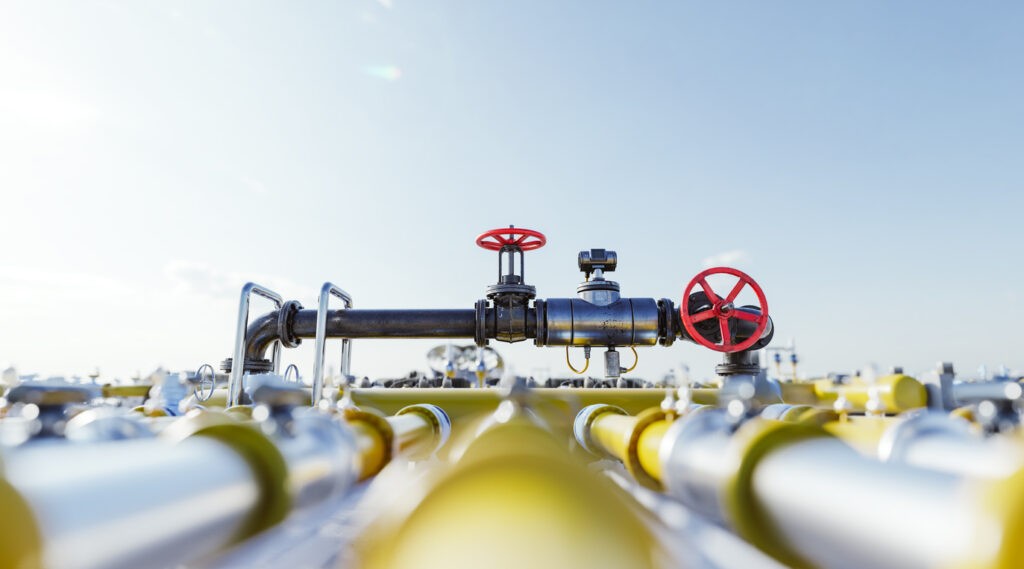
On October 19, representatives from Turkmenistan and Iraq signed a significant gas agreement in Baghdad. Under the deal, Iraq will import up to 20 million cubic meters of gas daily, with deliveries routed through Iran via a swap arrangement. The Iraqi government has expressed its intention to begin implementing the contract soon. The contract shows that Turkmenistan delivers 10 million cubic meters of fuel to Iraq in winter and 20 million cubic meters in summer. Iraqi Electricity Minister Ali Fadel noted that the contract compensates for the same amount of gas in the event of supply problems. Iraq faces severe energy shortages and unstable supplies from Iran. Problems include its debt and difficulties making payments to Iran, which is under US sanctions. Supply from Turkmenistan is expected to moderate this dynamic. In parallel, Iraq plans to sign contracts with other suppliers and invest in its gas projects. Turkmenistan is also China's gas supplier and was the largest supplier to China in the first half of 2024, exporting gas worth $5.67 billion. During a recent visit to Iran, Gurbanguly Berdimuhamedov, the former president of Turkmenistan and current chairman of the People’s Council (Halk Maslahaty), announced plans to increase gas supplies to Iran to 40 billion cubic meters annually, further solidifying Turkmenistan’s role as a major energy provider in the region.

Kazakhstan and Afghanistan Discuss Transport Links for Trade with China

At a meeting in Almaty on October 21, Kazakhstan's Deputy Prime Minister Serik Zhumangarin and Afghanistan's Minister of Industry and Commerce Nuriddin Azizi addressed the logistics of transportation of goods from China to Afghanistan and back through Kazakhstan. In June, Kazakhstan’s President Kassym-Jomart Tokayev announced that his country had removed the Taliban from its list of terrorist organizations in a move to develop trade and economic ties with Afghanistan. In late August, Kazakhstan’s Foreign Ministry accredited a chargé d’affaires of Taliban-led Afghanistan to expand trade, financial, and humanitarian cooperation between the two countries. As the Kazakh Ministry of Trade and Integration reported, one critical issue is the reverse loading of railcars and containers on their way back from Afghanistan. To reduce the cost of logistics, Kazakhstan is considering loading empty railcars with Afghan fruits and vegetables, persimmons, beans, and other food products for delivery to Kazakhstan. Bauyrzhan Urynbasarov, managing director of Kazakhstan Temir Zholy (KTZ), the country's national railway company, proposed two options for reverse loading empty containers and railcars. The first is a circular train route: container trains traveling from China through Kazakhstan to Afghanistan are loaded with Afghan goods bound for China. From there, they pass through the port of Karachi in Pakistan before returning to China. In the second route, trains reach Afghanistan, where they are reloaded and loaded with Afghan goods, then return to Kazakhstan, where, after unloading, they are packed with Kazakh goods and go to China. Zhumangarin proposed that the Afghan side use the capacities of the Kazakh terminal in the Chinese dry port in Xi'an, the Kazakh-Chinese logistics terminal in the port of Lianyungang, and the terminal currently under construction in the dry port of Urumqi in China’s Xinjiang. The parties also agreed to organize an interregional Kazakh-Afghan forum, where the provinces of Afghanistan and the regions of Kazakhstan could discuss cooperation projects. According to Kazakh statistics, trade turnover between Kazakhstan and Afghanistan amounted to $330.7 million from January to August 2024. Exports from Kazakhstan to Afghanistan totaled $316.5 million, including flour, sunflower oil, natural gas, and fertilizers. Afghanistan's exports reached $14.1 million, mainly mineral water, fruits, juices, and aluminum products. The Afghan delegation arrived in Almaty on October 20 to participate in an exhibition of Afghan food and industrial products.
Kazakhstan and Russia Increase Rail Cargo Transportation to and from China

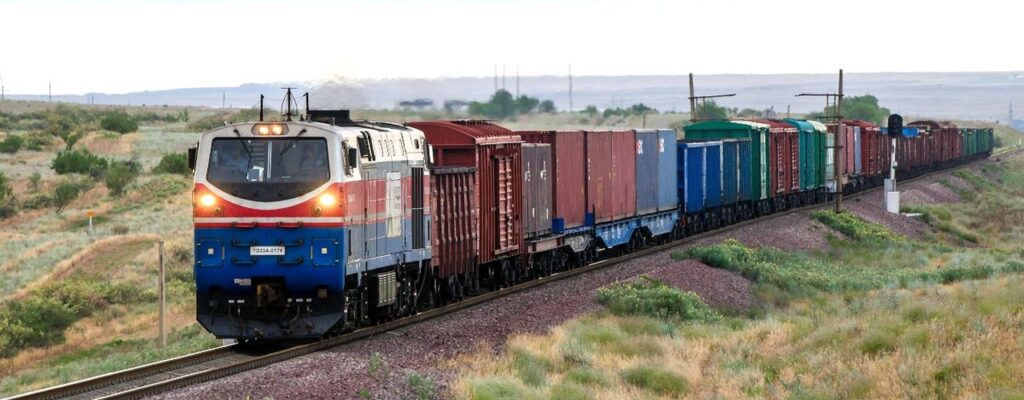
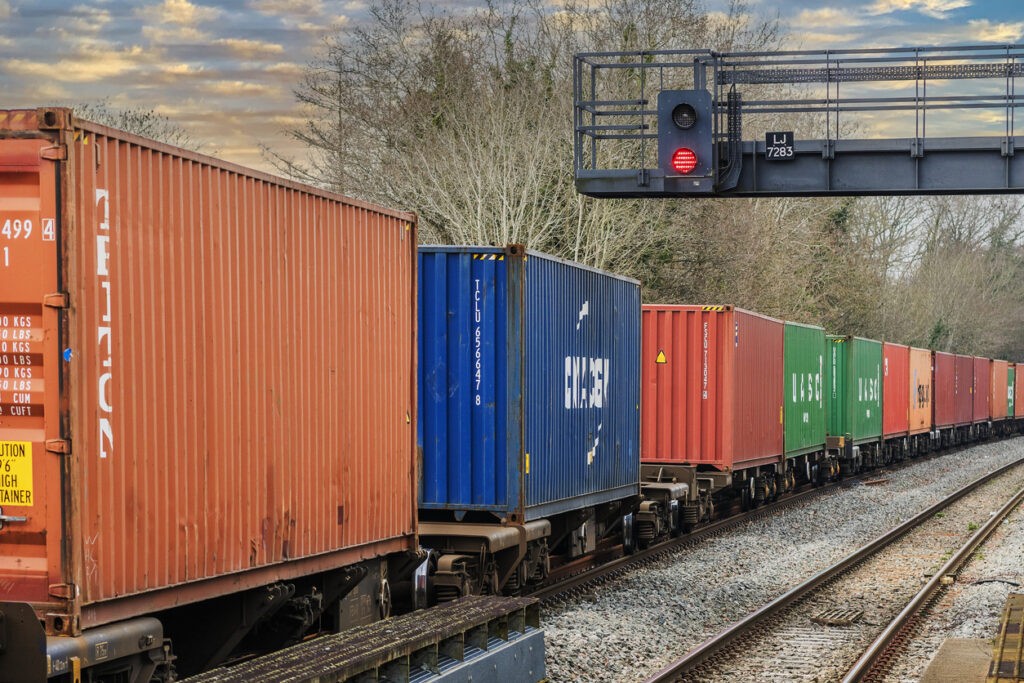
On October 18, Kazakhstan's Deputy Prime Minister Serik Zhumangarin, and Russia's Deputy Chairman of the Government Alexey Overchuk attended a meeting of the Intergovernmental Commission on Cooperation in Moscow, on Kazakhstan and Russia's transport and logistics sectors. As reported by the Kazakh government's press service, between January and September 2024, the volume of containers transported by rail from Russia to China through Kazakhstan, increased by 63% compared to the same period in 2023, while container transportation along the China-Europe-China route through Russia and Kazakhstan increased by 65%. During the meeting an agreement was made to further increase the flow of container trains on the China-Kazakhstan-Russia route by constructing the necessary transport infrastructure at the Selyatino rail station in the Moscow region. In April,  Kazakhstan’s national railway’s company Kazakhstan Temir Zholy (KTZ), Russia’s Slavtrans-Service JSC, and China’s Xian Free Trade Port Construction and Operation Co., Ltd began construction on a new transport and logistics center, CRK Terminal, at Selyatino, aimed at ensuring the efficient handling of cargo following the route Xi'an (China) - Dostyk/Altynkol (Kazakhstan) - Selyatino (Russia). The center is set to become an essential link in developing international transport corridors and increase the competitiveness of transportation through Kazakhstan. In 2023, the volume of cargo transported by rail between China and Russia through Kazakhstan amounted to 3.8 million tons, an increase of 35% compared to 2022. Kazakhstan also remains an important transit and transport link along the Trans-Caspian International Transport Route (TITR), which known as the Middle Corridor, connects China and Europe via Central Asia and the Caucasus.

Almaty to Host Exhibition of Afghan Products

Kazakhstan’s Ministry of Trade and Integration has announced that an exhibition of Afghan carpets, jewelry, construction materials, household and industrial chemicals, vegetables, fruit, and food products will run from October 20 -22, at the Atakent Exhibition Center in Almaty. Afghanistan’s TOLOnews reported that a delegation led by the Taliban Minister of Industry and Commerce and 250 Afghan traders will participate in the exhibition. Akhundzada Abdul Salam Jawad, spokesperson for the Afghan Ministry of Industry and Commerce, further confirmed that 69 companies from Afghanistan will participate in the exhibition, with displays promoting various products, including carpets, dried fruit, saffron, and precious and semi-precious stones. Early in June, Kazakhstan’s President Kassym-Jomart Tokayev announced that his country had removed the Taliban from its list of terrorist organizations, in a move to develop trade and economic ties with Afghanistan. In late August, Kazakhstan’s Foreign Ministry then accredited a chargé d’affaires of Taliban-led Afghanistan to expand trade, financial, and humanitarian cooperation between the two countries.