• KGS/USD = 0.01143 0%
  • KZT/USD = 0.00216 0%
  • TJS/USD = 0.10633 -0.28%
  • UZS/USD = 0.00008 0%
  • TMT/USD = 0.28571 0%
  • KGS/USD = 0.01143 0%
  • KZT/USD = 0.00216 0%
  • TJS/USD = 0.10633 -0.28%
  • UZS/USD = 0.00008 0%
  • TMT/USD = 0.28571 0%
  • KGS/USD = 0.01143 0%
  • KZT/USD = 0.00216 0%
  • TJS/USD = 0.10633 -0.28%
  • UZS/USD = 0.00008 0%
  • TMT/USD = 0.28571 0%
  • KGS/USD = 0.01143 0%
  • KZT/USD = 0.00216 0%
  • TJS/USD = 0.10633 -0.28%
  • UZS/USD = 0.00008 0%
  • TMT/USD = 0.28571 0%
  • KGS/USD = 0.01143 0%
  • KZT/USD = 0.00216 0%
  • TJS/USD = 0.10633 -0.28%
  • UZS/USD = 0.00008 0%
  • TMT/USD = 0.28571 0%
  • KGS/USD = 0.01143 0%
  • KZT/USD = 0.00216 0%
  • TJS/USD = 0.10633 -0.28%
  • UZS/USD = 0.00008 0%
  • TMT/USD = 0.28571 0%
  • KGS/USD = 0.01143 0%
  • KZT/USD = 0.00216 0%
  • TJS/USD = 0.10633 -0.28%
  • UZS/USD = 0.00008 0%
  • TMT/USD = 0.28571 0%
  • KGS/USD = 0.01143 0%
  • KZT/USD = 0.00216 0%
  • TJS/USD = 0.10633 -0.28%
  • UZS/USD = 0.00008 0%
  • TMT/USD = 0.28571 0%

Viewing results 1 - 6 of 578

Central Asia-China Pipeline Delivers 500 Billion Cubic Meters of Gas

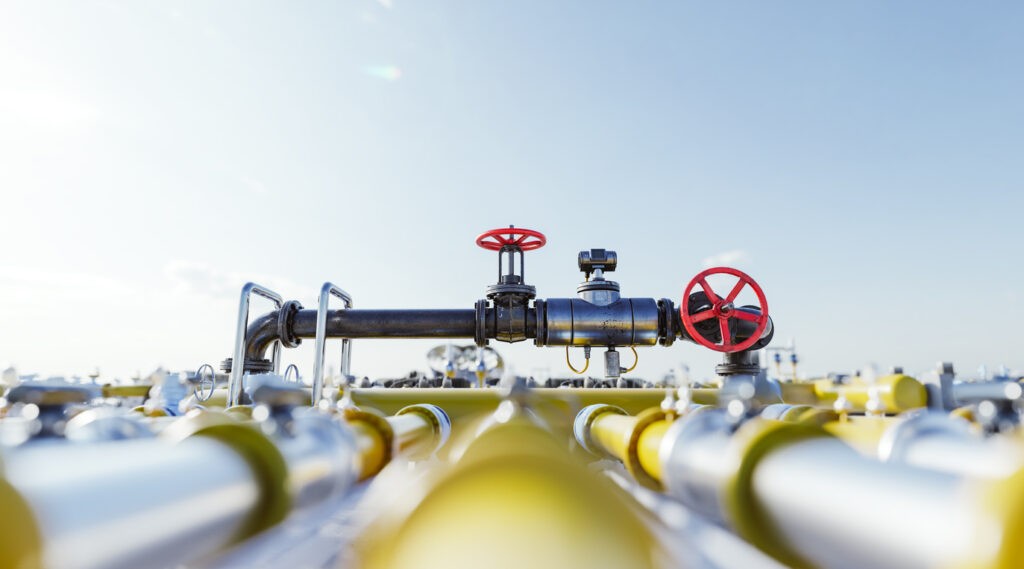
For over 14 years, the China-Central Asia Gas Pipeline has been a vital conduit for clean energy, delivering more than 500 billion cubic meters of natural gas to China, according to a report by Xinhua, citing the West Pipeline Company of the Chinese PipeChina Corporation. The Khorgos gas compressor station, a critical component of the pipeline, serves as the primary entry point for Central Asian gas into China. Known as the “head station” and the “heart” of China's second and third lines of the West-to-East Gas Pipeline, the station plays a pivotal role in the system's operation. Since its commissioning in 2009, the Khorgos Compressor Station has operated safely and reliably for over 5,000 days, transporting over 500 billion cubic meters of natural gas. It is recognized as having the highest operational performance in Asia. With an operating pressure of 12 megapascals, the pipeline pumps more than 2,000 cubic meters of gas every second and can transport a maximum of 160 million cubic meters of gas daily. The 522.5 billion cubic meters of natural gas transported by the pipeline is equivalent to replacing 696 million tons of standard coal, reducing emissions by 764 million tons of carbon dioxide, 25 million tons of sulfur dioxide, 379 million tons of dust, and 6.27 million tons of nitrogen oxides. The Khorgos compressor station also contributes to green and low-carbon development. It houses China’s first electricity generation project powered by waste heat from natural gas-fired compressors. This innovation has enabled the station to achieve zero direct emissions for large gas transmission stations powered by gas compressors, with annual power generation exceeding 65 million kilowatt-hours. From the first compressor station, natural gas travels 1,833 kilometers eastward over 84 hours, passing through central Uzbekistan and southern Kazakhstan before entering China at the Khorgos border checkpoint. The gas then feeds into the second and third lines of the West-East Gas Pipeline. With a design capacity of 60 billion cubic meters per year, the pipeline has been operational since December 2009. The pipeline supplies natural gas to more than 500 million people across 27 provincial-level regions and the Hong Kong Special Administrative Region.
Kazakhstan to Begin Purchasing Electricity from Rogun HPP

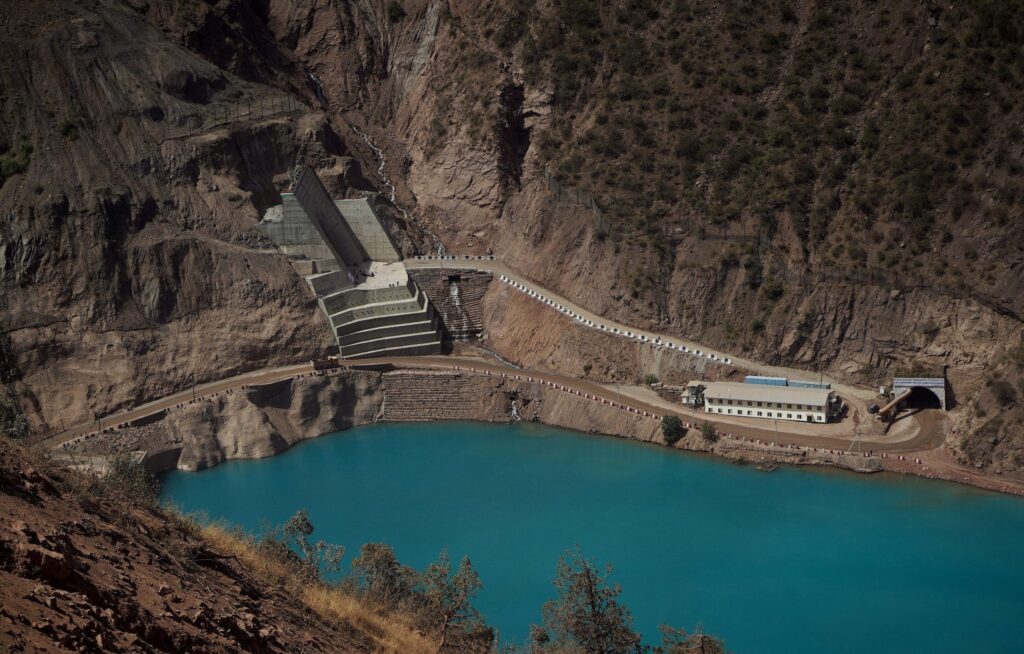
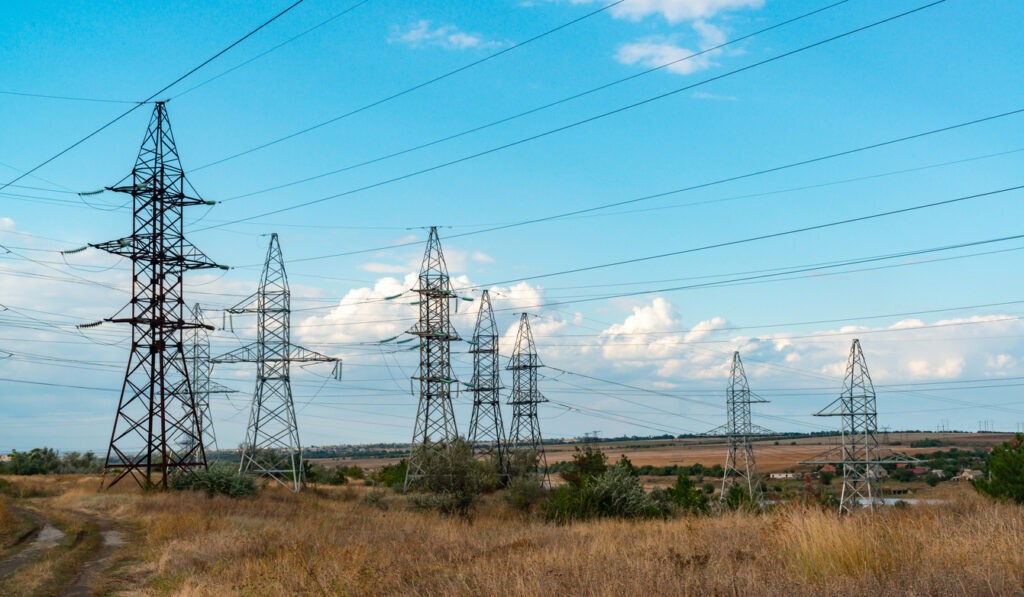
Kazakhstan has announced plans to purchase electricity from Tajikistan’s Rogun hydropower plant (HPP), a major facility currently under construction. According to a draft agreement published on Tajikistan's official legal information portal, the cooperation between the two countries is set to last for 20 years, with an option to extend for an additional 10 years. The price for the electricity is set at $0.034 per kilowatt-hour (excluding VAT), plus a transit surcharge determined by the seller’s costs. Payments are to be made within 35 days for each supply period. The supply will only occur during scheduled shortages and will be integrated into KEGOC’s national grid. Rogun HPP will handle transportation to the border, while the Settlement and Financial Center for Renewable Energy Support LLP will oversee control on the Kazakh side. Any disputes arising from the agreement will be resolved through the Singapore International Arbitration Center. Electricity agreements with Kazakhstan and Uzbekistan are a critical component for securing international financing for the Rogun HPP’s construction. Project costs have risen to $6.4 billion, according to recent estimates. To cover these costs, the Tajik government is negotiating semi-concessional loans worth $1.73 billion, $850 million in grants, and $390 million in concessional loans. The remainder will come from the government budget and revenues generated by the plant. This year, the Tajik government allocated 5 billion somoni (approximately $460 million) for the Rogun project, with 2.8 billion somoni coming from the state budget and 2.2 billion somoni from investment projects. By the end of September 2024, 4.3 billion somoni (about $395 million) had already been spent on construction. Once completed, Rogun HPP will become the largest hydropower facility in Central Asia, boasting a capacity of 3,600 MW and capable of producing up to 17 billion kWh of electricity annually. This output represents 65–85% of Tajikistan’s total electricity production. The plant will house six units of 600 MW each, with full commissioning expected by 2029. Currently, two units are operating at low capacity, having been commissioned in 2018 and 2019. The project serves as a landmark achievement for Tajikistan’s energy sector and a key driver of regional energy cooperation, promoting economic stability and resource-sharing throughout Central Asia.

Uzbekistan Aims to Export 10-15 Billion kWh of Electricity to Europe by 2030

Uzbekistan plans to export 10-15 billion kWh of electricity abroad by 2030, according to Deputy Minister of Energy Umid Mamadaminov, who discussed the initiative in an interview on November 6 during the “Days of European Economy in Uzbekistan” forum. “In 2030, electricity demand is projected to be around 120-125 billion kWh. Our generation capacity will reach approximately 135 billion kWh. Once the necessary infrastructure is ready, we’ll be able to export electricity to Europe,” Mamadaminov explained. At a meeting in Astana in August, Uzbekistan outlined plans to start exporting surplus electricity to Europe by 2030. Energy Minister Jurabek Mirzamahmudov noted that if the joint project with Kazakhstan and Azerbaijan to lay a cable under the Caspian Sea is successful, Uzbekistan will be able to transmit excess energy to Europe. Mirzamahmudov said that renewable energy capacity would exceed 4 GW by the end of this year and is expected to reach over 20 GW by 2030, with 2-5 GW available for export. In the summer, Uzbekistan, Kazakhstan, and Azerbaijan agreed on a draft strategic partnership to develop and transmit green energy. The agreement includes terms for a preliminary feasibility study, which is being developed by the Italian company CESI. “We selected CESI to handle the project’s feasibility study,” Mamadaminov stated. “The study will take about a year and a half to complete, with an expected finish date by the end of 2025. Following this, construction will begin based on the study. The project requires around 2,500 km of HVDC (high-voltage direct current) cable, which will be costly—exceeding $2 billion.” Mamadaminov added that the electricity price will be market-driven but is expected to start at around 4-5 cents per kilowatt.

Kazakhstan Considering Car Exports to Afghanistan

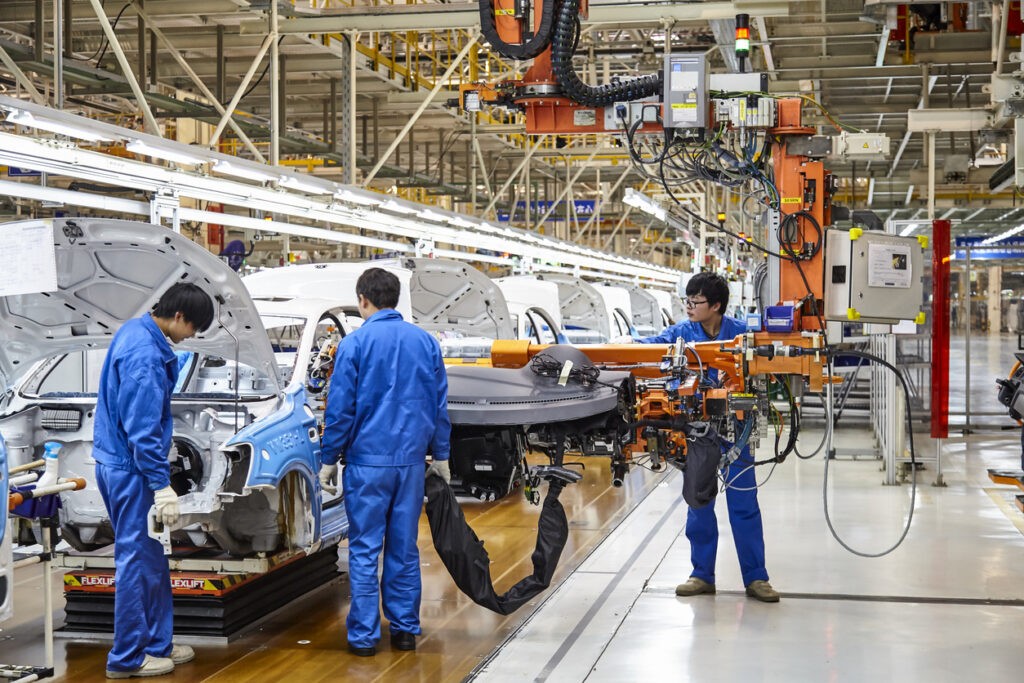
In October this year, during the Kazakh-Afghan forum, Kazakhstan's Deputy Prime Minister Serik Zhumangarin reported on Kabul's request to set up deliveries of cars manufactured in Kostanai and Almaty to Afghanistan. According to the Deputy Prime Minister's assessment, the first Kazakhstani cars may appear on the Afghan market as early as next year; automobile industry experts agree with him but note that the realism of this term will become apparent after at least several months of research. “I understand that Afghanistan already has money; its middle class is developing, so they asked to organize meetings with our car industry businesses to create car centers to sell old and new Kazakhstani cars. I have already contacted several people about this issue, and we are working on it now. I think it is realistic to start selling the first cars next year,” Zhumangarin said. At the same time, he emphasized that the most crucial issue in establishing such a project has already been resolved. In October, Kazakhstan's Zaman Bank opened a corresponding account at one of the largest banks in Afghanistan, Ghazanafar Bank. This means that Kazakhstani businesses can receive direct payments from Afghan buyers without the participation of financial institutions of Kyrgyzstan, Uzbekistan, and Gulf countries, which charge additional fees for intermediation. Thus, the issue of financial logistics - how the money for sold cars from Afghanistan will arrive in Kazakhstan - has been fundamentally solved, according to Artur Miskaryan, general director of the Agency for Monitoring and Analysis of the Automobile Market of Kazakhstan (AMAAR), and there are no problems with direct logistics - cars manufactured in Kostanai and Almaty can be transported to this country by rail. Kazakh grain companies have already established this route. In addition, this summer, at the first transport trade and export forum held in Aktau, representatives of Kazakhstan, Turkmenistan, and Afghanistan discussed the possibility of building a new railway line Turgundi - Herat - Kandahar - Spin-Buldak, which will run from the western border of Turkmenistan through Afghanistan to Pakistan and further to India. Kazakhstan is offered to join the construction of this logistic path, including withdrawing its vehicles to Afghanistan and the countries bordering it. So, logistic paths to Kabul, existing and potential, are acceptable for Kazakhstan's automobile industry. “From a purely technical point of view, companies of the Kazakhstani automobile industry are ready to supply equipment to all neighboring and nearby countries,” explained Miskaryan. "The issue of supplying products to one or another country largely depends on the terms of economic agreements of the Republic of Kazakhstan with other countries, as well as the policy of the head offices of brands whose models are assembled at our car plants: in the case of Russia, for example, Western head brands adhere to the sanctions restrictions on supplies. There is also the problem of customs and tariff policy of neighboring [sic] countries: in particular, Russia and Uzbekistan have recently directed their efforts to increase support for local producers.” Since Afghanistan has no automotive industry,...

Turkmengaz Ends Gas Supply Contract with Gazprom Over Pricing Dispute

Turkmenistan's national gas company, Turkmengaz, has not extended its gas supply contract with Gazprom because the parties could not agree on a new fuel price. Turkmengaz Chairman Maksat Babayev explained: "On June 30, as outlined in the contract, we were set to review prices. If both sides agreed on the price, we could extend the contract. However, after negotiations, we couldn’t agree on the commercial terms. So, as per the contract, without an agreement, the contract was to end on June 30, which is what we proceeded with.” He shared this at a press conference following the “Oil and Gas of Turkmenistan – 2024” (OGT 2024) event. Babayev added that for Turkmengaz, the critical factor in starting, resuming, or ending supplies is the commercial aspect. “Contracts for purchase and sale are considered based on mutual benefit,” he explained. “Currently, demand from the north, west, and east is growing, and we are constantly in talks with various buyers and countries, so resuming supplies to Russia is certainly possible.” In 2019, Gazprom signed a five-year contract with Turkmengaz to buy natural gas through June 30, 2024. The agreement covers an annual supply volume of 5.5 billion cubic meters. Previously, Gazprom's head, Alexey Miller, announced that the company doubled the volume of gas supplies to Central Asia from January to August 2024. According to Miller, the republics' rapid economic and social development has opened meaningful new opportunities for Gazprom, which is currently at the highest possible level of gas supply to Uzbekistan.

Kyrgyzstan Triples Ice Cream Exports

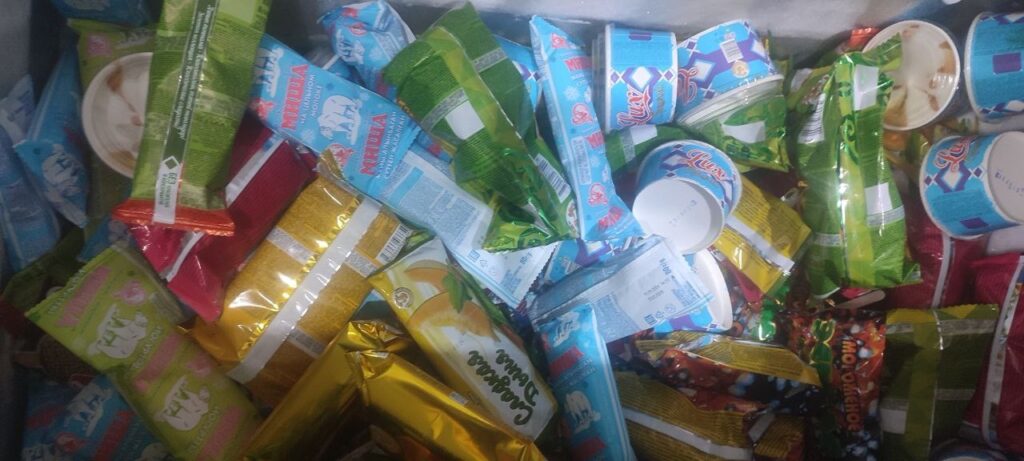
Kyrgyzstan has doubled its ice cream production in the last five years, and tripled its exports to other countries in the region. Last year, the country produced 10,800 tons of ice cream, up from 5,200 tons five years earlier. This increase is due to growing demand for Kyrgyz ice cream in other Eurasian countries, primarily Kazakhstan, Uzbekistan, and Russia. Exports to these countries have increased from 2,800 tons per year to 6,100 tons since 2019. “At the same time, imports of ice cream have shown good dynamics recently, and they have decreased from 2,788 tons (per year) to 1,969 tons. This indicates the substitution of imported products with domestic production,” said the Ministry of Agriculture of the Kyrgyz Republic. According to official data, Kyrgyzstan imports ice cream from Turkey, Belarus, and Lithuania. While a kilogram of ice cream from Russia costs 240 KGS ($3), Lithuania and Turkey ask an average of 570 KGS ($7). The cost of one kilogram of ice cream from Kyrgyzstan is just over 200 KGS ($2.5).