
• KZT/USD = 0.00213
  • TJS/USD = 0.10810
  • UZS/USD = 0.00008
  • TMT/USD = 0.29850
  • KZT/USD = 0.00213
  • TJS/USD = 0.10810
  • UZS/USD = 0.00008
  • TMT/USD = 0.29850
  • KZT/USD = 0.00213
  • TJS/USD = 0.10810
  • UZS/USD = 0.00008
  • TMT/USD = 0.29850
  • KZT/USD = 0.00213
  • TJS/USD = 0.10810
  • UZS/USD = 0.00008
  • TMT/USD = 0.29850
  • KZT/USD = 0.00213
  • TJS/USD = 0.10810
  • UZS/USD = 0.00008
  • TMT/USD = 0.29850
  • KZT/USD = 0.00213
  • TJS/USD = 0.10810
  • UZS/USD = 0.00008
  • TMT/USD = 0.29850
  • KZT/USD = 0.00213
  • TJS/USD = 0.10810
  • UZS/USD = 0.00008
  • TMT/USD = 0.29850
  • KZT/USD = 0.00213
  • TJS/USD = 0.10810
  • UZS/USD = 0.00008
  • TMT/USD = 0.29850
07 August 2026

Viewing results 1 - 6 of 36

Kazakhstan Reduced Fish Exports Last Year

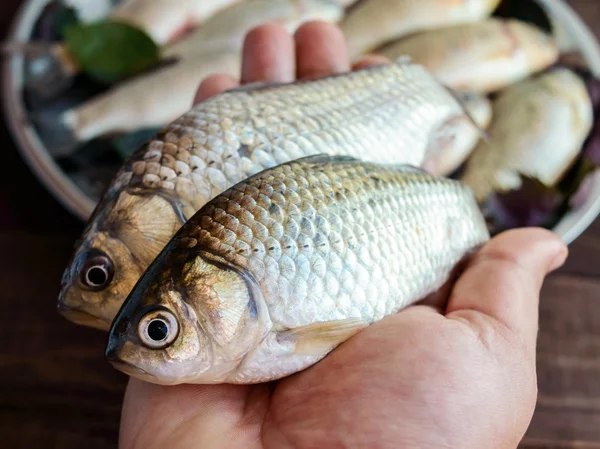
Kazakhstan exported 23,400 tons of fish products in 2024, marking a decline from the previous year despite an overall 7% growth in domestic fish production. The figures point to a significant rise in domestic consumption of fish. According to the Ministry of Agriculture of Kazakhstan, 72 enterprises are currently engaged in fish processing, with 20 of them supplying products to the European Union. Kazakhstani fish products, over 50 types in total, are exported to 21 countries. However, the 2024 export volume fell short of the 25,300 tons reported in 2023, which included 11,800 tons of processed fish, a slight increase over 2022. In contrast, domestic consumption has surged. The domestic market absorbed 94,600 tons of fish products in 2024, up 7% compared to 2023. “The state actively supports the development of aquaculture. Subsidies to the industry have increased ninefold since 2021, reaching KZT 4.5 billion ($8.7 million) in 2024. Kazakhstan provides reimbursement of up to 25% of investment costs, 30% of feed costs, and 50% of the cost of purchasing young fish, broodstock, and veterinary drugs,” the Ministry of Agriculture stated. The number of fish farms in Kazakhstan has doubled in the past three years, reaching 600. In 2024, investments in fixed assets in the fishing industry exceeded KZT 5.2 billion ($10.1 million). Despite this growth, concerns remain about the ecological health of regional fish stocks. As previously reported by The Times of Central Asia, the Caspian sturgeon population has plummeted by 90% amid an ongoing environmental crisis.
Kyrgyzstan Exports Over 8 Million Eggs to Kazakhstan Amid Shifting Trade Policies

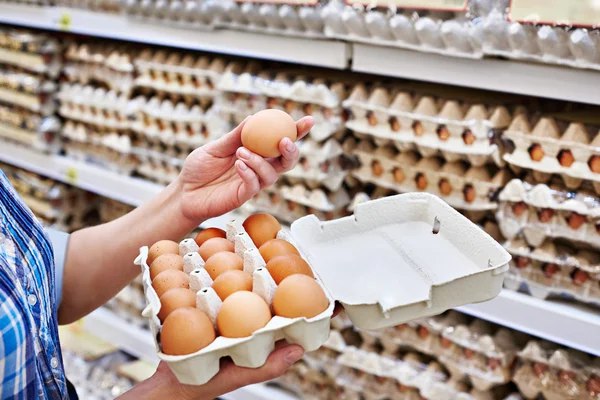
Between January and March 2025, Kyrgyzstan exported 8.8 million chicken eggs to neighboring Kazakhstan, according to Kyrgyzstan's Ministry of Water Resources, Agriculture and Processing Industry​. This marks the second consecutive year that Kyrgyzstan has achieved near-total self-sufficiency in egg production, enabling it to maintain consistent exports. In a move to support domestic poultry and egg producers, the Kyrgyz government has exempted feed and feed additives for the industry from value-added tax (VAT). Earlier this month, Kyrgyz authorities announced a temporary ban on egg imports to further protect domestic producers. As a result, the country currently imports no table eggs, though imports of hatching eggs, essential for poultry reproduction, continue. In the first quarter of 2025, Kyrgyzstan imported 2.26 million hatching eggs from five countries: Turkey, Uzbekistan, Russia, France, and Denmark. Meanwhile, in a parallel development, Kazakhstan introduced a six-month ban on chicken egg imports starting April 9. The Kazakh Ministry of Agriculture cited the need to protect local poultry farms during a period of seasonally low demand as the reason for the temporary restriction​. These shifting trade dynamics highlight the strategic importance of the poultry sector in Central Asia and underscore the balancing act between supporting domestic production and ensuring market stability.

Kyrgyzstan and Tajikistan Move Closer to Electricity Exports to South Asia

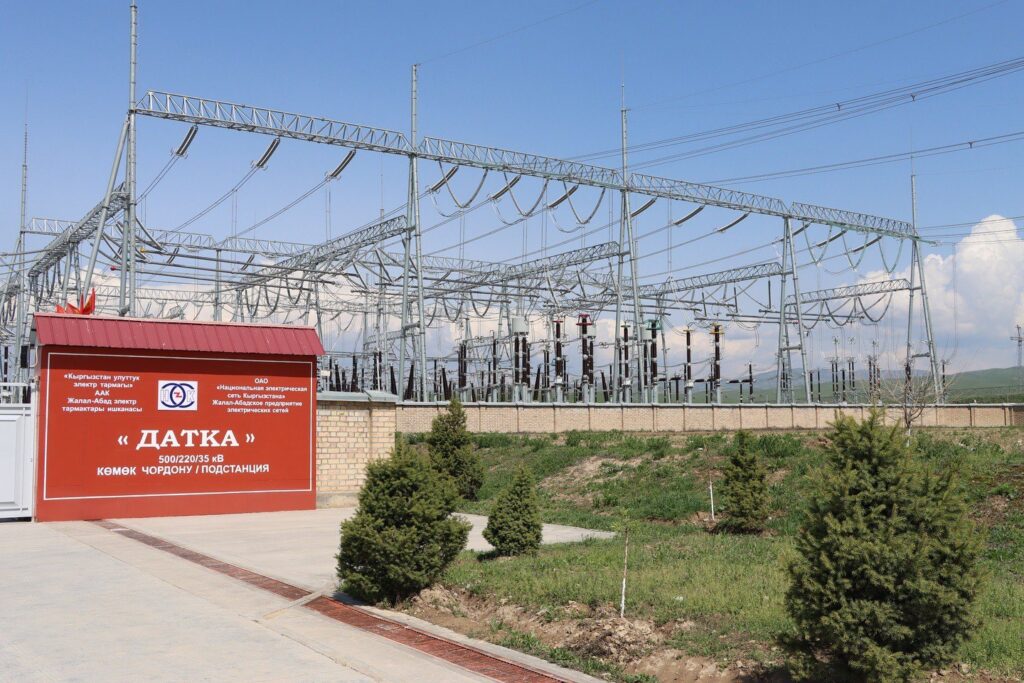
Kyrgyzstan and Tajikistan have officially launched the 500 kV Datka-Sughd overhead power transmission line, a key component of the CASA-1000 (Central Asia-South Asia) electricity transmission project. The initiative is designed to export surplus summer electricity from the two Central Asian countries to Afghanistan and Pakistan. The 485-kilometer line, which connects the Datka substation in Kyrgyzstan with the Sughd substation in Tajikistan, was inaugurated on March 31 during Kyrgyz President Sadyr Japarov’s visit to the Tajik city of Khujand. Tajik President Emomali Rahmon also attended the ceremony. The new line enables bidirectional power flows, significantly enhancing the resilience and stability of Central Asia’s power grid. According to Kyrgyzstan’s Ministry of Energy, both Kyrgyzstan and Tajikistan have completed their respective infrastructure components of the CASA-1000 project. Project Progress and Timeline In Pakistan, construction is expected to be completed by August 2025. In Afghanistan, where work had stalled, construction has now resumed. Over 95% of the necessary materials have already been delivered to the country. Full completion of the Afghan section and the start of commercial operations are expected in 2027. The CASA-1000 project, with a total cost exceeding $1.2 billion, is financed by the World Bank, the European Investment Bank, the European Bank for Reconstruction and Development, the Islamic Development Bank, and other international partners. The Kyrgyz and Tajik sections alone accounted for approximately $544 million, or 45.3% of the total project budget. Once fully operational, CASA-1000 will have the capacity to transmit up to 11 billion kilowatt-hours of electricity per year. Economic and Regional Impact Tajikistan and Kyrgyzstan are expected to jointly export up to 5 billion kilowatt-hours of green electricity annually to Pakistan, roughly 5% of Pakistan’s total electricity consumption. The projected revenue from these exports is over $250 million per year for the two countries. The successful implementation of CASA-1000 not only promises economic benefits for Central Asia but also marks a significant step in regional energy cooperation, renewable energy deployment, and cross-border infrastructure integration.

Kazakhstan: Calls for Investigation into Rare Earth Metals Exports

Azat Peruashev, head of the Ak Zhol parliamentary faction, has urged authorities to investigate subsoil users over alleged uncontrolled exports of rare earth metals. Parliamentary Inquiry Peruashev outlined his concerns in a parliamentary request addressed to Kazakhstan’s Anti-Corruption Service chief Askhat Zhumagali and Minister of Industry Ersaiyn Nagaspayev. "Social media posts by former Kazakhmys laboratory assistant Bakyt Adilova allege that the corporation exports ore and copper concentrate without conducting chemical analysis, concealing the presence of valuable and rare earth metals. She claims the company artificially devalues exported resources, harming the national economy to benefit oligarchs," Peruashev stated. He also cited an interview with geologist Bakyt Muratov on Elmedia, in which the expert criticized the absence of laboratory analysis in ore and concentrate exports. Muratov noted that for decades, major mining companies have shipped raw materials abroad for processing, leaving Kazakhstan unaware of the true value of its exports. "We still do not know exactly what we are selling. Complex ores are being exported without proper analysis. No one knows the vast sums of money that have left the country and returned as finished products," Muratov said. The Ak Zhol parliamentary faction is demanding official confirmation or denial of these claims. Lawmakers insist that authorities either prosecute those spreading false information or launch an anti-corruption investigation. Additionally, the party is calling for tighter government oversight of mineral exports. "Kazakhstan holds significant reserves of rare earth metals, including lanthanum, cerium, and yttrium, strategic elements crucial for high-tech industries. Rare earth metals are emerging as the 'new oil' in the global economy, with their availability increasingly influencing global power dynamics. Experts estimate that demand for some of these metals could grow up to 40-fold in the coming years," Peruashev concluded. Response from Kazakhmys In response, Kazakhmys Corporation stated that it does not engage in targeted mining of rare earth metals. However, the company acknowledged that small amounts of rare metals are recovered during acid washing processes. The corporation explained that production waste is processed at Zhezkazganredmet, a state-owned enterprise specializing in the separation and refining of rare metals. Waste from precious metal production is handled by Kazakhmys Progress LLP, which is responsible for refining. “All company operations are strictly regulated by the relevant authorities. We fully support stronger state oversight of mineral exports and are open to dialogue with government agencies. Allegations of concealing rare earth metals or artificially lowering the value of exported raw materials are baseless and do not reflect reality,” Kazakhmys said in a statement. Kazakhmys and the Broader Rare Earth Metals Landscape Kazakhmys was established as a joint stock company in August 1997 and re-registered as a limited liability partnership in January 2005. The company specializes in mining and processing copper ore into cathodes and rods, refining and selling precious metals, and managing by-products from copper production. Kazakhmys ranks as the world’s 20th largest producer of copper in concentrate (271 ktpa) and 12th largest producer of blister and cathode copper (377 ktpa and 365 ktpa, respectively). Its operations include...

Turkmenistan to Supply Gas to Turkey Through Swap Deal Starting March 1

Turkmenistan will begin supplying 1.3 billion cubic meters of natural gas to Turkey on March 1 through a swap agreement, according to Oğuzhan Akyener, President of the Turkish Center for Research on Energy Strategies and Policies (TESPAM). Akyener discussed the deal in an interview with News.Az on February 24. Under the agreement, Turkmenistan will send gas to Iran, which will then transfer an equivalent amount to Turkey. Iran will consume Turkmen gas in its northeastern regions, freeing up its own supply for Turkey. Akyener noted that other potential routes for transporting Turkmen gas were considered but faced infrastructure and logistical challenges: Via Azerbaijan: This would require new pipelines from Turkmenistan to Baku and an expansion of the South Caucasus Pipeline (SCPx). Via Russia: The Western Line (Batı Hattı), which could have been used, is not operational. Through Turkey's TurkStream or Blue Stream pipelines: These remain possible alternatives, provided there is available capacity. Turkey aims to position itself as a major energy hub, Akyener explained. The country has significantly expanded its gas infrastructure, diversified its supply sources, and introduced regulations to allow the re-export of imported gas. According to TESPAM, with the right investments, Turkey could increase gas imports from: Turkmenistan – up to 65 billion cubic meters Azerbaijan – 15 billion cubic meters Kazakhstan – 10 billion cubic meters Uzbekistan – 15 billion cubic meters Iraq – 58 billion cubic meters Eastern Mediterranean – 25 billion cubic meters These developments could boost Turkey’s annual gas trade capacity to 300 billion cubic meters, further solidifying its role in global energy markets. Despite holding some of the world’s largest natural gas reserves, Turkmenistan exports only about 40 billion cubic meters of gas per year, with 35-36 billion cubic meters going to China. However, Turkmenistan faces economic risks due to China’s control over pricing, leading it to seek new buyers and diversify exports. Turkmenistan is exploring options to supply gas to Europe, following Azerbaijan’s model to gain European political support. However, alternative export routes face significant challenges. One such route is the TAPI Pipeline (Turkmenistan-Afghanistan-Pakistan-India), a long-planned project that has been delayed due to political and security issues. Ongoing conflicts between Afghanistan and Pakistan, along with tensions between Pakistan and India, have stalled progress. Additionally, China has been accused of using its influence to prevent the pipeline’s completion. Given these obstacles, Akyener believes Turkey remains the most realistic and viable export destination for Turkmenistan’s gas. Strengthening energy cooperation between the two nations could deepen economic and political ties among Turkic-speaking countries and further integrate them into the global energy market.

Uzbekistan to Help Kyrgyzstan Export Nuts and Dried Fruits to Global Markets

Kyrgyzstan has secured a trade agreement with a leading Uzbek exporter of dried fruits, paving the way for systematic food exports to Europe and the Persian Gulf. Ecofruit, a major Uzbek producer and exporter of dried fruits, has expressed strong interest in Kyrgyz nuts and dried fruits, citing their high quality and ecological purity. "Among the products that can enter international markets are apricots, dried uruk, prunes, walnuts, pistachios, barberries, and white and red beans. Of particular interest were walnuts and prunes, which enjoy stable demand in foreign markets," the Kyrgyz Ministry of Economy said. The Uzbek company also announced plans to open a representative office in Kyrgyzstan, signaling long-term cooperation. Kyrgyzstan is expanding its dried fruit exports, with apples accounting for the largest share of the country’s fruit and berry production. In 2023, Kyrgyzstan exported nearly 1,000 tons of dried apples to Germany. Other key importers include Russia, Turkey, Kazakhstan, and Japan. Sample shipments are now reaching the countries of the Persian Gulf, and South Korea. Once used primarily as an ingredient, dried apples are now marketed as snacks. Kyrgyzstan is also known for its high-quality beans, particularly from the Talas region, which is a major production and export hub. Kyrgyz beans are exported to Turkey, Russia, India, Iran, and several European countries. In 2024, exports expanded to China, with 16 Kyrgyz companies registered as official bean suppliers. Walnuts have an even wider global market and are grown primarily in the southern regions of Kyrgyzstan, particularly in the renowned Arslanbob walnut forests, which span 42,500 hectares. At the end of 2023, the Kyrgyz Ministry of Economy signed agreements to export walnuts to China and Turkey. While Russia remains the primary buyer, Kyrgyz walnuts are also exported to the Middle East. With Uzbekistan’s Ecofruit expanding its presence in Kyrgyzstan, the country’s nuts and dried fruits sector is poised for stronger global market integration. The partnership could increase export volumes and create new trade routes, benefiting Kyrgyz farmers and agribusinesses.
