• KGS/USD = 0.01143 0%
  • KZT/USD = 0.00205 0%
  • TJS/USD = 0.10724 0.09%
  • UZS/USD = 0.00008 0%
  • TMT/USD = 0.28571 0%
  • KGS/USD = 0.01143 0%
  • KZT/USD = 0.00205 0%
  • TJS/USD = 0.10724 0.09%
  • UZS/USD = 0.00008 0%
  • TMT/USD = 0.28571 0%
  • KGS/USD = 0.01143 0%
  • KZT/USD = 0.00205 0%
  • TJS/USD = 0.10724 0.09%
  • UZS/USD = 0.00008 0%
  • TMT/USD = 0.28571 0%
  • KGS/USD = 0.01143 0%
  • KZT/USD = 0.00205 0%
  • TJS/USD = 0.10724 0.09%
  • UZS/USD = 0.00008 0%
  • TMT/USD = 0.28571 0%
  • KGS/USD = 0.01143 0%
  • KZT/USD = 0.00205 0%
  • TJS/USD = 0.10724 0.09%
  • UZS/USD = 0.00008 0%
  • TMT/USD = 0.28571 0%
  • KGS/USD = 0.01143 0%
  • KZT/USD = 0.00205 0%
  • TJS/USD = 0.10724 0.09%
  • UZS/USD = 0.00008 0%
  • TMT/USD = 0.28571 0%
  • KGS/USD = 0.01143 0%
  • KZT/USD = 0.00205 0%
  • TJS/USD = 0.10724 0.09%
  • UZS/USD = 0.00008 0%
  • TMT/USD = 0.28571 0%
  • KGS/USD = 0.01143 0%
  • KZT/USD = 0.00205 0%
  • TJS/USD = 0.10724 0.09%
  • UZS/USD = 0.00008 0%
  • TMT/USD = 0.28571 0%

Viewing results 1 - 6 of 88

Russia’s Gasoline Export Ban: Limited Shock, Broader Lessons for Central Asia

Russia’s decision to prolong restrictions on gasoline exports has raised concerns in energy markets, but for Central Asia, the immediate fallout appears limited. The true significance lies in what the move reveals about structural dependencies, the role of the Eurasian Economic Union (EAEU), and the region’s long-term push to diversify energy supplies. Moscow Extends Ban On September 2, Russian officials confirmed that the government may prolong its gasoline export ban for oil producers into October, extending measures first introduced in late summer. Deputy head of the Federal Antimonopoly Service, Vitaly Korolev, told state media that the authorities were weighing a one-month extension beyond the current deadline of September 30. As reported by Reuters, the aim is to stabilize domestic fuel supplies following refinery outages and a seasonal spike in demand. Ukrainian drone strikes have also damaged key refineries, reducing Russia’s production capacity by an estimated 10–17%. The ban affects a relatively small share of Russia’s overall fuel output but highlights the state’s readiness to intervene in energy markets. Previous restrictions in 2023 and 2024 temporarily halted shipments to stabilize domestic prices. The latest decision reflects similar concerns: tightening inventories, growing demand from the agricultural sector, and pressure to prevent inflation ahead of winter. While Moscow insists the measure is temporary, traders and governments across post-Soviet space are watching closely. Russia remains one of the world’s largest fuel exporters, and even marginal policy changes can cause significant ripples. Fuel Security in Central Asia For Central Asia, the impact of the ban will be blunted by exemptions. As members of the EAEU, both Kazakhstan and Kyrgyzstan continue to import Russian gasoline without interruption. Kazakhstan’s Ministry of Energy issued a statement stressing that the country is self-sufficient, pointing to its refineries in Pavlodar, Shymkent, and Atyrau. “For countries that have signed the relevant intergovernmental agreement… these restrictions do not apply,” Minister of Energy, Yerlan Akkenzhenov, stated. Kyrgyzstan is highly dependent on Russian imports. However, according to Kyrgyzstan’s Ministry of Energy, the 1.6 million tons of fuel the country consumes annually, 93% of which is imported from Russia under intergovernmental agreements, will remain unaffected by the export ban. Since mid-summer, gasoline and diesel prices have climbed, driven by rising global oil benchmarks and repair work at several Russian refineries. Talks are already in progress to set revised supply volumes for 2026. Non-EAEU states face a different challenge. Uzbekistan sources fuel through state-brokered contracts with Russian companies, ensuring stability for now, but smaller private importers outside of these deals have reported difficulties accessing volumes. Late last year, the Chairman of Uzbekistan’s Central Bank warned that the country’s growing reliance on Russian fuel imports could increase vulnerability to supply shocks, which may translate into limited competition and rising prices. Tajikistan remains heavily dependent on Russian fuel through bilateral import agreements, and its virtually non-existent refining capacity makes it highly susceptible to external price fluctuations, a vulnerability underscored by seasonal diesel shortages and repeated spikes in domestic fuel prices. Turkmenistan, meanwhile, continues subsidizing its energy sector heavily:...

Russian Gasoline Export Ban Will Not Impact Kyrgyzstan, Ministry Confirms

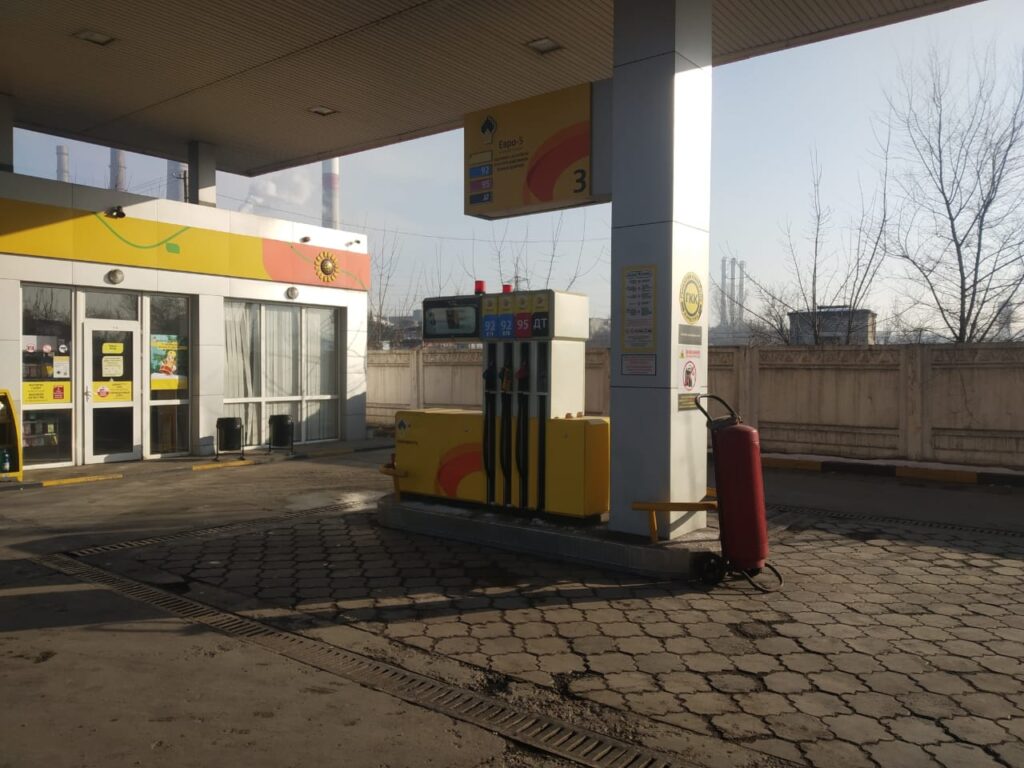
The temporary ban on gasoline exports introduced by the Russian government on August 27 will not affect Kyrgyzstan, the country’s Ministry of Energy has confirmed. As a member of the Eurasian Economic Union (EAEU), Kyrgyzstan is exempt from the restriction, which applies only to non-EAEU countries. Kyrgyzstan consumes approximately 1.6 million tons of motor fuel annually, 93% of which is imported from Russia under a 2016 intergovernmental agreement on fuel trade. While the full quotas for 2025 have yet to be fulfilled, deliveries remain uninterrupted, and negotiations are ongoing regarding 2026 volumes. Despite the exemption, domestic fuel prices in Kyrgyzstan have risen since mid-2025, reflecting wholesale price hikes in Russia. The Association of Oil Traders of Kyrgyzstan anticipates further increases in retail prices if the current upward trend at Russian refineries continues. The surge in Russian wholesale prices is attributed to multiple factors, including reduced refining capacity due to both scheduled and emergency maintenance, infrastructure damage from Ukrainian drone attacks, and ongoing difficulties in procuring technological equipment amid Western sanctions. In Kyrgyzstan, the price of AI-92 gasoline, a commonly used grade, has already reached 70 soms ($0.80) per liter. Nevertheless, retail fuel prices in Kyrgyzstan remain lower than in neighboring Tajikistan and Uzbekistan, which also depend on Russian imports but do not benefit from the EAEU exemption.

What Drives Kazakhstan’s Threefold Growth in High-Tech Exports

Kazakhstan has sharply increased its presence in the global market for high-tech goods in recent years. According to analysts at Finprom.kz, the country’s high-tech exports nearly tripled, rising from $2.5 billion in 2021 to $7.3 billion in 2024. Geography and Growth Dynamics This surge was driven less by a physical increase in exports, up 9.7%, and more by rising global prices and the growth of re-exports. Since 2022, amid shifting geopolitical dynamics, Kazakhstan has emerged as a key player in re-export chains for complex technical equipment. The Bureau of National Statistics reports that nearly 77% of high-tech export value in 2024 ($5.6 billion) was attributed to companies registered in Astana and Almaty. However, this reflects business registration patterns rather than actual production. For example, a Kazakh-Chinese joint venture in Ust-Kamenogorsk manufactures fuel assemblies for nuclear reactors, yet its exports are registered as originating from Almaty. Uranium: The Strategic Core Uranium and its compounds remain Kazakhstan’s dominant high-tech export, comprising 62.7% of the total in 2024, or $4.6 billion. Over the past three years, the value of uranium exports rose 2.6 times, while the physical volume increased by just 16.7%. The key driver was a sharp spike in global uranium prices: in the first half of 2024 alone, the spot price rose by 73%, while long-term contract prices also trended upward. Aviation and Leasing Structures Aircraft ranked second in terms of profitability. In 2024, exports of airplanes and helicopters exceeded $940 million, 30 times higher than in 2021. Ireland was the largest reported buyer. However, this spike reflects aviation leasing arrangements rather than direct aircraft sales. As noted in a document submitted by Prime Minister Olzhas Bektenov to the Mazhilis, Kazakhstan's parliament, Kazakhstan’s national carrier Air Astana operates aircraft registered in Ireland, leading to leasing-related flows being counted as exports. Smartphones, Electronics, and Digital Equipment Smartphones emerged as a fast-growing category, with exports increasing 54-fold to $433 million. Key markets included Central Asian neighbors, Mongolia, and the Czech Republic. Much of the growth occurred in 2022, driven by shifting supply chains amid international sanctions. While the volume of exported computers and digital equipment rose, their total value declined. Notably, exports of digital data processing units fell from $136.6 million in 2021 to $11.6 million in 2024. This discrepancy highlights the predominance of re-exports. In 2024, Kazakhstan produced just 33,000 computing units but exported 744,100. Similarly, it manufactured 7,500 electromechanical devices while exporting nearly 200,000. Broader Export Structure According to QazTrade, the share of high value-added products in Kazakhstan’s exports reached 13.5% or $11.1 billion in 2024, marking a 16.1% year-on-year increase. However, the country’s export structure remains resource-heavy: raw materials account for 63.3% of total exports, followed by low value-added goods at 15.5%, with high-tech processed goods in third place.

Tajik Cotton Farming in Crisis: Why Production Is Falling and What the Government Is Doing About It

Tajikistan’s cotton industry is facing a deepening crisis. Production has plummeted, costs have outstripped prices, and a lack of qualified specialists is further straining the sector’s viability. Once a cornerstone of the national economy, cotton is becoming increasingly unprofitable for farmers, prompting government efforts to reverse the decline. Harvest and Export Decline Over the past two years, cotton production has dropped dramatically. The 2022 harvest totaled 404,700 tons, but by 2024 this figure had fallen nearly 40% to 253,200 tons. Cotton fiber processing also decreased, from 127,100 tons in 2022 to 106,900 tons in 2024. This contraction has impacted exports. In 2024, Tajikistan exported 100,500 tons of fiber worth $170.1 million, $28.5 million less than the previous year. The average export price fell to $1,692 per ton. Iran remains the primary buyer, accounting for 68% of Tajik cotton exports. Other destinations include Turkey (15%), China (8.4%), Russia (4.4%), Pakistan (3%), Georgia (1%), Bangladesh (0.2%), and Latvia (0.1%). Strategic Resource Under Pressure On August 26, the Ministry of Economic Development and Trade hosted a meeting of the Interdepartmental Headquarters for Macroeconomic Policy. First Deputy Minister Ashurboy Solehzoda reaffirmed that cotton cultivation and processing remain “strategic directions” for the country. He emphasized the crop's importance not only for economic stability but also for maintaining Tajikistan’s export potential. However, authorities acknowledge that without modernization and deeper processing, the country risks losing its position in the global cotton market. What’s Behind the Decline? Multiple factors have contributed to the sector’s downturn in 2025. Abnormal spring rainfall delayed sowing by 65 days, shifting ripening schedules and reducing overall crop quality. Summer heatwaves and premature irrigation by farmers led to widespread root rot, compounding losses. Economic factors have also played a key role. The average purchase price for cotton remains at 6-7 somoni per kilogram, while production costs range from 7-8 somoni, making cultivation unprofitable and discouraging continued investment by farmers. A severe shortage of qualified personnel is another critical issue. Approximately 200,000 farms lack agronomists, and many textile enterprises struggle to find staff trained to operate modern machinery. The cost of electricity further burdens the sector, accounting for up to 15% of cotton yarn production costs. Processors receive no seasonal discounts to mitigate expenses. Additionally, limited access to affordable credit has prevented enterprises from upgrading equipment or expanding capacity. Government Response The government has introduced a set of tariff and non-tariff incentives aimed at stimulating processing and expanding textile production. However, experts argue that these measures are underutilized and have yet to make a meaningful impact on domestic supply or budget revenues.

Hungarian Firm to Build Honey Processing Plant in Kazakhstan

Hungarian company Aranynektár Kft plans to invest in the construction of a honey production and processing plant in Kazakhstan, with a focus on environmentally friendly exports to the European Union. The project was discussed during a meeting in Astana between Kazakhstan’s Deputy Minister of Agriculture, Yermek Kenzhehanuly, and Aranynektár Kft CEO Ferenc Fulmer. According to the ministry, the facility will feature modern equipment and aim to meet stringent EU standards. “Kazakhstan has all the necessary conditions for the sustainable development of beekeeping, from a favorable climate and clean environment to a strong scientific base and government support,” Kenzhehanuly said. Fulmer expressed readiness for long-term cooperation. His company is Hungary’s largest honey producer and exporter, with an annual capacity of up to 4,000 tons, 80% of which is exported to EU countries, the Middle East, and Asia. In 2024, Kazakhstan produced 5,000 tons of honey, with over 58% of output coming from East Kazakhstan, Pavlodar, Almaty, Turkestan, Abai, and Zhetysu regions. To support the sector, the government will introduce a subsidy of $0.37 per kilogram of honey sold starting in 2025. Under the 2024-2026 state development program, Kazakhstan is also funding projects aimed at the rational use of bee genetic resources and the adoption of environmentally sustainable production methods. These initiatives are expected to enhance product quality and align with EU export standards. Previously, The Times of Central Asia reported that Kazakhstan is seeking to expand agricultural exports to Europe and Russia, while China has emerged as the largest importer of honey from Kyrgyzstan.

Kyrgyzstan Restricts Livestock Exports to Stabilize Meat Prices

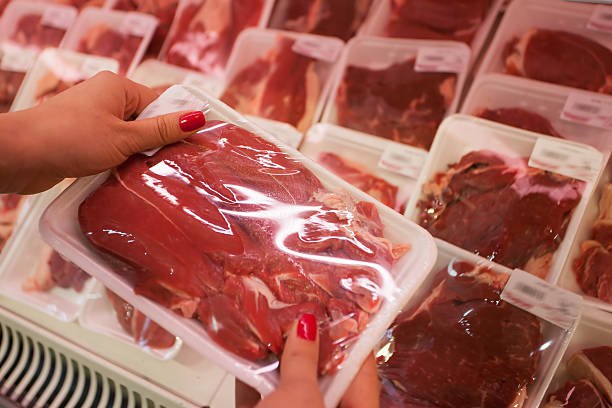
In early 2025, Kyrgyzstan temporarily suspended livestock exports in a bid to curb rising meat prices on the domestic market. The measure has resulted in a significant reduction in export volumes. According to the Ministry of Water Resources, Agriculture and Processing Industry, between January and mid-August 2025, Kyrgyzstan exported 30,493 cattle, 31,781 sheep and goats, and 1,636 horses. This marks a sharp decline compared to the same period in 2024, when the country exported 77,907 cattle, 70,392 sheep and goats, and 5,113 horses. Kyrgyz livestock is primarily exported to neighboring Central Asian countries. Officials say the suspension has helped prevent meat shortages and price surges domestically. To further bolster local meat production and supply, the ministry has proposed extending the export ban for an additional six months. In the first half of 2025, Kyrgyzstan produced 115,400 tons of meat, an increase of 3,900 tons compared to the same period in 2024. However, demand continues to outpace supply. National meat consumption stood at 309,400 tons in 2024 and reached 157,300 tons in the first half of 2025. In 2024, Kyrgyzstan met 86.2% of domestic meat demand through local production. That figure dropped to 79.7% in the first half of 2025, underscoring the country’s ongoing reliance on imports to bridge the supply gap. To contain prices, the government implemented temporary state control over retail meat prices beginning August 11. For a 90-day period, the price of beef and mutton has been capped at 700 Kyrgyz soms ($8) per kilogram.