• KGS/USD = 0.01143 -0%
  • KZT/USD = 0.00191 0%
  • TJS/USD = 0.10833 0.28%
  • UZS/USD = 0.00008 0%
  • TMT/USD = 0.28575 0%
  • KGS/USD = 0.01143 -0%
  • KZT/USD = 0.00191 0%
  • TJS/USD = 0.10833 0.28%
  • UZS/USD = 0.00008 0%
  • TMT/USD = 0.28575 0%
  • KGS/USD = 0.01143 -0%
  • KZT/USD = 0.00191 0%
  • TJS/USD = 0.10833 0.28%
  • UZS/USD = 0.00008 0%
  • TMT/USD = 0.28575 0%
  • KGS/USD = 0.01143 -0%
  • KZT/USD = 0.00191 0%
  • TJS/USD = 0.10833 0.28%
  • UZS/USD = 0.00008 0%
  • TMT/USD = 0.28575 0%
  • KGS/USD = 0.01143 -0%
  • KZT/USD = 0.00191 0%
  • TJS/USD = 0.10833 0.28%
  • UZS/USD = 0.00008 0%
  • TMT/USD = 0.28575 0%
  • KGS/USD = 0.01143 -0%
  • KZT/USD = 0.00191 0%
  • TJS/USD = 0.10833 0.28%
  • UZS/USD = 0.00008 0%
  • TMT/USD = 0.28575 0%
  • KGS/USD = 0.01143 -0%
  • KZT/USD = 0.00191 0%
  • TJS/USD = 0.10833 0.28%
  • UZS/USD = 0.00008 0%
  • TMT/USD = 0.28575 0%
  • KGS/USD = 0.01143 -0%
  • KZT/USD = 0.00191 0%
  • TJS/USD = 0.10833 0.28%
  • UZS/USD = 0.00008 0%
  • TMT/USD = 0.28575 0%
09 November 2025

Viewing results 1 - 6 of 3

Urban Night Almaty: Creative Communities and the Future of Central Asia

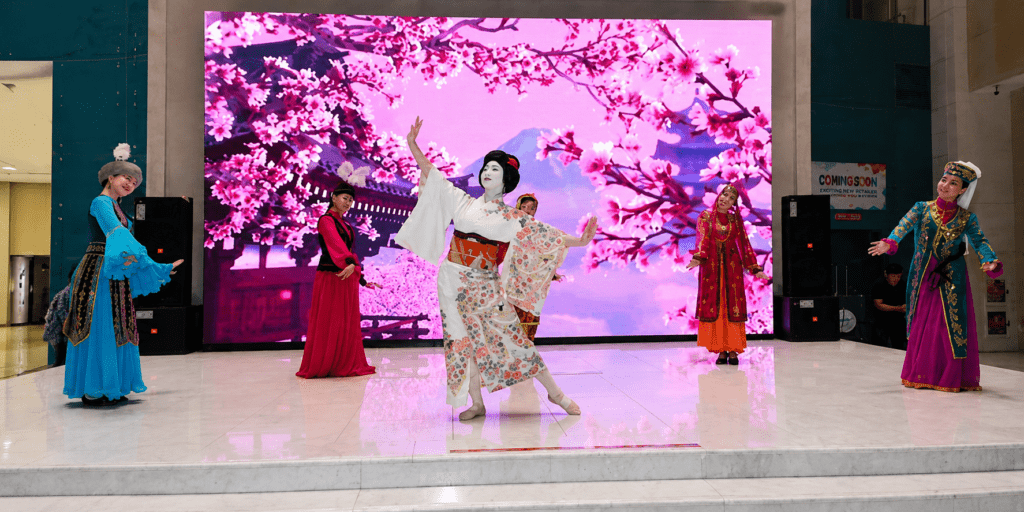
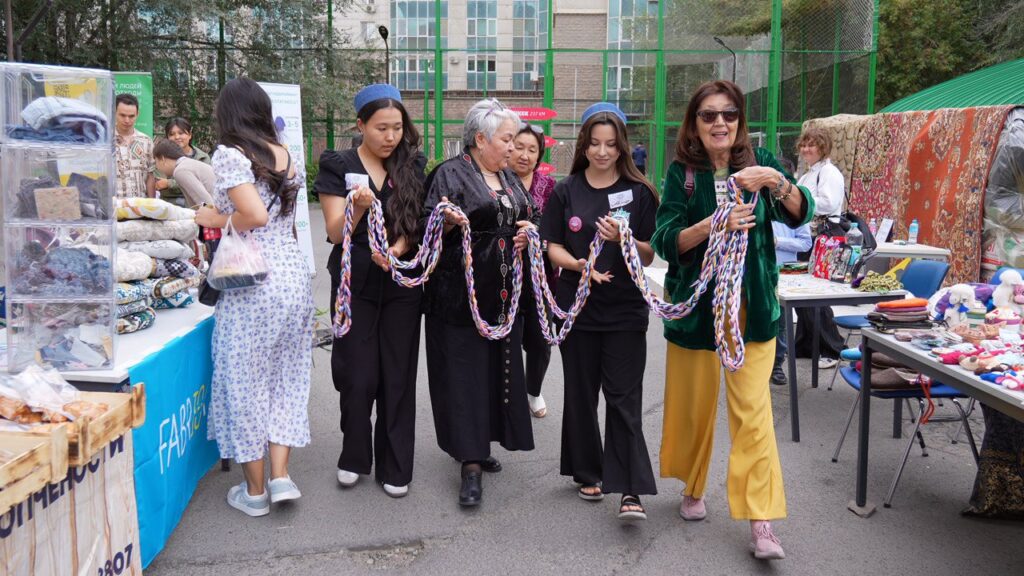
Ecology, entrepreneurship, and innovation in urban life were the central themes of Urban Night Almaty, a one-day festival held last Saturday in Kazakhstan’s largest city. The event sought to answer a key question: Can small-scale initiatives and grassroots communities meaningfully improve life in a metropolis? Organizers and attendees alike believe they can. The festival drew together a wide array of participants, recycling advocates, artists, artisans, confectioners, cosmetics producers, startup founders, writers, journalists, students, sociologists, urbanists, architects, and entrepreneurs, each contributing to a shared vision of sustainable, inclusive urban development. [caption id="attachment_36181" align="aligncenter" width="350"] @Eduard Galeev[/caption] “Each of us lives in our own information bubble, and events like this push us to step outside of it. We’re all different, but we can achieve something together,” said ecologist Pakizat Sailaubekova. “Looking at the people who came to the festival and how moved they are, it’s inspiring.” Discussion and Decision-Making Urban Night Almaty was organized around several thematic zones. One area was dedicated to public discussions on technology, education, and ecology. Bekežan Kaigaliev, founder of Food Recycling and Aquajem, presented on the use of fly larvae to process organic waste in large cities. Alexey Kupriakov, founder of the Green Workout movement, shared ideas on integrating eco-friendly practices into urban planning. Zhuldyz Saulbekova, CEO of the Almaty Air Initiative, spoke about technological solutions for combatting air pollution and chronic smog. [caption id="attachment_36180" align="aligncenter" width="350"] @Eduard Galeev[/caption] Other panels focused on educational innovation. Journalist and PR expert Anuarbek Zhalel, alongside Nursultan Amirkhan, product manager at Daryn.online, discussed promoting startups and integrating new tools in learning environments. A separate session brought together alumni of U.S. internship programs. Among them were athlete and IT specialist Aina Dosmakhambet, lawyer Zhibek Karamanova, and Yerzhan Nauruzbayev, a Forbes 30 Under 30 honoree with professional experience across three continents. Practice and Inspiration Beyond the panels, attendees participated in workshops and creative performances. Highlights included a sports-themed cleanup organized by Kupriakov and an urban exploration of Almaty led by the GoroZhanym project. An eco-themed market showcased small-scale producers offering food, toys, jewelry, souvenirs, and hygiene products. Many entrepreneurs shared stories of how their ventures, though modest in scale, contribute to making Almaty cleaner and more future-oriented. [caption id="attachment_36183" align="aligncenter" width="233"] @Eduard Galeev[/caption] “We often speak in terms of global problems, but it’s essential to respect action at the micro level,” said political analyst Dosym Satpaev. “Thanks to social media, even the smallest project can gain traction. The more of these we have, the stronger our creative economy becomes. These are the foundations for national stability, development, and retaining talent.” Satpaev also hosted a futurology session addressing the challenges and prospects artificial intelligence presents for Central Asia. The festival concluded with a tұsaуkeser ceremony, a Kazakh tradition that involves cutting a symbolic cord representing a newborn's first steps. The cords, handcrafted by members of the Niti Dobra movement (which supports premature infants), symbolized renewal and the strengthening of ties between citizens and their city. [caption id="attachment_36179" align="aligncenter" width="350"] @Eduard Galeev[/caption] Regional Reach “Our...

Kyrgyzstan Hosts Inaugural World Festival of Traditional Culture and Music “Rukh Sanat”

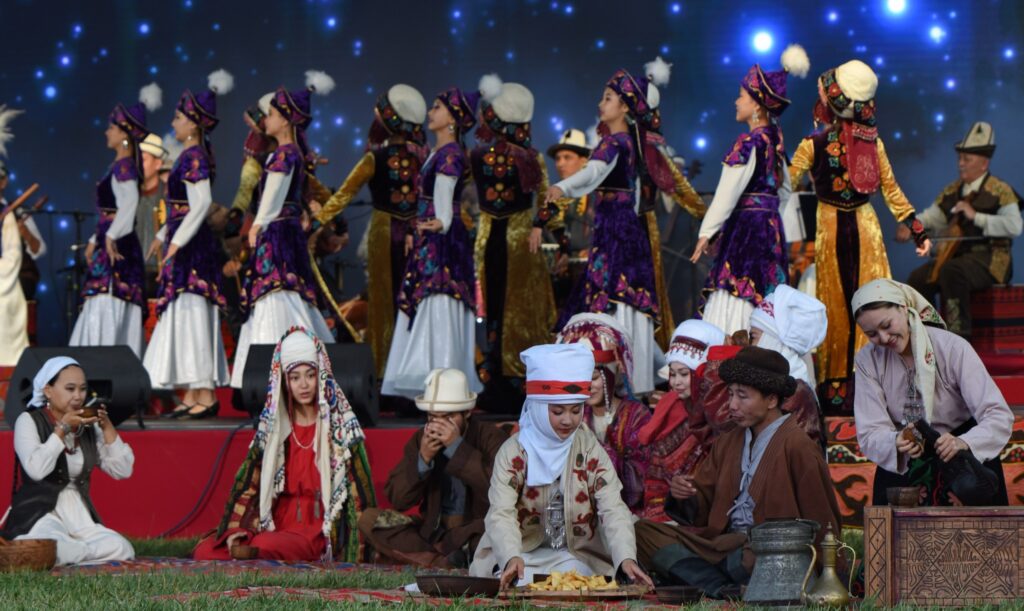
From August 1-3, the cultural and ethnographic complex Rukh Ordo, on the shores of Lake Issyk-Kul, hosted Kyrgyzstan’s first World Festival of Traditional Culture and Music, Rukh Sanat. The event brought together more than 130 performers, researchers, and artisans from 37 countries. The festival opened with a parade of participants and a theatrical ceremony celebrating nomadic traditions and harmony with nature. Kyrgyz Minister of Culture, Information and Youth Policy Mirbek Mambetaliev described Rukh Sanat as “a new cultural doctrine” where tradition “sounds, lives, and interacts.” [caption id="attachment_34893" align="aligncenter" width="2560"] Image: TCA/Maria Malinovskaya[/caption] [caption id="attachment_34892" align="aligncenter" width="2560"] Image: TCA/Maria Malinovskaya[/caption] The program included an International Competition of Oral-Professional Musical Art, featuring 82 soloists and ensembles from 14 countries. The Grand Prix was awarded to the Kyrgyz ensemble Akak, while laureates included performers from Kazakhstan, Uzbekistan, Russia, South Korea, and India. [caption id="attachment_34895" align="aligncenter" width="2560"] Image: TCA/Maria Malinovskaya[/caption] [caption id="attachment_34896" align="aligncenter" width="2560"] Image: TCA/Maria Malinovskaya[/caption] Alongside the performances, the International Council for Traditional Music and Dance (ICTMD) held a symposium attended by more than 100 scholars from 40 countries, addressing the preservation and transformation of intangible cultural heritage. The festival concluded on August 3 with a gala concert of laureates. Deputy Chairman of the Cabinet of Ministers Edil Baisalov announced that the next Rukh Sanat will be held in Kyrgyzstan’s Jalal-Abad region in 2027. [caption id="attachment_34897" align="aligncenter" width="2560"] Image: TCA/Maria Malinovskaya[/caption] [caption id="attachment_34898" align="aligncenter" width="2560"] Image: TCA/Maria Malinovskaya[/caption] Organizers see the festival as an important step toward strengthening Central Asia’s cultural presence on the global stage.

Khiva Readies for Melon Festival: A Celebration of Heritage and Harvest

Khiva, the ancient Silk Road city in Uzbekistan’s Khorezm region, will host the traditional Melon Festival, or “Qovun sayli,” from August 8–10. The celebration will be held across the historic Itchan-Kala complex and the Arda Khiva cultural space. Organized by the State Tourism Committee and the Khorezm khokimiyat (local government), the festival promotes regional identity and agritourism by highlighting Khorezm’s famed melons. Farmers from across the region will exhibit scores of different melon varieties — around 125 types were showcased last year — in pavilions decorated with traditional designs. More than a fruit fair, the festival offers puppet shows, folk music, national costume displays, and culinary exhibitions, including Khorezm bread and other regional dishes. Artisans will host workshops on handicrafts such as silk weaving and pottery, giving visitors hands-on exposure to Uzbek heritage and traditions. Evening gala concerts featuring local and international performers will take place on August 8–9 in the Itchan-Kala and conclude on August 10 in Arda Khiva. [caption id="attachment_33945" align="aligncenter" width="2224"] Image: TCA, Stephen M. Bland[/caption] Qovun sayli will also have a competitive edge, with awards sponsored by the regional khokimiyat and private sponsors recognizing standout agronomists, artisans, and performers. [caption id="attachment_33947" align="aligncenter" width="2560"] Image: TCA, Stephen M. Bland[/caption] Melons occupy a special place in Uzbek tradition. Over 150 varieties are grown nationwide, many prized for their sweetness and storied past. In Khorezm, melons are more than food — they are cultural icons. Ancient Uzbek kingdoms would send the fruit as gifts by camel caravan to Baghdad, and to the Russian tsars and Mughal emperors. Writing in 1876, British colonel and explorer Frederick Burnaby noted that the “taste was so delicious that anyone only accustomed to this fruit in Europe would scarcely recognize its relationship with the delicate and highly perfumed melons of Khiva.” The festival has become a cornerstone of Khiva’s cultural calendar, attracting approximately 30,000 foreign and 400,000 domestic visitors in 2024 alone. Tourism officials view Qovun sayli as essential to boosting regional visibility and economic growth, with Khiva’s festivals, including the Lazgi International Dance Festival, a key part of Uzbekistan’s broader push to spotlight cultural tourism.