


A new cultural bridge between Japan and Kazakhstan was celebrated at the National Museum of the Republic of Kazakhstan, where internationally acclaimed Japanese manga artist Kaoru Mori opened her exhibition, Central Asian Cuisine, as part of the international “Japanese Spring” arts festival.
The project was organized by the Degdar Humanitarian Foundation with the support of JTI Kazakhstan. The exhibition introduces visitors to the culinary traditions and cultural heritage of the five Central Asian countries through the visual storytelling style of Japanese manga.
The Central Asian Cuisine manga project was originally created to mark the 10th anniversary of the “Japan + Central Asia” dialogue, established in 2004 between the Government of Japan and the five Central Asian nations.
According to Akmaral Ibrayeva, deputy director of the National Museum, the exhibition is one of the most distinctive cultural projects combining culinary art with national customs and traditions, while also reflecting the unique aesthetics of each country.
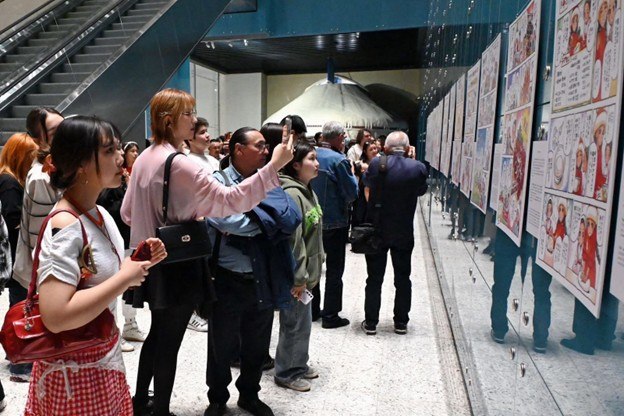
Photo: National Museum of Kazakhstan
Speaking at the opening ceremony, Yasumasa Iijima, Ambassador Extraordinary and Plenipotentiary of Japan to Kazakhstan, emphasized that the “Japanese Spring” festival represents “diplomacy through art,” strengthening friendship and mutual understanding between nations.
The ambassador also noted that this is the second exhibition in Astana featuring Kaoru Mori’s manga works at the National Museum.
“Manga is read throughout Japan from schoolchildren to the Prime Minister,” the ambassador said. “It has become one of the symbols of modern Japanese culture, and today this genre has conquered the world.”
The manga tells the story of young women from the countries participating in the dialogue who introduce their Japanese friend to their national cuisines and traditional dishes. Through vivid illustrations and detailed depictions of cooking methods, the manga serves not only as an artistic work but also as a culinary guide to Central Asian food culture.
According to Timur Kurmanchiyev, artistic director of the festival, a renowned musician and Honored Worker of Kazakhstan, the “Japanese Spring” festivals have become the largest and longest-running events dedicated to Japanese culture in Kazakhstan and across Central Asia.
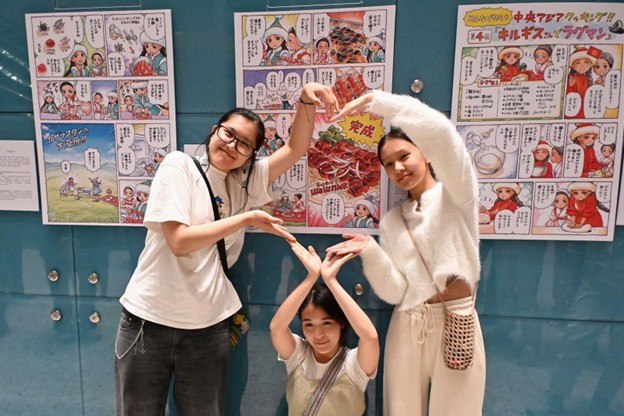
Photo: National Museum of Kazakhstan
Guests attending the opening ceremony also enjoyed performances featuring traditional dance and choral music, adding a festive atmosphere to the exhibition.
The exhibition highlights how art, cuisine, and cultural dialogue can bring nations closer together, offering visitors a unique opportunity to explore Central Asian traditions through the lens of Japanese manga artistry.

