• KGS/USD = 0.01143 0%
  • KZT/USD = 0.00205 0%
  • TJS/USD = 0.10724 0.09%
  • UZS/USD = 0.00008 0%
  • TMT/USD = 0.28571 0%
  • KGS/USD = 0.01143 0%
  • KZT/USD = 0.00205 0%
  • TJS/USD = 0.10724 0.09%
  • UZS/USD = 0.00008 0%
  • TMT/USD = 0.28571 0%
  • KGS/USD = 0.01143 0%
  • KZT/USD = 0.00205 0%
  • TJS/USD = 0.10724 0.09%
  • UZS/USD = 0.00008 0%
  • TMT/USD = 0.28571 0%
  • KGS/USD = 0.01143 0%
  • KZT/USD = 0.00205 0%
  • TJS/USD = 0.10724 0.09%
  • UZS/USD = 0.00008 0%
  • TMT/USD = 0.28571 0%
  • KGS/USD = 0.01143 0%
  • KZT/USD = 0.00205 0%
  • TJS/USD = 0.10724 0.09%
  • UZS/USD = 0.00008 0%
  • TMT/USD = 0.28571 0%
  • KGS/USD = 0.01143 0%
  • KZT/USD = 0.00205 0%
  • TJS/USD = 0.10724 0.09%
  • UZS/USD = 0.00008 0%
  • TMT/USD = 0.28571 0%
  • KGS/USD = 0.01143 0%
  • KZT/USD = 0.00205 0%
  • TJS/USD = 0.10724 0.09%
  • UZS/USD = 0.00008 0%
  • TMT/USD = 0.28571 0%
  • KGS/USD = 0.01143 0%
  • KZT/USD = 0.00205 0%
  • TJS/USD = 0.10724 0.09%
  • UZS/USD = 0.00008 0%
  • TMT/USD = 0.28571 0%

Viewing results 1 - 6 of 270

Kazakhstan Bans Export of Gasoline and Diesel Fuel

Kazakhstan has officially banned the export of gasoline and diesel fuel by road and rail, according to a government decision that came into effect on January 29, 2025. The restriction is outlined in amendments to the joint order “On Some Issues of Export of Oil Products from the Territory of the Republic of Kazakhstan,” which were approved by the Minister of Energy, the Chairman of the National Security Committee (KNB), and the Ministers of Finance and Internal Affairs. Scope of the Ban and Exceptions Under the new regulations, the export of petroleum products - including to member states of the Eurasian Economic Union (EAEU) - is prohibited via road transportation. "Introduce a ban on the export of gasoline, diesel fuel, and certain types of petroleum products from the territory of the Republic of Kazakhstan, including to the EAEU member states, by road transport," the official statement reads. However, the government has outlined several exceptions: Lubricating oils may still be exported. Fuel contained in vehicle gasoline tanks is permitted for export, provided it meets factory specifications. Aviation fuel may be exported for scientific research, additive testing, laboratory studies, and industrial production, subject to government approval. Petroleum products designated for humanitarian aid are exempt from the ban during the period from September 29, 2024, to March 29, 2025. In addition to road transport, railway exports are also restricted, with limited exceptions. Gasoline exports within the framework of state-approved plans, as well as fuel deliveries for humanitarian aid and disaster relief efforts, will be permitted between February 1 and March 29. Government’s Rationale for the Ban The Ministry of Energy stated that the new restrictions aim to prevent fuel shortages in the domestic market. The move comes amid discussions about phasing out state regulation of fuel prices. As The Times of Central Asia previously reported, the Kazakh government is considering a gradual liberalization of gasoline and diesel fuel prices to reduce price disparities with neighboring countries and curb the illegal export of fuel and lubricants.

Tokayev Outlines Economic Reforms and Calls for Revised Energy Contracts

On January 28, Kazakhstan's capital Astana hosted an expanded government meeting led by President Kassym-Jomart Tokayev. The event focused on the country's socio-economic development in 2024, but this year’s discussion carried broader implications, addressing both domestic and international concerns. Addressing Budget Constraints From the outset, Tokayev made it clear that a key issue for his government is the state budget’s financial shortfall. Analyst Gaziz Abishev noted on his Telegram channel that the problem is not just a lack of funds but a long-standing habit - dating back to 2003 - of addressing challenges by simply increasing spending. “There is no longer an oil windfall to revitalize the dry economy as there was 20 years ago,” Abishev wrote. Adding to the uncertainty, Kazakhstan’s oil revenues face potential disruption from Donald Trump’s stated intention to drive down global hydrocarbon prices. Tokayev outlined a range of measures to fill budget gaps, urging his government to take bold, unconventional steps. He called on officials to act in the country’s best interests without fear of pressure from the Anti-Corruption Service or public opinion. He also stressed the importance of depoliticizing economic partnerships, particularly with Russia and China, cautioning against allowing Russophobic or Sinophobic rhetoric to interfere with business deals. “Money must be attracted from abroad, and this is more important than ever. Without investment, we cannot sustain ourselves. Money doesn’t smell, but it disappears. We need to attract investment from all sides - within the law - without falling into populism. The future of the national economy, and to some extent the country as a whole, is at stake,” Abishev commented. Public Reaction to Tax Reforms Although tax reform was only the sixth of eight key points in Tokayev’s speech, it quickly became the most widely discussed issue among the public. Kazakhstan’s value-added tax (VAT) is currently 12%, with a sufficiency threshold of 78 million tenge ($150,937). The government is considering raising the VAT rate to 20% and lowering the sufficiency threshold to 15 million tenge ($29,026). If implemented, nearly all small businesses would become VAT payers, while the increased tax rate is expected to drive inflation. The government maintains that inflation will not exceed 4.5%, but Tokayev’s mention of “belt-tightening” has already led many to expect rising retail prices. To offset the burden on businesses, the government proposes eliminating mandatory employer pension contributions and reducing the social tax. However, Tokayev himself expressed reservations about cutting the social tax, emphasizing that regional governors (akims) need financial incentives. “Think again. I believe it would be wrong to deprive akims of incentives, especially financial ones. After all, the regions are the country. Find a solution. We will meet again to discuss these issues,” he told the government. The tax reforms will also be debated in Parliament, where the lower house is currently reviewing the draft of the new Tax Code. The government will have to negotiate with members of the Majilis and Senate over the VAT rate, sufficiency threshold, and other sensitive issues. Messages to Foreign Partners...

Kyrgyz Businesses and Government Meet to Discuss New Tax Initiative

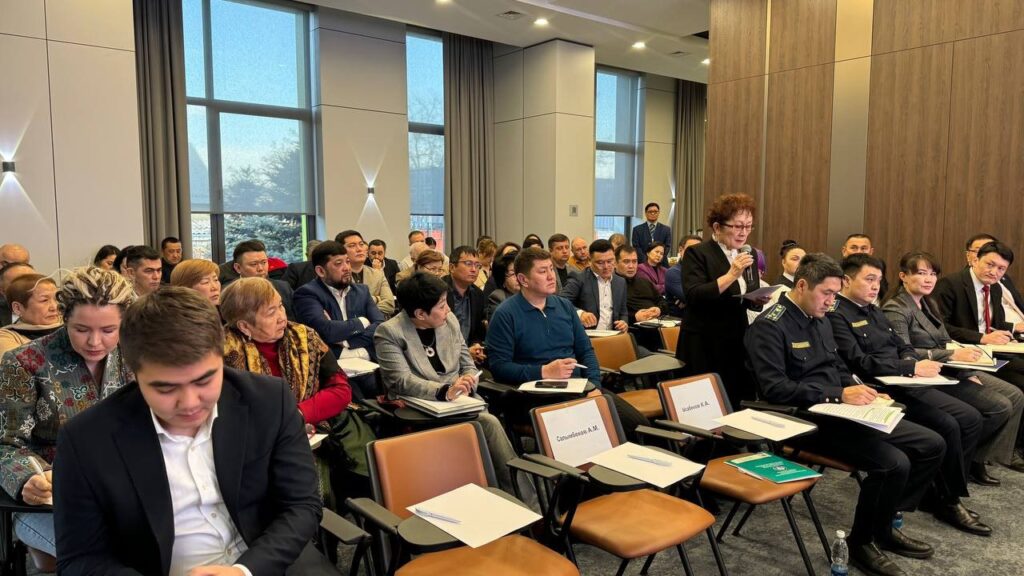
Government officials, members of parliament, and entrepreneurs gathered at one of Kyrgyzstan’s largest business associations to discuss pressing issues affecting the country’s business environment, including taxation and efforts to streamline processes for entrepreneurs. The primary focus of the meeting was the introduction of the electronic bills of lading (EBL) system. The Times of Central Asia has previously reported on the challenges businesses face with this new system. The State Tax Service (STS) has pledged to revise the EBL system by the end of the month to address concerns raised by the business community. Almambet Shykmamatov, head of the STS, acknowledged that authorities had rushed the implementation of the EBL system without adequately considering the interests of businesses. “We understand that the market is a complex system that cannot be changed overnight. We are committed to dialogue and compromise. Our goal is not only to regulate but also to support businesses. That’s why continuous engagement with the business community is essential,” Shykmamatov stated. Beyond electronic bills of lading, entrepreneurs raised concerns over the lack of preventive measures in Kyrgyzstan’s system of fines. Akzhol Isayev, general director of Dordoi Security, highlighted that unlike Russia and Kazakhstan, which have legal provisions for issuing warnings, Kyrgyzstan imposes penalties without warnings. “Kyrgyzstan has 11 articles with fines, but none that provide for warnings,” Isayev explained. He also noted that some fines, which can reach as high as one million KGS (approximately $12,000), often lead to business closures or encourage corruption. Shykmamatov admitted that excessive tax pressure can harm the business environment. Consequently, participants decided to establish a working group to review and reform the system of penalties, aiming for a more business-friendly approach. Sergei Ponomarev, president of the Association of Markets, Trade, and Services Enterprises, emphasized that protecting private property is critical for attracting investment. However, he warned that businesses in Kyrgyzstan are hesitant to invest in real estate due to legal uncertainties. “An entrepreneur might honestly purchase property, invest in it, and create jobs, only to later discover that the land was acquired illegally 30 years ago. This uncertainty makes businesses afraid to commit to long-term projects,” Ponomarev said. To address this issue, the business community has proposed the introduction of a statute of limitations for real estate transactions. “It’s encouraging when the state not only listens to our problems but also offers constructive solutions. I am confident that this approach will improve the investment climate and raise the standard of living for our citizens,” Ponomarev added. The STS noted that similar meetings have been held with representatives of logistics companies, the Chamber of Commerce and Industry, and the American Chamber of Commerce in Kyrgyzstan.

Binance Officially Launches Operations in Uzbekistan

The National Agency for Prospective Projects has announced that Binance, one of the world’s largest cryptocurrency exchanges, will officially provide services to users in Uzbekistan. According to the agency’s press service, Binance will operate in the country through the local company CoinPay LLC, ensuring compliance with Uzbekistan’s laws. Residents of Uzbekistan will be able to access the platform via coinpay.uz, which will allow users to deposit and withdraw funds in the national currency using bank cards and local payment systems. “The system will launch after integrating all partner platforms, including national payment systems,” the agency stated. Legal Challenges Resolved This development comes after Binance faced regulatory challenges in Uzbekistan. In January 2024, the National Agency for Prospective Projects fined Binance for non-compliance with the country’s laws on cryptocurrency asset turnover. The agency subsequently filed a lawsuit in the Tashkent City Economic Court to enforce the fine. The court trial, which ran from March 26 to June 7, 2024, ruled in favor of the agency. Binance was fined 300 base calculation amounts, which the company paid in full to the state budget. Binance’s Expansion in Central Asia Uzbekistan is the latest addition to Binance’s growing presence in Central Asia. The exchange launched its first local digital asset platform in the region in Kazakhstan in June 2023. This platform is based at the Astana International Financial Center. Later that year, Binance Kazakhstan partnered with the National Bank of Kazakhstan and the National Payment Corporation to implement a groundbreaking project: the issuance of the world’s first stablecoin backed by a national digital currency. This innovation was tested on the BNB Smart Chain (BSC) network. Binance has also made efforts to engage with the cryptocurrency community in Kyrgyzstan. In January 2023, the company held its first community meet-up in the country. In May of that year, Binance’s regional head for Central Asia, Kirill Khomyakov, described Kyrgyzstan as a promising market for cryptocurrency development. However, despite these initiatives, Binance has not yet officially launched operations in the Republic. Binance’s official entry into Uzbekistan marks another step in its strategic expansion across Central Asia. By complying with local regulations and collaborating with a licensed partner, Binance has reinforced its commitment to integrating its platform into Uzbekistan’s growing cryptocurrency landscape.

Kyrgyzstan Simplifies Entry Rules for Foreign Citizens

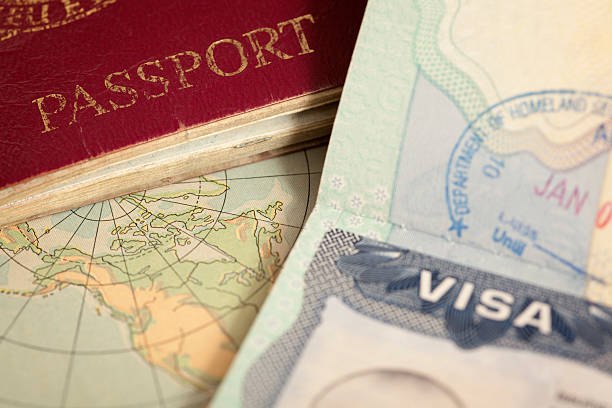
Kyrgyzstan has introduced significant changes to its visa policy, eliminating several visa categories, including business, tourist, and mountain tourism visas, as part of efforts to improve its investment climate and boost tourism. These visas will now be replaced with a streamlined system centered around a new “Sapar visa”, which can be issued within 24 hours of application. According to the Ministry of Foreign Affairs, the Sapar visa will be available to foreign citizens traveling to Kyrgyzstan for business, tourism, or private purposes, such as visiting friends or undergoing medical examinations. The visa allows stays of up to 90 days and offers both single-entry and multiple-entry options. The changes will take effect on January 22, 2025, with applications submitted through the government’s Electronic Visa portal. The e-visa portal, launched five years ago, was developed to simplify the visa application process, particularly for tourists and investors. The system is user-friendly, requiring only an internet connection, a credit or debit card for payment, and scanned copies of necessary documents. By modernizing its visa policies and making the process faster and more accessible, Kyrgyzstan hopes to attract more foreign investors and tourists, bolstering economic growth. The government’s approach reflects a commitment to removing bureaucratic hurdles and positioning the country as an attractive destination for both business and leisure travel.

Kyrgyzstan Launches Sustainable Tourism Development Program

The Cabinet of Ministers of Kyrgyzstan has approved a new Program for Sustainable Tourism Development which is set to run until 2030. The program aims to significantly enhance the country's tourism sector, focusing on sustainable growth, regional development, and environmental preservation. Program Priorities The program outlines several key areas for development: Strengthening state policy, improving regulations, and enhancing strategic management in tourism. Boosting the attractiveness of tourism services for both domestic and international travelers. Leveraging digital technologies to simplify access to tourism products. Ensuring the safety and security of tourists. Preserving and promoting Kyrgyzstan’s historical, cultural, and natural heritage while maintaining ecological balance. Stimulating regional development and supporting local economies through tourism initiatives. Improving transport, hotel, and tourism infrastructure. Encouraging the adoption of green technologies and supporting environmentally friendly practices. Promoting niche tourism markets such as medical, sports, and health resort tourism. The program has ambitious goals, including increasing tourism's contribution to the national GDP to 7% and achieving a 10% annual growth in the number of domestic and foreign tourists. Currently, tourism accounts for 2.7% of Kyrgyzstan’s GDP. Rising Tourism Numbers Kyrgyzstan’s tourism industry has seen steady growth in recent years. As previously reported by The Times of Central Asia, the country is expected to have attracted more than 10.5 million foreign tourists in 2024, up from 8.5 million in 2023. In the first eight months of 2024 alone, Kyrgyzstan welcomed 6.1 million foreign visitors. The majority of tourists came from Uzbekistan, Kazakhstan, and Russia, followed by travelers from Turkey, China, India, Germany, Pakistan, the United States, and South Korea. Infrastructure and Investment On January 11, the First Deputy Chairman of the Cabinet of Ministers, Daniyar Amangeldiev, chaired a meeting on tourism development. The discussions centered on improving tourism infrastructure, creating favorable conditions for investment in the sector, and designing new tourist routes. Amangeldiev emphasized the pivotal role of tourism in driving economic growth and creating jobs. As part of the government's plans, 40 new tourist bases are expected to open across the country by 2025. These will be developed in cooperation with local communities and investors. “We must improve services, develop unique routes, and ensure tourists’ safety throughout their journey in Kyrgyzstan,” Amangeldiev stated. A Vision for the Future With its diverse landscapes, rich cultural heritage, and growing global recognition, Kyrgyzstan is positioning itself as a major tourism destination in Central Asia. The new program aims to transform the sector into a key driver of sustainable development, while preserving the country’s natural and cultural treasures for future generations.