• KGS/USD = 0.01144 0%
  • KZT/USD = 0.00205 0%
  • TJS/USD = 0.10785 0.09%
  • UZS/USD = 0.00008 0%
  • TMT/USD = 0.28571 0.28%
  • KGS/USD = 0.01144 0%
  • KZT/USD = 0.00205 0%
  • TJS/USD = 0.10785 0.09%
  • UZS/USD = 0.00008 0%
  • TMT/USD = 0.28571 0.28%
  • KGS/USD = 0.01144 0%
  • KZT/USD = 0.00205 0%
  • TJS/USD = 0.10785 0.09%
  • UZS/USD = 0.00008 0%
  • TMT/USD = 0.28571 0.28%
  • KGS/USD = 0.01144 0%
  • KZT/USD = 0.00205 0%
  • TJS/USD = 0.10785 0.09%
  • UZS/USD = 0.00008 0%
  • TMT/USD = 0.28571 0.28%
  • KGS/USD = 0.01144 0%
  • KZT/USD = 0.00205 0%
  • TJS/USD = 0.10785 0.09%
  • UZS/USD = 0.00008 0%
  • TMT/USD = 0.28571 0.28%
  • KGS/USD = 0.01144 0%
  • KZT/USD = 0.00205 0%
  • TJS/USD = 0.10785 0.09%
  • UZS/USD = 0.00008 0%
  • TMT/USD = 0.28571 0.28%
  • KGS/USD = 0.01144 0%
  • KZT/USD = 0.00205 0%
  • TJS/USD = 0.10785 0.09%
  • UZS/USD = 0.00008 0%
  • TMT/USD = 0.28571 0.28%
  • KGS/USD = 0.01144 0%
  • KZT/USD = 0.00205 0%
  • TJS/USD = 0.10785 0.09%
  • UZS/USD = 0.00008 0%
  • TMT/USD = 0.28571 0.28%

Viewing results 1 - 6 of 270

Uzbekistan Completes Bilateral WTO Talks with U.S.

Uzbekistan has successfully concluded bilateral negotiations with the United States as part of its efforts to join the World Trade Organization (WTO), according to Azizbek Urunov, Special Representative of the President of Uzbekistan for the WTO. Urunov announced the milestone on his LinkedIn page. “Uzbekistan and the United States signed today, on December 19, 2024, the Protocol on the completion of the bilateral market access negotiations within Uzbekistan’s WTO accession,” Urunov wrote. The protocol was signed by Deputy Prime Minister Jamshid Khodjaev and U.S. Trade Representative Katherine Tai. Urunov described 2024 as a “historic year” for Uzbekistan’s WTO membership process, noting significant progress achieved by the end of the year. Expressing gratitude, Urunov commended the U.S. negotiating team for its constructive engagement and lauded the dedication of Uzbekistan’s negotiators. He emphasized the country’s commitment to finalizing its WTO accession by 2026, under the leadership of President Shavkat Mirziyoyev. In addition to the United States, Uzbekistan has also concluded bilateral negotiations with China, signaling accelerated efforts to meet its WTO membership target.

Uzbekistan Targets $43 Billion in Investments to Accelerate Growth

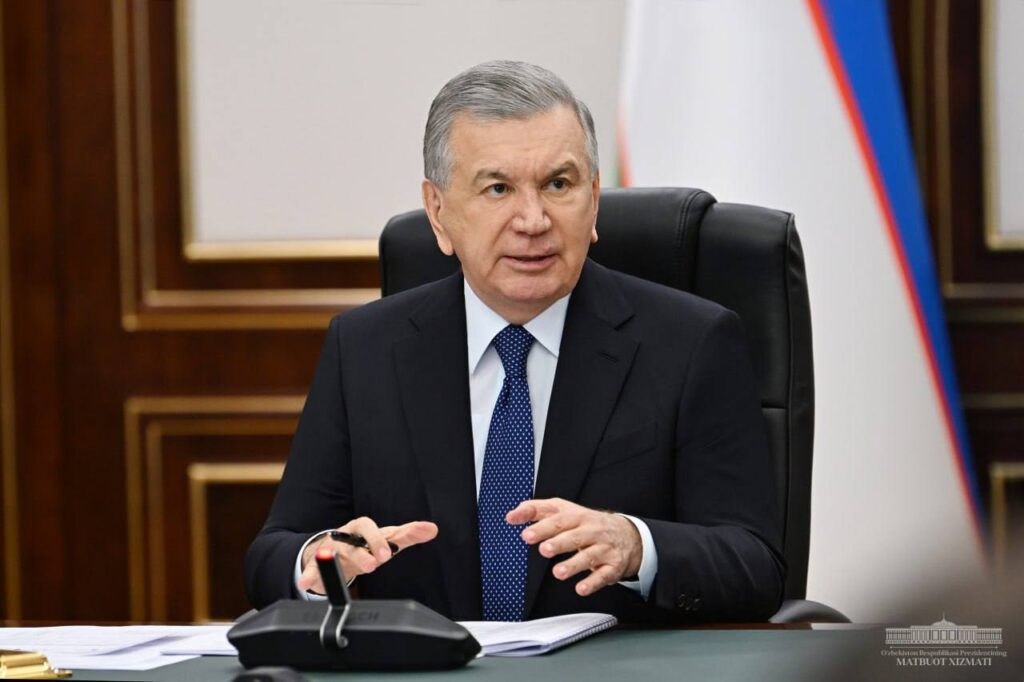
On December 19, Uzbek President Shavkat Mirziyoyev chaired a government meeting to review foreign investment progress in 2024 and outline goals for 2025​. Since 2017, Uzbekistan has attracted a total of $188 billion in investments, including $87 billion in foreign investments. This has increased the share of investments in the country’s GDP to over 30%, providing a solid foundation for sustainable economic growth. In 2024, the volume of investments grew by 1.3 times, surpassing $36 billion. These funds financed 560 large and medium-sized projects, many of which have already been put into operation this year. These projects are expected to boost Uzbekistan’s exports by $1 billion in 2025. For 2025, Uzbekistan aims to utilize $43 billion in investments, funding over 300 large projects. These initiatives will support the production of 662 types of import-substituting goods, further strengthening the country’s industrial base. Mirziyoyev underscored the importance of targeted engagement with foreign investors and improving conditions to attract more investment. The meeting also set an ambitious goal to double Uzbekistan’s annual export volume by 2030, reaching $45 billion. Achieving this target will require launching new investment projects, increasing the production of high-added-value goods, and expanding access to international markets.

Kyrgyzstan Unveils Ambitious Growth Plans at People’s Kurultai

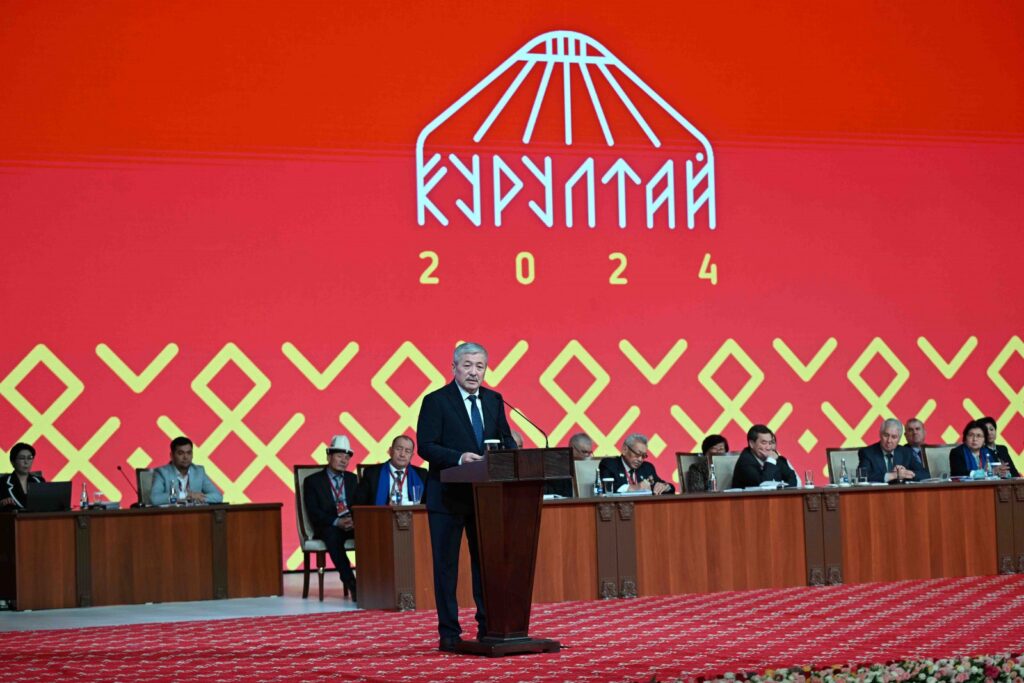
On December 20, Bishkek hosted the third People’s Kurultai (Congress), a platform for direct dialogue between representatives of local communities from across Kyrgyzstan and the country’s top leadership. The event featured opening remarks by President Sadyr Japarov and a detailed address by newly appointed Chairman of the Cabinet of Ministers, Adylbek Kasymaliyev, who outlined the government’s economic priorities and strategic plans for the future. Japarov set the tone for the event by sharing his vision for Kyrgyzstan’s development priorities. He announced that construction of the long-anticipated China-Kyrgyzstan-Uzbekistan railway will commence on December 27. Kasymaliev, in his address, emphasized Kyrgyzstan’s ability to sustain economic momentum, citing the country’s 9% annual GDP growth rate over the past three years. He highlighted key initiatives aimed at transforming Kyrgyzstan’s economic landscape, including: Strategic Infrastructure Projects: Kasymaliyev underscored the significance of the China-Kyrgyzstan-Uzbekistan railway, which is expected to create new economic centers and logistics hubs, effectively positioning Kyrgyzstan as a "land port" in the region. Hydropower and Renewable Energy: As a reliable partner in Central Asia’s hydropower sector, Kyrgyzstan will continue collaborating with Kazakhstan and Uzbekistan on the flagship Kambarata-1 hydroelectric power plant. Kasymaliyev also announced plans to expand solar and wind energy, eliminate state monopolies in the energy sector, and create conditions to attract private investment. Agriculture and Food Security: The government will prioritize agricultural processing to add value to raw products, ensuring food security and bolstering rural economic development. Construction as an Economic Driver: With construction contributing 7.4% of Kyrgyzstan’s GDP - a tenfold increase since 2013 - Kasymaliyev called the industry a vital indicator of economic growth. He noted that construction has significantly improved citizens' well-being over the past three years. Government’s Strategic Goals Kasymaliyev laid out an ambitious roadmap for the Cabinet of Ministers, aiming for the following by 2030: Economic Growth: Maintaining a GDP growth rate of 9% and achieving a GDP of $30 billion. Income Growth: Raising GDP per capita from $2,500 to $4,000. Economic Transition: Shifting from a services-oriented economy to an industrial-agrarian model. Support for Small and Medium Businesses: Increasing their share in GDP from the current 40.5% to 50%. Poverty Reduction: Lowering the poverty rate to 17%. Education Expansion: Ensuring 80% of preschool-age children have access to kindergarten. Kasymaliyev’s address underscored the government’s commitment to comprehensive economic reforms and regional cooperation. His plans reflected an optimistic vision for Kyrgyzstan’s development while addressing key challenges in energy, infrastructure, and social services.

Tax Troubles Trigger Shake-Up: Kyrgyzstan Names New Prime Minister

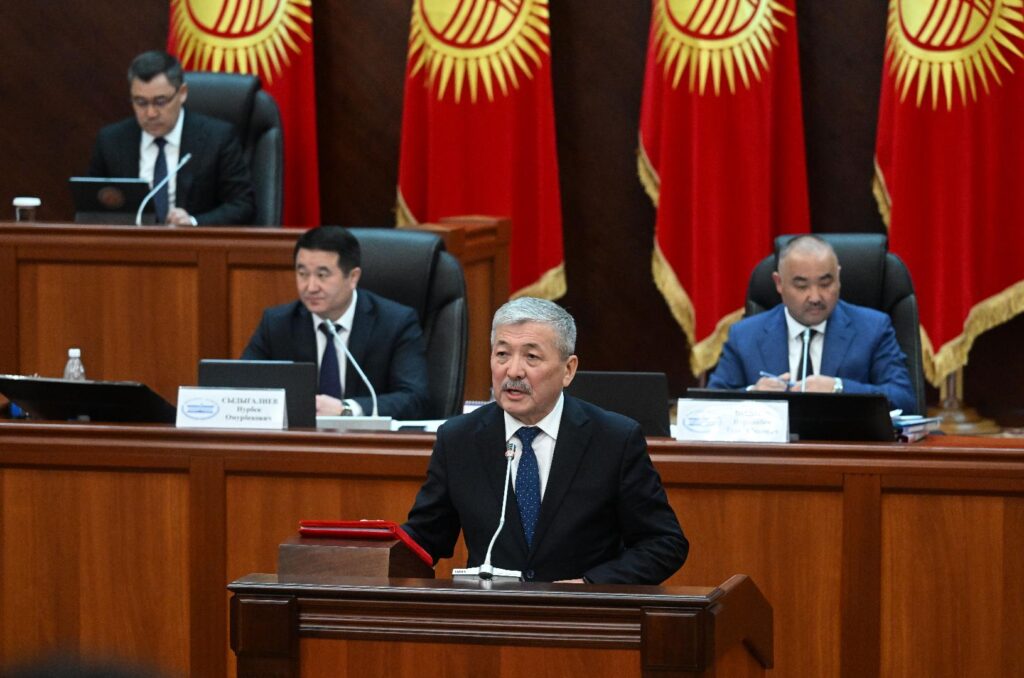
In Kyrgyzstan, Adylbek Kasymaliev, the head of the Cabinet of Ministers, has replaced Akylbek Japarov and became the new Prime Minister of the country. The departure of the previous head came as a surprise to most citizens. However, the president of the Kyrgyz Republic explained that the dismissal was due to unfavorable developments in the sphere of taxes. New Prime Minister Adylbek Kasymaliev was born on December 1, 1960, in the village of Dolon, in the Tyup district of the Issyk-Kul region. Over his long career, he has held the positions of Minister of Finance of Kyrgyzstan, Chairman of the State Tax Service, and Deputy Head of the Presidential Administration. According to the Kyrgyz president, Kasymaliev’s predecessor, Akylbek Japarov, who served for more than three years in the government, made a number of mistakes in the area of taxes. “His departure from office, I think, should not be politicized," stated President Sadyr Japarov. "Unfavorable events in the tax sphere, which provides the funds for the budget, have impacted this decision. There have also been machinations with excise duties. This sphere was under Akylbek Usenbekovich's personal control, and he could have taken earlier measures to stop illegal activity. Because of illegal manifestations in this area, as well as an investigation into the leadership of the tax service, there is a need to eliminate a conflict of interests. Thus, I decided to remove him from his post,” the president told Parliament. Earlier, the State Tax Service of Kyrgyzstan underwent massive inspections, resulting in a number of high-ranking officials losing their posts, including the head of the State Tax Service and some of his deputies. Kyrgyz analyst Nasirdin Shamshiev told Times of Central Asia that the departure was unexpected, as Akylbek Japarov had established himself as a strong and progressive economist. “Akylbek Japarov has done a lot to increase tax collections and bring business out of the shadows. Today's appointments in the government speak of the previous course of the Cabinet of Ministers,” Shamshiev said. In addition, Bakyt Sydykov has been officially appointed as Kyrgyzstan's new Minister of Economy. Previously, Sydykov worked on attracting investments and coordinating donor aid to the country.  "Sydykov's appointment was likely a preliminary measure," Shamshiev also told TCA. "He has performed well in his previous posts, but we have yet to assess his work, because the Ministry of Economy is not only about investment, it has to deal with a very wide range of issues. These include taxes, as well as standardization and customs policy. There are also many unresolved problems related to the Eurasian Economic Union. There is still a lot of work to be done on all of this.” Personnel rotations in the government of Kyrgyzstan are associated with a revitalization of the system of government management, Edil Baisalov, deputy chairman of the Cabinet of Ministers, wrote on his Facebook page. According to Baisalov, the president's decision is dictated by the desire to give new momentum to the country's growth. Baisalov also noted that Akylbek Japarov...

Euronews Expands Central Asian Presence with New Office in Astana

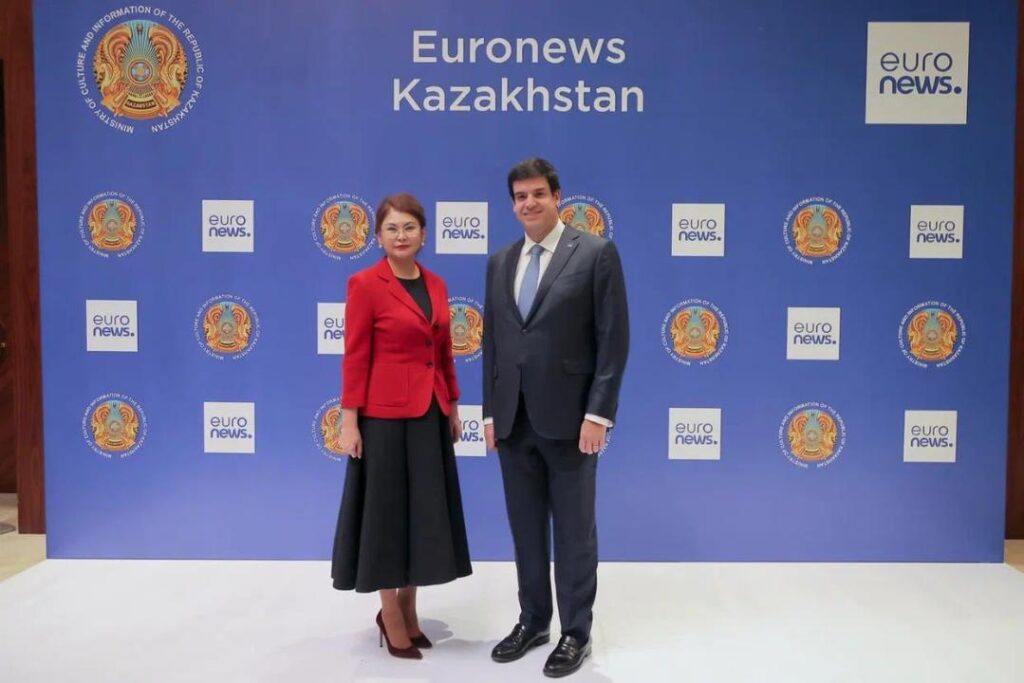
A regional office of the Euronews TV channel has opened in Astana, marking a significant milestone in promoting Kazakhstan internationally. Minister of Culture and Information Aida Balayeva described the development as an important step in showcasing the nation’s cultural heritage, tourism potential, and investment opportunities to a global audience. “The opening of the Euronews office will provide fresh momentum for popularizing Kazakh culture and serve as a platform for intercultural dialogue and innovative solutions,” Balayeva stated. Euronews has a history of collaboration with Kazakhstan, including its role as a media partner for the World Nomad Games held in Astana. The event’s broadcasts reached over 39 million viewers worldwide. Additionally, the channel has produced ten programs spotlighting Kazakhstan’s investment initiatives and cultural heritage. Euronews Chairman Pedro Vargas highlighted the channel’s commitment to narrating Kazakhstan's unique history - from the era of the Kazakh Khanate to its modern status as an independent Republic, which will celebrate 35 years of sovereignty next year. “We aim to inform global audiences about Kazakhstan’s culture, economy, and heritage by creating original TV shows and collaborating with local entrepreneurs and artists,” Vargas stated. A cornerstone of the collaboration is the Euronews Academy project, which will offer training and masterclasses for Kazakh journalists, enhancing the professional expertise of the nation’s media personnel. The channel is already developing 20 new initiatives, including the cultural and artistic program Modern Nomads, the business-focused East-West Connect, and the interview series, Voices from Central Asia.

Kyrgyz Security Chief Declares Crackdown on Organized Crime a Success

Kamchybek Tashiyev, the head of Kyrgyzstan’s State Committee for National Security (SCNS), declared that organized criminal groups (OCGs) have almost been eradicated nationally. Speaking at a press conference in Bishkek, Tashiyev highlighted significant achievements in the fight against organized crime. According to Tashiyev, property valued at 50 billion Kyrgyzstani som (KGS) has been recovered for the state budget as part of ongoing anti-crime efforts. Among the confiscated assets are those belonging to prominent figures in the criminal underworld, such as Kamchy Kolbayev, Kadyr Dosonov, Chyngyz Jumagulov, and Erkin Mambetaliyev. “A lot of property has been seized. Several boarding houses and sports complexes have already been sold,” Tashiyev stated. He also added that organized criminal groups have lost their influence and resources, asserting that Kyrgyz citizens can now work without fear. Kyrgyzstan’s government has intensified its campaign against organized crime. Key figures, including notorious crime boss Kamchy Kolbayev, have been detained or eliminated. Following these measures, several criminal leaders have publicly renounced their past and pledged to comply with the law. The Kyrgyz Interior Ministry has drafted the law “On the Prevention of Organized Crime” to establish a legal framework for combatting OCGs. This proposed legislation outlines preventive measures such as official warnings and financial audits for individuals suspected of criminal activity. While applauding the government’s efforts, some experts warn of potential negative consequences. Political scientist Aida Alymbayeva stressed that anti-crime initiatives must strictly adhere to legal procedures to avoid infringing on citizens' rights. Similarly, Doctor of Economics Asylbek Ayupov added that property seizures and arrests could impact tax revenues and harm Kyrgyzstan’s investment climate.