• KGS/USD = 0.01144 0%
  • KZT/USD = 0.00205 0%
  • TJS/USD = 0.10784 0%
  • UZS/USD = 0.00008 0%
  • TMT/USD = 0.28490 0%
  • KGS/USD = 0.01144 0%
  • KZT/USD = 0.00205 0%
  • TJS/USD = 0.10784 0%
  • UZS/USD = 0.00008 0%
  • TMT/USD = 0.28490 0%
  • KGS/USD = 0.01144 0%
  • KZT/USD = 0.00205 0%
  • TJS/USD = 0.10784 0%
  • UZS/USD = 0.00008 0%
  • TMT/USD = 0.28490 0%
  • KGS/USD = 0.01144 0%
  • KZT/USD = 0.00205 0%
  • TJS/USD = 0.10784 0%
  • UZS/USD = 0.00008 0%
  • TMT/USD = 0.28490 0%
  • KGS/USD = 0.01144 0%
  • KZT/USD = 0.00205 0%
  • TJS/USD = 0.10784 0%
  • UZS/USD = 0.00008 0%
  • TMT/USD = 0.28490 0%
  • KGS/USD = 0.01144 0%
  • KZT/USD = 0.00205 0%
  • TJS/USD = 0.10784 0%
  • UZS/USD = 0.00008 0%
  • TMT/USD = 0.28490 0%
  • KGS/USD = 0.01144 0%
  • KZT/USD = 0.00205 0%
  • TJS/USD = 0.10784 0%
  • UZS/USD = 0.00008 0%
  • TMT/USD = 0.28490 0%
  • KGS/USD = 0.01144 0%
  • KZT/USD = 0.00205 0%
  • TJS/USD = 0.10784 0%
  • UZS/USD = 0.00008 0%
  • TMT/USD = 0.28490 0%

Viewing results 1 - 6 of 270

Uzbekistan Moves to Penalize Financing of Mass Disturbances

Uzbekistan’s Parliament, the Oliy Majlis, is taking decisive steps to address the organization and financing of public disturbances. On December 11, the Legislative Chamber approved a draft law amending Article 244 of the Criminal Code. Passed in its first reading, the amendments aim to strengthen the country’s legal framework for tackling mass disturbances. During a parliamentary session on December 24, the draft law advanced further, reaching its third reading and gaining adoption. The updated Article 244 introduces several significant changes: A new third section establishes specific liability for individuals undergoing training with the intent to participate in mass disturbances. A fourth section introduces fines for financing such activities. A fifth section provides an exemption from criminal liability for individuals who voluntarily report to law enforcement after undergoing such training. These amendments are designed to deter organized disturbances while promoting cooperation with authorities.

Uzbekistan Sends Food and Medicine to Afghanistan

Uzbekistan has delivered humanitarian aid to Afghanistan. The aid package includes food and medicines, with nine wagons of “Salomatlik” (Health) medical and sanitary products en route to the country. From December 25 to 30, residents of Afghanistan’s Balkh region will receive free medical examinations conducted by qualified Uzbek doctors. This humanitarian initiative follows a request for medical assistance made during a meeting between the governments of Uzbekistan and Afghanistan. To further strengthen bilateral ties, Uzbekistan’s Ambassador to Afghanistan, Abibek Usmanov, met with Mawlawi Abdul Salam Hanafi, Afghanistan's Deputy Prime Minister for Administrative Affairs, in Kabul on December 24. During the meeting, Usmanov underscored the importance of enhancing cooperation between the two countries across various sectors. He highlighted Uzbekistan’s willingness to deepen economic and trade relations, emphasizing the interest of Uzbek businesses in projects such as establishing health centers, exporting medicines, constructing cement plants, and engaging in coal trade.

German Firms Urged to Address Human Rights Risks in Uzbek Cotton

German companies, supported by the Federal Ministry for Economic Cooperation and Development and the German textile sector, are increasingly exploring Uzbekistan as a potential market. A report titled Relevant Human Rights Expertise: Risk Assessment for German Companies in the Textile Industry of Uzbekistan evaluates how these firms comply with supply chain laws and fulfill their human rights obligations. The report underscores ongoing challenges in Uzbekistan’s cotton industry, despite recent reforms. Key issues include risks of forced labor, government interference in cotton production, and poor working conditions. Farmers face coercive contracts, insecure land tenure, and restricted union rights. These problems persist even after Uzbekistan privatized its cotton industry and adopted the ‘cluster’ model, which integrates farming, processing, and manufacturing. Umida Niyazova, founder of the Uzbekistan Human Rights Forum, highlighted widespread violations, including illegal land seizures and forced production quotas. She emphasized the lack of protections for cotton workers. Additionally, the report warns that some Uzbek cotton may be entering German markets indirectly through suppliers in Turkey and other countries. The report stresses that effective human rights due diligence is essential for maintaining brand integrity. However, according to author Ben Vanpeperstraete, German companies are failing to adequately address risks associated with Uzbek cotton. Public communications by firms often lack tailored approaches to identifying and mitigating these risks. Forced labor risks in Uzbekistan’s cotton industry remain significant, the report states, despite ongoing reforms. Corporate disclosures frequently omit recognition of forced labor as a sourcing risk. The report calls on businesses to adopt due diligence practices that address Uzbekistan’s restrictions on unionizing and civil society activities. Companies are urged to map and disclose their supply chains to enhance compliance and traceability. Trade between Germany and Uzbekistan surpassed €1 billion in 2023, with German investments in Uzbekistan reaching €800 million by early 2024.

Bishkek Court Upholds Decision to Dismantle Trolleybus Lines

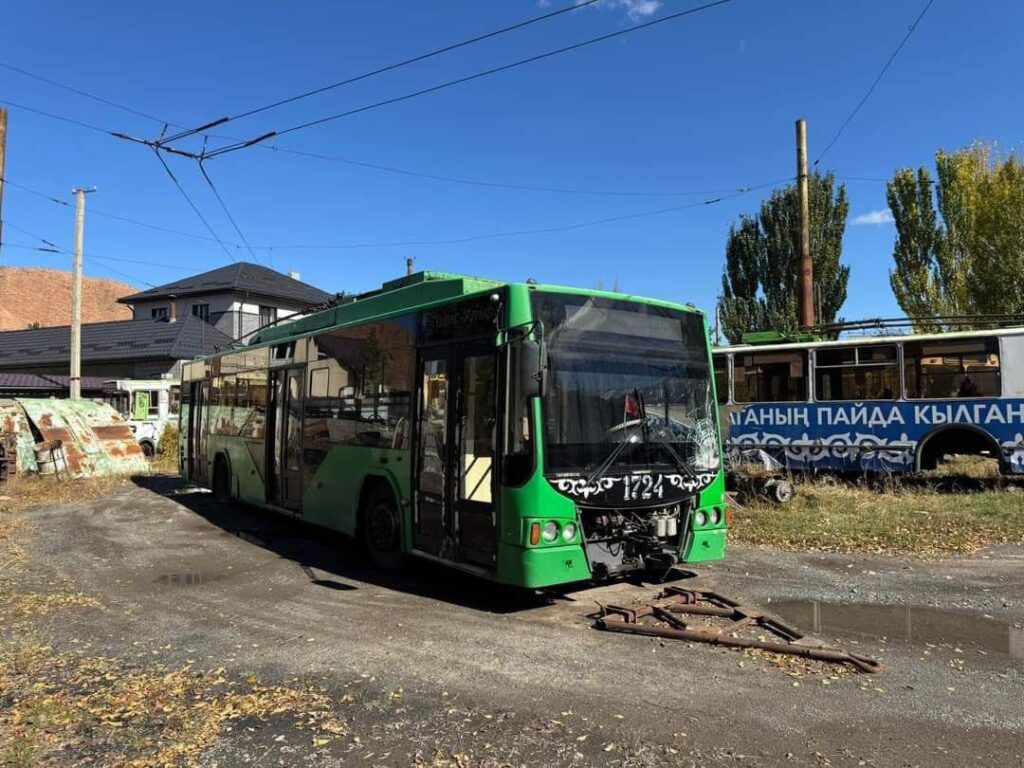
The Bishkek Administrative Court has ruled in favor of a decision by the city's Mayor’s Office to dismantle trolleybus lines legally. Representatives of the municipality successfully argued the legality of their actions. The city government plans to completely replace trolleybuses, an environmentally friendly mode of transportation, with buses. To implement this plan, workers have reportedly cut power lines at night, causing widespread transportation disruptions. This move has faced significant backlash from Bishkek residents, who filed a lawsuit and lodged a complaint with the European Bank for Reconstruction and Development (EBRD), which had financed the purchase of new trolleybuses. This decision follows months of controversy. Previously The Times of Central Asia reported that activists had opposed the dismantling of trolleybus lines, labeling the actions as illegal. A month ago, the same court had deemed the municipality’s actions unlawful after city officials failed to appear in court or provide necessary documentation. Municipal authorities argue that trolleybus operations are financially unsustainable and require substantial investment to maintain the infrastructure. “The city hall continues to work on improving urban space, modernizing public transport, and enhancing infrastructure to make the city safer, more comfortable, and attractive for residents and guests of the capital,” the municipality said. However, activist Bermet Borubayeva and other advocates for the preservation of trolleybuses expressed disappointment with the court’s decision. In an interview with The Times of Central Asia, Borubayeva criticized the ruling, noting that the mayor’s office had only substantiated the dismantling of lines on a few streets, not across the entire city. “Residents demand transparency and legality in the actions of the authorities and will continue to fight for the preservation of trolleybuses. Despite the wrongful actions of city officials, the judge recognizes them as legal. This ignores the interests of the plaintiffs,” Borubayeva said. Human rights groups have vowed to challenge the court’s decision. A new trial concerning Bishkek’s trolleybuses is scheduled for January 13.

Kyrgyz Authorities Tighten Control Over Energy Resource Usage

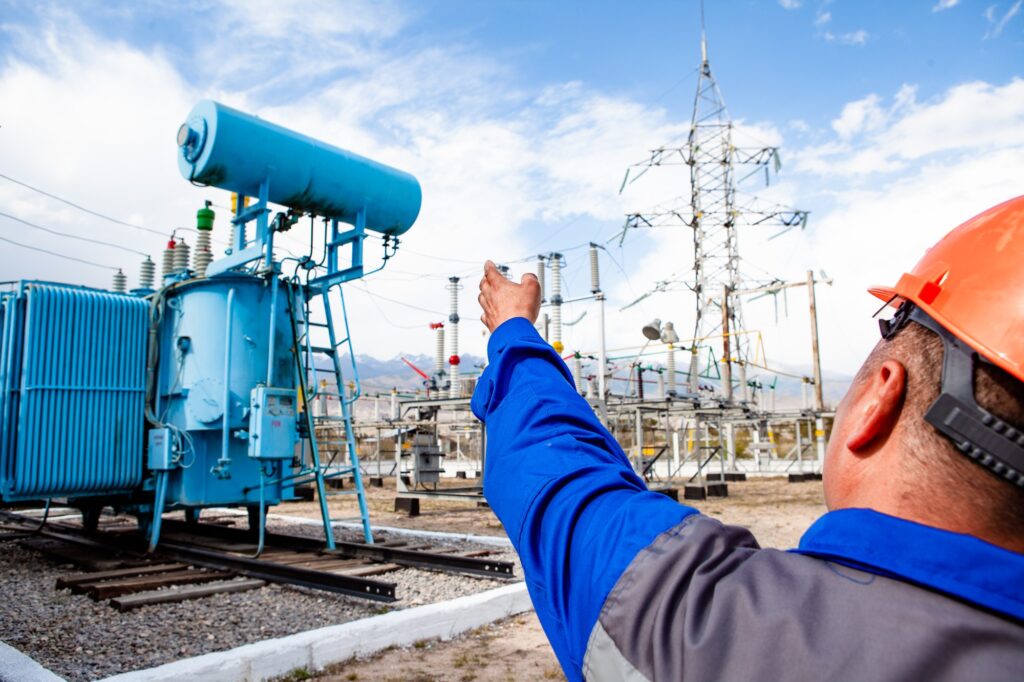
Kyrgyzstan has enacted a new law mandating efficient and rational use of energy resources across all enterprises, both state-owned and private​. The law establishes a dedicated government body tasked with inspecting organizations, enterprises, and buildings to ensure compliance with energy efficiency standards, regardless of ownership. This legislation, previously approved by parliament, assigns local state administrations and municipal authorities the responsibility of ensuring energy efficiency in buildings under their jurisdiction. This includes the adoption of highly efficient energy-consuming devices and equipment. The new law also requires authorities to provide consumers with metering devices for electricity, natural gas, and heat energy. These devices are to be installed in facilities where they are currently absent, allowing for more accurate monitoring and management of energy consumption. Kyrgyzstan continues to face an electricity deficit of 3.9 billion kilowatt-hours, exacerbated by economic growth, increased industrial activity, and rising energy demand​. Despite ongoing efforts, such as the construction of new hydroelectric power plants and importing electricity from neighboring countries, the shortage persists. This has resulted in rolling blackouts across nearly all regions during winter months. As previously reported by The Times of Central Asia, these shortages highlight the urgency of implementing measures to conserve energy​. President Sadyr Japarov has criticized citizens for their lack of responsibility in conserving natural resources. He expressed optimism that the new law would encourage greater accountability and help reduce electricity and heat consumption. By emphasizing energy efficiency and resource management, Kyrgyzstan aims to address its energy challenges while promoting sustainable development.

Kyrgyzstan Plans to Reclaim All Uranium Tailings Dumps

Kyrgyz President Sadyr Japarov addressed the pressing issue of uranium waste during the People's Kurultai (national congress), emphasizing ongoing efforts to reclaim radioactive tailing dumps across the country. According to Japarov, many tailing dumps were constructed during the Soviet era along riverbanks and in headwaters used by local communities for domestic water supply. “We turned to Russia, as the legal successor of the USSR, for assistance. Rosatom allocated RUB 2.1 billion ($20 million). Work is now underway to relocate radioactive waste from hazardous areas to safer locations,” Japarov stated. Japarov highlighted the completion of uranium waste reclamation in Issyk-Kul Oblast, where nuclear waste had posed a threat to Lake Issyk-Kul. Without intervention, the region faced the risk of an ecological disaster. Efforts in Naryn region are also nearing completion, and attention will soon turn to tailing dumps in southern Kyrgyzstan. Local residents have noted that uranium mined in this area was used in the first Soviet atomic bomb. The tailing dump in Jalal-Abad region is particularly concerning due to its potential impact on neighboring Uzbekistan. Toxic waste from the site threatens the region’s ecology through contamination of a local river. Russian companies tasked with reclaiming five tailing dumps in Naryn and Jalal-Abad regions will be exempt from taxes, as previously reported by The Times of Central Asia. This collaboration is part of an agreement to address Kyrgyzstan’s most dangerous uranium waste sites​. According to Kyrgyzstan’s Ministry of Emergency Situations, the country is home to 92 burial sites containing toxic and radioactive materials.