• KGS/USD = 0.01144 0%
  • KZT/USD = 0.00191 0%
  • TJS/USD = 0.10850 0%
  • UZS/USD = 0.00008 0%
  • TMT/USD = 0.28490 0%
  • KGS/USD = 0.01144 0%
  • KZT/USD = 0.00191 0%
  • TJS/USD = 0.10850 0%
  • UZS/USD = 0.00008 0%
  • TMT/USD = 0.28490 0%
  • KGS/USD = 0.01144 0%
  • KZT/USD = 0.00191 0%
  • TJS/USD = 0.10850 0%
  • UZS/USD = 0.00008 0%
  • TMT/USD = 0.28490 0%
  • KGS/USD = 0.01144 0%
  • KZT/USD = 0.00191 0%
  • TJS/USD = 0.10850 0%
  • UZS/USD = 0.00008 0%
  • TMT/USD = 0.28490 0%
  • KGS/USD = 0.01144 0%
  • KZT/USD = 0.00191 0%
  • TJS/USD = 0.10850 0%
  • UZS/USD = 0.00008 0%
  • TMT/USD = 0.28490 0%
  • KGS/USD = 0.01144 0%
  • KZT/USD = 0.00191 0%
  • TJS/USD = 0.10850 0%
  • UZS/USD = 0.00008 0%
  • TMT/USD = 0.28490 0%
  • KGS/USD = 0.01144 0%
  • KZT/USD = 0.00191 0%
  • TJS/USD = 0.10850 0%
  • UZS/USD = 0.00008 0%
  • TMT/USD = 0.28490 0%
  • KGS/USD = 0.01144 0%
  • KZT/USD = 0.00191 0%
  • TJS/USD = 0.10850 0%
  • UZS/USD = 0.00008 0%
  • TMT/USD = 0.28490 0%
10 November 2025

Viewing results 1 - 6 of 137

Tajikistan: EFSD to provide $40 million for Nurek hydro plant rehabilitation

DUSHANBE (TCA) — The Eurasian Development Bank (EDB), managing the Eurasian Fund for Stabilization and Development (EFSD), and the Ministry of Finance of Tajikistan signed a US $40 million credit agreement to finance the Nurek HPP Rehabilitation (Phase 1) investment project, EDB said on July 4. Continue reading

Kyrgyzstan: ADB supports modernization of Uch-Kurgan hydropower plant

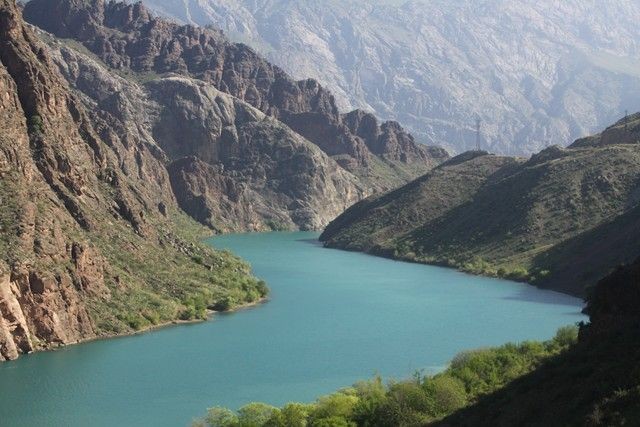
BISHKEK (TCA) — The Asian Development Bank (ADB) has approved a $100 million financing package to modernize aging equipment and improve power generation capacity at the Uch-Kurgan hydropower plant (HPP), the oldest of the six HPPs installed along the Naryn River cascade in Kyrgyzstan, ADB’s country office said. Continue reading

World Bank supports rehabilitation of Nurek hydropower plant in Tajikistan

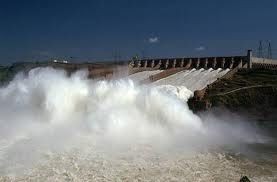
DUSHANBE (TCA) — The first phase of the Nurek Rehabilitation Project, co-financed by the World Bank, was officially launched on March 20 by the President of Tajikistan, Emomali Rahmon, and the World Bank’s Director of Strategy and Operations for Europe and Central Asia, Mariam Sherman. Key representatives from the Government of Tajikistan, the World Bank, the Asian Infrastructure Investment Bank, the Eurasian Development Bank, and other international development institutions also attended. The rehabilitation of the Nurek Hydro Power Plant (HPP), which is the main asset of Tajikistan’s energy system, will help ensure a reliable supply of electricity to people and local enterprises in the cold season, and enable increased export of electricity in the summer months. The Nurek HPP, with an installed capacity of over 3,000 megawatts, generates about 70 percent of total annual energy demand in Tajikistan. Operational at only 77 percent, the facility is currently undergoing its first major rehabilitation since its commissioning in 1972. Once completed, the rehabilitation will allow the Nurek HPP to increase winter generation by 33 million kWh—which is central to the Government’s efforts to ensure that energy demand can be met even during the coldest months. During the summer months, Tajikistan could expand electricity exports from its hydro resources, including through the CASA-1000 transmission line, and generate much-needed additional revenues for the power sector. “The restoration of the generation capacity of the Nurek HPP is essential for ensuring energy security for the people of Tajikistan,” said Mariam Sherman, Director of Strategy and Operations at the World Bank. “Improved energy generation, combined with dam safety improvement measures, will help Tajikistan respond to climate change challenges, while ensuring expanded energy trade to generate much-needed revenue to support socio-economic development for the people of Tajikistan.” The first phase of the Plant’s rehabilitation costs around $325 million. In addition to the World Bank’s financing of $226 million, funding is being provided by the Asian Infrastructure Investment Bank ($60 million) and the Eurasian Development Bank ($40 million). During the first phase, three generating units will be rehabilitated, dam safety will be enhanced, with a special focus on protection against seismic hazards and floods, and six auto-transformers used to regulate voltage will be replaced. In addition, the institutional capacity of the Open Joint Stock Holding Company Barqi Tojik will be strengthened and its operational and financial performance will be enhanced. The rehabilitation of the power plant will be carried out by a specialized firm, Andritz Hydro, which the Government of Tajikistan has contracted through an open, international tender. Development partners, led by the World Bank, are starting the preparation of the second phase of the Nurek Rehabilitation Project, estimated at $180 million, to commence in 2020. Given Tajikistan’s long history of power outages, particularly during the cold winter months, Tajikistan’s energy sector has been a priority area of engagement for the World Bank. Its current investments in the sector stand at $415 million. These investments aim at supporting the sector’s sustainability, eliminating seasonal energy rationing, ensuring an affordable and...

Kyrgyzstan: Deterring corruption could improve governance in energy sector

BISHKEK (TCA) — Kyrgyzstan’s energy management system is inefficient and bureaucratic, experts say. The National Energy Holding has been operating for three years but no significant changes have been in the sector so far. Ineffective management A lot of criticism has been expressed regarding the management of the energy sector and the effectiveness of the National Energy Holding Company OJSC, Prime Minister of Kyrgyzstan Mukhammedkaly Abylgaziyev said at the Government meeting to discuss reforms in the energy sector. There is no significant progress in solving the problems related to the maintenance of the previously received credit funds, commissioning of new generating capacities, renewal of fixed assets of energy companies, as well as drafting strategic documents for the sector’s development, Abylgaziyev added. Commissioning of new production facilities requires significant energy capacity. “We should restore the citizens' confidence in the energy sector and ensure openness and transparency of the industry, eliminating corruption risks. This will be possible with the introduction of new automated systems according to uniform high-quality standards,” Abylgaziyev said. Kyrgyzstan now purchases most of the components for the energy sector abroad. To develop the domestic economy and create new jobs, the Prime Minister suggested producing "smart meters", cables, transformers and other equipment within the country. Kyrgyz President Sooronbai Jeenbekov criticized the National Energy Holding at the Security Council’s meeting in December. “Losses have not been reduced, and there is no progress in the sector,” he said. Kyrgyzstan improved its Doing Business rating from the 77th place to the 70th, but the country has been at 160th place among 190 countries in terms of the connecting electricity index over the last three years. Background In December 2015, the Ministry of Industry and Energy drafted a law on establishment of the National Energy Holding which should not be accountable to the Parliament and Government, and the Audit Chamber was not entitled to check this company. The Parliament did not support the bill. In January 2016, the National Energy Holding Company was established by the Government Resolution as part of the reform of the energy sector to reduce losses by introduction of automated electricity metering system. The current Energy Holding Chairman, Azamat Abdykadyrov, has repeatedly stated that the holding is a private company. The law “On the National Energy Holding” has not been drafted so far. The MPs rejected the first bill, and no one created a new one. It turns out that the holding is working illegally. Holding’s maintenance The holding exists due to payments of power companies — at the expense of their profits. Since many energy enterprises are unprofitable, payments for the Energy Holding’s maintenance were made at the expense of the state budget. The Parliament members have repeatedly raised the issue of the Energy Holding. In fact, the state assets were transferred to a private company, they said. In the end, the costs of this holding are included in the electricity tariffs. To finance the Energy Holding, distribution companies paid a certain amount to the holding each year. In...

Tajikistan and the World Bank Group mark 25 years of partnership

DUSHANBE (TCA) — This year marks 25 years of partnership between Tajikistan and the World Bank Group. During this time, the World Bank has provided over $1.5 billion in grants, highly concessional credits and trust funds to Tajikistan. The World Bank Group is committed to continuing its support to the country, as it strives to improve the lives and meet the aspirations of its young and growing population, the World Bank said. Continue reading

Tajikistan’s growth to average at 6% in 2019–2020 — World Bank

DUSHANBE (TCA) — Tajikistan’s short-term and medium-term outlooks are positive, as growth in the Russian economy, elevated prices for major export commodities—cotton and aluminum—and growing regional cooperation will support external proceeds, the World Bank says in its latest issue of the Country Economic Update for Tajikistan, entitled “Rogun HPP – Potential Resource for Building Human Capital”. Continue reading