• KGS/USD = 0.01144 0%
  • KZT/USD = 0.00207 0%
  • TJS/USD = 0.10407 -0.29%
  • UZS/USD = 0.00008 0%
  • TMT/USD = 0.28571 0%
  • KGS/USD = 0.01144 0%
  • KZT/USD = 0.00207 0%
  • TJS/USD = 0.10407 -0.29%
  • UZS/USD = 0.00008 0%
  • TMT/USD = 0.28571 0%
  • KGS/USD = 0.01144 0%
  • KZT/USD = 0.00207 0%
  • TJS/USD = 0.10407 -0.29%
  • UZS/USD = 0.00008 0%
  • TMT/USD = 0.28571 0%
  • KGS/USD = 0.01144 0%
  • KZT/USD = 0.00207 0%
  • TJS/USD = 0.10407 -0.29%
  • UZS/USD = 0.00008 0%
  • TMT/USD = 0.28571 0%
  • KGS/USD = 0.01144 0%
  • KZT/USD = 0.00207 0%
  • TJS/USD = 0.10407 -0.29%
  • UZS/USD = 0.00008 0%
  • TMT/USD = 0.28571 0%
  • KGS/USD = 0.01144 0%
  • KZT/USD = 0.00207 0%
  • TJS/USD = 0.10407 -0.29%
  • UZS/USD = 0.00008 0%
  • TMT/USD = 0.28571 0%
  • KGS/USD = 0.01144 0%
  • KZT/USD = 0.00207 0%
  • TJS/USD = 0.10407 -0.29%
  • UZS/USD = 0.00008 0%
  • TMT/USD = 0.28571 0%
  • KGS/USD = 0.01144 0%
  • KZT/USD = 0.00207 0%
  • TJS/USD = 0.10407 -0.29%
  • UZS/USD = 0.00008 0%
  • TMT/USD = 0.28571 0%

Viewing results 1 - 6 of 232

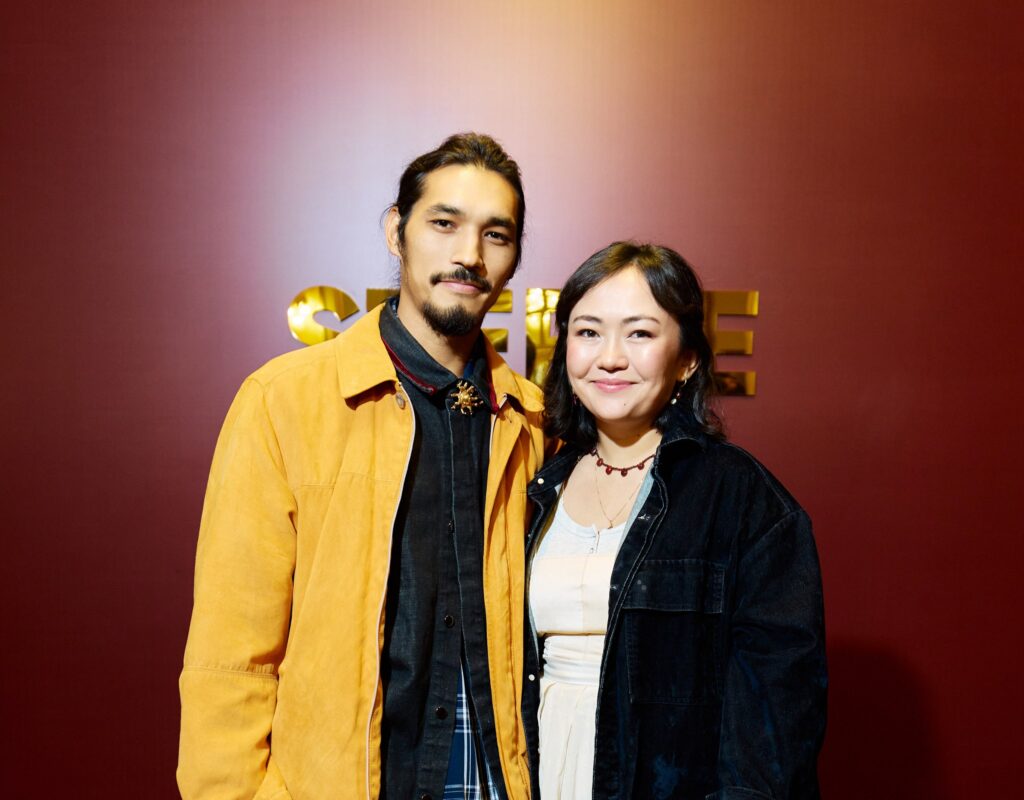
How a Family-Run Mini-Factory in Almaty Ships Chocolate to Belgium and Switzerland

Nurlan and Zhaniya Orynbayev are Kazakhstani chocolatiers known for creating distinctive desserts inspired by national traditions. Their creations include sweet yurts, chocolate mountain landscapes, a chocolate version of the Kazakhstan Hotel filled with zhent (a traditional dessert made from roasted millet, butter, and honey), chocolate with kurt, and other culinary experiments. Nurlan is also a musician and a member of the Kazakhstani hip-hop group Dayinball. In an interview with The Times of Central Asia, the couple spoke about how the chocolate version of one of Almaty’s main landmarks was created, what sweets Kazakh consumers prefer, how to choose high-quality kurt, and how the global cocoa bean shortage has affected their business. TCA: Nurlan, you are sometimes called the “Kazakh Willy Wonka.” It seems you were among the first chocolatiers in Kazakhstan. How do you feel about that? Nurlan: In fact, my wife Zhaniya was the one who started our chocolate business. She was the first to learn confectionery techniques and how to work with chocolate, and then she taught me. I simply began posting videos of the process on social media, and they became popular. Now the brand is often associated with me, but the real mastermind behind the project is Zhaniya. She develops all the ideas and recipes. Our coffee shops, our confectionery line, the brand image, and at least 60% of our products are thanks to her. TCA: So is Zhaniya the driving force behind your chocolate mini-factory? Nurlan: You could say that. She has a deep understanding not only of confectionery but of gastronomy in general. She can taste a dish and almost break it down into its components, what has been added and which ingredients work well together. I did not have that kind of intuition. I had never worked with food or desserts before. But gradually I became more involved and began to understand the process better. TCA: Zhaniya, you are said to have come up with the chocolate shaped like the Kazakhstan Hotel. Tell us about it. Zhaniya: Yes, that was my idea. It is a chocolate structure weighing about 130 grams, made in the shape of the famous hotel. We produce it in both milk and dark chocolate. We experimented with fillings for a long time, but eventually settled on zhent, a traditional Kazakh dessert made from roasted and ground millet with butter and sugar. Customers really like it. TCA: You used to make this dessert only for Nauryz, but now you produce it year-round? Zhaniya: Yes, and it happened almost by accident. Once, a restaurant critic connected with the World’s Best Restaurants ranking visited us. We treated her to various chocolates, but she liked the chocolate with zhent the most. She wanted to buy more, but we had run out. We did not want to disappoint her, so we urgently decided to make a new batch and began searching for good talkan, one of the ingredients in zhent. We found it and quickly prepared everything. The process was quite chaotic. Our daughter...

Kazakhstan’s Finance Ministry Cracks Down on Widespread Tax Evasion Among Small Businesses

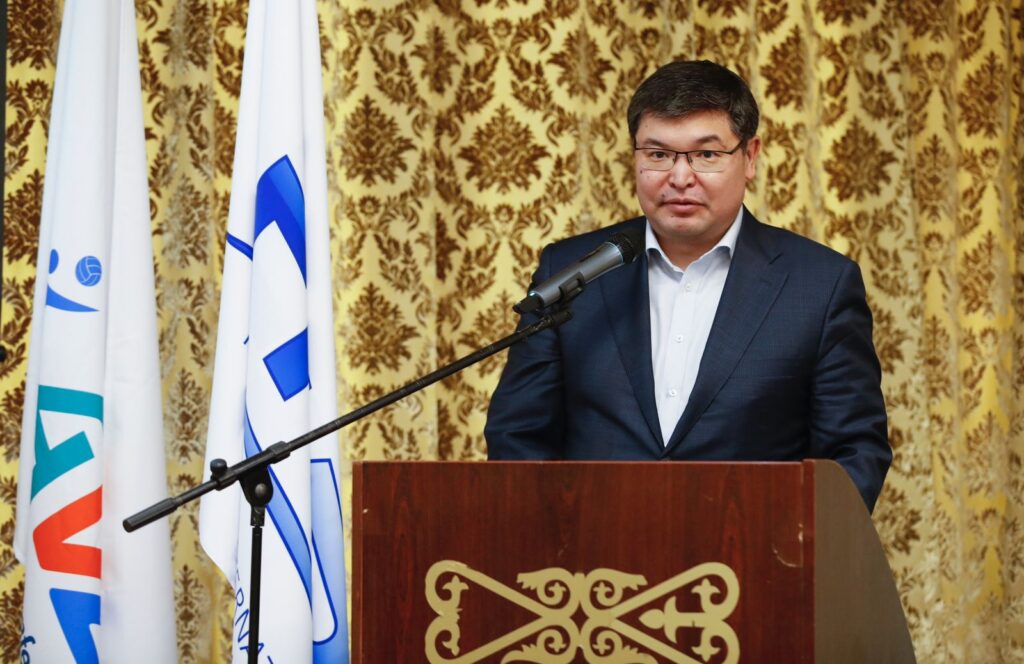
Kazakhstan’s Ministry of Finance has identified more than 260,000 entrepreneurs suspected of underreporting taxable income, Finance Minister Madi Takiyev said during a recent government meeting. According to Takiyev, in 2024, around 17,000 cash registers across the country failed to issue any receipts, while 260,000 taxpayers consistently reported either a single daily transaction or identical revenue amounts. However, enforcement efforts appear to be paying off, with 70,000 businesses now issuing receipts properly. The minister noted that tax evasion schemes remain widespread, including the mass registration of multiple companies at the same address. Currently, around 20,000 firms are registered at 3,576 locations, collectively owing over 60 billion KZT ($110 million) in unpaid taxes. Takiyev reported that the shadow economy declined slightly in 2024, accounting for 16.7% of GDP, a marginal improvement from the previous year. He highlighted notable progress in trade, education, and agriculture, supported by new digital tools such as Smart Data Finance, which uses artificial intelligence to detect tax evasion. The system currently integrates data from 74 sources, with 30 more expected to be added by the end of the year. Biometric identification has also played a role in strengthening compliance, helping authorities block fake invoices worth over 33 billion KZT ($60 million). Meanwhile, the E-Tamga system has processed 250 million electronic invoices and 500 million payments, potentially adding up to 100 billion KZT ($182 million) in annual tax revenue. To combat illicit trade, the authorities seized more than 1 million liters of alcohol, 6.6 million cigarette packs, and 37,000 tons of petroleum products in 2024, preventing estimated tax losses of over 7 billion KZT ($12.7 million). As The Times of Central Asia previously reported, Kazakhstan’s new Tax Code, raising the value-added tax (VAT) from 12% to 16%, is set to take effect in 2025.

Tajikistan Launches Export Support Program for Small Producers and Farmers

Tajikistan has launched a wide-reaching initiative aimed at strengthening the country’s export potential, with a particular focus on supporting small producers and farmers. According to Khurshed Zuhurzoda, First Deputy Director of the Export Agency, export support centers and export schools are being established across the regions to provide both infrastructure and education to help local products reach international markets. Empowering Farmers and Small Businesses The program, supported by the World Bank, targets small-scale farms of which there are over 200,000 nationwide, that often lack the logistical, financial, and regulatory resources necessary to export their goods. “This project is especially important for small-scale producers who do not have sufficient resources and knowledge to organize the export of their products,” Zuhurzoda said. Education, Consulting, and Promotion The initiative is grounded in the newly approved Concept for the Development of Export Support Centers and Export Schools. These institutions will offer comprehensive support to prospective exporters, including: Training in the fundamentals of international trade; Consulting on certification, customs procedures, and legal compliance; Assistance in identifying foreign partners and market entry strategies; Participation in international exhibitions and forums; Promotion of the Made in Tajikistan brand through digital and traditional media. The program aims to enhance the global visibility of Tajik products and reinforce the presence of local producers in competitive international markets. A grant from the World Bank is also funding the construction and outfitting of the first regional export centers, scheduled to open in the Gorno-Badakhshan Autonomous Region and Khatlon region by the end of 2025. Rising Trade Validates Strategic Direction Zuhurzoda noted that the program’s rollout coincides with an uptick in foreign trade. In the first half of 2025, Tajikistan’s foreign trade turnover reached $4.7 million, a 7.2% increase compared to the same period in 2024. Officials view this as confirmation that their strategy of diversifying the economy, strengthening small and medium-sized enterprises, and boosting the international competitiveness of Tajik goods is gaining traction. Amid intensifying global competition and regional shifts in trade logistics, this initiative may play a pivotal role in building a resilient and export-oriented economy in Tajikistan.

In Kyrgyzstan, 13,000 Low-Income Families Receive Funds to Launch Businesses

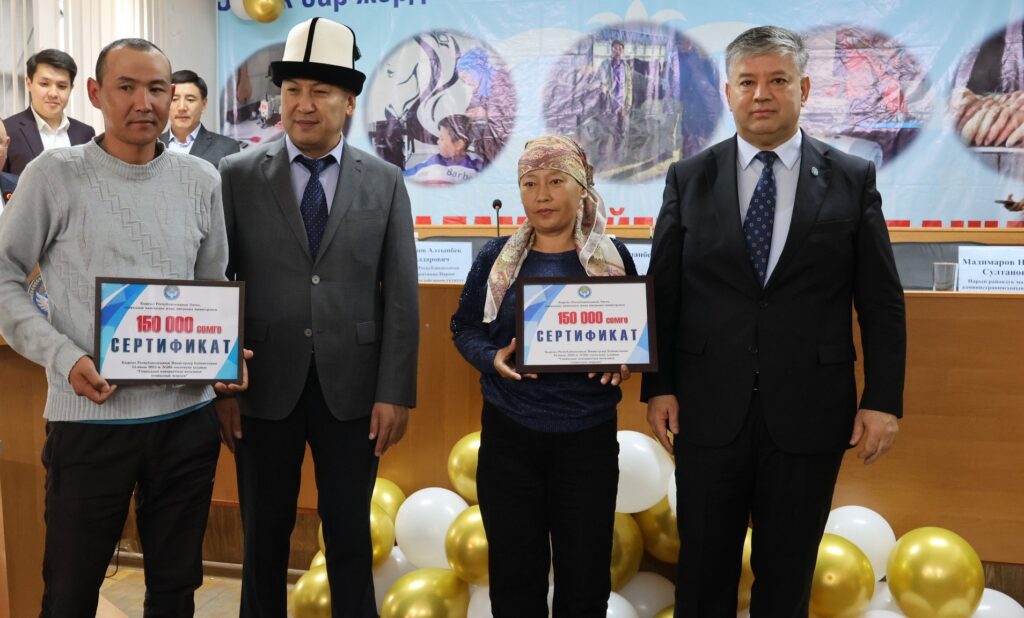
Over the past two years, 13,333 families in Kyrgyzstan living below the subsistence level have signed social contracts with the state. Through this initiative, each family received an interest-free loan of $1,700 to start a small business. According to the Ministry of Labor, the social contract program is designed to help families break the cycle of poverty by providing both start-up capital and practical support. Recipients use the funds to establish businesses, engage in subsistence farming, or purchase tools and equipment. In addition to financial assistance, the program offers training and consulting in sustainable agriculture and income-generating practices. How the Program Works Participants can use the funds to acquire equipment, materials, and other business essentials. The initiative has supported the creation of sewing workshops, food production facilities, apiaries, and small-scale poultry farms. Many recipients now produce honey, natural juices, felt goods, and meat products. The program is open to both new ventures and the expansion of existing microbusinesses. Specially trained consultants guide participants through the process of launching and managing their businesses, helping to increase long-term viability. Results and Regional Reach Although the social contract program was launched five years ago, its most significant impact has been seen in the past two years. More than 13,000 families have become self-sufficient and no longer require government aid. The majority of successful projects have emerged in Kyrgyzstan’s southern provinces, particularly Jalal-Abad and Osh, where rural entrepreneurship has rapidly expanded. Government data indicates that over 280 different products have been developed through the program. While most are sold domestically, a small number are now being exported abroad. This social contract initiative is a cornerstone of the government’s strategy to combat poverty and promote self-employment. Authorities emphasize its role in stimulating economic activity in rural areas and encouraging entrepreneurship among vulnerable populations.

Kyrgyz Businesses and Government Meet to Discuss New Tax Initiative

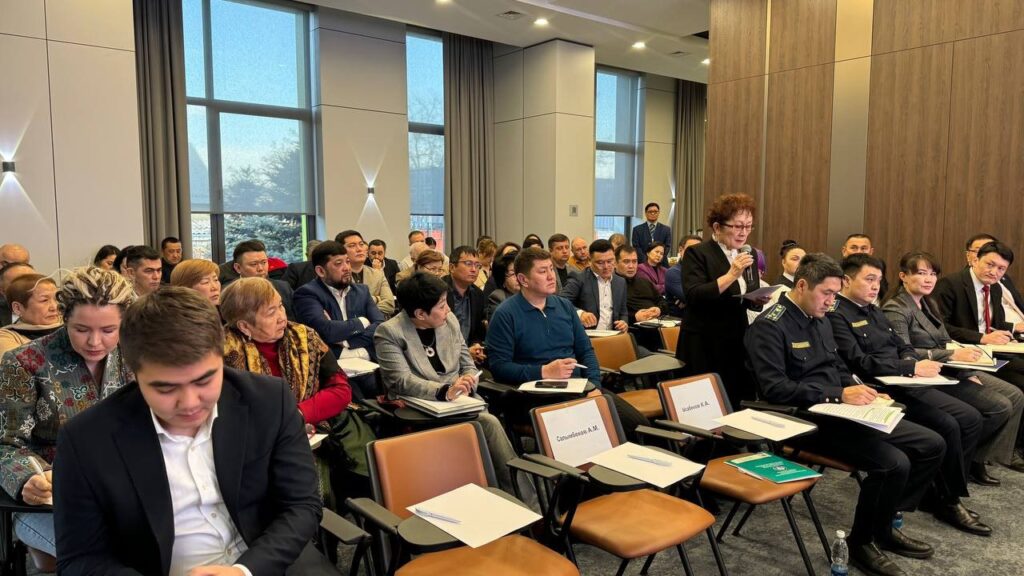
Government officials, members of parliament, and entrepreneurs gathered at one of Kyrgyzstan’s largest business associations to discuss pressing issues affecting the country’s business environment, including taxation and efforts to streamline processes for entrepreneurs. The primary focus of the meeting was the introduction of the electronic bills of lading (EBL) system. The Times of Central Asia has previously reported on the challenges businesses face with this new system. The State Tax Service (STS) has pledged to revise the EBL system by the end of the month to address concerns raised by the business community. Almambet Shykmamatov, head of the STS, acknowledged that authorities had rushed the implementation of the EBL system without adequately considering the interests of businesses. “We understand that the market is a complex system that cannot be changed overnight. We are committed to dialogue and compromise. Our goal is not only to regulate but also to support businesses. That’s why continuous engagement with the business community is essential,” Shykmamatov stated. Beyond electronic bills of lading, entrepreneurs raised concerns over the lack of preventive measures in Kyrgyzstan’s system of fines. Akzhol Isayev, general director of Dordoi Security, highlighted that unlike Russia and Kazakhstan, which have legal provisions for issuing warnings, Kyrgyzstan imposes penalties without warnings. “Kyrgyzstan has 11 articles with fines, but none that provide for warnings,” Isayev explained. He also noted that some fines, which can reach as high as one million KGS (approximately $12,000), often lead to business closures or encourage corruption. Shykmamatov admitted that excessive tax pressure can harm the business environment. Consequently, participants decided to establish a working group to review and reform the system of penalties, aiming for a more business-friendly approach. Sergei Ponomarev, president of the Association of Markets, Trade, and Services Enterprises, emphasized that protecting private property is critical for attracting investment. However, he warned that businesses in Kyrgyzstan are hesitant to invest in real estate due to legal uncertainties. “An entrepreneur might honestly purchase property, invest in it, and create jobs, only to later discover that the land was acquired illegally 30 years ago. This uncertainty makes businesses afraid to commit to long-term projects,” Ponomarev said. To address this issue, the business community has proposed the introduction of a statute of limitations for real estate transactions. “It’s encouraging when the state not only listens to our problems but also offers constructive solutions. I am confident that this approach will improve the investment climate and raise the standard of living for our citizens,” Ponomarev added. The STS noted that similar meetings have been held with representatives of logistics companies, the Chamber of Commerce and Industry, and the American Chamber of Commerce in Kyrgyzstan.

Art and Inspiration: Capturing the Essence of Almaty

With colorful illustrations of landmarks, natural monuments, and city-life moments, Aidana Niyazalieva’s postcards of Almaty stand out. TCA spoke with the artist to learn more about her inspiration, creative process, and challenges behind her postcards and the Almaty arts scene. TCA: What inspired you to start making postcards of Almaty? I've been drawing since I can remember; everything surrounding me – my room, the streets, and the buildings – inspires me. This led me to study architecture. However, after working as an architect, I realized that my passion for drawing was stronger. I decided to try it, eventually devoting myself to illustration and turning this hobby into a profession. I started with the city I grew up in, Almaty, and created a few postcards of the views I walked past the most. This became a way to combine everything I love - art, architecture, and my love for the city. TCA: How do you decide which landmarks, views, or themes to feature in your postcards? I choose places and themes close to me that evoke an emotional connection in people. Usually, the ideas come from my walks around the city. During my walks, I take many photos for possible drawings. Sometimes, a few buildings of the same type could grow into a series of illustrations, as in the “Houses“ postcard set that was united by the old houses of the Soviet period located in a Golden Square area. Also, I might get requests from people about places they would like to see, as happened with the Kazakhstan Hotel or Esentai River illustrations. TCA: What is your favorite spot in Almaty to capture in your art, and why? My favorite place in Almaty is the old city center. Its unique architecture, with characteristic features from different periods from neoclassical to modernist buildings, and its streets with cafes and terraces have always attracted my attention. Those buildings keep their history, whether these are old houses with sophisticated details or monumental facades of theaters and institutes. When I'm there, I always look closely at small elements like the carved balconies, window frames, mosaics, and patterns on the facades – I try to capture them in every illustration. TCA: Are there specific stories or personal memories behind some of your postcard designs? As a local, I have a personal connection to almost every location I illustrate. Capturing a place authentically requires more than just visual reference - it also needs an emotional connection. That’s why I barely draw locations I’ve never visited. Behind almost every illustration is a moment tied to the place. For example, the Kasteyev Museum holds a special place in my heart. My grandma used to take me there often when I was little, and it’s where I first took art lessons. So, I decided to create this illustration to capture the architecture of the museum and the memories connected to the place. TCA: Can you walk us through the creative process behind designing a postcard? Firstly, after the location is...