• KGS/USD = 0.01144 0%
  • KZT/USD = 0.00206 0%
  • TJS/USD = 0.10415 -0.19%
  • UZS/USD = 0.00008 0%
  • TMT/USD = 0.28571 0%
  • KGS/USD = 0.01144 0%
  • KZT/USD = 0.00206 0%
  • TJS/USD = 0.10415 -0.19%
  • UZS/USD = 0.00008 0%
  • TMT/USD = 0.28571 0%
  • KGS/USD = 0.01144 0%
  • KZT/USD = 0.00206 0%
  • TJS/USD = 0.10415 -0.19%
  • UZS/USD = 0.00008 0%
  • TMT/USD = 0.28571 0%
  • KGS/USD = 0.01144 0%
  • KZT/USD = 0.00206 0%
  • TJS/USD = 0.10415 -0.19%
  • UZS/USD = 0.00008 0%
  • TMT/USD = 0.28571 0%
  • KGS/USD = 0.01144 0%
  • KZT/USD = 0.00206 0%
  • TJS/USD = 0.10415 -0.19%
  • UZS/USD = 0.00008 0%
  • TMT/USD = 0.28571 0%
  • KGS/USD = 0.01144 0%
  • KZT/USD = 0.00206 0%
  • TJS/USD = 0.10415 -0.19%
  • UZS/USD = 0.00008 0%
  • TMT/USD = 0.28571 0%
  • KGS/USD = 0.01144 0%
  • KZT/USD = 0.00206 0%
  • TJS/USD = 0.10415 -0.19%
  • UZS/USD = 0.00008 0%
  • TMT/USD = 0.28571 0%
  • KGS/USD = 0.01144 0%
  • KZT/USD = 0.00206 0%
  • TJS/USD = 0.10415 -0.19%
  • UZS/USD = 0.00008 0%
  • TMT/USD = 0.28571 0%

Viewing results 1 - 6 of 55

Kazakhstan Recycles 24% of Waste It Produces

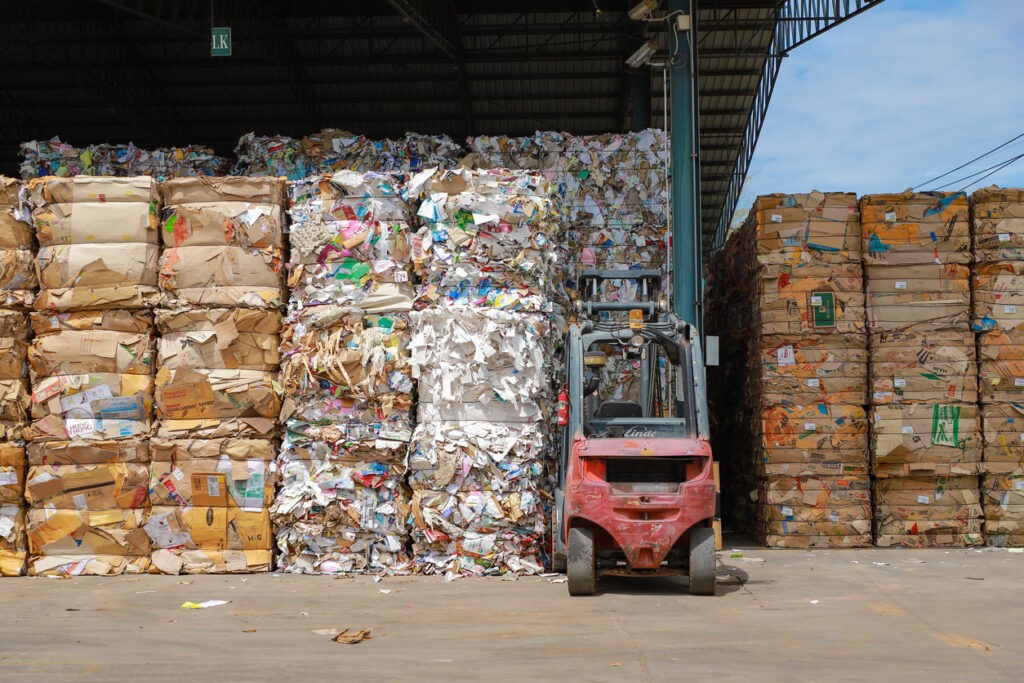
Deputy Minister of Ecology and Natural Resources Zhomart Aliyev said at the VIII Eurasian Business Forum "Green Energy & Waste Recycling" in Astana on October 3 that in 2023, 4.1 million tons of municipal waste were produced across Kazakhstan, and only 24% of that volume was recycled. According to Aliyev, unauthorized landfills remain a big problem. A total of 4,868 such landfills have been identified, and only 32% of them have been recycled. As of 2023, only 624 out of Kazakhstan's 3,016 solid waste landfills met all the environmental requirements. The government has approved 94 investment projects to construct waste processing plants in Kazakhstan, which is expected to increase the country’s municipal waste processing from 1 million to 2.2 million tons annually. The government has also approved a resolution on preferential financing for the construction of waste sorting and recycling plants and a plan to modernize existing solid waste landfills. The government has also drafted a Concept for the Development of Environmental Culture for 2024-2029, which aims to raise public awareness of proper waste management.

A Model of Cooperation: Kyrgyzstan Selecting Dam Type for Kambarata-1 Hydropower Plant

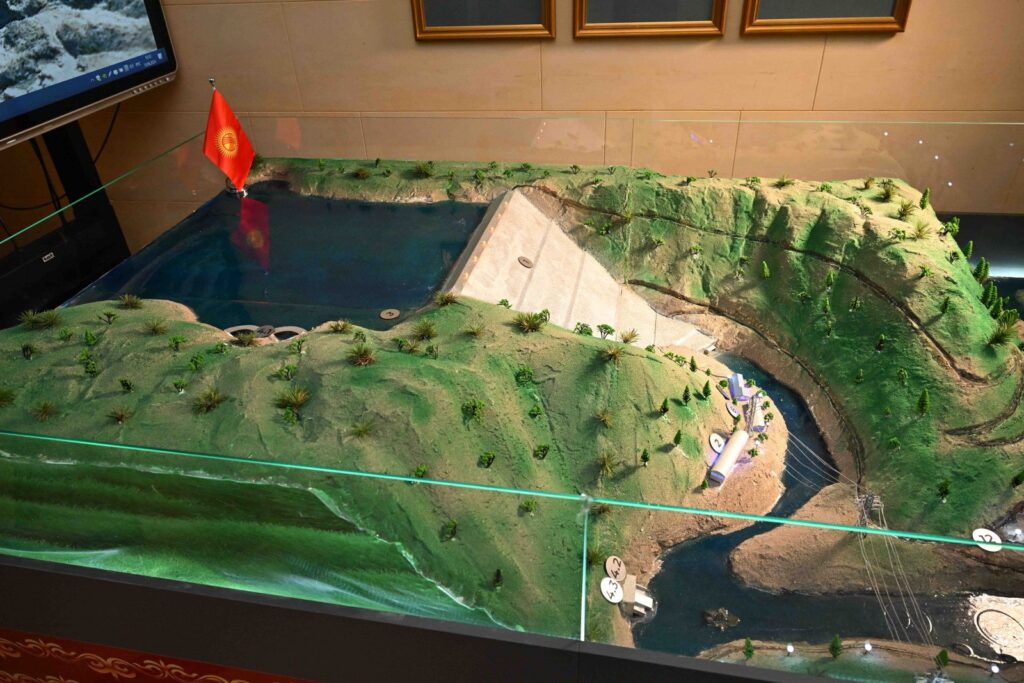
On September 4, in Bishkek, Kyrgyzstan’s Cabinet of Ministers and the World Bank organized a roundtable on dam type selection for the country’s flagship Kambarata-1 Hydropower Plant (HPP). As the Kyrgyz Ministry of Energy reported, Swiss engineering company AFRY presented possible dam types for the flagship energy project at the meeting. A feasibility study will be prepared by May 2025 based on the type of dam chosen. According to Maksudjon Safarov, Senior Energy Specialist with the World Bank, the institution is financing comprehensive preparations for the Kambarata-1 HPP's construction. “The Swiss company AFRY is preparing the project’s feasibility study, with world-class experts involved in the work to ensure that the project is efficient, environmentally friendly, and sustainable," Safarov stated. The Kambarata-1 HPP will be situated in the upper reaches of the Naryn River in Kyrgyzstan. Its installed capacity will be 1,860 megawatts, with an average annual generation of 5.6 billion kilowatt-hours of electricity. The preliminary construction cost for the project is more than $4 billion. At the roundtable, Deputy Chairman of the Kyrgyz Cabinet of Ministers, Bakyt Torobayev, emphasized that time is critical in developing the Kambarata-1 HPP. “As part of the construction, trilateral agreements were signed between the Ministries of Energy of the Kyrgyz Republic, the Republic of Kazakhstan, and the Republic of Uzbekistan. This is a unique case when three countries in the region come to a common understanding and support for the project. We are confident that joint work will create a high-quality project to provide Central Asia with clean and renewable energy, improve water and energy resources, and strengthen regional cooperation." Kyrgyz Energy Minister Taalaibek Ibrayev noted significant progress in the ongoing preparations. “To date, several important works have already been completed. On August 30, the construction of a 1,388-meter transport tunnel was completed. Work is underway to build 15 km of concrete roads. We are working to provide electricity [for the future construction site], with 80% of overhead transmission lines now complete. Completion of a 110 kv power transmission line and a substation is scheduled for the end of 2024. Construction of a bridge across the Naryn River is underway, and at the same time, a workers' camp is being built. All work is going according to plan, and we are confident that all preparatory stages will be completed by next May,” the Minister stated. To support the project, a Donor Coordination Committee for constructing Kambarata-1 HPP was established at the Kyrgyz Republic International Energy Investment Forum, held in Vienna on June 10, 2024. The Committee comprises major international financial institutions and development partners, including the World Bank, the OPEC Fund, the Asian Development Bank, the Asian Infrastructure Investment Bank, the Islamic Development Bank, and the European Bank for Reconstruction and Development.

Turkmenistan and Tatarstan Discuss Trade and Debt Issues

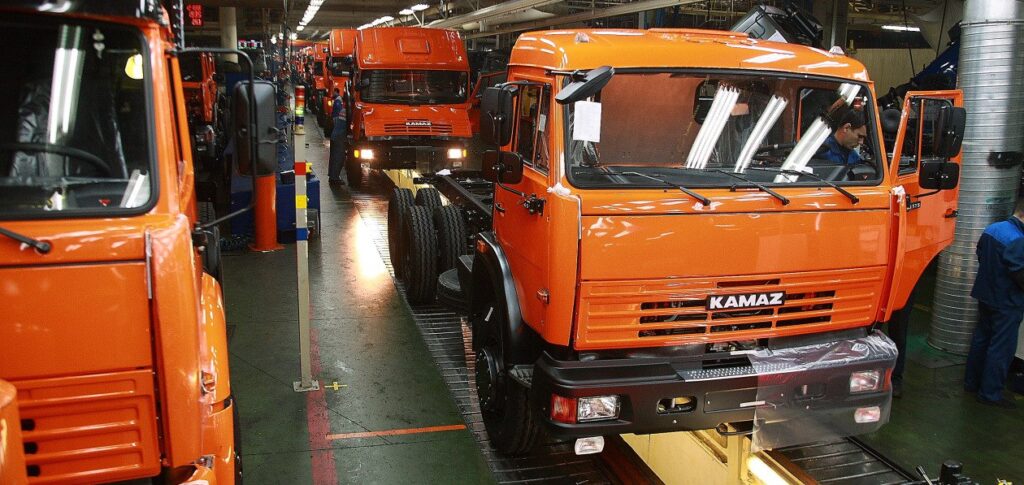
On August 27, at a meeting of the Turkmenistan-Tatarstan joint working group on trade-economic, scientific-technical, and cultural cooperation in Kazan (Republic of Tatarstan, Russian Federation), it was announced that Turkmenistan and Tatarstan's 's trade turnover has increased by 13.4%, amounting to $52.3 million, largely due to the import of products to Turkmenistan. However, the Turkmen Minister of Finance and Economy, Serdar Joraev, stated that this is still two times lower than 2019's numbers. Deputy Prime Minister and Minister of Industry and Trade of Tatarstan, Oleg Korobchenko confirmed the overall decline in trade turnover, with both parties calling for a joint solution. During the meeting, the participants discussed Turkmenistan's debt, which arose due to problems with inter-bank settlements. Whilst both parties stated that this issue is under control and being resolved with the participation of the Central Banks of Turkmenistan and Russia, the total amount of debt remains unreported. Tatarstan companies in the fields of mechanical engineering and oil refining supply equipment and goods in Turkmenistan. In 2020, 852 Kamaz trucks, the second high-speed A145E marine motor ship, and more than $8 million worth of medicines and medical supplies were delivered to Turkmenistan from Tatarstan.

Eurasian Fund for Stability and Development to Fund Renovation of Tajikistan’s Roads

The Eurasian Fund for Stabilization and Development (EFSD) has announced that it will allocate funds to renovate Tajikistan's main roads. The work will involve construction of 51 anti-avalanche galleries, extending to over 5,200 meters, in vulnerable sections of Tajikistan’s highways. Established in 2009 to operate in Armenia, Belarus, Kazakhstan, Kyrgyzstan, Russia and Tajikistan, the EFSD promotes economic and financial stability in these countries to support their sustainable development. The Times of Central Asia has previously reported that the EFSD's financing of the Rogun hydroelectric power plant is one of the main risks to Tajikistan’s budget and debt sustainability. Analysts from the fund have emphasized that “in the face of uncertainty regarding funding sources, starting in 2025, the government of Tajikistan may have additional needs for budgetary support from international financial organizations.”

Tajikistan Intends To Expand Production of Armored Vehicles and Special Equipment

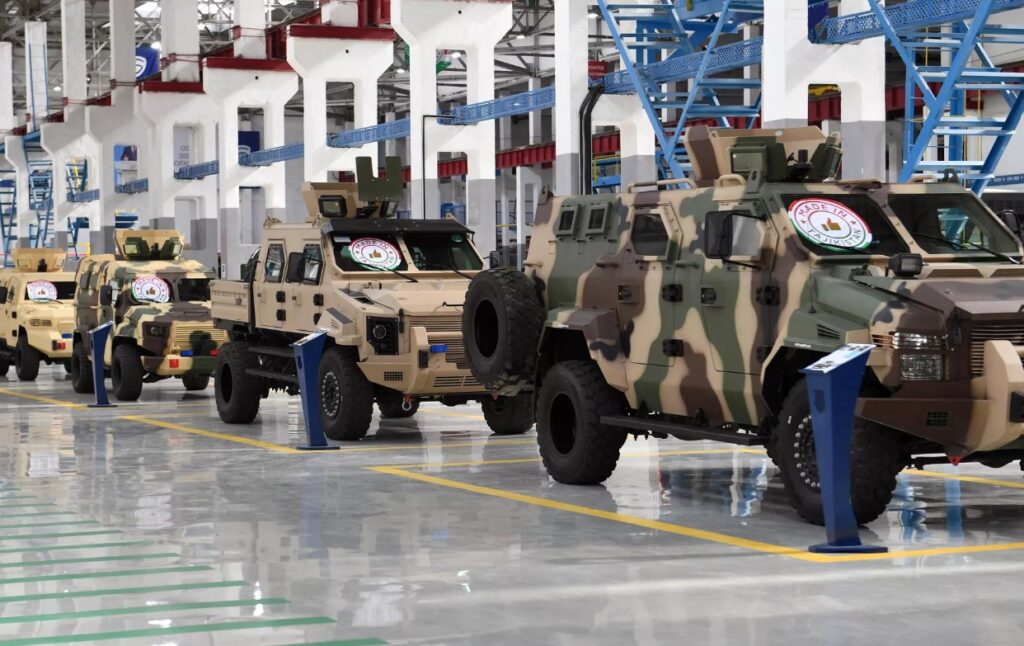
Tajikistan's Sipar Group plans to significantly expand the production of armored vehicles and special equipment at its plant in the city of Tursunzade. The project is being implemented with a foreign investment of $15 million, allowing the company to produce 17 types of special vehicles. The plant is already actively developing its production capacity. The enterprise assembles military and civilian vehicles using components from the United Arab Emirates. Tajikistan's Minister of Industry and New Technologies, Sherali Kabir, said that armored vehicles in Tursunzade are manufactured using Canadian technologies; therefore, they are in no way inferior to their counterparts produced in other Central Asian countries. So far, the plant has produced a limited volume of vehicles, but given the demand, it plans to increase its production capacity significantly in the coming years. The project will also create more than a hundred new jobs, which will make an important contribution to the region's economic development. The plant's products are aimed not only at the domestic market, but also with the possibility of exporting to other Central Asian countries in mind, which would allow Tajikistan to strengthen its position in the international arena in the defense industry.

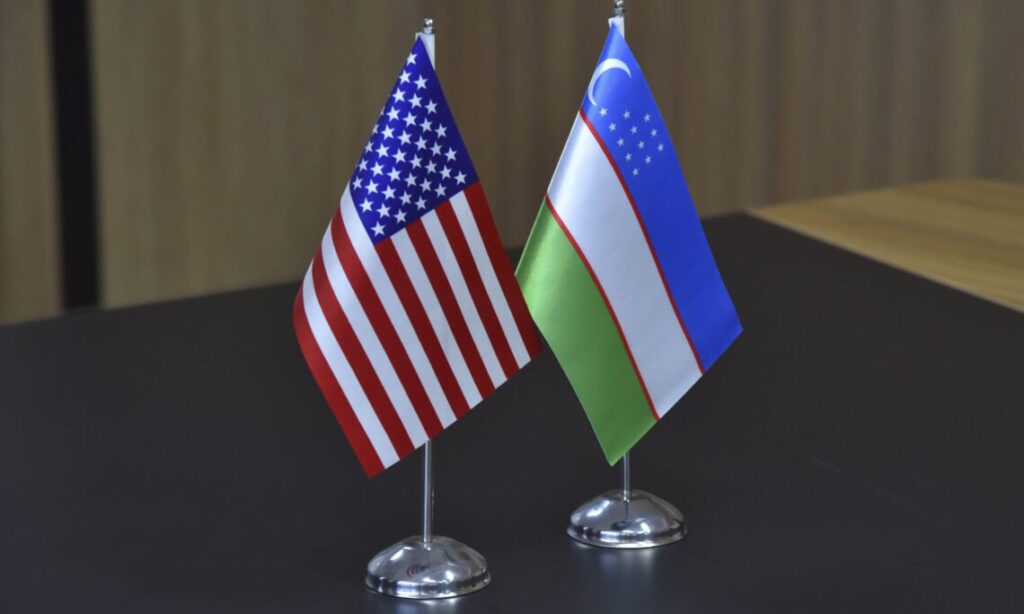
U.S. Companies Seek Export Opportunities in Uzbekistan

According to a recent report, the U.S. State Department is in regular receipt of applications from U.S. companies in search of opportunities to export their products to Uzbekistan's markets. “Our products likewise require review and certification for import into Uzbekistan, so expediting that process would help U.S. agricultural and livestock products reach Uzbek consumers. U.S. suppliers of technologies, industrial equipment, and manufactured goods are also actively bidding on public procurement opportunities and working with partners in Uzbekistan,” explained a spokesperson for the department. The USA's readiness to help Uzbekistan implement the announced reform program, including economic issues was noted. Referencing the  significant improvements in the investment climate created by recent economic reforms and the potential of further reforms to attract more investment and technical expertise to Uzbekistan, the department emphasized: “Generally speaking, we welcome and encourage multilateral efforts to support regional connectivity in Central Asia and the South Caucasus westward to Europe. Such efforts create a more secure, resilient, and prosperous region.” The U.S. State Department also noted that through the regional trade activities of the U.S. Agency for International Development (USAID) in Central Asia, the US is helping to increase the competitiveness of trade, entrepreneurship, e-commerce, and the private sector. As stated in the report,  “Through the Partnership for Global Infrastructure, the U.S. is currently evaluating potential areas for infrastructure investment where it could contribute project advisory technical assistance, project preparation, and financing to tangibly move forward strategic projects in the Trans-Caspian International Transport Route.”