• KZT/USD = 0.00219
  • TJS/USD = 0.10810
  • UZS/USD = 0.00009
  • TMT/USD = 0.29850
  • KZT/USD = 0.00219
  • TJS/USD = 0.10810
  • UZS/USD = 0.00009
  • TMT/USD = 0.29850
  • KZT/USD = 0.00219
  • TJS/USD = 0.10810
  • UZS/USD = 0.00009
  • TMT/USD = 0.29850
  • KZT/USD = 0.00219
  • TJS/USD = 0.10810
  • UZS/USD = 0.00009
  • TMT/USD = 0.29850
  • KZT/USD = 0.00219
  • TJS/USD = 0.10810
  • UZS/USD = 0.00009
  • TMT/USD = 0.29850
  • KZT/USD = 0.00219
  • TJS/USD = 0.10810
  • UZS/USD = 0.00009
  • TMT/USD = 0.29850
  • KZT/USD = 0.00219
  • TJS/USD = 0.10810
  • UZS/USD = 0.00009
  • TMT/USD = 0.29850
  • KZT/USD = 0.00219
  • TJS/USD = 0.10810
  • UZS/USD = 0.00009
  • TMT/USD = 0.29850
03 September 2026

Viewing results 1 - 6 of 70

Important Deal Signed for China-Kyrgyzstan-Uzbekistan Railway Project

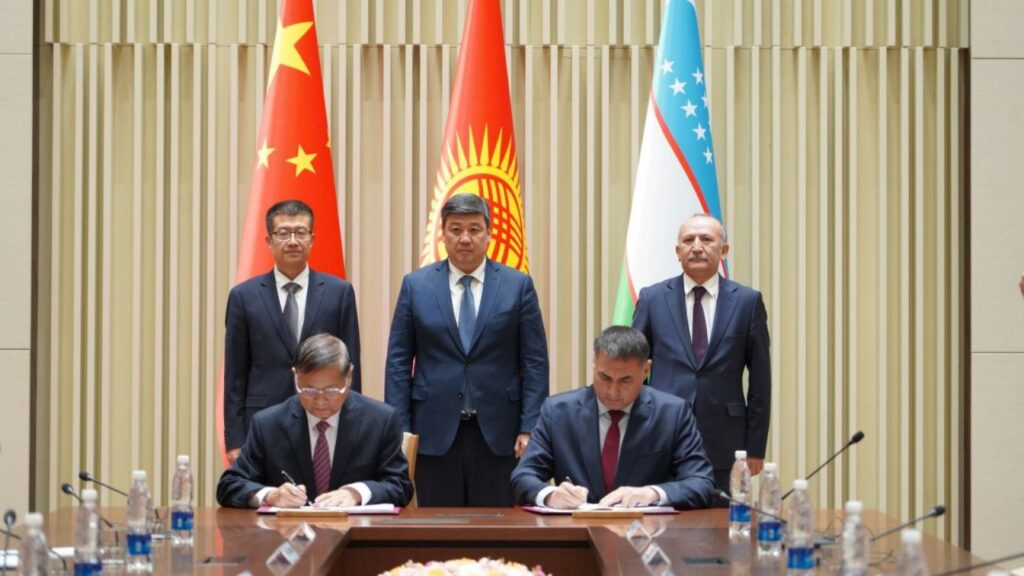
On December 20, Bishkek hosted the signing of an investment agreement between Kyrgyzstan’s Cabinet of Ministers and China-Kyrgyzstan-Uzbekistan Railway Company LLC. The agreement encompasses the design, construction, financing, operation, and maintenance of the China-Kyrgyzstan-Uzbekistan railway. The announcement came shortly after Kyrgyz President Sadyr Japarov revealed that construction on the strategic railway, which will connect the three nations, is set to begin on December 27. The agreement was signed by Kyrgyzstan’s Minister of Transport and Communications, Absattar Syrgabaev, and Zhong Shenggui, Chairman of the Board of Directors of China-Kyrgyzstan-Uzbekistan Railway Company LLC. A Historic Milestone The signing ceremony was attended by Kyrgyz Deputy Chairman of the Cabinet of Ministers and Minister of Water Resources, Agriculture, and Processing Industry Bakyt Torobayev; Li Baojie, Charge d’Affaires of the Chinese Embassy in Kyrgyzstan; and Saidikram Iyazkhodjaev, Uzbekistan’s Ambassador to Kyrgyzstan. In his remarks, Torobayev called the agreement a historic achievement for the three nations, marking the conclusion of a lengthy negotiation process and the start of practical implementation. “This large-scale infrastructure project is of both regional and international significance,” he emphasized. Strategic Importance of the Railway The China-Kyrgyzstan-Uzbekistan railway is a pivotal development for the transport strategies of the participating countries. Currently, neither Kyrgyzstan nor Uzbekistan has a direct railway link with China, while Central Asia’s rail connection to China is limited to a route through Kazakhstan. Furthermore, Kyrgyzstan and Uzbekistan lack a direct railway link between them. The project’s significance was cemented on June 6, 2024, when China, Kyrgyzstan, and Uzbekistan signed an intergovernmental agreement in Beijing. The 523-kilometer railway will traverse Kashgar (China), Torugart, Makmal, Jalal-Abad (Kyrgyzstan), and Andijan (Uzbekistan). Transit and logistics infrastructure will be developed along the route to support its operations. Once completed, the railway is expected to transport up to 15 million tons of cargo annually, significantly enhancing trade and connectivity in the region.
Uzbekistan Welcomes 6.5 Million Tourists in 10 Months of 2024, With China Leading Growth Outside CIS

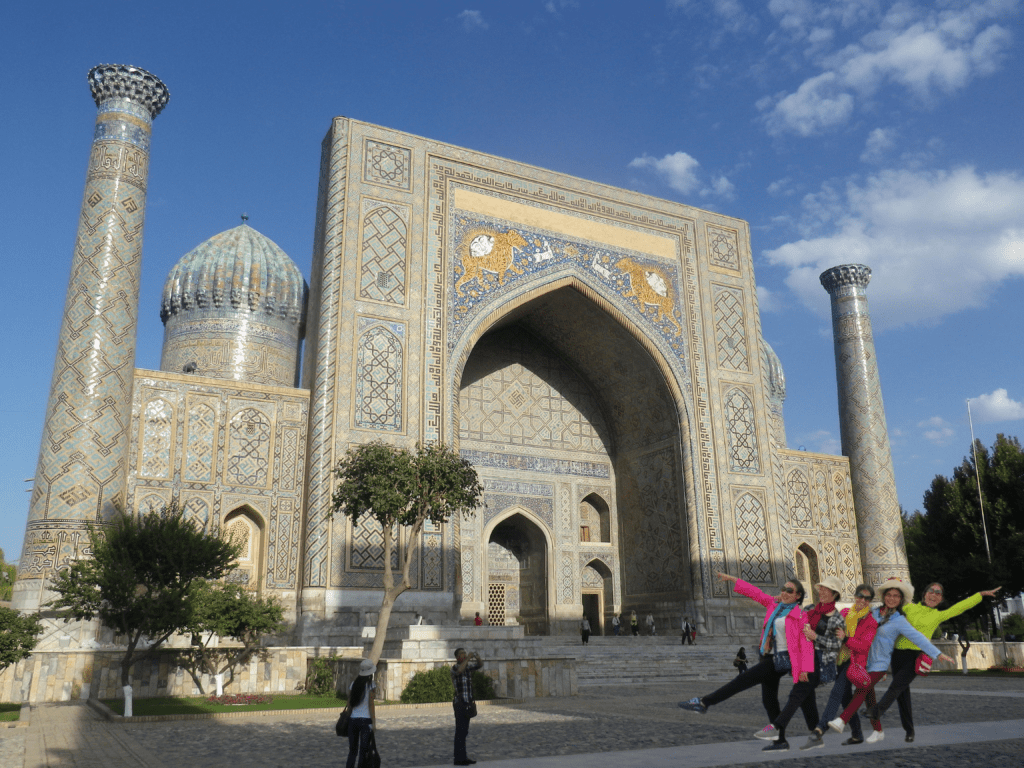
Uzbekistan’s tourism industry is thriving, with 6.5 million foreign visitors from January to October 2024, fueled by a 17.2% year-on-year increase, or 951,300 more visitors compared to the same period last year. Among these tourists, 57,700 were from China, marking a 63.1% rise and making China the leading source of visitors outside the Commonwealth of Independent States (CIS). China's interest in landlocked Uzbekistan comes as no surprise. Rich in natural resources and brimming with untapped potential, Uzbekistan stands as a promising opportunity for growth and prosperity when strategic investments are managed effectively. For instance, China continues to dominate Uzbekistan’s trade scene, accounting for 18.8% of the country's total foreign trade turnover as of October 2024. Bilateral trade between the two nations reached $10.2bn, with Uzbekistan exporting $1.7bn worth of goods to China and importing $8.5bn in return. While this was a slight dip from the $10.8bn in 2023, China has maintained its position as Uzbekistan’s largest trade partner since 2020, thanks in part to strategic agreements like the Bilateral Investment Treaty (BIT) and the Agreement on Avoidance of Double Taxation (DTA). Additionally, China’s investment footprint in Uzbekistan is hard to miss. By the end of 2022, China had invested a total of $4.5bn, with over 2,000 Chinese enterprises operating in the country as of January 1, 2024. These businesses span a wide range of sectors, from oil and gas exploration to infrastructure development, automotive assembly, agriculture, and textiles. Projects include the Pengsheng Industrial Park, which focuses on construction materials and modern agriculture with a $129mn investment, and the Anjiyan Textile Park, which specializes in textile production, backed by more than $64mn. The Luoyang-Bukhara Agricultural Cooperation Zone takes this partnership to the next level, blending agricultural cultivation with industrial activities for a dynamic collaboration. Agriculture has blossomed as a key area of collaboration between Uzbekistan and China in recent years. Uzbek exports, such as cherries, apricots, and dried fruits are hitting the sweet spot in China, while Chinese investments in agri-tech are giving Uzbekistan’s productivity and export game a major boost. When it comes to green energy, Uzbekistan’s renewable ambitions are getting a powerful push from Chinese know-how. A standout project, a 1 GW solar power plant under the Belt and Road Initiative, is a shining example of both nations’ dedication to a greener, more sustainable future. In addition, on December 5, Uzbekistan's Uzatom and China National Nuclear Corporation Overseas (CNOS) signed a cooperation agreement, setting the stage for small nuclear power plants and improved uranium processing in Uzbekistan. This follows earlier talks about tapping into China's expertise to enhance the country’s nuclear energy capabilities. The digital transformation of Uzbekistan is another exciting frontier of opportunity. With plans to expand its digital infrastructure, Chinese companies are stepping in with cutting-edge technologies like 5G networks and e-commerce platforms. These innovations are set to supercharge Uzbekistan’s digital economy, making it more efficient and connected than ever before. It’s a win-win that promises to drive growth and elevate the country’s technological landscape. Two major...

Kazakhstan Hosts Meeting of Council of Foreign Investors

Astana's Palace of Independence hosted the 36th meeting of the Foreign Investors Council. Kazakhstan's President Kassym-Jomart Tokayev and Prime Minister Olzhas Bektenov attended the event. This year's central theme was “Kazakhstan's New Investment Cycle.” The meeting discussed strategies for the new investment cycle and the development of Kazakhstan's attractiveness to investors. Citing data from the International Institute for Management Development (IMD), Tokayev emphasized that Kazakhstan has become one of the world's top 35 competitive countries. “We set ourselves a rather ambitious goal: to attract $150 billion of foreign direct investment by 2029. To realize this goal, the Investment Headquarters under the Government is endowed with expanded powers to solve emerging problems promptly,” said the president. Tokayev noted the merits of international oil companies, which have played an essential role in the country's development. “Foreign investors have invested capital and provided advanced technologies and highly skilled labor. Their investments have contributed to the growth of our energy industry: over the past 30 years, oil production has tripled. Thanks to this, Kazakhstan has become one of the five countries with the highest oil production growth rates. Speaking about the future, we set a goal to overcome the threshold of 100 million tons per year,” he said. The meeting focused on increasing investment attractiveness in the “clean energy” sector. Specific agreements were reached with world companies such as Total, Svevind, ACWA Power, and Masdar on realizing 43 GW of “green” projects in Kazakhstan. In addition, Kazakhstan has a vast potential for developing nuclear energy, so creating an international consortium to realize the NPP construction project is under consideration. Kazakhstan focuses on the work of the Astana International Financial Center to strengthen cooperation in the financial sector. Tokayev spoke of the importance of continuing the dialog between the Council members and government agencies to improve the country's investment climate and implement new initiatives and specific projects. The meeting also included Odile Renaud-Basso, President of the EBRD; Nurlan Dosymbekov, Deputy Prime Minister and Minister of National Economy; Zhang Daowei, Chairman of the Board of the Kazakh Association “Baibazarov” and the Yerstanign Investors; Nikolai Podguzov, chairman of the EDB; Andrew Deleoni, president of Alstom for Africa, the Middle East, and Central Asia; and Vadim Vorobyov, Chief Executive Officer of PJSC Lukoil. Established in 1998, the Council of Foreign Investors is a platform for foreign investors and the government of Kazakhstan to discuss strategic objectives and find solutions to improve the business climate. From the Kazakhstani side, the Council is attended by government members and heads of several national companies and development institutions. Foreign participants include representatives of major international corporations and organizations, underscoring the global interest in investing in Kazakhstan. Last year's 35th Plenary Meeting of the Foreign Investors Council was also chaired by President Tokayev. The main topic of the meeting was “Digital Transformation of the Economy.” At the time, Tokayev emphasized that digitalization is a tremendous technological breakthrough and opportunity. The growth of digitalization is already dramatically impacting economic development and changing the game's...

Chinese Investors to Build New Industrial Plants and Residential Compound in Kyrgyzstan’s Naryn

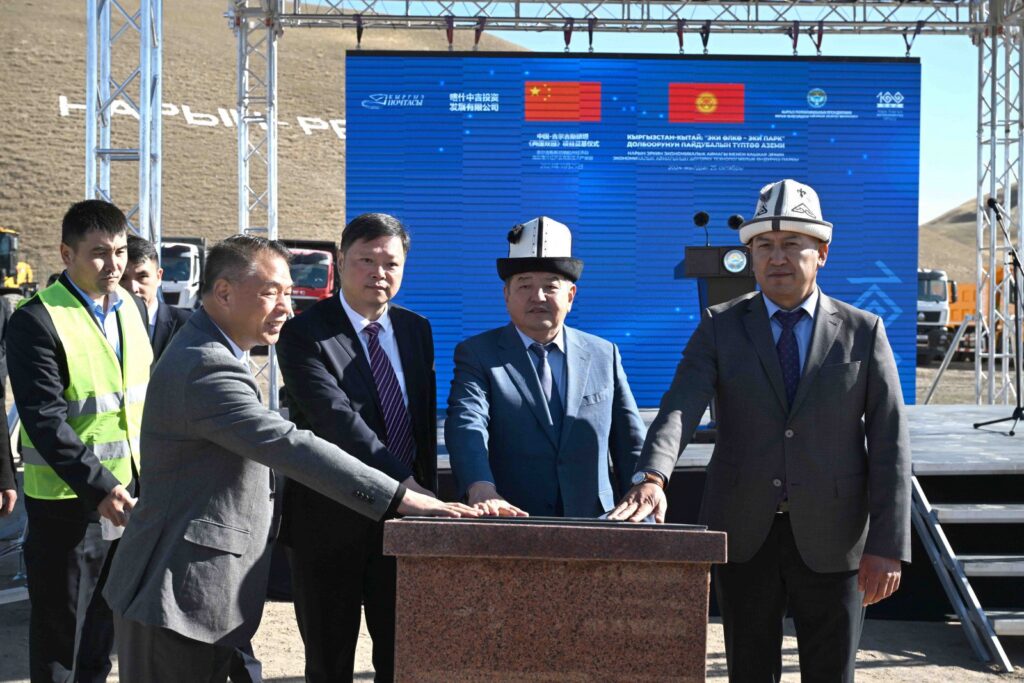
On October 25, Chinese investors launched the construction of four extensive production facilities in Kyrgyzstan's Naryn region: a car assembly plant, an LED lamp manufacturing plant, a toilet paper and napkin plant, and an agricultural drone manufacturing plant. At a capsule-laying ceremony, Akylbek Japarov, Chairman of the Cabinet of Ministers of Kyrgyzstan, emphasized that this event proves that Kyrgyzstan has reached “a new, higher level of relations” with its neighbor. Chinese partners will invest $130 million in the Naryn-Shumkar car assembly plant, which will manufacture more than 20,000 cars annually and create 1,000 jobs. $10 million will be invested in the LED lamp plant, which will produce 30 million lamps per year and create about 200 jobs. Another $10 million will be invested in the toilet paper and napkin plant, which will produce 6,000 tons of paper annually and create more than 100 jobs. On the same day, Japarov attended a ceremony to begin the construction of a new residential compound, Tien Shan City, in the town of Naryn. The residential compound will consist of six 10-storey apartment blocks. The developer, a construction company from the Chinese city of Kashgar, plans to complete high-quality modern housing construction within a year. The company will also build an administration house for all government services for the local population.

Warren Buffett’s Companies Expand Investment in Uzbekistan

Uz500, a wealth advisory and private sector development organization focused on Uzbekistan, Eurasia, and the wider Global South, is to analyse direct foreign investments in Uzbekistan, starting with billionaire Warren Buffett. Since 1965, Buffett has transformed Berkshire Hathaway into a trillion-dollar company, primarily investing in American businesses. Currently, Berkshire owns stakes in eight non-US companies, including five major Japanese firms and China's BYD. Notably, half of these companies have expanded their presence in Uzbekistan, launching major energy, infrastructure, and manufacturing projects. Last month, the Sumitomo Corporation announced its agreement to acquire a 49% stake in several renewable energy assets in Uzbekistan from ACWA Power, a company listed in Saudi Arabia. Through this ACWA-Sumitomo partnership, they aim to develop 2.5 GW of renewable energy (solar and wind) and 968 MW of battery storage capacity in Uzbekistan, with a total investment of $4.2 billion. In August 2024, an international consortium of TAQA Water Solutions, Marubeni, and SUEZ signed a $1 billion joint development agreement with the Government of Uzbekistan to build the CIS region’s largest wastewater treatment facility in Tashkent. Meanwhile, Mitsubishi’s advanced power equipment is responsible for 90% of Uzbekistan’s large-scale gas-fired generation, including Navoi 1, 2, and 3 and the $2.5 billion Sirdarya 1 and 2 combined-cycle gas turbine (CCGT) power projects. The first EVs were produced at the BYD Uzbekistan JV plant in June 2024. While the world’s largest EV maker announced or started building its plants in Thailand, Brazil, Turkey, and Hungary, BYD Uzbekistan became BYD’s first operational overseas plant. Uz500 predicts that Japanese companies Itochu and Mitsui, part of Berkshire Hathaway’s portfolio, will follow their peers and invest in Uzbekistan, the region's fastest-growing economy. Their investments could include acquiring renewable energy or infrastructure assets from ACWA Power or Masdar or forming joint ventures to develop uranium and mineral resources. Mitsubishi, Sumitomo, and Marubeni are also expected to increase their investments through more projects and acquisitions. As a result, Berkshire’s indirect investment in Uzbekistan (already worth several hundred million dollars) is likely to grow significantly in the coming years.

Kazakhstan Recycles 24% of Waste It Produces

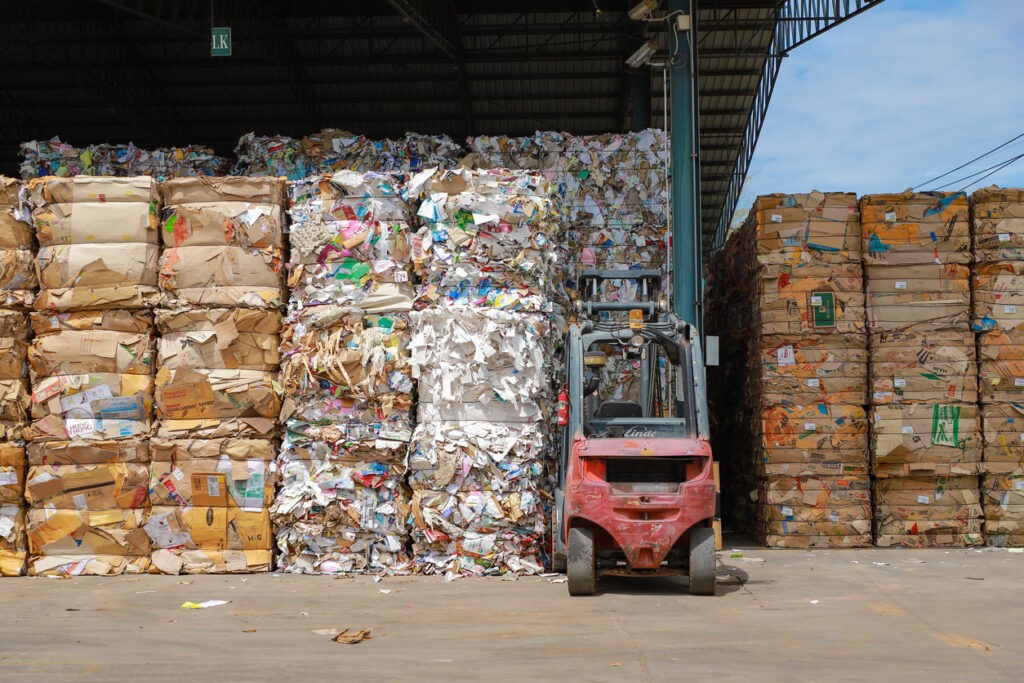
Deputy Minister of Ecology and Natural Resources Zhomart Aliyev said at the VIII Eurasian Business Forum "Green Energy & Waste Recycling" in Astana on October 3 that in 2023, 4.1 million tons of municipal waste were produced across Kazakhstan, and only 24% of that volume was recycled. According to Aliyev, unauthorized landfills remain a big problem. A total of 4,868 such landfills have been identified, and only 32% of them have been recycled. As of 2023, only 624 out of Kazakhstan's 3,016 solid waste landfills met all the environmental requirements. The government has approved 94 investment projects to construct waste processing plants in Kazakhstan, which is expected to increase the country’s municipal waste processing from 1 million to 2.2 million tons annually. The government has also approved a resolution on preferential financing for the construction of waste sorting and recycling plants and a plan to modernize existing solid waste landfills. The government has also drafted a Concept for the Development of Environmental Culture for 2024-2029, which aims to raise public awareness of proper waste management.