• KGS/USD = 0.01144 0%
  • KZT/USD = 0.00217 0%
  • TJS/USD = 0.10627 -0.28%
  • UZS/USD = 0.00008 0%
  • TMT/USD = 0.28530 0%
  • KGS/USD = 0.01144 0%
  • KZT/USD = 0.00217 0%
  • TJS/USD = 0.10627 -0.28%
  • UZS/USD = 0.00008 0%
  • TMT/USD = 0.28530 0%
  • KGS/USD = 0.01144 0%
  • KZT/USD = 0.00217 0%
  • TJS/USD = 0.10627 -0.28%
  • UZS/USD = 0.00008 0%
  • TMT/USD = 0.28530 0%
  • KGS/USD = 0.01144 0%
  • KZT/USD = 0.00217 0%
  • TJS/USD = 0.10627 -0.28%
  • UZS/USD = 0.00008 0%
  • TMT/USD = 0.28530 0%
  • KGS/USD = 0.01144 0%
  • KZT/USD = 0.00217 0%
  • TJS/USD = 0.10627 -0.28%
  • UZS/USD = 0.00008 0%
  • TMT/USD = 0.28530 0%
  • KGS/USD = 0.01144 0%
  • KZT/USD = 0.00217 0%
  • TJS/USD = 0.10627 -0.28%
  • UZS/USD = 0.00008 0%
  • TMT/USD = 0.28530 0%
  • KGS/USD = 0.01144 0%
  • KZT/USD = 0.00217 0%
  • TJS/USD = 0.10627 -0.28%
  • UZS/USD = 0.00008 0%
  • TMT/USD = 0.28530 0%
  • KGS/USD = 0.01144 0%
  • KZT/USD = 0.00217 0%
  • TJS/USD = 0.10627 -0.28%
  • UZS/USD = 0.00008 0%
  • TMT/USD = 0.28530 0%

Viewing results 1 - 6 of 360

Escalation with Iran at the Epicenter: How Central Asian Countries Are Reacting

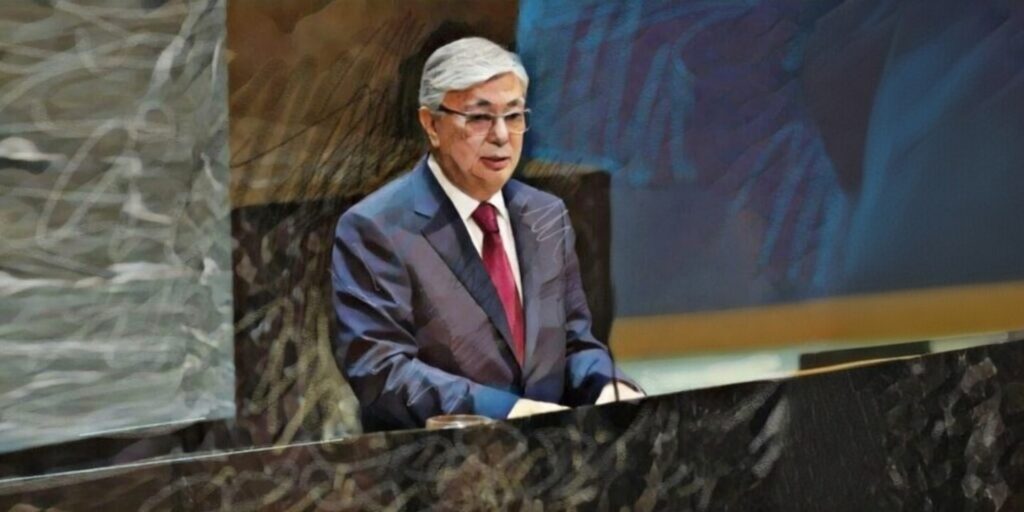
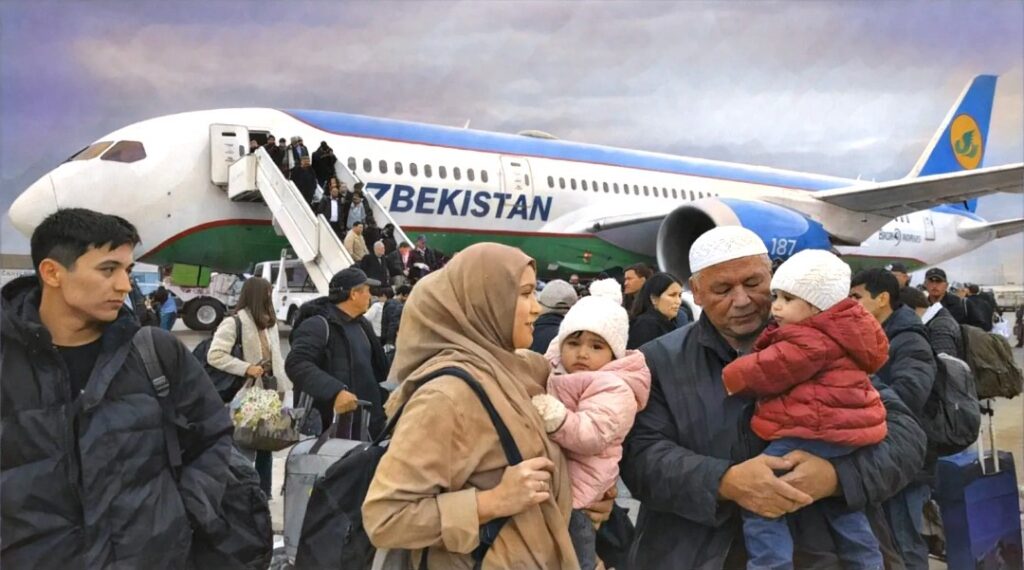
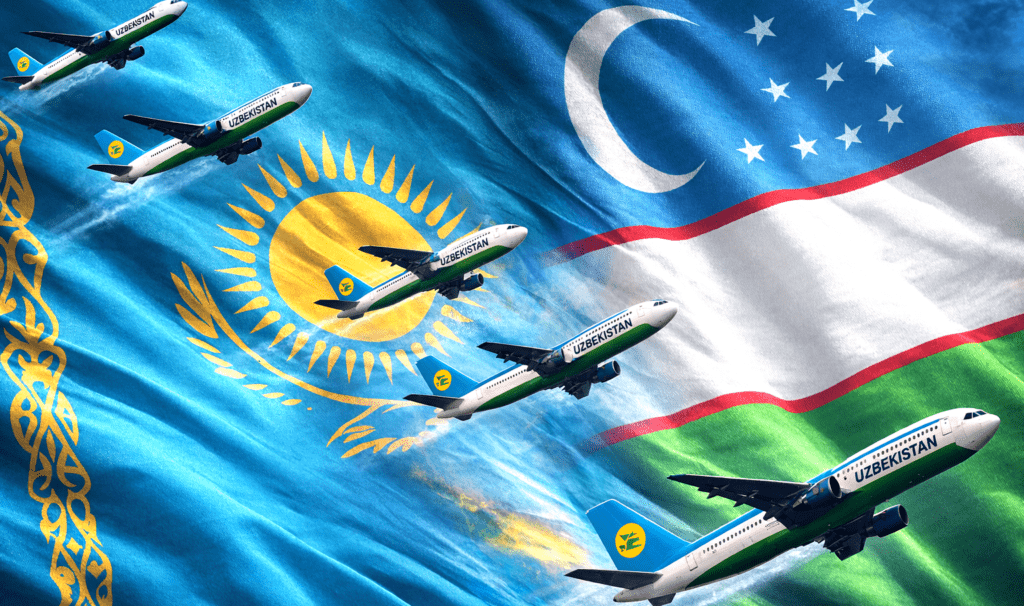
Over the past weekend, the Middle East has once again become a focal point of global tensions. At the center of the escalation is Iran, a country with which Central Asian states intensified engagement last year following the visit of President Masoud Pezeshkian to the region. As events unfold, the potential regional and economic consequences have become a key concern for Central Asian leaders. Kazakhstan President Kassym-Jomart Tokayev responded swiftly on February 28, as Iran was reportedly preparing a retaliatory strike targeting not only Israel, which, together with the U.S., had assumed responsibility for the latest escalation, but also several Arab states in the Persian Gulf. On February 27, Tokayev received U.S. Ambassador to Kazakhstan Julie Stufft. According to the official readout, the sides exchanged views “on further cooperation within the framework of the Board of Peace.” While it remains unclear whether the meeting was directly linked to impending military developments, Kazakhstan’s leadership moved quickly the following day. On February 28, the president instructed Security Council Secretary Gizat Nurdauletov, together with the heads of law enforcement agencies and relevant ministries, to prepare an emergency action plan in light of the escalating situation around Iran and potential risks to domestic stability. All law enforcement agencies were placed on heightened alert, and a special monitoring group was established within the government under the supervision of the Ministry of Foreign Affairs. Regional governors were instructed to assess potential risks stemming from developments in the Middle East. Late on March 1, presidential press secretary Aibek Smadiyarov announced that Tokayev had sent personal messages to the leaders of the United Arab Emirates, Saudi Arabia, Qatar, Bahrain, and Kuwait, expressing solidarity and support during what he described as a difficult period. Tokayev strongly condemned military actions that undermine the sovereignty and security of states friendly to Kazakhstan. “Our country consistently advocates resolving complex international problems and armed conflicts exclusively through diplomatic means,” Tokayev stated. He also expressed Kazakhstan’s readiness to provide assistance if necessary and reaffirmed the importance of maintaining working contacts with regional leaders. Subsequently, Tokayev held telephone conversations with Emir of Qatar Sheikh Tamim bin Hamad Al Thani and President of the United Arab Emirates Sheikh Mohammed bin Zayed Al Nahyan. In both calls, Tokayev expressed serious concern over the escalation and reiterated Kazakhstan’s support and solidarity. During the conversation with the UAE president, Tokayev also noted reports that civilian infrastructure had been damaged and stated that attacks on civilian targets deserve strong condemnation. Sheikh Mohammed bin Zayed Al Nahyan thanked Kazakhstan for its support and expressed appreciation for its readiness to assist in overcoming the crisis. Uzbekistan Uzbekistan, alongside Kazakhstan, suspended flights to several Middle Eastern destinations, with some aircraft reportedly turning back after departure. The Ministry of Foreign Affairs issued emergency contact information for Uzbek diplomatic missions and urged citizens abroad or planning to travel, to closely monitor official updates from host countries and Uzbek embassies. The ministry advised citizens to maintain communication with diplomatic missions, register with consular services when necessary,...

Central Asian Countries Scramble to Help Nationals in Mideast Conflict Zone

With the Mideast conflict entering a second day, Central Asian governments have urged their citizens in the region to take precautions, including following the instructions of local authorities and staying away from mass gatherings. Five civilians from Tajikistan are among foreigners from a range of countries who have crossed from Iran into Azerbaijan since the United States and Israel launched air strikes at Iranian targets on Saturday, the Azerbaijani Press Agency reported. Others who have crossed include 18 Saudi diplomats, four diplomats from Jordan and hundreds of Russian civilians. Canada and Spain have communicated with Azerbaijan about the possible evacuation of their citizens as well. One citizen of Azerbaijan in the region has been injured, but is in good condition and receiving support from diplomatic staff, said Aykhan Hajizade, spokesman for Azerbaijan’s Ministry of Foreign Affairs. He was quoted by state news agency Azertac. Uzbekistan said there are no casualties among its 81 citizens in Iran. The nationals from Uzbekistan include eight employees of diplomatic missions, nine students in the city of Qom, nine who are in Iran on private visits and 55 permanent residents. “The Embassy maintains constant contact with compatriots,” the Uzbek government said. Iran responded to the air strikes with retaliatory waves of missiles and drones aimed at Israel as well as U.S. military facilities and civilian areas across the region. “Air traffic has been suspended due to temporary restrictions on the use of airspace,” Uzbekistan’s Ministry of Foreign Affairs said in a message on Telegram to its nationals in Dubai, United Arab Emirates. The ministry urged them to fully comply with local laws, avoid going out unnecessarily and stay away from crowded places, and rely only on official sources of information. Kazakhstan said it was working on “round-the-clock interaction” with authorities in countries affected by the conflict, and that its diplomatic missions are providing consular and legal assistance to compatriots. The Ministry of Foreign Affairs has opened hotlines. “Lists of citizens in the region, including transit zones, are being updated,” the ministry said. “Operational chats have been created in messengers where compatriots can get answers to their questions and information about the situation in the country, including recommendations.” The ministry said it was collecting information about the number of Kazakhstani citizens in the “escalation zone,” and that it was difficult to specify the exact number. There have been no reports so far of casualties among people from Kazakhstan, it said. Last year, Mashhad, a northeastern Iranian city near the border with Turkmenistan and a significant hub for trade with Central Asia, was among the targets hit by the Israeli military. At the time, Turkmenistan facilitated the cross-border transfer from Iran of some people from Central Asia and other regions. So far, there are no reports of U.S. or Israeli strikes on Mashhad since the latest conflict began. The city is an Islamic pilgrimage site and is the birth place of Ayatollah Ali Khamenei, Iran’s supreme leader. He was killed in air strikes on Saturday.  

President Tokayev Reaffirms Support for Gulf States During Regional Crisis

Updated March 1 - President Kassym-Jomart Tokayev sent messages of support to the leaders of the United Arab Emirates, Saudi Arabia, Qatar, Bahrain, Kuwait, and Jordan reaffirming Kazakhstan’s solidarity with their peoples during what he described as a “difficult period of profound challenges.” Messages were conveyed on Saturday to the leaders of the United Arab Emirates, Saudi Arabia, Qatar, Bahrain and Kuwait, underscoring Kazakhstan’s commitment to the sovereignty and security of its partners in the Arab world. The information was confirmed by presidential adviser and press secretary Aibek Smadyarov, according to Qazinform. On Sunday, Tokayev sent a similar message to Jordan’s leadership, extending the same assurances of solidarity and support. In addition, Tokayev held a phone call with the Amir of Qatar, Sheikh Tamim bin Hamad Al Thani, during which the sides discussed the evolving situation in the Middle East and emphasized the importance of diplomatic efforts to prevent further escalation. In the messages, Tokayev condemned any military action aimed at undermining the sovereignty and security of states that Kazakhstan regards as friendly partners. “Our country consistently advocates the resolution of all complex international issues and armed conflicts exclusively through diplomatic means,” Tokayev said. He added that Kazakhstan stands ready to provide any assistance it can and expressed hope for continued regular contact with the senior leadership of those countries, signaling Astana’s intention to maintain close political dialogue amid regional tensions. The messages are consistent with Kazakhstan’s long-standing foreign policy emphasis on multilateralism, non-interference, and the peaceful settlement of disputes. As Central Asia’s largest economy, Kazakhstan has sought to position itself as a constructive diplomatic actor while maintaining balanced relations across the Middle East and beyond.

Iran Sanctions and European Energy Security: Compliance Considerations for Caspian Trade

On February 6, 2026, the United States announced  a new round of sanctions targeting Iranian petroleum shipping networks, designating 15 entities, two individuals, and 14 vessels involved in transporting Iranian oil and petroleum products in circumvention of existing restrictions. Taken pursuant to existing executive authorities and aligned with National Security Presidential Memorandum-2 (NSPM-2), the measures reflect an intensified U.S. enforcement focus on maritime intermediaries and logistics networks, including Iran’s “shadow fleet.” While the sanctions target Iranian petroleum trade, they reinforce existing risk considerations in shared maritime spaces where sanctioned and non-sanctioned trade operate in proximity, including jurisdictions in formal compliance with U.S. and international sanctions regimes. The recent announcement is an extension of the U.S. Treasury’s existing sanctions measures against Iranian petroleum shipping and associated logistics networks, with implications for compliance and due-diligence processes.  It does not impact lawful energy exports and commercial trade via the Caspian Sea that involve other littoral states including Kazakhstan, Azerbaijan, or Turkmenistan, whose energy exports and financial institutions operate in compliance with applicable Office of Foreign Assets Control (OFAC) regulations. Recent additions to the Specially Designated Nationals (SDN) List include individuals and entities linked to 18 jurisdictions including the United Kingdom, Turkey and the UAE, with one entity co-domiciled in Kazakhstan and Georgia, the latter being a corridor country bordering Azerbaijan. As Central Asia’s largest oil and gas producer, Kazakhstan relies heavily on the Caspian Sea as a critical route for energy exports and associated cargo. While most Kazakh crude reaches global markets via pipelines, the Caspian remains essential for regional trade connectivity, particularly through the port of Aktau and related terminals. Kazakhstan is also a significant supplier of crude oil to European markets, contributing to the continent’s diversification away from Russian energy sources and making the reliability of its export routes relevant to European energy security. Kazakhstan’s exposure to sanctions risk in the Caspian Sea is fundamentally structural rather than policy-driven and is shared with other non-sanctioned shoreline states, namely Azerbaijan and Turkmenistan. Bordered by Russia and Iran—both of whom are heavily sanctioned by the U.S. and EU— the Caspian’s shared maritime space places regional infrastructure in an operating environment where vessels, cargoes, and service providers may be indirectly affected by international restrictions on Russian and Iranian trade. These spillover risks extend across the basin regardless of the compliance posture of individual entities or the policy intent and regulatory efforts of the host states. Recent U.S. policy developments, including NSPM-2, have increased the relevance of these structural conditions by clarifying enforcement priorities under existing sanctions authorities with a focus on the conduct of non-sanctioned actors whose activities may be seen as facilitating sanctioned revenue generation. Enforcement practice emphasizes facilitation, awareness, and the adequacy of compliance controls—and increasingly encompasses maritime intermediaries such as ports and port operators, shipping companies, transshipment facilities, insurers, financiers, and other logistics service providers. As a result, Caspian transit pathways may face heightened compliance and due-diligence expectations in certain scenarios, even when handling non-sanctioned cargo for lawful trade. Operational indicators...

Iran Protests and Regional Stability: An Afghan Perspective

The protests that spread across Iran in late 2025 and early 2026 reflected more than short-term public discontent, instead exposing the cumulative effects of a prolonged socio-economic crisis. Persistently high inflation, declining real incomes, and falling living standards have placed sustained pressure on households and weakened the social contract between the state and society. Against this backdrop, the unrest increasingly acquired a foreign policy dimension. Strong statements from U.S. officials warning of consequences in response to Iran’s handling of the protests, combined with Tehran’s rejection of what it described as external interference, heightened the risk of the crisis becoming internationalized. Thus, the protests in Iran ceased to be an exclusively domestic issue and became a factor of regional instability. A key feature of the current situation is that the Iranian crisis is developing simultaneously on three fronts: socio-economic, where protests are fueled by deteriorating living conditions; political, linked to a crisis of confidence and governability; and geopolitical, where internal processes are used by external actors as a tool of pressure. Consequences for Afghanistan For Afghanistan, developments in Iran carry direct and practical significance. Since late 2024, Iran has become a source of large-scale returns of Afghan migrants, both voluntary and forced. By 2025, this process had become systematic, placing a heavy burden on Afghanistan’s western provinces, particularly Herat. In the event of prolonged instability and a deepening economic crisis in Iran, the likelihood of additional waves of migrant returns would increase. This would place further strain on Afghanistan’s labor market, healthcare system, social infrastructure, and already limited economic resources. In a fragile economy, the return of large numbers of migrants intensifies competition for jobs and raises the risk of local social tensions. The trade and logistics dimension is equally significant. Iran remains Afghanistan’s key economic partner and a vital transit corridor, including through the Islam Qala border crossing. Any deterioration in Iran’s socio-economic conditions has a direct impact on trade flows, supply chains, and broader regional economic stability. Significance for Central Asia The ongoing protest movements and the deterioration of the situation in Iran, driven by a systemic economic crisis and growing political and social discontent, could have a significant impact on political and economic dynamics, as well as security, across Central Asia. On the one hand, governments in the region are responding with cautious concern, mindful of the potential spillover effects of instability and rising internal discontent. A prolonged crisis in Iran increases the risks of migration pressure, border instability, and cross-border threats, all of which directly affect regional security. On the other hand, a further deterioration of Iran’s internal situation could disrupt trade, transit, and energy ties with Central Asia, weakening Tehran’s regional influence and reshaping the balance of power. Under such conditions, the role of other regional and external actors, including Russia, China, Turkey, and Western countries, is likely to grow as they gain opportunities to strengthen their positions in the region. As a result, the crisis in Iran is evolving beyond a domestic challenge and is...

Central Asian Airlines Reroute Flights During Iranian Airspace Closure 

Iran closed its airspace to most international flights for several hours, disrupting flights of some airlines from Central Asia and other regions amid concerns about conflict between Iran and the United States. On Thursday morning, the Flightradar24 website, which provides live tracking of flights around the world, showed a number of civilian aircraft again operating in Iranian airspace after it was reopened. However, many planes were skirting Iran because of safety concerns after U.S. President Donald Trump said the United States was considering strikes on Iran because of the government’s deadly crackdown on nationwide protests. On Wednesday, Trump said he had received assurances that the killings of demonstrators had stopped, possibly signaling that the two adversaries were moving toward de-escalation. Kazakhstan’s Air Astana was among the airlines affected by the temporary disruption to flight paths over Iran. “Air Astana informs about changes in the routes of some regular and charter flights due to the closure of Iranian airspace,” the airline said. “Flights to Sharm el-Sheikh, Dubai, Doha and Medina will be carried out in a detour around Iranian airspace.” The Uzbekistan Airports company said some flights were forced to return to airports from which they had departed. It listed six flights traveling between Uzbekistan and Kuwait, as well as Medina and Jeddah in Saudi Arabia, that were not able to complete their journeys. The affected airlines were FlyOne Asia, Jazeera Airways, Sam Air, Fly Khiva and Uzbekistan Airways.