• KGS/USD = 0.01144 0%
  • KZT/USD = 0.00202 0%
  • TJS/USD = 0.10618 -0.28%
  • UZS/USD = 0.00008 0%
  • TMT/USD = 0.28571 0%
  • KGS/USD = 0.01144 0%
  • KZT/USD = 0.00202 0%
  • TJS/USD = 0.10618 -0.28%
  • UZS/USD = 0.00008 0%
  • TMT/USD = 0.28571 0%
  • KGS/USD = 0.01144 0%
  • KZT/USD = 0.00202 0%
  • TJS/USD = 0.10618 -0.28%
  • UZS/USD = 0.00008 0%
  • TMT/USD = 0.28571 0%
  • KGS/USD = 0.01144 0%
  • KZT/USD = 0.00202 0%
  • TJS/USD = 0.10618 -0.28%
  • UZS/USD = 0.00008 0%
  • TMT/USD = 0.28571 0%
  • KGS/USD = 0.01144 0%
  • KZT/USD = 0.00202 0%
  • TJS/USD = 0.10618 -0.28%
  • UZS/USD = 0.00008 0%
  • TMT/USD = 0.28571 0%
  • KGS/USD = 0.01144 0%
  • KZT/USD = 0.00202 0%
  • TJS/USD = 0.10618 -0.28%
  • UZS/USD = 0.00008 0%
  • TMT/USD = 0.28571 0%
  • KGS/USD = 0.01144 0%
  • KZT/USD = 0.00202 0%
  • TJS/USD = 0.10618 -0.28%
  • UZS/USD = 0.00008 0%
  • TMT/USD = 0.28571 0%
  • KGS/USD = 0.01144 0%
  • KZT/USD = 0.00202 0%
  • TJS/USD = 0.10618 -0.28%
  • UZS/USD = 0.00008 0%
  • TMT/USD = 0.28571 0%
12 February 2026

Viewing results 1 - 6 of 5

Turkish Police Detain Teenagers Linked to ISIS, Including Turkmen Citizen

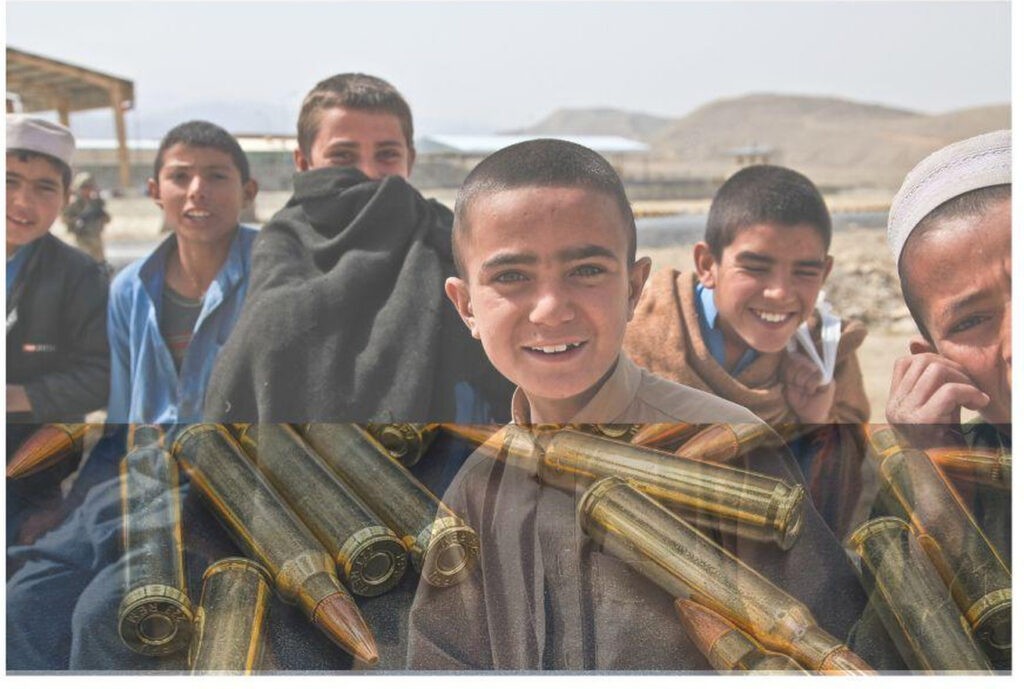
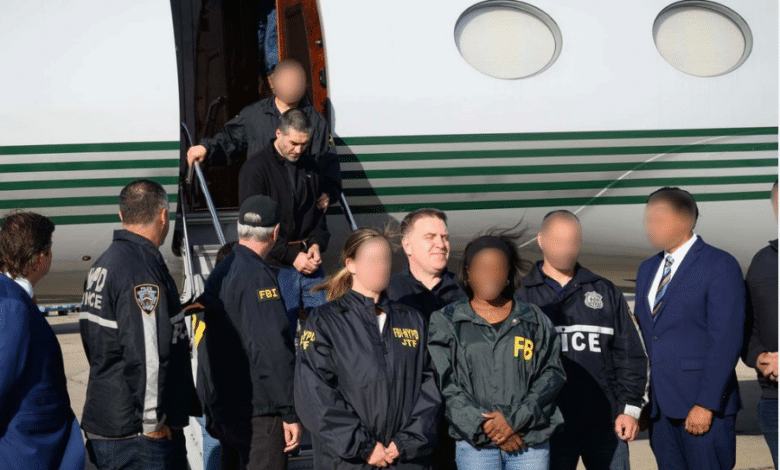
Turkish security forces have detained two teenagers in Istanbul, one identified as a Turkmen national, on suspicion of planning terrorist attacks and communicating with members of the so‑called Islamic State (ISIS), Turkish press reported. The arrests were carried out in two Istanbul districts after police discovered evidence of contact with ISIS operatives on encrypted messaging apps. Authorities say a search of one suspect’s computer turned up files with instructions for making Molotov cocktails and explosives, materials on assembling long‑barreled weapons and shooting training, and a large volume of ISIS‑related propaganda and instructional videos. A court ordered that teenager held in custody. The same reporting says a separate case in July involved a 14‑year‑old Turkmen national, identified by initials D.R., who was detained in the Maltepe district after allegedly being radicalized online. Investigators reportedly found “training materials” on bomb‑making, assassination techniques, videos on using drones and attack vehicles, and other instructions. The court placed that teenager under house arrest. Turkish media cited broader figures showing intensified counter‑terror operations: 3,686 people suspected of links to ISIS have been detained in Turkey over the past nine months, with 784 formally arrested, the reporting states. Earlier cases involving Central Asian nationals have also drawn attention. The Times of Central Asia previously reported that Turkish police had detained a Tajik man (named in reporting as Faziljon A.) and a Kyrgyz woman (named as Zulfiya S.) on suspicion of planning attacks for ISIS; authorities said they found police uniforms, emergency lights, knives and other equipment in the apartment where the suspects were hiding.

Syrian Forces Intensify Arrests of Uzbek and Foreign Militants in Idlib

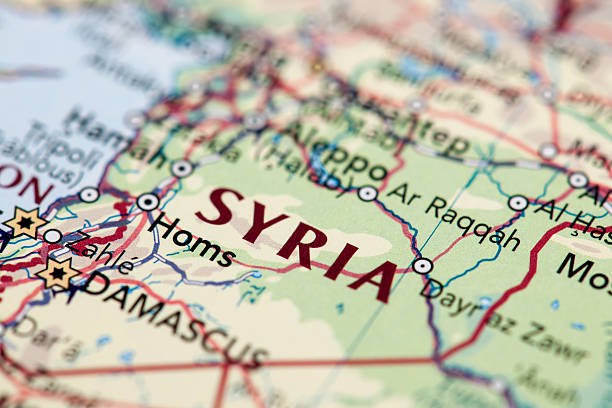
Syrian forces under the administration of Ahmed al-Sharaa have escalated their long-running security campaign against foreign fighters in northwestern Syria, targeting individuals affiliated with the Islamic State (ISIS) and other jihadist factions. According to Syrian sources cited by the El Manshar news outlet, the crackdown has gained momentum in recent months, with a focus on detaining commanders and field operatives of various nationalities, particularly in the Idlib region. Among those detained are several Uzbek nationals. In June 2025, security forces in Idlib arrested Ayoub “Abu Dujana” al-Uzbeki, a military trainer, and transferred him to an undisclosed location. In late August, another Uzbek figure, known as Islam al-Uzbeki, was detained during a raid in the Qasour neighborhood of Idlib. On September 3, Syria’s Internal Security Directorate announced the dismantling of an ISIS cell in the Harem area of western Idlib, with all members taken into custody, including fighters from Iraq and Uzbekistan. This is not the first time Uzbek militants have been the focus of security operations. Reports from late 2022 documented more than 20 raids on ISIS-affiliated cells across Idlib province, resulting in the arrests of several Uzbek fighters. Since 2020, forces loyal to Sharaa have also targeted the al-Qaeda-linked “Tawhid and Jihad” battalion, detaining senior figures such as its founder, Abu Saleh al-Uzbeki. Those arrests sparked violent clashes with rival jihadist groups. Analysts suggest the campaign aims to consolidate Sharaa’s authority by bolstering security services, pre-empting the rise of autonomous armed factions, and eliminating groups that resist integration into his command structure. It also appears intended to signal compliance with previous understandings with the United States concerning the handling of foreign fighters in Syria. Despite these efforts, El Manshar notes that extremist groups continue to maintain a limited but persistent presence in eastern Idlib and along the Turkish border. The campaign, therefore, represents a protracted struggle for dominance rather than a definitive resolution of the foreign fighter issue.

West Monitors Syria for Plans of Jihadis, Some From Central Asia

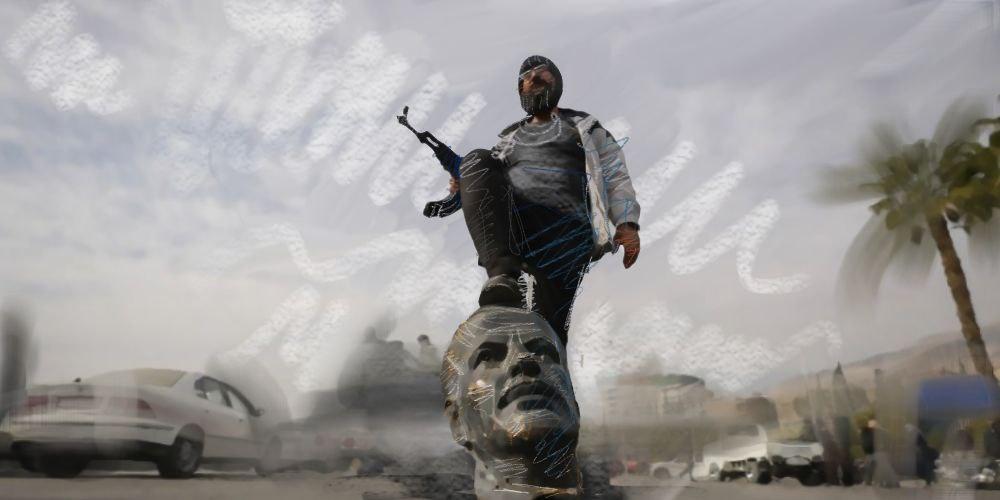
Some counterterrorism experts in the West are assessing whether the ouster of Bashar Assad´s regime in Syria will lead to a recalibration of the Islamic militant groups that opposed him, some of which include especially hardline recruits from Central Asia. Hayat Tahrir al-Sham (HTS), the Syrian group that led an offensive into Aleppo and Damascus and forced Assad to flee in a span of two weeks, is trying to turn to governance with a relatively moderate image even though it was associated with Al-Qaeda earlier in the Syrian civil war and is labeled a terrorist organization on some Western lists. It’s too early to say whether HTS leader Abu Mohammed al-Golani will stick to a message of tolerance or can make it work in a fractured country with gutted institutions, but there are signs that some jihadis object to his message of inclusiveness. “Many of them are Central Asians and they may look to go somewhere else. I think we’re inevitably going to see a certain amount of splintering from what happens in Syria,” said Colin Clarke, a terrorism researcher and author of After the Caliphate. At an Atlantic Council event in Washington on Wednesday, Clarke said there is an “interplay” between religious extremism in Afghanistan and Syria, and that a number of groups with Central Asian members have those connections. Clarke said he will be watching to see whether the connections grow following Assad’s abrupt exit after more than two decades in power. Some estimates put the number of Islamic militants who have traveled from Central Asia to Syria and Iraq over the years at around several thousand, though the figures vary and are difficult to confirm. Many joined the Islamic State group, which was defeated in Iraq and is much diminished in Syria although the U.S. recently carried out air strikes to prevent any resurgence by the group amid Syria’s current upheaval. One jihadist group with Central Asia links that collaborated with HTS in the successful campaign against Assad is Katibat al Tawhid wal Jihad, designated a terror group by the U.S. State Department in 2022. The group carried out a Saint Petersburg, Russia metro attack in 2017 that killed 14 passengers and injured 50 others, as well as a suicide car bombing of the Chinese embassy in Bishkek, Kyrgyzstan in 2016 that injured three people, according to the U.S. Katibat al Tawhid wal Jihad is comprised mainly of Uzbek, Tajik and Kyrgyz combatants, according to Daniele Garofalo Monitoring, which traces jihadist propaganda and military activity. There are an estimated 400-500 fighters in the group. Another HTS ally is Katibat Mujaheddin Ghuroba Division, which has between 200 and 400 fighters, according to the Garofalo site. Many are Uzbeks, Tajiks and Uyghurs, though the group also has Arab militants. There is also Jaysh al-Muhajireen wal-Ansar, which dates to the early stages of the Syrian civil war that began in 2011. The jihadist group is believed to have 400-500 fighters, mostly Chechens, Tajiks, Dagestanis, Azerbaijanis, Kazakhs and Ukrainians, as well as...