• KZT/USD = 0.00211
  • TJS/USD = 0.10820
  • UZS/USD = 0.00008
  • TMT/USD = 0.29760
  • KZT/USD = 0.00211
  • TJS/USD = 0.10820
  • UZS/USD = 0.00008
  • TMT/USD = 0.29760
  • KZT/USD = 0.00211
  • TJS/USD = 0.10820
  • UZS/USD = 0.00008
  • TMT/USD = 0.29760
  • KZT/USD = 0.00211
  • TJS/USD = 0.10820
  • UZS/USD = 0.00008
  • TMT/USD = 0.29760
  • KZT/USD = 0.00211
  • TJS/USD = 0.10820
  • UZS/USD = 0.00008
  • TMT/USD = 0.29760
  • KZT/USD = 0.00211
  • TJS/USD = 0.10820
  • UZS/USD = 0.00008
  • TMT/USD = 0.29760
  • KZT/USD = 0.00211
  • TJS/USD = 0.10820
  • UZS/USD = 0.00008
  • TMT/USD = 0.29760
  • KZT/USD = 0.00211
  • TJS/USD = 0.10820
  • UZS/USD = 0.00008
  • TMT/USD = 0.29760

Viewing results 1 - 6 of 127

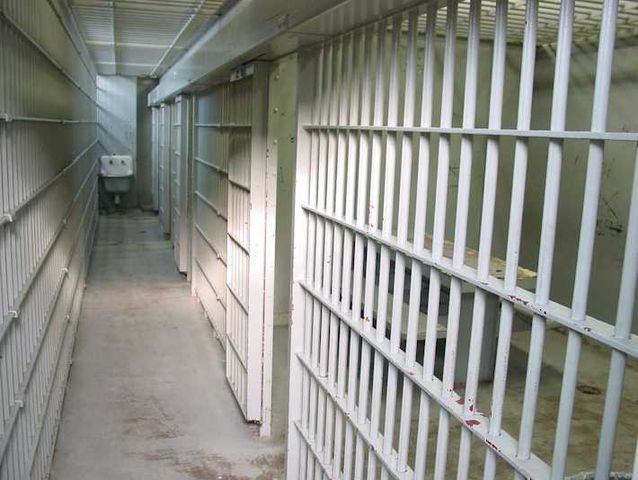
Tajikistan: 12 arrested over alleged plot to attack Russian base

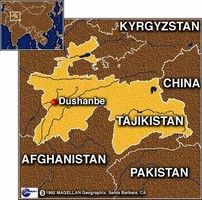
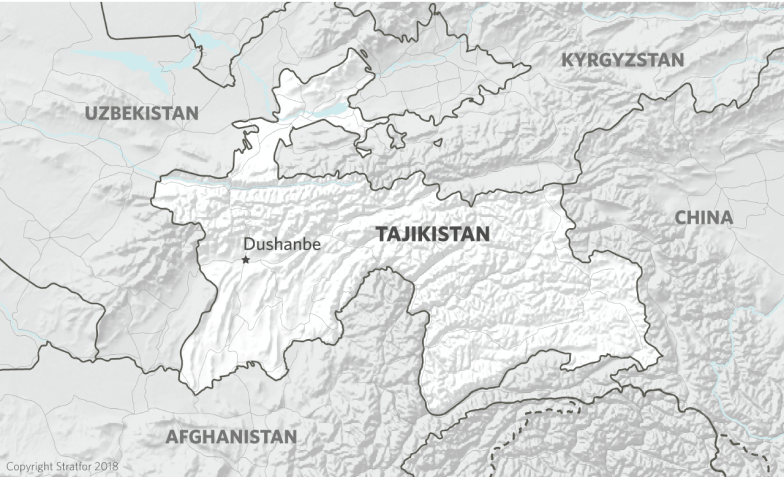
DUSHANBE (TCA) — After an initial denial, Tajikistan's State Committee for National Security says that the authorities have arrested 12 people suspected of plotting an attack on the Russian military base in Dushanbe earlier in November, RFE/RL's Tajik Service reports. Continue reading

Tajikistan: Islamic State says it was behind deadly prison riot

DUSHANBE (TCA) — The Islamic State (IS) group has claimed that one of its "fighters" was responsible for starting the deadly prison riot in northern Tajikistan on November 7, RFE/RL's Tajik Service reported. Continue reading

Afghanistan: Number of Islamic State militants could grow to 10,000 — Russian envoy to UN

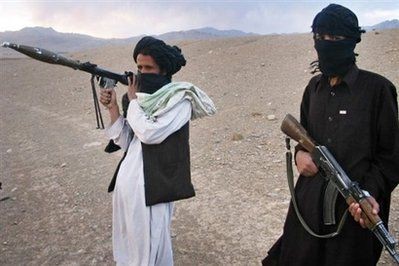
BISHKEK (TCA) — The Islamic State terrorist organization (Daesh) is on the rise in Afghanistan and the group's numbers could soon grow to up to 10,000 members in the war-torn country, Russian Ambassador to the United Nations Vassily Nebenzia said during the Security Council meeting on September 17, Russia’s Sputnik news agency reports. Continue reading

Tajikistan’s Islamist shadow

DUSHANBE (TCA) — Tajikistan recently witnessed the first-ever terrorist attack claimed by the Islamic State in the country and entire Central Asia region. And it remains to be seen whether such incidents will ever occur in the future. We are republishing this article on the issue, written by James Pothecary, originally published by The Jamestown Foundation’s Terrorism Monitor: Introduction A sedan struck seven foreign cyclists riding through Tajikistan’s Danghara district on July 29. Despite initial confused reports that it was nothing more than a car accident, grainy footage quickly emerged of the vehicle’s driver deliberately swerving to hit the bikers. A group of men then “exited the car and stabbed the cyclists with knives,” according to the United States Embassy in Dushanbe. Within minutes, four cyclists—two American, one Dutch and one Swiss—were dead, with several more injured. The Tajikistani government mobilized rapidly and decisively. After identifying the likely location of the suspects based on the car’s license plate, a major law enforcement operation began. The exact circumstances are unclear, but four of the suspects were shot dead during the arrest and several others taken into custody. This was announced in a statement from the Tajikistan Interior Ministry, which included pictures of both the deceased and the detained. Responsibility Almost immediately, the government blamed the shattered political opposition, the Islamic National Renaissance Party (INRP) for the attack. The event was seized on as a chance to legitimize their suppression of the group. Citing a confession allegedly extracted from one of the detained men, authorities have sought to suppress any journalistic investigation into the incident that might lead to a different conclusion—that the attack was, in fact, linked to the Islamic State (IS) (Radio Free Europe/Radio Liberty, August 2). The evidence seems to favor this hypothesis. IS, having already claimed responsibility for the attack, released a video showing five young, Russian-speaking men pledging allegiance to Abu Bakr al-Baghdadi (Jihadology, July 31). These individuals appear to match the photos of the suspects published by Tajikistan’s own interior ministry, although a formal identification has not been made. Furthermore, the modus operandi of the attack is a clear fulfillment of the command issued in the very first issue of IS’ online magazine Rumiyah in September 2016: Stab them, shoot them, poison them, and run them down with your vehicles’ (Jihadology, September 2016). This phrase has been heeded by the global jihadist community. Militants launching attacks in France, Sweden and the United Kingdom, among others, have similarly used vehicles as a weapon. Difficult to detect and deadly effective, it should be of no surprise that this trend has spread to the Central Asian steppes. Typicality An attack against tourists is extremely atypical in Central Asia, where political violence of this kind is almost unheard of. However, Central Asian—particularly Uzbek and Tajik—fighters have earned themselves a fearsome reputation in the jihadist communities of Afghanistan and the Levant. Groups like the Islamic Movement of Uzbekistan, formed from the chaos of a disintegrating Soviet Union, have acted as incubators...

Islamic State leader in Afghanistan reportedly killed

KABUL (TCA) — Afghan authorities say the head of Islamic State militants in Afghanistan has been killed in a strike on the group's hideouts in Nangarhar Province, RFE/RL reported. Continue reading

The Taliban takes on Islamic State: insurgents vie for control of northern Afghanistan

KABUL (TCA) — The Taliban and the Islamic State are engaged in heavy fighting for control of Afghanistan, and this rivalry meets security interests of Russia and its Central Asian allies. We are republishing this article on the issue, written by Waliullah Rahmani, originally published by The Jamestown Foundation’s Terrorism Monitor: Fierce fighting between the Taliban and Islamic State-Khorasan (IS-K), the Afghan chapter of IS, have seen hundreds of militants killed in Jowzjan and Faryab provinces, two provinces in northern Afghanistan considered to be IS-K strongholds. About 300 militants were killed in two weeks of clashes between IS-K and the Taliban, which began on July 25 in the Darzab district of Jowzjan. It was the Taliban’s third major offensive against their rivals, and saw about 200 IS-K fighters hand themselves over to government forces rather than face the Taliban. Video footage from August 1, released by the government, showed IS-K fighters demanding protection in return for their surrender (Khabarnama, August 2). The Taliban reportedly attacked IS-K forces, inflicting heavy losses on the group. Senior commanders on both sides were killed in the fighting. A spokesperson for the Jowzjan governor told local outlets that Haji Qumandan, the deputy leader of IS-K in northern Afghanistan, had been killed. The governor also reported the deaths of many senior Taliban members, including Haji Shakir, the district chief for Sangcharak district of Sar-e Pol (Khabarnama, July 25). An earlier report on July 18 claimed that two IS-K fighters targeted a Taliban gathering in Sayyad district of Sar-e Pol, killing 15 Taliban militants and wounding five others (Khabarnama, July 18). Sar-e Pol, Jowzjan and Faryab are not the only provinces where the Taliban and IS-K have engaged in heavy clashes. The fighting appears to be a growing trend that has hit record levels of violence in the last three years following emergence of IS-K in Afghanistan. While a truce of sorts appears to be in place between the two groups in Afghanistan’s southwestern and southern provinces, in the north it appears to be the Taliban’s intention to eliminate IS-K forces entirely (Khabarnama, July 2018). Darzab: IS-K’s Northern Stronghold IS-K has come to dominate Darzab district in the southwest of Jowzjan province in northern Afghanistan—to the west lies Sar-e Pol province, while Faryab province is to the east. As of 2012, the district had a population of 52,800 people (IFPS, August, 2012). IS-K’s presence in northern Afghanistan began to emerge in 2015, when Qari Hekmat, a former Taliban commander in the north, shifted allegiance to IS-K and started recruiting local insurgents and building alliances (AAN, March 4). The group’s fighters are dominant in Darzab, having sidelined the Taliban and other armed actors there. The district faces many reports of IS-K carrying out killings, attacking international aid workers, beating teenagers, preventing female education and exploiting mineral resources (Tolonews, December 9, 2017; Tolonews, July, 5, 2017; khabarnama, February 8, 2017; 1tvnews, April 17). It is unclear why IS-K has focused its energies on Darzab, Qush Tepa and the rest...