Kazakhstan is being pulled into a new energy paradox. As Russia’s fuel crisis deepens, the country is being discussed as a potential gasoline supplier to its largest neighbor. Meanwhile, Kazakhstan is tightening controls at home, building reserves around refinery maintenance, and weighing fuel imports from China to protect its own market.
On June 24, Reuters reported that Russia was in talks with Kazakhstan to import about 50,000 metric tons of AI-92 gasoline, citing four industry sources. The discussions followed refinery outages and unscheduled repairs in Russia after Ukrainian drone attacks, which had led to shutdowns at several large refineries in central Russia and cut Russian gasoline output by roughly 25% year-on-year by late June.
The news was striking because Russia is normally a major exporter of petroleum products. The need to consider gasoline imports, including seaborne imports and emergency market-stabilization measures, underlines the scale of disruption in Russia’s refining system. Kazakhstan’s Energy Minister Erlan Akkenzhenov said Astana had not received an official request from Moscow, but the question remains politically and economically sensitive for Kazakhstan: can it afford to send fuel abroad if its own margin of safety is narrowing?
Officially, the domestic picture remains stable. Kazakhstan’s government said on June 20 that national stocks of gasoline, diesel, and aviation fuel exceeded 1 million tons, enough to cover current demand. It said supplies were being prioritized for filling stations, agricultural producers, and domestic airlines, and that no shortage of fuels and lubricants had been observed.
Yet those assurances sit alongside a more fragile structural reality. Kazakhstan’s refining system depends heavily on three large refineries: Atyrau in the west, Pavlodar in the north, and Shymkent in the south. Last year, it was reported that, after modernization, the three plants had a combined annual output of about 17 million metric tons. Such a system can function efficiently when all units are operating normally, but it leaves limited room for simultaneous shocks.
One of those shocks is already present. The Atyrau Oil Refinery began scheduled preventive maintenance on June 26 under a timetable approved by the Ministry of Energy. KazMunayGas said the work includes inspections of 20 reactors, 213 storage tanks, 32 columns, and 231 heat exchangers, as well as replacement of more than 335 tons of catalysts. The refinery entered maintenance with 38,000 tons of gasoline, 31,300 tons of diesel, and 6,800 tons of jet fuel. KazMunayGas said national stocks of AI-92 gasoline and diesel covered 34 and 32 days of demand, respectively, and that the phased restart of processing units was scheduled to begin on July 10.
Those figures show resilience, but not abundance. Summer brings higher consumption from agriculture, passenger travel, freight, and aviation. For the government, managing this period means monitoring refinery output, shipments, inventories, and preventing fuel from leaving the country through unauthorized channels. After a June 20 meeting, Prime Minister Olzhas Bektenov ordered tighter border controls; the government said vehicles are restricted from crossing the state border by road more than once per day as part of measures to curb illegal fuel movements.
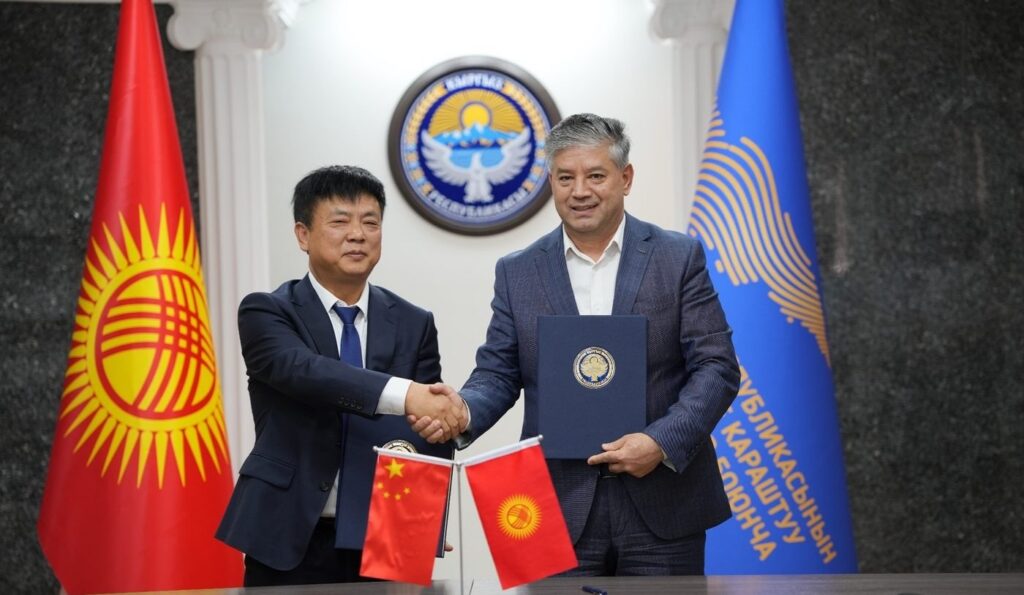
The clearest sign of pressure is not that Kazakhstan might be asked to supply Russia, but that Kazakhstan is also preparing to diversify its own import options. On June 25, Trade and Integration Vice Minister Zhanel Kushukova said that Kazakhstan was considering reducing import customs duties on fuel and lubricants from third countries to zero. She said the measure, under review within the Eurasian Economic Commission, was intended to stimulate supplies from third countries, with the main focus on China.
Formally, this is a technical customs measure, but in practice it signals a wider shift. For years, Russian supplies were Kazakhstan’s natural fallback mechanism: geographically close, commercially convenient, and operating within the Eurasian Economic Union framework. That assumption is decidedly weaker now. Russia is dealing with shortages of its own, has already restricted gasoline exports, and on June 1 banned aviation fuel exports until November 30 to stabilize its domestic market.
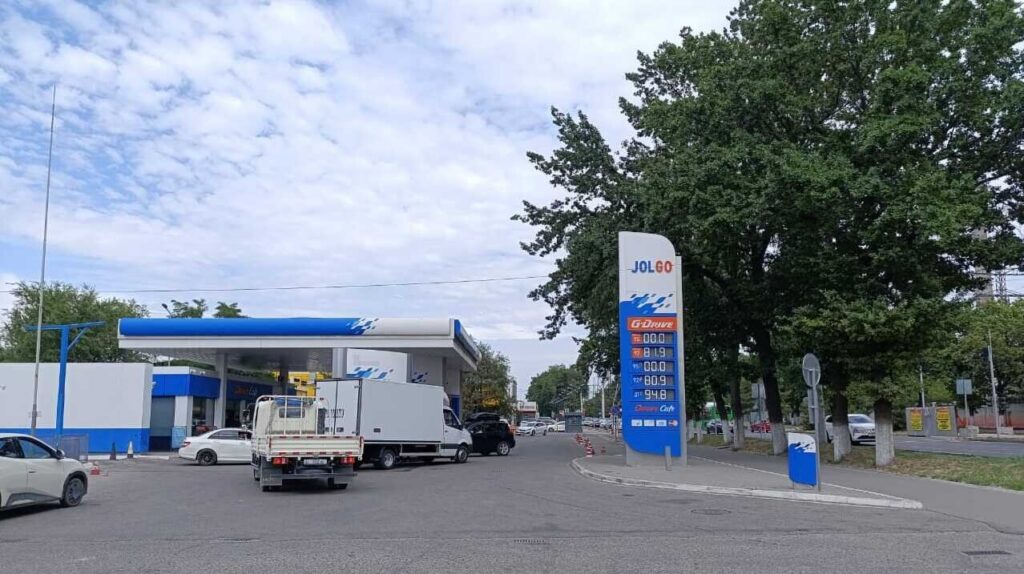
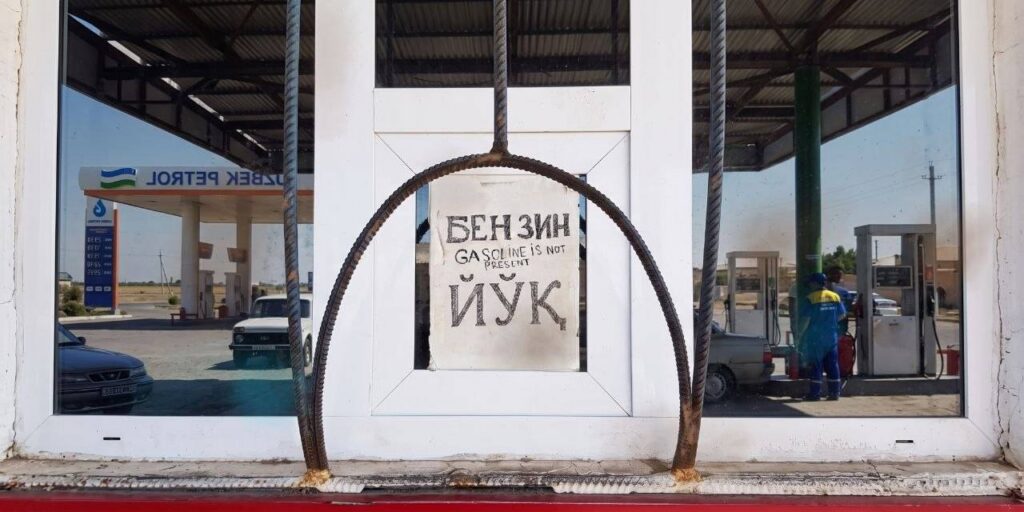
The effects are visible across the region. Kyrgyzstan has reported disruptions in AI-95 and AI-98 gasoline supplies. The Moscow Times reported that the head of Kyrgyzstan’s Association of Oil Traders, Kanatbek Eshatov, said interruptions had been recorded at some filling stations because of reduced and irregular Russian supplies and seasonal demand. Kyrgyzstan receives more than 90% of its gasoline from Russia, and from January-May 2026, it supplied more than 251,000 tons of motor gasoline, 235,150 tons of diesel, and 48,150 tons of jet fuel to the country, according to traders’ estimates.
When Russian supplies tighten, pressure can shift toward Kazakhstan, both through official demand and through illicit channels. Kazakhstan’s Border Service of the National Security Committee said that since the start of 2026, more than 2,400 cases of illegal movement of fuels and lubricants had been prevented at checkpoints, involving more than 300 tons of seized products worth about 60 million tenge (about $120,000). Kazakhstan has also kept export restrictions in place. The country’s ban on the export of gasoline, diesel, and certain petroleum products by road, including to Eurasian Economic Union states, runs from May 21 to November 21, 2026.
Jet fuel presents another vulnerability. Kazakhstan may also face a shortage in July as demand rises, the Atyrau refinery undergoes maintenance, and imports from Russia fall. One possible workaround would be a swap arrangement, with Kazakhstan supplying gasoline to Russia in exchange for jet fuel. Russia’s aviation-fuel export ban complicates that option. The restriction is particularly sensitive for Central Asia because Russian jet fuel normally moves mainly by rail to Kazakhstan, Kyrgyzstan, Tajikistan, and Uzbekistan.
The aviation angle adds pressure because Kazakhstan’s air transport market is expanding. Air Astana has committed to a major fleet modernization program, including an agreement for up to 50 Airbus A320neo-family aircraft: 25 firm aircraft and 25 purchase options, with the first deliveries expected from 2031. More aircraft do not create an immediate fuel shock, but they underline the long-term need for a stable and diversified jet-fuel supply chain.
That is why the idea of a fourth refinery is gaining urgency. In May, it was reported that Kazakhstan had begun pre-project work for a new refining complex with a planned capacity of up to ten million tons of crude oil per year. In June, Samruk-Kazyna said its subsidiary Samruk-Kazyna Ondeu had signed a contract with Genesis Oil & Gas Consultants Limited to prepare a pre-feasibility study for a new oil refinery in Kazakhstan.
Until recently, the assumption in Astana was that modernization of existing refineries would be enough to manage domestic demand and allow a gradual shift toward exports. The events of 2026 show how thin that margin can be. A scheduled shutdown at one domestic refinery, attacks on Russian refining infrastructure, Russian export restrictions, seasonal demand, regional shortages, and smuggling can quickly merge into a single energy-security problem.
Russia’s fuel crisis has therefore become a stress test for Kazakhstan’s own resilience. The lesson is clear: having crude oil is not enough to guarantee stability. The priority now is refining capacity, storage, logistics, and the speed at which supplies can be redirected when regional fuel markets fracture.