• KGS/USD = 0.01144 0%
  • KZT/USD = 0.00215 0%
  • TJS/USD = 0.10698 0.09%
  • UZS/USD = 0.00008 0%
  • TMT/USD = 0.28530 0%
  • KGS/USD = 0.01144 0%
  • KZT/USD = 0.00215 0%
  • TJS/USD = 0.10698 0.09%
  • UZS/USD = 0.00008 0%
  • TMT/USD = 0.28530 0%
  • KGS/USD = 0.01144 0%
  • KZT/USD = 0.00215 0%
  • TJS/USD = 0.10698 0.09%
  • UZS/USD = 0.00008 0%
  • TMT/USD = 0.28530 0%
  • KGS/USD = 0.01144 0%
  • KZT/USD = 0.00215 0%
  • TJS/USD = 0.10698 0.09%
  • UZS/USD = 0.00008 0%
  • TMT/USD = 0.28530 0%
  • KGS/USD = 0.01144 0%
  • KZT/USD = 0.00215 0%
  • TJS/USD = 0.10698 0.09%
  • UZS/USD = 0.00008 0%
  • TMT/USD = 0.28530 0%
  • KGS/USD = 0.01144 0%
  • KZT/USD = 0.00215 0%
  • TJS/USD = 0.10698 0.09%
  • UZS/USD = 0.00008 0%
  • TMT/USD = 0.28530 0%
  • KGS/USD = 0.01144 0%
  • KZT/USD = 0.00215 0%
  • TJS/USD = 0.10698 0.09%
  • UZS/USD = 0.00008 0%
  • TMT/USD = 0.28530 0%
  • KGS/USD = 0.01144 0%
  • KZT/USD = 0.00215 0%
  • TJS/USD = 0.10698 0.09%
  • UZS/USD = 0.00008 0%
  • TMT/USD = 0.28530 0%

Viewing results 1 - 6 of 1687

USAID for Cold Storage Facility in South Kyrgyzstan

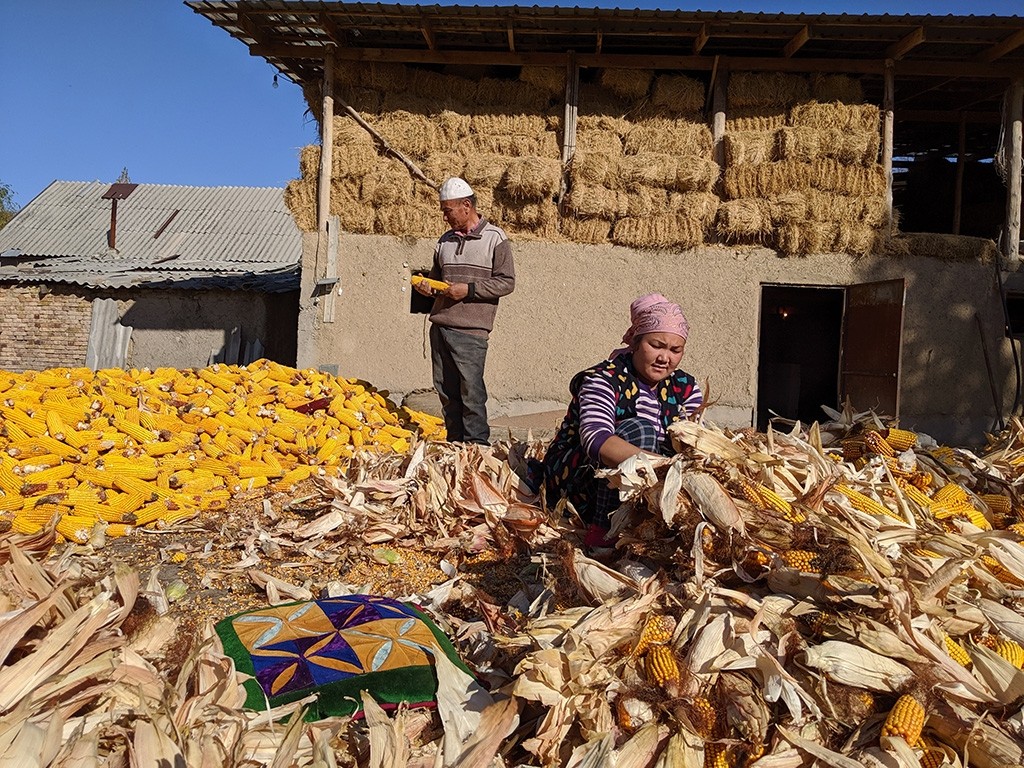
The U.S. Embassy in Bishkek has announced that equipment valued at over $78,000 has been provided by the U.S. to Kyrgyz company SFN International LLC to open a modern cold storage facility in Jalal-Abad in southern Kyrgyzstan. Ynakbek Abylkasymov, head of SFN International LLC, reported that the new facility’s 1,100 metric ton storage capacity, will enable the company to purchase more produce from farmers and offer cleaning, sorting, packing, and storage services. Referring to benefits afforded to 700 households in the rural south, through improvements of food security, he stated, “The facility will help farmers to reduce waste, improve agriculture quality, and boost income by around 150%. In addition, we plan to create 200 new jobs and help businesses export high-quality fresh produce and dried fruits.” The equipment was provided by the U.S. Agency for International Development (USAID) through its Agro Trade Activity and in tandem with other U.S.-supported cold storage facilities throughout Kyrgyzstan, will help reduce waste, extend the shelf- life of perishables, maintain market stability, and ensure a reliable and consistent supply of food throughout the year. Commenting on the success of projects to date, James Lykos, Director of USAID/Kyrgyzstan Economic Development Office, said, “Since 2018, the U.S. government has been partnering with Kyrgyz firms to establish over 20 new cold storage facilities in the Kyrgyz Republic’s southern regions. These facilities have a total storage capacity of 12,500 tons, more than doubling the storage capacity in the region, decreasing food spoilage by 40% and creating new income-generating activities for over 4,000 farmers.”

Kyrgyzstan Makes Inroads into Silicon Valley

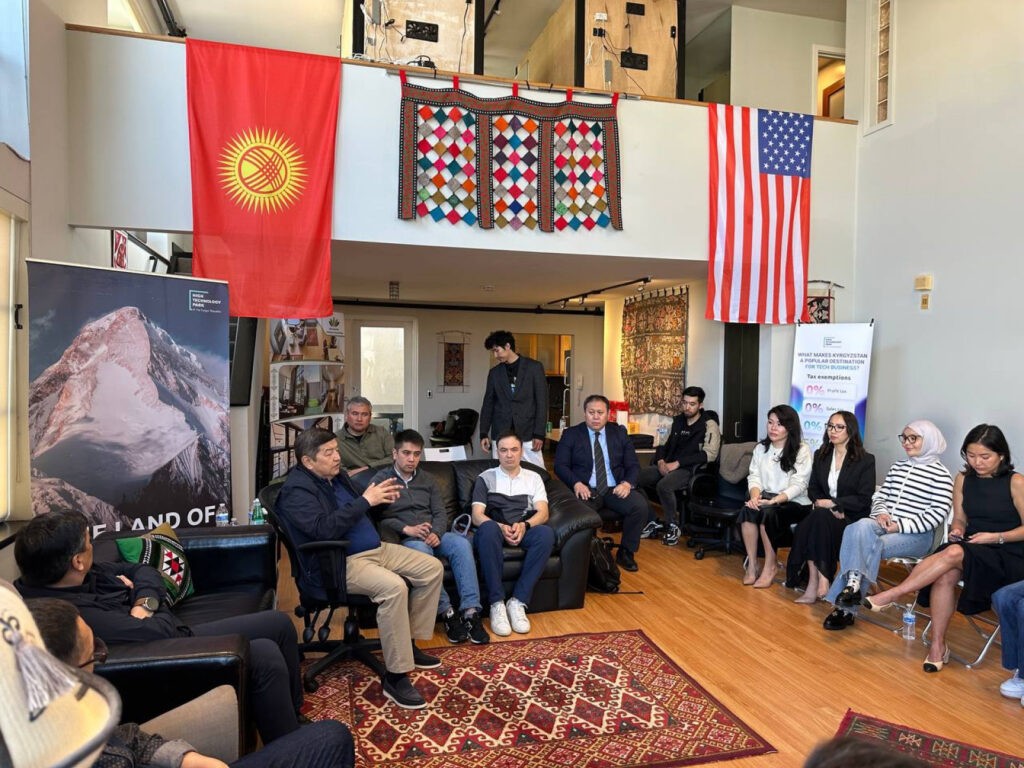
On a visit to San Francisco (USA) on April 21, Chairman of the Cabinet of Ministers of the Kyrgyz Republic Akylbek Japarov was guest of honour at the opening of the High Technology Park (HTP) House of the Kyrgyz Republic in Silicon Valley. Speaking at the event which brought together Kyrgyz IT specialists working in international technology corporations, the prime minister, emphasized the state’s readiness to support IT initiatives and the Cabinet of Ministers’ goal to make Kyrgyzstan a centre of excellence for the development of the industry: “All of you, young people, working in international IT companies are the pride of our country. Your innovation, talent and dedication make us stronger and more competitive on the world stage. It would be great if we could attract your companies to open development centres in Kyrgyzstan. We believe in you, in your capabilities and are ready to support you at every stage of your path to success.” During meetings with IT corporations at the head offices of Apple Inc., the Nvidia Corporation, and Hewlett-Packard, the Kyrgyz delegation led by Akylbek Japarov, focused on prospects afforded by collaboration to enable the government to fulfil its plans to create an IT park in Kyrgyzstan.

Kyrgyz Authorities Seeking Monopoly on Insurance, Industry Group Says

The Kyrgyz Association of Insurers is sounding the alarm that private insurance companies may soon be out of work due to government interference. According to a decree signed by Kyrgyz President Sadyr Japarov, all state bodies and local governments are now instructed to insure all their property with the State Insurance Organization (JSC SIO) in order to develop the national insurance market. "The Cabinet of Ministers of the Kyrgyz Republic will define JSC SIO as the national operator for reinsurance, including export risks, within the framework of cooperation with the Eurasian Reinsurance Company," the document says. The Kyrgyz Association of Insurers appealed to human rights activists to assist in protecting their interests. Private insurers are sure that the new law violates their rights and doesn't comply with Kyrgyzstan's current legislation. "According to insurers, the principles of entrepreneurial activity established by the legislation of the country, such as non-interference of state bodies in the activities of business entities, are violated. In addition, the state guarantees for the protection of the rights of entrepreneurs equal rights and opportunities to access financial resources -- as well as the creation of conditions for the protection and development of competition -- are being violated," - said the International Business Council, which was engaged by Kyrgyz private insurance companies on the matter. The current law "On Organization of Insurance in the Kyrgyz Republic" prohibits interference in insurance activities. Private insurance brokers and business owners argue that the state is playing an unfair game at the legislative level, forcing state-owned companies to insure their property with the SIO. Besides, the financial means to underwrite risk and pay out possible insurance claims are miniscule to the capitalization of private insurers. Last year, the authorities increased the capitalization of the SSO to 1 billion som, and this year they will allocate another 300 million som by presidential decree. "In the prescribed manner by 2027 to find and gradually allocate funds in the amount of 5 billion som to JSC "SIO" to increase the authorized capital... By 2027, the annual profit in the amount of 100 percent, received from the activities of JSC "SIO," will be directed to increase the authorized capital at the expense of the distribution of budget revenues and expenditures," the law reads. Today, 15 insurance companies, including SSS -- as well as several Chinese and Kazakhstani insurers -- operate in the Kyrgyz market. People familiar with the situation who spoke to The Times of Central Asia say most of the major national companies are already insured with SIO, meaning that only civil insurance lines -- like health and life -- and auto insurance remain for private insurers.

Kazakhstan and Kyrgyzstan Enhance Allied Relations

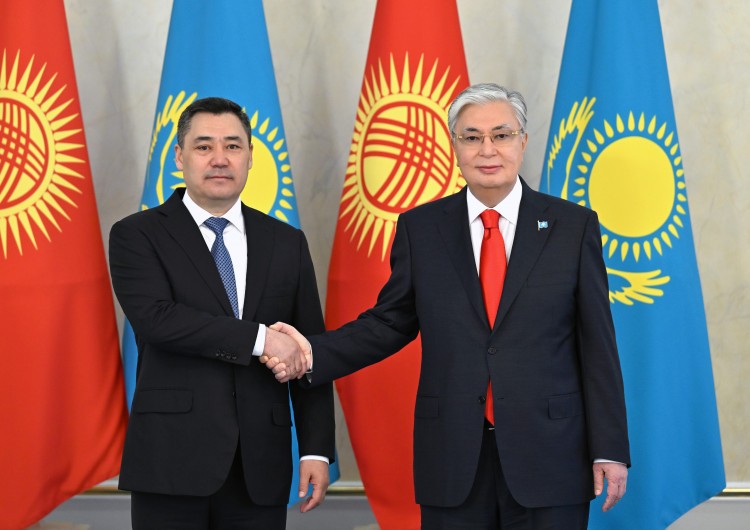
On April 19 Astana hosted the sixth meeting of the Supreme Interstate Council of Kazakhstan and Kyrgyzstan. Chaired by Kazakh President Kassym-Jomart Tokayev and Kyrgyz President Sadyr Japarov, discussions focused on the development of bilateral cooperation in economy, trade, investment, and agriculture, in addition to joint projects regarding transport, water use and energy resources. The two leaders then signed an Agreement on Deepening and Expanding Allied Relations, aimed at providing a new impetus to the development of Kazakh-Kyrgyz relations. During the conference, Kyrgyz President Japarov stated, “Kazakhstan is our close neighbour, a fraternal country and one of our main trading partners. Kazakhstan is a priority in our foreign policy. There are no political or regional differences between our countries.” In support, President Tokayev expressed his wish for there to be no unresolved issues between the two neighbouring countries and drew particular attention to the need to strengthen trade and economic ties. Kazakhstan is currently one of Kyrgyzstan’s key partners in trade and investment. Last year, mutual trade turnover reached $1.5 billion and during their talks, the leaders confirmed their intention to increase that figure to $2 billion. The parties also signed an Agreement on Mutual Protection of Investments. Referencing measures to expand the volume of goods transported across the Kazakh-Kyrgyz border and improvements in customs clearance, Tokayev stated, “We have started modernizing the border checkpoints at Karasu, Besagash, Aukhatty, Sartob, Aisha Bibi, Sypatay Batyr, and Kegen. Each will be equipped with digital technologies, with work expected to be completed by 2028.” President Japarov, in turn, announced that an agreement had been reached to resume the operation of the Kichi-Kapka and Kamyshanovka checkpoints to help increase bilateral trade and relieve congestion. Turning to the importance of interaction in the water and energy sector, the Kazakh president said, “In recent years, the urgency of efficient and equitable use of transboundary water resources has increased. We shall continue our coordinated work and have agreed to soon give approval to a schedule for interstate water management structures and implement it in a timely manner. Kazakhstan is ready to fulfil all obligations and jointly implement important projects.”

Traffickers of Human Organs Detained in Kyrgyzstan

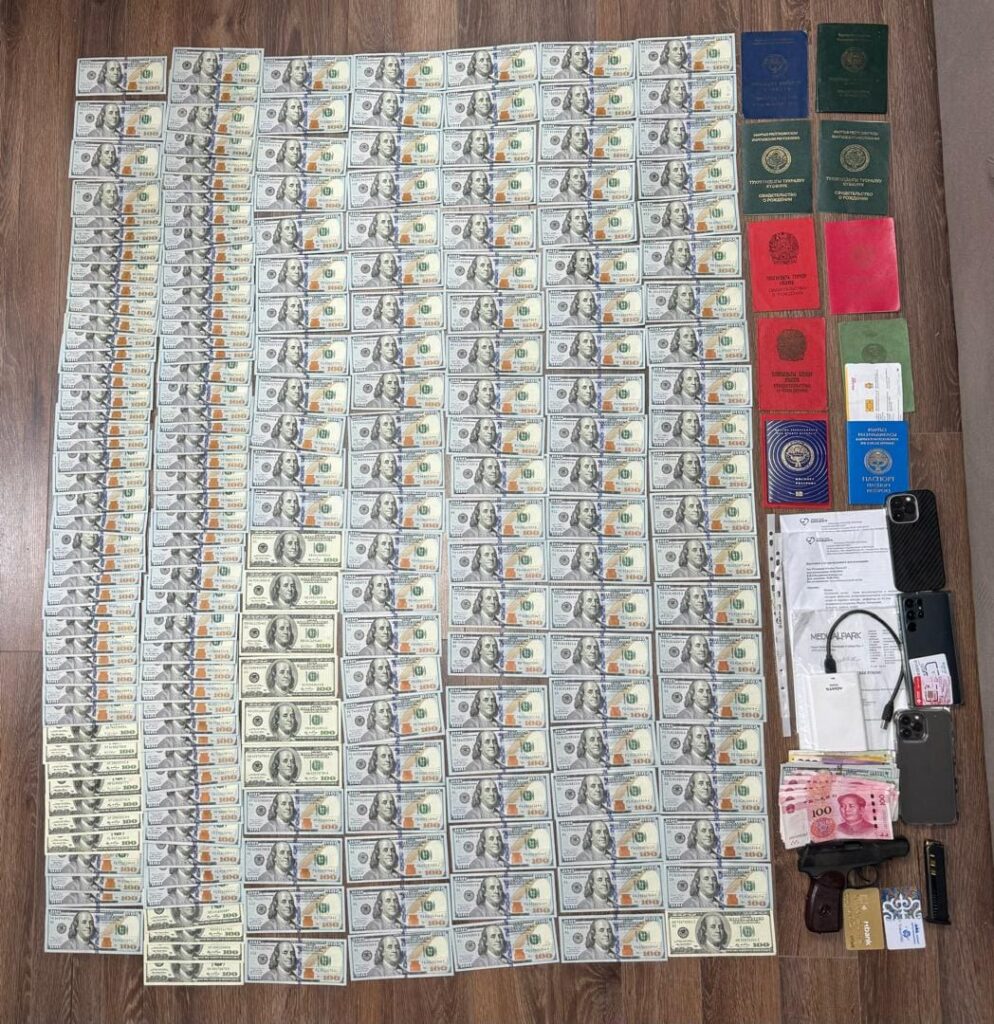
The State Committee for National Security (SCNS) of Kyrgyzstan has detained members of an international criminal group at Manas Airport. The criminals had organized a black-market channel for the illegal sale of human organs abroad. All detainees are citizens of the Kyrgyzstan. According to the investigation, the criminal group looked for patients in foreign clinics who were willing to pay large sums of money for the transplantation of a healthy organ. The gang then found donors in Kyrgyzstan, who were fraudulently induced into undergoing organ-harvesting operations. "Donors necessarily underwent a medical examination, where, regardless of [their overall health], always issued a positive conclusion, after which the organizers through corrupt schemes made false documents on the relationship with the patient necessary for submission to the clinic, where the operation will be held," said the SCNS. Investigators found that the donors received between $1,000 and $7,000 for their kidneys. The recruiters of those donors earned about $3,000, and the organizers of the criminal channel received between $30,000 and $70,000. The SCNS said that all necessary measures are currently being taken to identify all those involved in this crime. Earlier this year, Kyrgyz president Sadyr Zhaparov signed a law on the protection of citizens' health, according to which private and public hospitals can engage in organ transplantation. However, a major stipulation requires that the organ recipient must be a relative of the donor. This loophole in the legislation was exploited by criminals by issuing fictitious documents on family kinship.

U.S. Helps Decrease Tuberculosis Mortality Rates in Kyrgyzstan

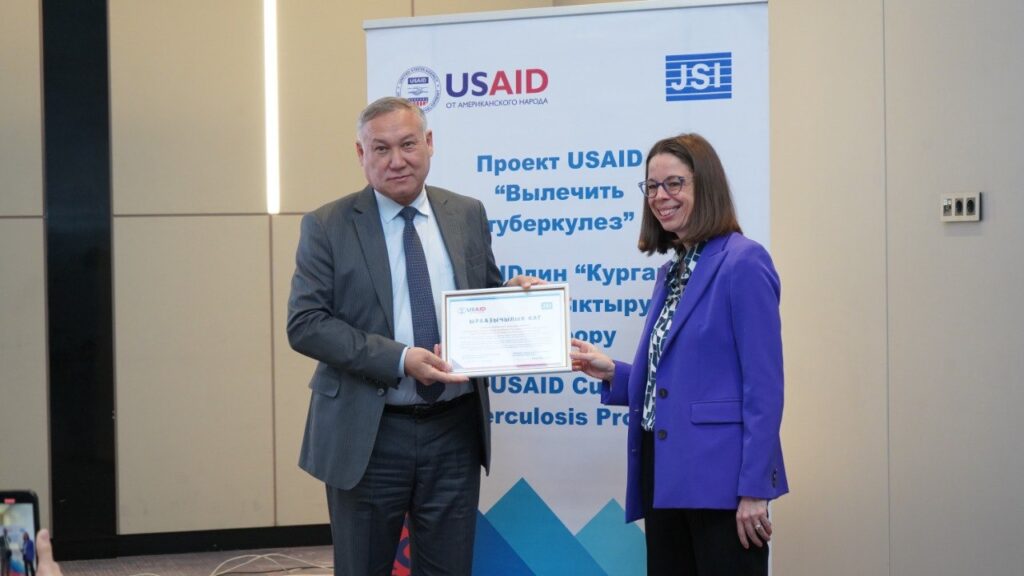
U.S. Embassy Deputy Chief of Mission Liz Zentos and Kyrgyzstan’s Minister of Health Alymkadyr Beishenaliev, attended a national conference on 17 April to review the Cure Tuberculosis partnership. Since 2019, the U.S. government has invested more than $20 million in curing tuberculosis in Kyrgyzstan through the U.S. Agency for International Development (USAID). To date, the joint U.S.-Kyrgyz initiative has provided faster and more accurate tuberculosis diagnosis, improved treatment success rates, and increased community awareness and engagement in efforts to control tuberculosis, resulting in a decrease of tuberculosis mortality rates by over 33% and a reduction of cases by 37%. Praising the project’s success, Ms Zentos announced, “It is a collaborative effort that helped modernize tuberculosis diagnostics, improve patient-centred care, and reform the policy environment to improve tuberculosis treatment for all.” In turn, Minister Beishenaliev expressed gratitude to USAID for its ongoing aid, saying, “The Ministry of Health together with partners will continue to fight tuberculosis in Kyrgyzstan, develop a patient-centred model of tuberculosis care, support outpatient treatment in primary health care, introduce new diagnostic and treatment methods, develop and integrate tuberculosis information systems, and strengthen cooperation in tuberculosis prevention and care.”