• KGS/USD = 0.01144 0%
  • KZT/USD = 0.00198 -0%
  • TJS/USD = 0.10903 0.18%
  • UZS/USD = 0.00008 0%
  • TMT/USD = 0.28571 0%
  • KGS/USD = 0.01144 0%
  • KZT/USD = 0.00198 -0%
  • TJS/USD = 0.10903 0.18%
  • UZS/USD = 0.00008 0%
  • TMT/USD = 0.28571 0%
  • KGS/USD = 0.01144 0%
  • KZT/USD = 0.00198 -0%
  • TJS/USD = 0.10903 0.18%
  • UZS/USD = 0.00008 0%
  • TMT/USD = 0.28571 0%
  • KGS/USD = 0.01144 0%
  • KZT/USD = 0.00198 -0%
  • TJS/USD = 0.10903 0.18%
  • UZS/USD = 0.00008 0%
  • TMT/USD = 0.28571 0%
  • KGS/USD = 0.01144 0%
  • KZT/USD = 0.00198 -0%
  • TJS/USD = 0.10903 0.18%
  • UZS/USD = 0.00008 0%
  • TMT/USD = 0.28571 0%
  • KGS/USD = 0.01144 0%
  • KZT/USD = 0.00198 -0%
  • TJS/USD = 0.10903 0.18%
  • UZS/USD = 0.00008 0%
  • TMT/USD = 0.28571 0%
  • KGS/USD = 0.01144 0%
  • KZT/USD = 0.00198 -0%
  • TJS/USD = 0.10903 0.18%
  • UZS/USD = 0.00008 0%
  • TMT/USD = 0.28571 0%
  • KGS/USD = 0.01144 0%
  • KZT/USD = 0.00198 -0%
  • TJS/USD = 0.10903 0.18%
  • UZS/USD = 0.00008 0%
  • TMT/USD = 0.28571 0%
05 December 2025

Viewing results 1 - 6 of 13

Kyrgyzstan Launches Environmental Strategy for Lake Issyk-Kul

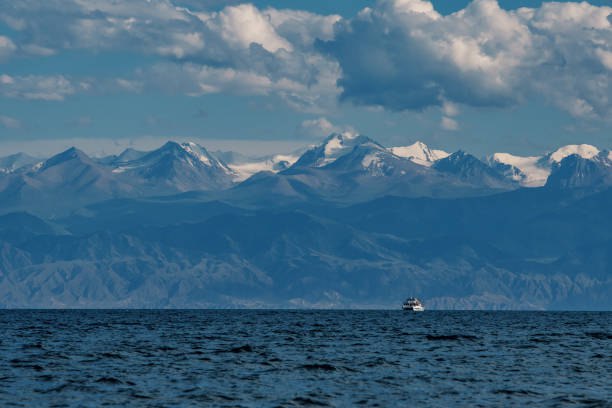
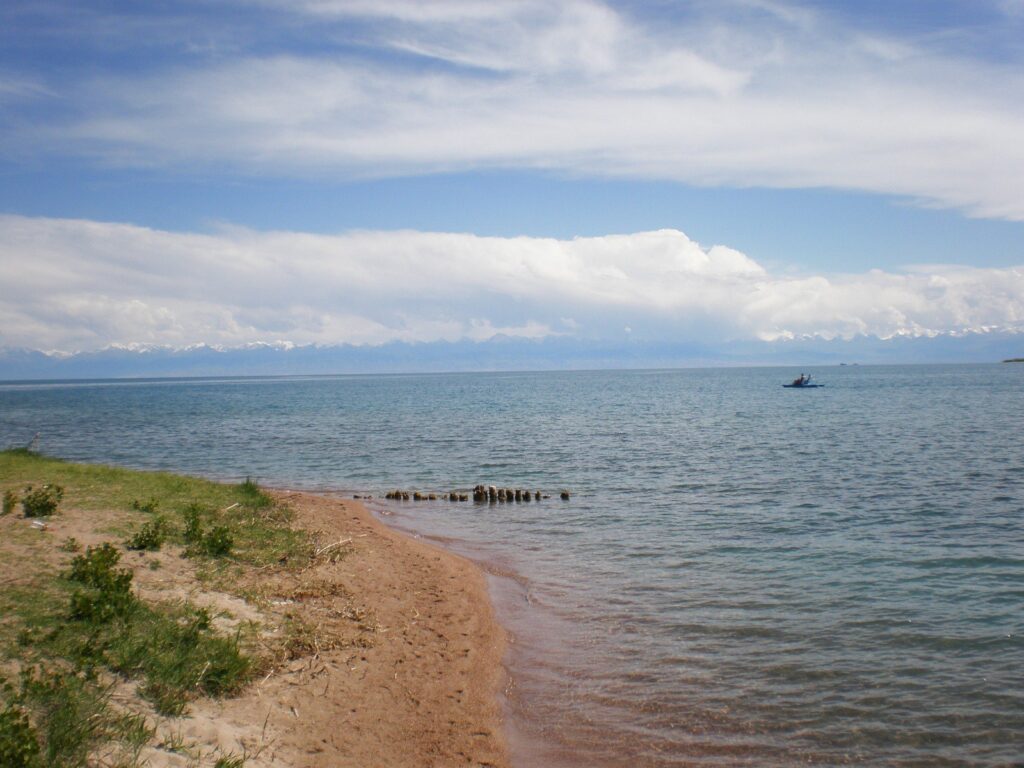
On December 2, Kyrgyzstan’s Cabinet of Ministers approved the Concept for the Sustainable Development of the Ecological and Economic System of Lake Issyk-Kul until 2030, along with a corresponding Action Plan. The initiative aims to protect the lake and its surrounding biosphere from intensifying environmental and human pressures, while ensuring long-term economic resilience in the region. Located in northeastern Kyrgyzstan, Issyk-Kul is the country’s largest lake, a unique ecological reserve, and one of Central Asia’s main tourist destinations. However, the newly adopted Concept reflects growing concerns over environmental degradation and the urgent need for coordinated management. Based in part on a government technical assessment, the strategy outlines a comprehensive roadmap to stabilize the lake’s ecosystem, modernize critical infrastructure, and mitigate climate risks. Climate Threats and Water Imbalance A key priority of the Concept is enhanced monitoring of Lake Issyk-Kul and its surrounding basin, particularly its water and energy resources. Climate change, including glacial retreat and reduced river inflow, has placed the basin under mounting stress. Of the 957 glaciers in the Issyk-Kul basin, covering 560.8 square kilometers, many are melting at an accelerated rate. Although roughly 120 rivers flow into the lake, only 80 reach it during summer due to irrigation withdrawals. To restore hydrological balance, the government plans to introduce modern irrigation technologies across 100,000 hectares of farmland. Officials estimate this could redirect up to 200 million cubic meters of water back into the lake each year. Between 1927 and 2003, Issyk-Kul’s water level fell by 2.75 meters, driven by declining inflow, outdated monitoring systems, and inefficient water use. The new Concept calls for restoring hydrological infrastructure, including groundwater observation stations and river hydro-posts. It also proposes strict accounting of irrigation water and a shift toward water-saving technologies in agriculture. Combatting Wastewater and Pollution Untreated wastewater remains one of the most severe threats to the lake’s ecosystem. Discharges from settlements, hotels, and tourism facilities have polluted the lake for years. The Concept aims to modernize wastewater treatment plants, expand sewage networks, and promote the reuse of treated water for irrigation purposes. Over the past five years, 47 new treatment facilities have been constructed in the Issyk-Kul region. The government now plans to reduce untreated wastewater discharge by 40%. Industrial Risks and Waste Management Environmental oversight of industrial activity, particularly at the Kumtor gold mine, the country’s largest, is another priority. The Concept calls for stricter regulation of hazardous waste and the rehabilitation of mining tailings to protect soil, groundwater, and the lake itself. Solid waste management is also being addressed. In October 2025, China’s Hunan Junxin Environmental Protection Co. Ltd. began building a waste-to-energy incineration plant in Karakol, the region’s administrative center. This will be the company’s third facility in Kyrgyzstan, following earlier projects in Bishkek and Osh. The introduction of separate waste collection systems is seen as key to reducing landfill pressure and minimizing environmental damage. To address air quality, the Concept promotes modernization of outdated heating systems, emission controls on industry and transport, and the adoption of...

500 Meters of Illegal Fishing Nets Seized in Lake Issyk-Kul

Inspectors from the Issyk-Kul Department of the Environmental and Technical Supervision Service have confiscated approximately 500 meters of synthetic fishing nets during a recent raid on Lake Issyk-Kul. Large-scale efforts to clean and protect the lake have been underway since 2023. Ahead of this year’s tourist season, Kyrgyz President Sadyr Japarov issued a decree banning the import and use of synthetic fishing nets nationwide. He later participated in a raid on the lake himself, publicly criticizing officials for failing to fully implement the ban. Despite the government’s strict measures, poaching continues to pose a threat. According to inspectors from the Ministry of Natural Resources, although the latest seizure is not the largest on record, it is still substantial enough to harm the lake’s delicate ecosystem. Raids have been conducted almost continuously throughout the summer. Just days earlier, divers from the Kyrgyz Ministry of Emergency Situations retrieved 1,500 meters of nets from the lake and rescued 114 fish caught in them. Since the beginning of the year, authorities have removed a total of 80,900 meters of illegal fishing nets from Issyk-Kul. The State Customs Service also reported intercepting a large shipment of synthetic nets at the border with China. During a routine inspection of freight trucks, 750 kilograms of fishing nets were discovered and subsequently destroyed. Authorities warn that synthetic fishing nets are especially hazardous because they often contain lead, which can release toxic substances into the water. These toxins poison fish and destabilize the lake’s aquatic ecosystem.

Tourism at Kyrgyzstan’s Lake Issyk-Kul Shows Steady Growth

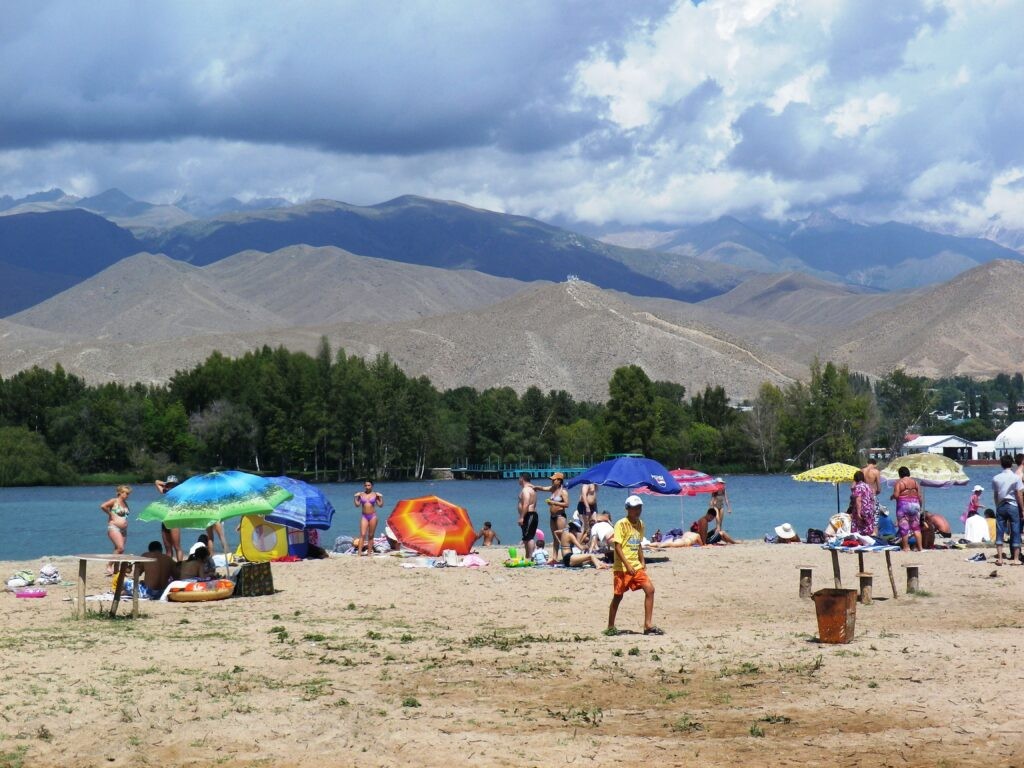
Tourism remains a vital sector of Kyrgyzstan’s economy, contributing significantly to regional development and employment. The Issyk-Kul region continues to serve as the country’s premier tourism hub, anchored by Lake Issyk-Kul, its most popular destination for both domestic and international visitors. According to data from the Ministry of Economy and Commerce and the 2GIS mapping service, tourism activity in the Issyk-Kul region has tripled over the past six years. By the end of August 2025, which marked the close of the summer resort season, the volume of tourist services along the lake’s shores had increased threefold compared to 2019. In 2019, the region hosted 627 hotels and guesthouses. By 2025, that number had grown to 1,833. The highest concentration of accommodations is found in Cholpon-Ata (377), the neighboring village of Bosteri (336), the regional capital Karakol (196), and Balykchy (27). Food service establishments have seen similar growth. The number of cafes and restaurants has nearly tripled from 360 in 2019 to 963 in 2025. Karakol leads with 170 establishments, followed by Cholpon-Ata (157), Bosteri (142), and Balykchy (84). Nationwide, Kyrgyzstan received over 3.7 million tourists in 2024, a 1.3-fold increase compared to 2023, according to the National Statistical Committee. Of these, 2.4 million were served by the organized tourism sector, including hotels and resorts, while 1.3 million stayed in the unorganized sector, such as guesthouses and private homes. The Issyk-Kul region accounted for a substantial share of this total. In 2024, approximately 714,000 visitors were accommodated in the organized sector, and over 1.2 million in the unorganized one. Tourism has become a key driver of small and medium-sized enterprises in the region, generating employment and enhancing the investment climate. In 2024, Kyrgyzstan’s tourism industry attracted more than $11 million in foreign direct investment, with Issyk-Kul playing a central role in that growth.

Yacht Fleet Launched on Lake Issyk-Kul to Boost Tourism and Sports

On August 26, Kyrgyzstan’s resort city of Cholpon-Ata inaugurated the first monotype yacht fleet on Lake Issyk-Kul, marking a new stage in the development of the region’s tourism infrastructure. The project was spearheaded by Evgeny Kotov, a Russia-born entrepreneur, international business trainer, and founder of the Practicum business school. At the opening ceremony, Kyrgyzstan’s Minister of Economy and Commerce Bakyt Sydykov highlighted the significance of the initiative, noting that tourism is defined as a strategic sector of the national economy under the National Development Program until 2030. According to Sydykov, the yacht fleet will help diversify Issyk-Kul’s tourism offerings by developing water sports and recreation, attracting visitors year-round, creating new jobs, and strengthening Kyrgyzstan’s international image and investment appeal. The new sailing infrastructure also opens opportunities for training athletes and hosting international competitions. Earlier this year, the ministry backed a proposal from the Sailing Federation of the Kyrgyz Republic to exempt sports equipment, including sailing yachts, from customs duties and to simplify procedures for the temporary import of vessels participating in competitions.

Kyrgyzstan Drafts Program to Preserve Lake Issyk-Kul

Kyrgyzstan’s Ministry of Natural Resources, Ecology, and Technical Supervision has released a draft Concept for the Sustainable Development of the Ecological and Economic System of Lake Issyk-Kul until 2030 for public discussion. The proposal addresses mounting environmental challenges that threaten the future of the lake, a vital component of the country’s climate system, biodiversity, and tourism industry. Located in northeastern Kyrgyzstan, Issyk-Kul is the nation's largest lake and one of its most important ecological assets and tourist destinations. The new Concept outlines a roadmap for sustainable management amid signs of accelerating environmental degradation. Falling Water Levels The lake’s water level has dropped by 2.75 meters between 1927 and 2003. To reverse this trend, the Concept recommends restoring hydrological monitoring infrastructure, including groundwater observation and river hydro-posts. It also proposes enforcing irrigation water accounting and transitioning local agriculture to water-saving technologies. Glacier Retreat and River Flow The 957 glaciers in the Issyk-Kul basin, spanning 560.8 km², are rapidly melting due to climate change. These glaciers feed roughly 120 rivers flowing into the lake, though only 80 reach it during the summer, largely due to irrigation withdrawals. To mitigate the loss, the government plans to introduce modern irrigation systems across 100,000 hectares of farmland, potentially redirecting up to 200 million cubic meters of water back into the lake annually. Wastewater and Sewerage Infrastructure Untreated wastewater from settlements and tourism infrastructure poses a serious threat to the lake’s ecosystem. The Concept includes measures to upgrade wastewater treatment, promote the reuse of treated water for irrigation, and expand sewerage systems. Over the past five years, 47 new treatment facilities have been built in the Issyk-Kul region. 2030 Environmental Goals The Concept sets several targets for the next five years: Reduce untreated wastewater discharge by 40% Expand specially protected natural areas to cover 20% of the region Implement ecotourism standards at all recreational facilities Introduce separate waste collection in all district centers Involve at least 80% of schoolchildren in environmental education programs “Issyk-Kul is a strategic resource for Kyrgyzstan. The Concept aims to ensure clean water, protect the shoreline, create safe recreation areas, and boost tourism and entrepreneurship,” said Meder Mashiev, Minister of Natural Resources, Ecology, and Technical Supervision.

Kyrgyzstan’s Issyk-Kul and China’s Qinghai Become Sister Lakes

Kyrgyzstan and China’s Qinghai Province have signed a memorandum of intent to establish “twin” or sister-lake relations between Lake Issyk-Kul and Qinghai Lake, the Kyrgyz Ministry of Natural Resources, Environment and Technical Supervision announced. The two lakes share many natural similarities. Issyk-Kul, Kyrgyzstan’s largest lake, measures 182 km in length and up to 60 km in width. Saline and surrounded by mountain ranges, it is the country’s leading tourist destination. Qinghai Lake, located in northwest China’s Qinghai province, is the country’s largest lake, renowned for its scenic beauty and diverse birdlife. It stretches 105 km in length and 63 km in width, covering over 4,500 square kilometers. Situated at 3,200 meters above sea level, it has an average depth of 21 meters, with cold, salty waters. Under the memorandum, Kyrgyz and Chinese representatives will organize mutual visits, seminars, scientific events, and other activities to foster cooperation and share expertise on lake management. The plan also includes developing an eco-tourism route called “Sister Lakes.” The initiative forms part of broader Kyrgyz-Chinese environmental and social cooperation under the Belt and Road Initiative. It also envisions joint use of natural resources, development of infrastructure projects, and coordinated monitoring of water quality and environmental conditions.