• KZT/USD = 0.00213
  • TJS/USD = 0.10820
  • UZS/USD = 0.00008
  • TMT/USD = 0.29760
  • KZT/USD = 0.00213
  • TJS/USD = 0.10820
  • UZS/USD = 0.00008
  • TMT/USD = 0.29760
  • KZT/USD = 0.00213
  • TJS/USD = 0.10820
  • UZS/USD = 0.00008
  • TMT/USD = 0.29760
  • KZT/USD = 0.00213
  • TJS/USD = 0.10820
  • UZS/USD = 0.00008
  • TMT/USD = 0.29760
  • KZT/USD = 0.00213
  • TJS/USD = 0.10820
  • UZS/USD = 0.00008
  • TMT/USD = 0.29760
  • KZT/USD = 0.00213
  • TJS/USD = 0.10820
  • UZS/USD = 0.00008
  • TMT/USD = 0.29760
  • KZT/USD = 0.00213
  • TJS/USD = 0.10820
  • UZS/USD = 0.00008
  • TMT/USD = 0.29760
  • KZT/USD = 0.00213
  • TJS/USD = 0.10820
  • UZS/USD = 0.00008
  • TMT/USD = 0.29760
05 August 2026

Viewing results 1 - 6 of 19

Kyrgyzstan’s New Investment Zone at Issyk-Kul Opens First Business Center

The Tamchy Special Financial Investment Territory (Tamchy SFIT), a newly established investment zone operating under its own legal framework, is opening its first business center on the shores of Lake Issyk-Kul. The zone also includes an independent international dispute-resolution center based on English common law. According to Kyrgyzstan’s Ministry of Economy and Commerce, the new facility will house the offices of the Tamchy zone’s management company, which is preparing to begin the territory’s operations. The company will be responsible for registering resident businesses and overseeing licensing, as well as managing infrastructure development within the zone. The 3,850-square-meter business center includes office and co-working spaces, multifunctional conference halls, and meeting rooms. A restaurant and café are also expected to open in the near future. Tamchy SFIT covers approximately 6,000 hectares along the northern shore of Lake Issyk-Kul. Companies registered in the zone will be able to operate under English common law, benefit from a zero-tax regime for 49 years, and freely repatriate 100% of their profits. By 2035, the authorities expect the investment territory to host more than 3,900 companies and create more than 10,000 jobs. The zone is intended to attract both domestic and foreign investment, improve Kyrgyzstan’s investment climate, and stimulate growth in key sectors, including manufacturing, tourism, wellness services, and transport infrastructure. “The Tamchy Special Financial Investment Territory has emerged at a time when international businesses are actively seeking new points of trust,” said Kyrgyz Justice Minister Ayaz Baetov, who chairs the territory’s Management Council. “The opening of this first business center marks the beginning of the territory’s operational life. We are building financial and logistical bridges between the markets of the CIS, Asia, the Middle East, Europe, and Africa, and today this bridge has its first address, where active preparations are already underway to welcome the first residents.” Ahead of the opening, the Management Council established the zone’s management company, approved its development strategy, and adopted the first package of regulatory documents governing operations within the territory. At the same time, the selection process is underway for the chairman and judges of the International Center for Dispute Resolution. The center will adjudicate investment-related disputes within the Tamchy zone under English common law, a legal system based on judicial precedent that is widely used in major global financial hubs such as London, Dubai, and Singapore. The dispute-resolution center is being established by Kyrgyzstan’s Ministry of Justice with support from the British Embassy in Bishkek. As previously reported by The Times of Central Asia, the initiative is part of Kyrgyzstan’s effort to create an English law-based legal framework designed to enhance investor confidence and align the country’s investment environment with international standards.

Kyrgyzstan Calls for Compensation Mechanisms to Maintain Regional Water Infrastructure

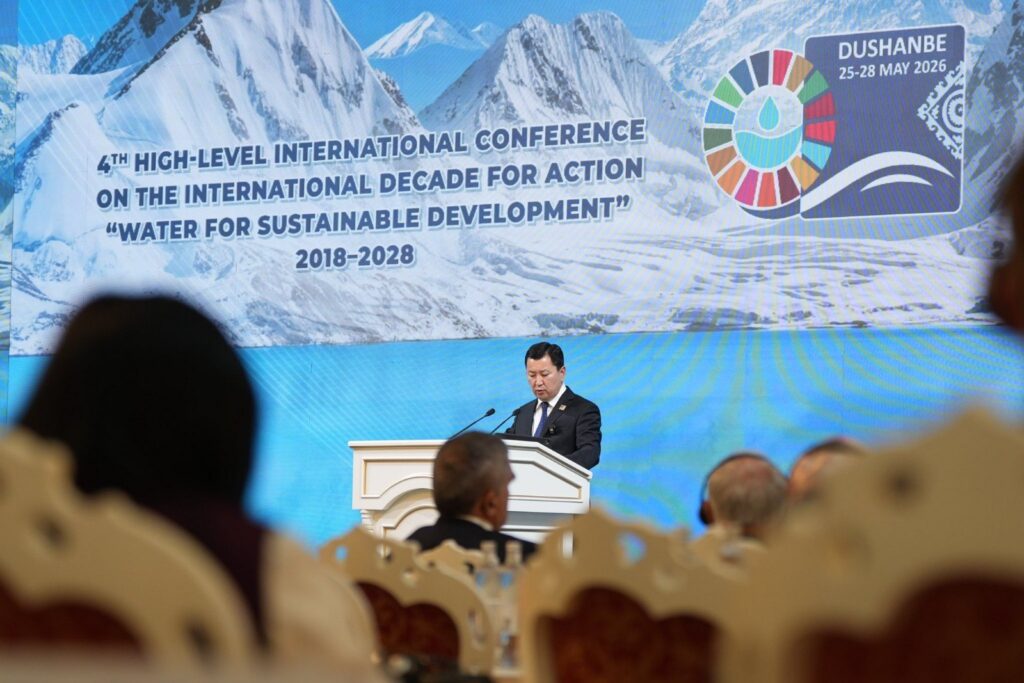
Kyrgyzstan is calling for compensation mechanisms with neighboring countries to help finance the maintenance of water infrastructure and glacier preservation. Officials warn that shrinking glaciers and declining precipitation already pose serious risks for Central Asia. The issue was raised by Erlist Akunbekov, Kyrgyzstan’s deputy chairman of the Cabinet of Ministers and minister of water resources, agriculture, and processing industry, during the opening of the Fourth High-Level International Conference on the International Decade for Action “Water for Sustainable Development,” 2018-2028, in Dushanbe on May 26. Akunbekov described the melting of glaciers as a regional challenge, not solely a national problem. “Without glaciers, there will be no water in the rivers, and without water in the rivers, there will be no life in the valleys,” he said. He presented Kyrgyzstan as a critical upstream supplier, saying it is the only country in Central Asia whose water resources are formed entirely within its own territory. On that basis, he called for mutually beneficial and equitable compensation mechanisms in the water and energy sectors. Kyrgyzstan uses only around 30% of its available water resources, while the majority is consumed downstream by neighboring countries, Akunbekov said. At the same time, the country bears substantial costs for maintaining reservoirs, hydraulic infrastructure, and glacier ecosystems that benefit the entire region. “However, we must frankly admit that today our country is not receiving adequate compensation for these efforts,” Akunbekov said. For decades, Kyrgyzstan has also incurred indirect economic losses because land has been used for reservoirs and infrastructure serving regional water needs, he said. “Maintaining hydraulic facilities and preserving glaciers in the mountains of Kyrgyzstan requires enormous expenditures,” he said. Akunbekov added that Kyrgyzstan allocated approximately $80 million to the water sector last year and around $259 million over the past five years. Despite those investments, the resources of a single country are insufficient to fully modernize the aging water infrastructure inherited from the Soviet era. “We need additional consolidated financing to build an effective and modern water management system for all countries in the region,” Akunbekov said, adding that the time has come to introduce compensation mechanisms that would allow upstream countries to maintain water infrastructure for the benefit of all Central Asia. Kyrgyzstan remains one of the principal sources of irrigation water for downstream Kazakhstan and Uzbekistan. Akunbekov also drew attention to environmental risks facing Lake Issyk-Kul, one of Kyrgyzstan’s most important natural landmarks and a a biosphere territory of regional significance. He noted that over the past decade, the number of rivers flowing into the lake has declined from 100 to 30. As previously reported by The Times of Central Asia, Kyrgyzstan has also proposed that international donors and development partners jointly develop and implement a comprehensive program to preserve Lake Issyk-Kul and address climate-related risks affecting the wider region.

Kazakhstan Ratifies Agreement to Modernize Four Resort Facilities on Issyk-Kul

Kazakh investors are set to modernize four resort facilities on Lake Issyk-Kul in Kyrgyzstan after the Senate ratified an intergovernmental agreement regulating property rights and project implementation, Senator Nuria Niyazova has said. On February 12, the upper house of Parliament approved the agreement between the governments of Kazakhstan and Kyrgyzstan on the settlement of Kazakhstan’s property rights to resort and recreational facilities in the Issyk-Kul region. The document had previously been endorsed by the Mazhilis. Under its terms, Kazakhstan undertakes to upgrade the facilities to the standards of three- and four-star hotels operating year-round by the end of 2029. Kyrgyzstan will lease land plots totaling 58.8 hectares to Kazakhstan for 49 years. The Kyrgyz side has guaranteed the inviolability of the facilities and committed not to initiate their seizure for state ownership. The largest project involves the reconstruction of the Kazakhstan sanatorium, overseen by the Presidential Administration of Kazakhstan. The facility is scheduled for commissioning in the fourth quarter of 2026. Plans include preserving the historic building known as Dacha No. 1 of Dinmukhamed Kunaev, who led the Kazakh SSR until 1986, as a house-museum. The Samal resort renovation is being carried out under a joint activity agreement between Satbayev University and a private investor. Initial data are being collected to prepare design and cost documentation, with construction scheduled to begin in the fourth quarter of 2026. Al-Farabi Kazakh National University is drafting technical specifications for the reconstruction of its sports and recreation camp. Once calculations are finalized, the project’s budget and projected payback period will be determined. According to the senator, alternative funding sources, including extrabudgetary funds, are being considered. The fourth facility, the Olymp Sports and Health Center, is being prepared by the Ministry of Tourism and Sports of Kazakhstan, which is developing design documentation and investment agreement parameters for the project. Following approval by both chambers of Parliament, the agreement will be submitted to President Kassym-Jomart Tokayev for signature. As previously reported by The Times of Central Asia, Kazakhstan and Kyrgyzstan have established a joint working group to explore a shorter road route from Almaty to Issyk-Kul, a project that could significantly reduce travel time between the two destinations.

Kyrgyzstan Draws International Attention to Climate Risks for Lake Issyk-Kul

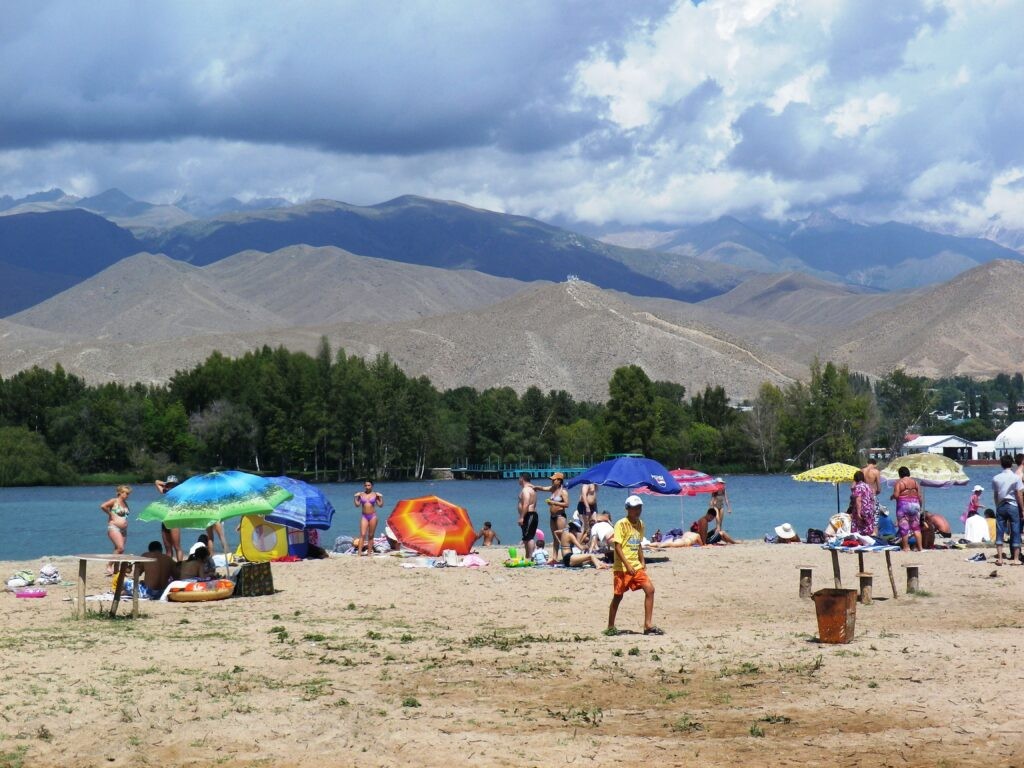
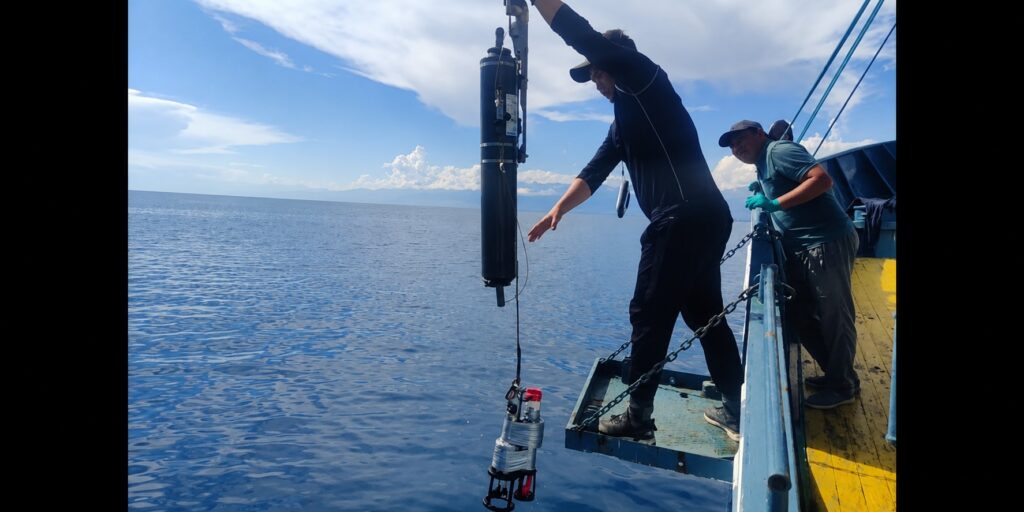
Speaking at the World Governments Summit in Dubai on February 4, Bakyt Torobaev, Kyrgyzstan’s Deputy Chairman of the Cabinet of Ministers and Minister of Water Resources, Agriculture, and Processing Industry, highlighted the growing threat climate change poses to Lake Issyk-Kul, the country’s largest lake, a unique ecological reserve, and one of Central Asia’s leading tourist destinations. Torobaev described Issyk-Kul as a unique ecosystem of regional significance and a vital socioeconomic and environmental resource for Kyrgyzstan. However, in recent decades, the lake has experienced serious climate-related pressures, according to the Ministry of Water Resources. Since the mid-19th century, the lake’s water level has dropped by nearly 14 meters, while its total volume has decreased by approximately 85 billion cubic meters. The number of rivers flowing into the lake has also significantly declined, largely due to melting glaciers and increased agricultural water use. Torobaev warned that further declines in Issyk-Kul’s water level could lead to severe environmental and socioeconomic consequences, including threats to biodiversity, the lake’s tourism potential, and the well-being of the local population. Kyrgyzstan, he said, sees the preservation of Issyk-Kul as part of the broader global climate and water agenda, calling for a shift from short-term measures to long-term, science-based, and investment-driven solutions. He urged the international community to strengthen partnerships in sustainable water resource management, integrate climate, water, and ecosystem approaches, and support joint initiatives aimed at preserving ecologically significant natural sites. In December 2025, Kyrgyzstan’s Cabinet of Ministers approved the Concept for the Sustainable Development of the Ecological and Economic System of Lake Issyk-Kul until 2030, along with a corresponding Action Plan. The initiative aims to safeguard the lake and its surrounding biosphere from mounting environmental and human pressures while enhancing long-term economic resilience in the region. Torobaev also addressed the broader issue of water scarcity, which is becoming an increasingly critical factor for regional stability, food security, and sustainable development in the context of climate change. As a mountainous country that serves as a key source of Central Asia’s rivers, Kyrgyzstan bears particular responsibility for the sustainability of the region’s water ecosystems, he said, and consistently advances the water agenda at international forums. Also on February 4, Torobaev participated in a Global Councils on SDGs meeting at the summit, where he proposed greater global attention to the challenges facing mountain regions. He said that mountain ecosystems are among the most vulnerable to climate change. Melting glaciers, shifting precipitation patterns, and more frequent extreme weather events pose long-term risks to water resources, agriculture, and energy security in Central Asia and beyond. Kyrgyzstan, he said, advocates for recognizing mountain regions as special zones for sustainable development and ensuring their prioritized access to climate finance, adaptation technologies, and environmental monitoring systems. According to Torobaev, the sustainability of mountain regions is directly linked to the water and food security of millions of people, underscoring the need for systemic and coordinated international responses.

Kyrgyzstan to Launch Unified Digital Tourism Platform to Attract Foreign Visitors

Kyrgyzstan is preparing to launch a unified Digital Tourism Platform designed to simplify travel procedures and strengthen the country’s appeal to foreign tourists. At a government meeting on January 26, Chairman of the Cabinet of Ministers Adylbek Kasymaliev pointed to long-standing structural challenges in the tourism sector, including fragmented services for visas, logistics, and insurance, as well as the absence of a centralized coordination mechanism. “Tourists should not face bureaucracy and language barriers at every stage. A single-window platform must integrate government services, private-sector offerings, and payment instruments from entry to exit,” Kasymaliev stated. He directed the Department of Tourism, the Ministry of Digital Development, and the Ministry of Finance, in coordination with the Tunduk State Portal of Electronic Services, to secure funding and oversee the platform’s technical implementation. Tourism’s economic contribution is steadily increasing. In 2025, the sector accounted for 4.3% of Kyrgyzstan’s GDP, with nearly 10 million tourist arrivals, according to Adilet Januzakov, Director of the Tourism Support and Development Fund, speaking on Sputnik Radio. Januzakov noted a shift in government policy from maximizing tourist numbers to improving infrastructure and service standards. The aim is to create comfortable conditions for a wide range of travel experiences, from ecotourism and camping to premium hospitality. Key initiatives include the construction of an Olympic village on Lake Issyk-Kul, the development of ski resorts and amusement parks, and the continued digitalization of tourist routes, such as integrating eco-trails into the 2GIS navigation system. Authorities also plan to implement a national classification system for hotels and guesthouses, designed to increase market transparency and provide consistent service quality for visitors. According to the National Statistical Committee, revenue from foreign tourists exceeded $813 million between January and September 2025, making tourism one of Kyrgyzstan’s key non-resource sectors.

Kazakhstan and Kyrgyzstan Plan Shorter Route from Almaty to Lake Issyk-Kul

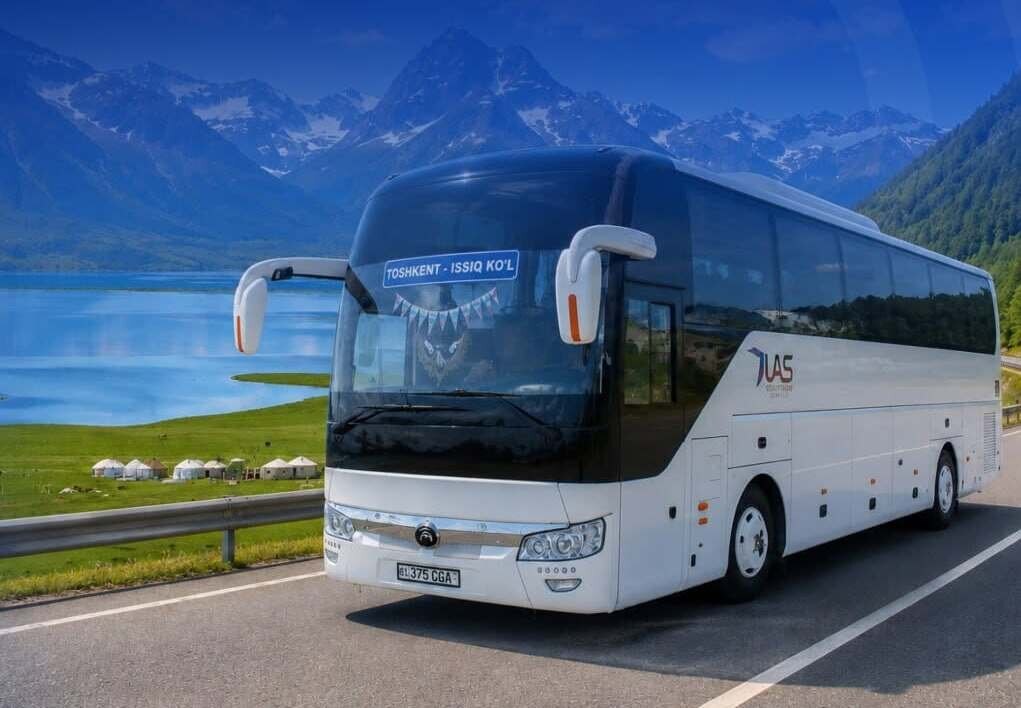
Kazakhstan has formed a working group to develop a shorter road route from Almaty to Lake Issyk-Kul in Kyrgyzstan, which could reduce travel time by nearly half. The initiative, reported by Kazakh media, aims to improve regional connectivity and enhance tourism flows between the two countries. According to Kazakhstan's Ministry of Transport, the proposed route will serve as an alternative to the current 460-kilometer drive through Korday and Bishkek. The new road is expected to be approximately 277 kilometers long, with a travel time of about three hours. Preliminary estimates indicate the road will traverse roughly equal distances in both countries: 127 kilometers in Kazakhstan and 150 kilometers in Kyrgyzstan. Much of the required infrastructure is already in place. Kazakhstan will need to repair about 80 kilometers of road, while Kyrgyzstan is expected to reconstruct just six kilometers. The project was initiated by the Asian Development Bank (ADB), which has committed grant funding for the development of a feasibility study. An agreement to that effect was signed in December 2024. In spring 2025, Kazakhstan and Kyrgyzstan established a joint working group to develop infrastructure for the Almaty-Bishkek and Almaty-Issyk-Kul economic corridors. That summer, both countries also began upgrading border crossing facilities. The current phase of the project involves preparing the feasibility study. The study, led by the Kazakh authorities in collaboration with the Eurasian Development Bank, is expected to be completed by September 2026. It will determine the road’s exact route, classification, projected traffic volume, financial model, and potential toll structure. Early indications suggest the road may operate as a toll road. Once approved by both governments, the feasibility study will serve as the basis for a final construction decision. Project financing is expected to follow a public-private partnership model, including the formation of a joint venture between Kazakhstan and Kyrgyzstan. The idea of creating a direct route to Issyk-Kul for Kazakh tourists has been under discussion for decades. Since Kyrgyzstan’s independence, successive presidents have expressed support for the project, but political disagreements have repeatedly stalled progress. Similar political issues prevented the reopening of a once-popular hiking trail from Almaty to Issyk-Kul. During the Soviet era, tourists could walk from Kol-Sai to Issyk-Kul via the Kyrgyz village of Tyup, roughly a 30-kilometer journey. The trail remained active until the 2000s, when it was closed due to bilateral tensions. A final attempt to revive cross-border tourism occurred in August 2022, when a delegation of politicians, journalists, and tourism experts retraced the route. While the two governments agreed on border and passport control protocols, the initiative was soon suspended again. Experts suggest that, with sustained political will, both the highway project and the restoration of the historic hiking route could be implemented in the future.