
• KGS/USD = 0.01144 0%
  • KZT/USD = 0.00205 0%
  • TJS/USD = 0.10685 -0.37%
  • UZS/USD = 0.00008 0%
  • TMT/USD = 0.28490 0%
  • KGS/USD = 0.01144 0%
  • KZT/USD = 0.00205 0%
  • TJS/USD = 0.10685 -0.37%
  • UZS/USD = 0.00008 0%
  • TMT/USD = 0.28490 0%
  • KGS/USD = 0.01144 0%
  • KZT/USD = 0.00205 0%
  • TJS/USD = 0.10685 -0.37%
  • UZS/USD = 0.00008 0%
  • TMT/USD = 0.28490 0%
  • KGS/USD = 0.01144 0%
  • KZT/USD = 0.00205 0%
  • TJS/USD = 0.10685 -0.37%
  • UZS/USD = 0.00008 0%
  • TMT/USD = 0.28490 0%
  • KGS/USD = 0.01144 0%
  • KZT/USD = 0.00205 0%
  • TJS/USD = 0.10685 -0.37%
  • UZS/USD = 0.00008 0%
  • TMT/USD = 0.28490 0%
  • KGS/USD = 0.01144 0%
  • KZT/USD = 0.00205 0%
  • TJS/USD = 0.10685 -0.37%
  • UZS/USD = 0.00008 0%
  • TMT/USD = 0.28490 0%
  • KGS/USD = 0.01144 0%
  • KZT/USD = 0.00205 0%
  • TJS/USD = 0.10685 -0.37%
  • UZS/USD = 0.00008 0%
  • TMT/USD = 0.28490 0%
  • KGS/USD = 0.01144 0%
  • KZT/USD = 0.00205 0%
  • TJS/USD = 0.10685 -0.37%
  • UZS/USD = 0.00008 0%
  • TMT/USD = 0.28490 0%

Viewing results 1 - 6 of 5

Kazakhstan Receives Foot-and-Mouth Disease-Free Status

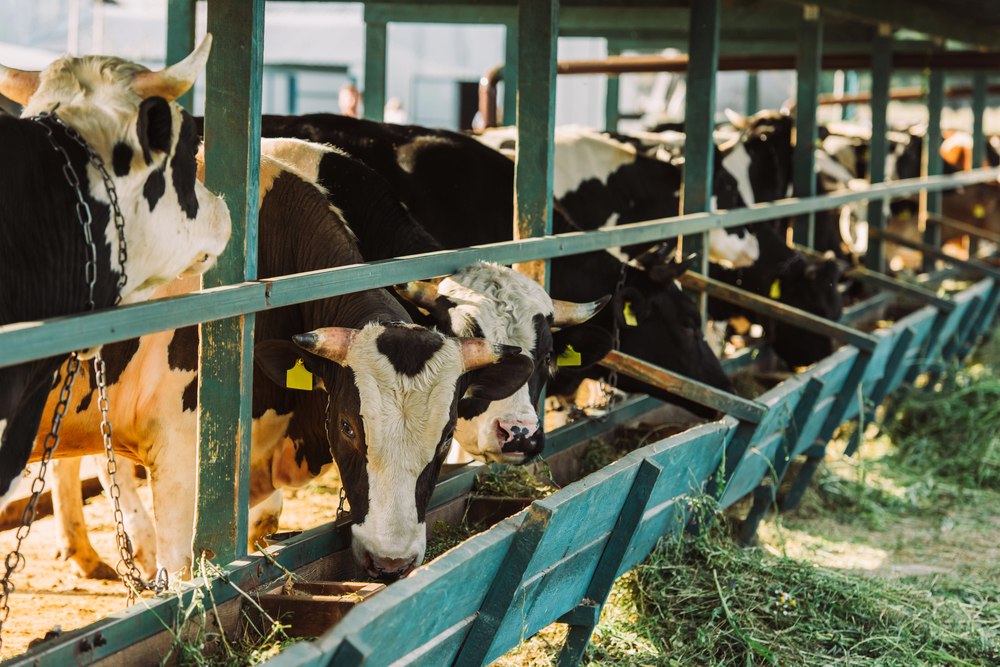
Kazakhstan has received international recognition from the World Organisation for Animal Health (WOAH) as having foot-and-mouth disease-free zones covering its entire territory, making it the only country in Central and East Asia with this status, according to Kazakhstan’s Ministry of Agriculture. The decision was adopted during the WOAH’s 93rd General Session in Paris. The certificate was presented to Kazakhstan's delegation on May 22. The status, granted to zones recognized as free from foot-and-mouth disease with vaccination, is considered one of the most important international veterinary certifications and can provide access to more profitable export markets for livestock products. Kazakhstan’s Ministry of Agriculture said the recognition was the result of a large-scale modernization of the country’s veterinary system and the restoration of international sanitary status for a number of animal diseases. Kazakhstan also annually confirms its official disease-free status for African horse sickness and classical swine fever, while maintaining WOAH self-declarations for highly pathogenic avian influenza and African swine fever. “Today, the entire territory of the country is covered by internationally recognized zones free from foot-and-mouth disease with vaccination, which is an important result of the state’s systematic work,” Agriculture Minister Aidarbek Saparov said. The new status is already contributing to the expansion of export markets for agricultural products from Kazakhstan, the ministry said. According to the Agriculture Ministry, China has opened its market to imports of slaughter cattle, beef hides, and poultry meat from Kazakhstan. Azerbaijan has authorized imports of camels, beef and lamb products, dairy goods, honey, and fish. Mongolia has opened its market to live small livestock, while Iraq has approved imports of cattle and sheep for slaughter. In addition, Georgia has authorized imports of cattle from Kazakhstan and small livestock, Iran has opened its market to hides and wool from hoofed animals, and the European Union has approved imports of honey from Kazakhstan. WOAH Director General Emmanuelle Soubeyran, during a meeting with Saparov, said Kazakhstan demonstrates a “consistent and systematic approach” to developing its veterinary services and implementing international standards. She also proposed that Astana share its experience in veterinary system modernization with other WOAH member states. The recognition comes amid growing agricultural exports from Kazakhstan. The Times of Central Asia previously reported that the country significantly increased exports of meat and livestock products in 2025.

Kyrgyzstan Introduces Meat Price Regulation Amid Export Surge

In response to rising domestic meat prices and increasing livestock exports, Kyrgyzstan has introduced state regulation of meat pricing. The directive was issued by Bakyt Torobaev, Minister of Water Resources, Agriculture, and Processing Industry. According to the minister, the state will now monitor meat prices, track livestock movements, and impose restrictions on meat exports to neighboring countries. Torobaev also instructed the Antimonopoly Regulation Service (ARS) to maintain continuous oversight of price trends and conduct market analysis across the country. Ministry specialists are expected to carry out inspections and engage with vendors to prevent unjustified price hikes. The Ministry of Agriculture stated that all relevant departments have been mobilized to implement the directive. Veterinary, livestock, and pasture authorities have been tasked with strengthening sanitary oversight of livestock transportation. These efforts will be coordinated with the Border Service to combat smuggling. Unregulated livestock exports, particularly of native Kyrgyz sheep breeds, have long been a concern for authorities. Strong demand from neighboring countries has created domestic supply shortages, contributing to annual price increases of approximately 10%. Uzbekistan remains the primary destination for Kyrgyz meat and livestock exports. In addition to meat products, Uzbekistan imports live sheep for breeding purposes. According to the National Statistical Committee, Kyrgyzstan exported 233,000 live goats and sheep valued at $23.5 million and 130,000 head of cattle worth $24.5 million to Uzbekistan in 2024. Some of this livestock is subsequently transported from Uzbekistan to Tajikistan. The new price regulation measures are part of broader government efforts to ensure national food security and stabilize prices in the domestic market.

Turkey Lifts Restrictions on Import of Livestock and Poultry Products from Kazakhstan

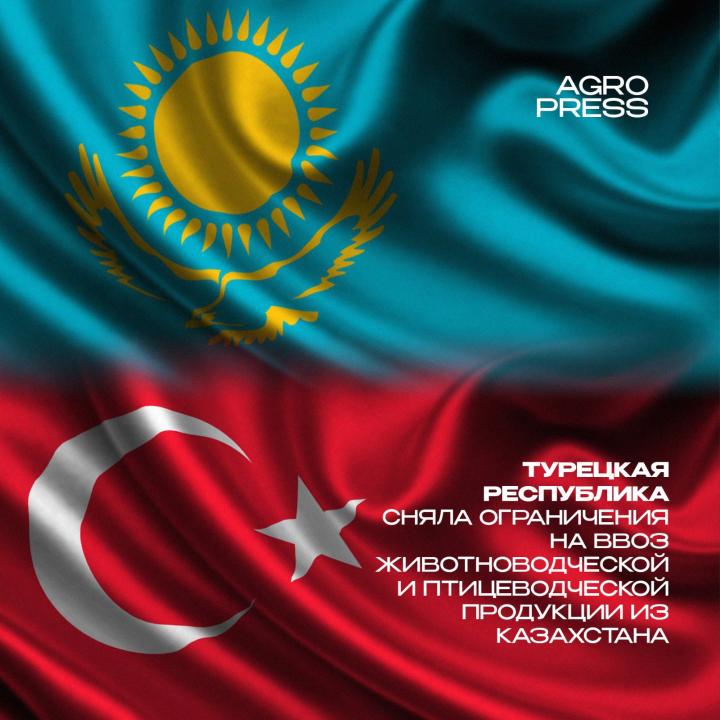
Kazakhstan’s Ministry of Agriculture has announced that from June 7, 2024, restrictions on the supply of Kazakh livestock and poultry products to the Turkish market have been lifted. The restrictions were originally made to prevent the spread of avian influenza, in 2005, foot-and-mouth disease, in 2016, and lumpy skin disease, in 2022. In March 2024, the Minister of Agriculture of Kazakhstan, Aidarbek Saparov, raised the issue of export barriers during the meeting of ministers of agriculture of the Organization of Turkic States in Taraz, Kazakhstan. At the time, Saparov explained that Kazakhstan was ready to supply high-quality meat products to Turkey as well as Turkmenistan and Hungary, but complained that the Turkish market was all but closed to Kazakh meat exporters due to veterinary concerns. Pleading his case, he continued, “This year, similar restrictions on Kazakhstan have been lifted by China and Russia. So, we believe it is now possible to revisit this issue with the Turkish side.” With the restrictions now lifted, the next step towards exporting Kazakhstan’s livestock products will involve the coordination of veterinary requirements with Turkish authorities. The issue will be addressed during Minister Saparov’s next visit to Turkey in August.
