• KGS/USD = 0.01144 0%
  • KZT/USD = 0.00200 0%
  • TJS/USD = 0.10494 -0.28%
  • UZS/USD = 0.00008 0%
  • TMT/USD = 0.28490 -0.28%
  • KGS/USD = 0.01144 0%
  • KZT/USD = 0.00200 0%
  • TJS/USD = 0.10494 -0.28%
  • UZS/USD = 0.00008 0%
  • TMT/USD = 0.28490 -0.28%
  • KGS/USD = 0.01144 0%
  • KZT/USD = 0.00200 0%
  • TJS/USD = 0.10494 -0.28%
  • UZS/USD = 0.00008 0%
  • TMT/USD = 0.28490 -0.28%
  • KGS/USD = 0.01144 0%
  • KZT/USD = 0.00200 0%
  • TJS/USD = 0.10494 -0.28%
  • UZS/USD = 0.00008 0%
  • TMT/USD = 0.28490 -0.28%
  • KGS/USD = 0.01144 0%
  • KZT/USD = 0.00200 0%
  • TJS/USD = 0.10494 -0.28%
  • UZS/USD = 0.00008 0%
  • TMT/USD = 0.28490 -0.28%
  • KGS/USD = 0.01144 0%
  • KZT/USD = 0.00200 0%
  • TJS/USD = 0.10494 -0.28%
  • UZS/USD = 0.00008 0%
  • TMT/USD = 0.28490 -0.28%
  • KGS/USD = 0.01144 0%
  • KZT/USD = 0.00200 0%
  • TJS/USD = 0.10494 -0.28%
  • UZS/USD = 0.00008 0%
  • TMT/USD = 0.28490 -0.28%
  • KGS/USD = 0.01144 0%
  • KZT/USD = 0.00200 0%
  • TJS/USD = 0.10494 -0.28%
  • UZS/USD = 0.00008 0%
  • TMT/USD = 0.28490 -0.28%

Viewing results 1 - 6 of 10

Kazakhstan Debates Parliamentary Reform as Inflation Pressures Living Standards

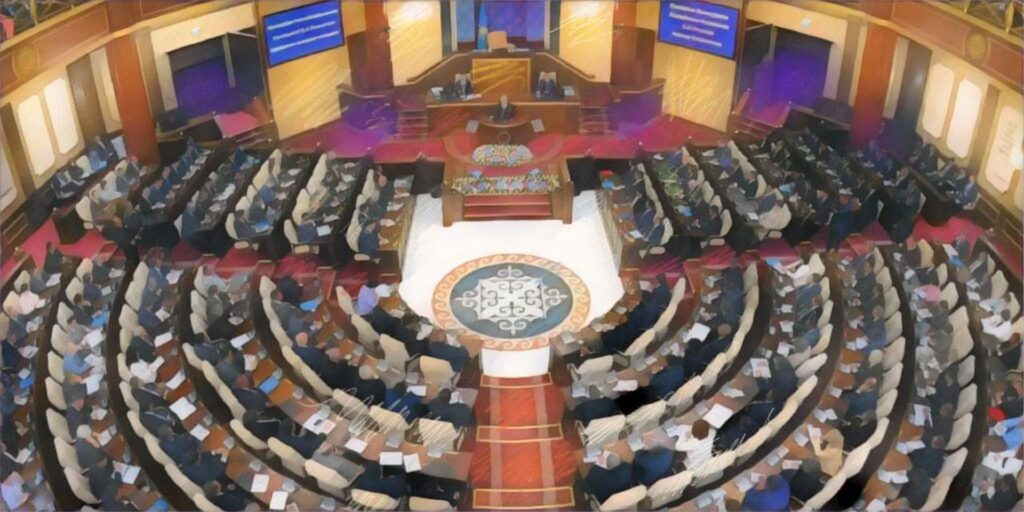
The Kazakh government is actively developing the framework for a future unicameral parliament, working to define its status, powers, and functions. Currently, Kazakhstan’s legislative branch consists of two chambers: the Senate and the Mazhilis.  The proposed transition to a unicameral system has been positioned by authorities as a step toward democratization. However, many citizens remain unclear about the details and implications of the reform, particularly as inflation and declining living standards dominate public concern. Uncertain Details of Reform In September 2025, President Kassym-Jomart Tokayev proposed holding a nationwide referendum on transitioning to a unicameral parliament in 2027. While some analysts have speculated about a faster timeline, no official acceleration beyond 2027 has been announced. "The establishment of a parliamentary republic is not under consideration. The foundational model of a 'Strong President, Influential Parliament, Accountable Government' remains unchanged," Tokayev previously stated. According to political analyst Gaziz Abishev, pivotal developments are expected on January 20, when the National Kurultai (Assembly) convenes. He believes this meeting will outline the contours of constitutional reform and potentially signal a date for the referendum. “If the decree on holding a referendum is signed during the Kurultai, the vote could be held on March 22 [2026],” Abishev stated. Under the current system, the Senate represents regions and appointive quotas, reviewing legislation passed by the Mazhilis and serving as a constitutional buffer. Any move to unicameralism would require redefining how regional interests are represented and how legislative oversight is maintained without an upper chamber. The National Kurultai serves as a platform for dialogue between the government and society, addressing national identity, economic development, social justice, and improving the quality of life. Historically, the Kurultai was a gathering of Turkic and Mongol tribes. Over 500 Public Proposals Submitted Public discussion around the proposed unicameral parliament has been active. Since the launch of a dedicated “Parliamentary Reform” section on the state portals e-Otinish and Egov, over 500 proposals have been submitted by citizens, experts, and public organizations. Despite this engagement, tangible benefits for ordinary citizens remain vague, aside from a potential reduction in government spending. Globally, more than half of national parliaments operate as unicameral systems. According to IPU Parline, 107 out of 188 legislatures follow this model, primarily in unitary states with smaller populations. Unicameral systems are often praised for faster legislative processes, lower administrative costs, and increased transparency. Kazakhstan previously had a unicameral legislature under the 1993 Constitution. Following the invalidation of the 1994 elections, the Supreme Council was dissolved. In 1995, the country transitioned to its current bicameral system. The Senate, as the upper house, plays a stabilizing and arbitration role. Analysts caution that without a second chamber, legislative processes may be vulnerable to hasty or populist decisions. Potential for Early Elections Abishev suggests that a referendum in March 2026 could prompt an early electoral cycle. "Under the current schedule, the next Mazhilis elections are set for January 2028. However, they could be moved up to summer 2026 if Parliament adopts a constitutional amendment package in April...
Most Kazakhstani Citizens Fear Decline in Living Standards Due to Tax Reform

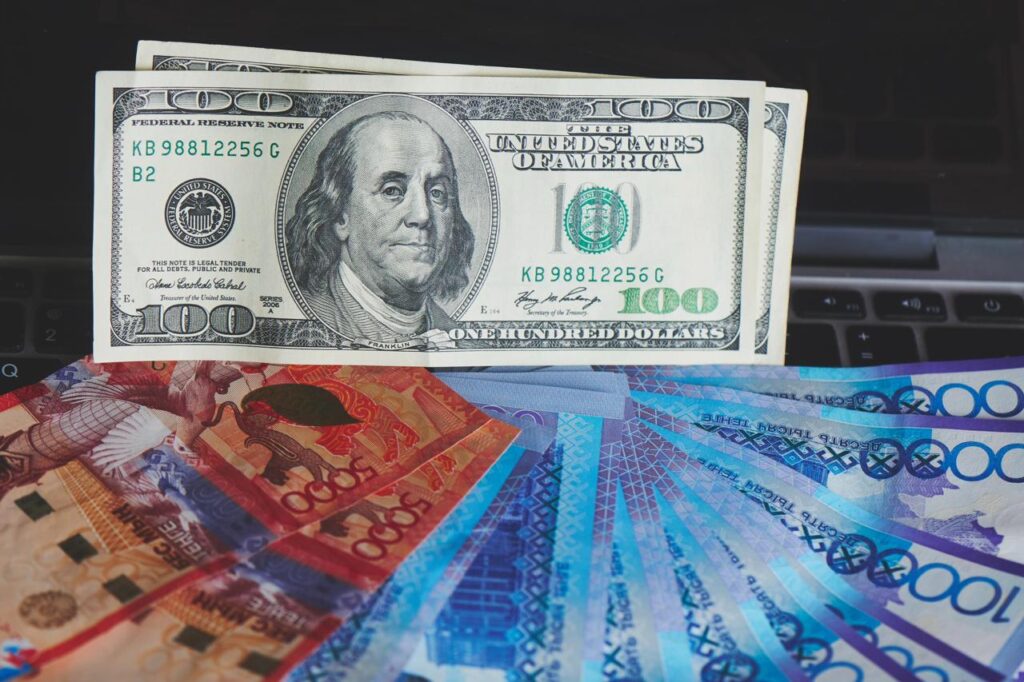
A majority of Kazakhstanis expect a planned increase in value-added tax (VAT) to negatively impact their standard of living, triggering higher prices, rising unemployment, and increased pressure on businesses, according to a survey conducted by the DEMOSCOPE public opinion monitoring agency. The results show that 61.4% of respondents believe the VAT hike from 12% to 16% beginning January 1, 2026, will reduce their quality of life. Of those, 32.4% anticipate a significant decline, while 29% expect a slight deterioration. Meanwhile, 20.6% believe the change will have no impact, and just 9% believe it will improve their living standards. Government officials have framed the VAT increase as necessary to boost budget revenues, stabilize the economy, and finance social spending. However, respondents overwhelmingly believe the reform will primarily benefit the state (63.8%) and wealthy citizens (27.9%). In contrast, only 10.2% think businesses will benefit, while 3.3% expect gains for the middle class and just 2% for low-income citizens. Additionally, 19.2% said no one would benefit, and 2.4% believe everyone will benefit. Respondents also identified several expected negative outcomes. A majority, 65.5%, expect a rise in prices for goods and services. Another 27.3% predict a reduction in the number of small and medium-sized enterprises, 26.5% foresee rising unemployment, and 19.6% anticipate growth in the shadow economy and tax evasion. Among entrepreneurs, 70.5% view the reform negatively. The VAT hike is seen as particularly detrimental to small and medium-sized businesses: 63.6% believe it will harm the sector, 14.8% foresee no impact, and only 10.3% predict a positive outcome. Overall, 52.8% of respondents expressed a negative view of the reform, while 33.4% were neutral and just 7.8% were positive. Nevertheless, some respondents did see potential benefits: 18.2% believe the reform will increase tax revenues, and 9.4% think it will improve living standards. A further 12.6% said they expect no significant changes. The findings suggest that many Kazakhstani citizens view the tax reform as a policy that favors the government and affluent elites, while placing disproportionate pressure on businesses and vulnerable population groups. As previously reported by The Times of Central Asia, in early October, Finance Minister Mady Takiev stated that authorities had identified suspected underreporting of taxable income by more than 260,000 businesses across the country.

Inflation in Kazakhstan “Eating Away” at Incomes: Authorities Struggle for Answers

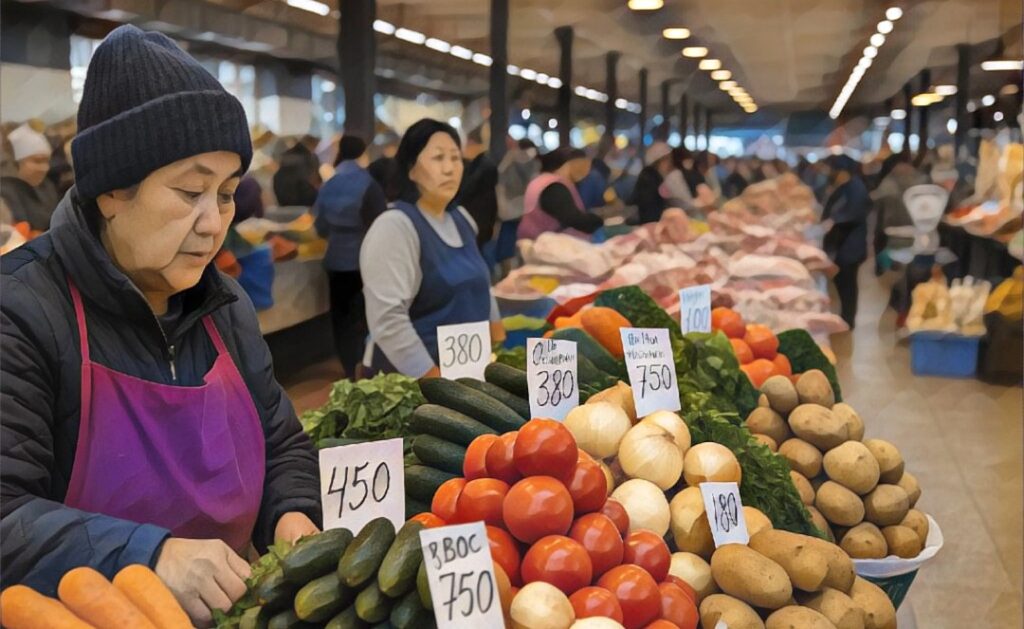
Inflation in Kazakhstan is continuing to erode household incomes, driven by the country’s dependence on imports, rising utility tariffs, and increasing tax burdens. While living costs soar, wages remain sluggish, forcing many families to allocate most of their earnings to essentials such as food, medicine, and utilities. Rising Prices, Stagnant Wages As of August, annual inflation had reached 12.2%, and experts warn it could climb even higher by year’s end. The National Bank’s original 2025 inflation target of 5% has proven to be overly optimistic. “This is a negative, sad trend. It shows that not enough measures have been taken. That it was necessary to tighten monetary policy earlier. It was necessary to contain inflation risks,” said Ramazan Dosov, chief analyst at the Association of Financiers of Kazakhstan. The National Bank’s base rate, its primary instrument for controlling inflation, currently stands at 16.5%. Financier Rasul Rysmambetov notes that the rate is unlikely to be lowered in the near future. However, high interest rates also reduce access to loans for businesses, curbing investment. Despite frequent government statements about inflation-control measures, experts argue that artificial price regulation offers only temporary relief. In his September 8 address to the nation, President Kassym-Jomart Tokayev acknowledged the severity of the issue, stating, “Today, the main problem is high inflation, which is eating away at economic indicators and household incomes. There is no ready-made solution to this problem.” Tokayev called for coordinated efforts across government agencies. At the beginning of 2025, Kazakhstan’s average monthly salary was reported at 424,200 KZT (about $800), reflecting a 24% increase over the previous year. However, this figure obscures wide regional disparities. In many areas, typical monthly salaries range between 180,000 and 230,000 KZT ($330-430). Per capita income reached 194,000 KZT ($362), up 17% from early 2023, but not enough to keep pace with inflation. According to kazkredit.kz, average families now spend up to 95% of their income on day-to-day expenses. In 2023, 52% of income went toward food; that figure has risen to more than 54% in 2025. Halyk Finance, cited by inbusiness.kz, reports that more than half of Kazakhstan’s workers earn below the national average. Salary data reveals stark income inequalities across sectors, with higher wages in mining, finance, and telecommunications, and significantly lower wages in agriculture, healthcare, and public administration. Analyst Arslan Aronov notes that although nominal wages increased by 11.3% in the second quarter of 2025 compared to the same period in 2024, real wage growth was effectively zero due to inflation. Public sentiment reflects the strain. Economists at KZTnomika reported a slight easing of inflation expectations in August 2025, but overall confidence in price stability remains low. Eighty-two percent of survey respondents reported rising food costs, with meat and dairy products leading the list. Among non-food items, medicines, clothing, and cleaning products were most frequently cited. For paid services, rising costs for housing, internet, mobile communication, and healthcare were prominent concerns. Background and Analysis Kazakhstan’s struggle with inflation is rooted in both external shocks and structural...

Urban Expansion in Astana: Strengths and Strains

July 6 marked Capital Day in Kazakhstan, a national holiday celebrating the country's capital. To mark the occasion, Energyprom.kz released an in-depth analysis of Astana’s socio-economic standing, painting a mixed picture of rapid growth and persistent strain. Competition with Almaty and Global Standing In the 2025 Global City Ranking by Oxford Economics, Astana ranks 276th out of 1,000 cities worldwide. Almaty ranks slightly higher at 258th. While Astana outperforms Almaty in terms of ecological conditions and economic momentum, it lags behind in human capital and quality of life. Both cities are considered national leaders, yet remain far behind the world's top urban centers. According to the National Statistics Bureau, Almaty contributes 21.8% of Kazakhstan’s GDP (29.2 trillion KZT or approximately 56.2 billion USD), while Astana accounts for 11.5% (15.5 trillion KZT or around 29.8 billion USD). In terms of GDP per capita, Astana ranks fourth in the country, behind Atyrau, Ulytau, and Almaty. Its economy is heavily concentrated in services, which make up nearly 80% of its gross regional product. A Magnet for Opportunity and Strain Astana continues to attract internal migrants, particularly from rural regions, largely due to its relatively high wages. The average monthly salary in the capital is 538,000 KZT (around 1,035 USD). Higher salaries are found in resource-rich regions such as Atyrau (633,300 KZT) and Mangistau (580,900 KZT). In Astana, the highest-earning sectors include finance and insurance (1.2 million KZT or 2,310 USD), mining (981,300 KZT or 1,890 USD), and IT (824,600 KZT or 1,587 USD). However, this economic pull has placed growing pressure on the city’s infrastructure. Astana faces ongoing issues related to water supply, sewage systems, disorganized construction, and environmental management. These problems have been highlighted by both President Kassym-Jomart Tokayev and the public. The High Cost of Living Astana leads the country in housing prices. In 2023, the average cost of a new apartment reached 595,500 KZT per square meter (approximately 1,146 USD). In the secondary market, the average price rose to 649,800 KZT (around 1,250 USD). A typical 50-square-meter two-bedroom apartment costs nearly 29.8 million KZT (about 57,370 USD). For a resident earning the city’s average wage, saving for such a home without loans would take 55 months, or over four and a half years. In comparison, it would take just 2.5 years in Atyrau. Rental prices are also high. The average monthly rent for a 50 square meter apartment in Astana was 248,000 KZT in 2023 (around 477 USD), consuming over 46% of the average monthly wage. Only Almaty and Shymkent have higher rent-to-income ratios at 54.4% and 60.3% respectively. Food costs place additional strain on household budgets. Food accounts for 52% of the average consumer budget in Astana, equivalent to 181,600 KZT (around 349 USD) per person per quarter. Prices for 14 of 19 socially significant food items, including chicken, milk, butter, and vegetables, exceed national averages. Food inflation in the capital remains among the highest in the country. A Capital at a Crossroads Astana remains the political and administrative...

Doctors, Teachers Among Lowest-Paid Trained Professions in Uzbekistan

The Bdex.ru website, which publishes open-source statistics on salaries in various countries and cities, has provided data on average salaries in the Central Asian republics. According to their reporting, citizens of Kazakhstan earn the most at $775 per month. Wages in Uzbekistan ($346) and Kyrgyzstan ($360) are almost identical, whilst workers in Tajikistan are paid significantly less at $193. As in many fields, there is no data available for Turkmenistan. According to the Uzbek Statistics Agency, average monthly wages rose 17.2% last year. The highest wages are still found in the capital at $600, and the lowest in the Namangan Oblast ($267). Last year, the highest salaries were for those who work in finance and insurance ($1,077), with the lowest salaries going to healthcare ($242) and education workers ($252). At the same time, real per capita income in Uzbekistan grew by only 2.4% in 2023 - the lowest figure in at least five years. In neighboring Tajikistan, the average monthly nominal wage in 2023 increased by 14.3% on the previous year according to the Minister of Labor, Employment and Migration of the Republic of Tajikistan, Gulnora Hasanzoda. Agricultural and forestry workers earn the least in the country at $74, whilst the highest salaries go to miners at $333, followed by energy workers ($332), and construction workers ($275). According to official statistics, there are about two million migrant workers from Central Asia currently in Russia. Low wages and unemployment are increasingly forcing citizens of Uzbekistan and Tajikistan to look for work abroad. As a rule, these are low-skilled, low-paid jobs that locals are reluctant to take. Due to the war in Ukraine and fear of being forced into the Russian military, migrants have recently started to look elsewhere. According to Staffing Industry Analysts (SIA), Uzbekistan was among the leaders in sending seasonal migrant workers to the U.K. in 2022. "We have seen a dramatic increase in the number of seasonal workers coming to the U.K. from Uzbekistan and Kyrgyzstan," the director of the Gangmasters and Labor Abuse Authority (GLAA), Darryl Dixon observed in the SIA report.

How Kazakhs Saw Their Personal and National Well-Being at the Start of 2024

In December 2023, I was asked quite frequently whether, in my view, protests like the ones that took place across Kazakhstan in January 2022 were again possible. Based on previous sociological data, I answered that they were most likely not: Throughout 2021 – largely due to the pandemic – social sentiment had worsened, reaching its lowest levels in our 20 years of collecting observations. At that time, almost all indicators of social well-being had declined, including satisfaction with life and the approval of government institutions, while expectations of protests about socio-economic and political issues had increased. Since January 2022, however, many indicators began to improve, and by December 2023, they had “normalized”, roughly reaching 2019 levels. This is clearly seen in the indicator regarding the respondent’s satisfaction with life (see Chart 1 below). Over 2004-2023, this indicator saw three incidences of significant deterioration, namely in 2004, in 2008-2009 when the financial crisis struck, and in 2021-2022. Thus, by end-2023, the dangerous convergence of satisfaction/dissatisfaction indicators seems to have passed as social sentiment stabilized. Chart 1: In general, are you satisfied or dissatisfied with your life? (2004-2023) In December 2023, the country's economic situation was also seen as having improved (see Chart 2 below). Some 24% percent of respondents said that the economy was in good shape (versus 7% in 2021); 57% saw things as average (vs. 41% in 2021), and only 13% called the economic situation “bad” (vs. 30% in 2021). Most respondents, therefore, saw the economy in 2023 in a neutral or positive light.   Chart 2: How would you assess the current economic situation in Kazakhstan? However, this does not mean that social sentiment has completely turned around and that it can be ignored. The challenging dynamics of “social optimism”, an important indicator, reflects the population’s subjective near-term outlook. Optimistic responses (i.e., “we will be better off”) rose in 2022 to 49% but decreased to 43% in 2023, representing the same level as during the crisis year of 2021 (see Chart 3 below).   Chart 3: Do you think that in a year you (your family) will be better or worse off than now? (2004-2023) What drives this decline in Kazakhs’ social optimism? The answer, I think, is low levels of income against a backdrop of rising prices for food and essential goods and services, as well as higher utility tariffs. According to the survey, 58% of the population only has enough money to buy food and clothing and to pay for utilities, with no money left for savings. Almost another fifth of respondents (18.2%) can be classified as “low-income”, meaning their income is barely enough to live on (see below Chart 4).   Chart 4: Assess your income versus consumption (%, December 2023) This is why the majority of the population, having carefully planned their small family budgets, painfully experiences unexpected changes to the status quo. Take health care, for example: Some 52.6% of respondents said that their health insurance payments were already too high and that...