• KGS/USD = 0.01144 0%
  • KZT/USD = 0.00207 0%
  • TJS/USD = 0.10463 0%
  • UZS/USD = 0.00008 0%
  • TMT/USD = 0.28490 0%
  • KGS/USD = 0.01144 0%
  • KZT/USD = 0.00207 0%
  • TJS/USD = 0.10463 0%
  • UZS/USD = 0.00008 0%
  • TMT/USD = 0.28490 0%
  • KGS/USD = 0.01144 0%
  • KZT/USD = 0.00207 0%
  • TJS/USD = 0.10463 0%
  • UZS/USD = 0.00008 0%
  • TMT/USD = 0.28490 0%
  • KGS/USD = 0.01144 0%
  • KZT/USD = 0.00207 0%
  • TJS/USD = 0.10463 0%
  • UZS/USD = 0.00008 0%
  • TMT/USD = 0.28490 0%
  • KGS/USD = 0.01144 0%
  • KZT/USD = 0.00207 0%
  • TJS/USD = 0.10463 0%
  • UZS/USD = 0.00008 0%
  • TMT/USD = 0.28490 0%
  • KGS/USD = 0.01144 0%
  • KZT/USD = 0.00207 0%
  • TJS/USD = 0.10463 0%
  • UZS/USD = 0.00008 0%
  • TMT/USD = 0.28490 0%
  • KGS/USD = 0.01144 0%
  • KZT/USD = 0.00207 0%
  • TJS/USD = 0.10463 0%
  • UZS/USD = 0.00008 0%
  • TMT/USD = 0.28490 0%
  • KGS/USD = 0.01144 0%
  • KZT/USD = 0.00207 0%
  • TJS/USD = 0.10463 0%
  • UZS/USD = 0.00008 0%
  • TMT/USD = 0.28490 0%

Viewing results 1 - 6 of 9

Kazakhstan Discusses Local Production of Nuclear Power Plant Equipment with South Korea

Kazakhstan has discussed the possibility of localizing production of equipment for nuclear power plants (NPPs) with South Korean partners during a working visit to the Republic of Korea by Almasadam Satkaliyev, chairman of Kazakhstan’s Agency for Atomic Energy. According to the agency’s press service, the Kazakh delegation held meetings with officials from South Korea’s Ministry of Climate, Energy and Environment, as well as executives from major Korean companies, including Korea Hydro & Nuclear Power (KHNP) and Doosan Enerbility. The talks focused on strengthening strategic cooperation in the peaceful use of nuclear energy, expanding technological partnerships, and developing industrial and investment collaboration. “Particular attention during the visit was given to cooperation with leading Korean companies that have extensive international experience in nuclear power plant construction and high-tech manufacturing,” the Kazakh agency said in a statement. “The sides discussed the development of industrial cooperation, including the possibility of localizing the production of equipment and individual components in Kazakhstan, as well as involving Kazakh enterprises in the technological and manufacturing chains of nuclear energy projects.” During discussions with South Korean government representatives, Kazakhstan presented its priorities for developing the national nuclear industry, including institutional reforms and the creation of a modern system of state regulation and management of the sector. The parties also exchanged views on nuclear and radiation safety standards and explored opportunities to share regulatory experience and best practices in managing nuclear energy programs. Another key topic was workforce development for the nuclear sector. Discussions covered potential cooperation in training specialists, expanding educational programs, and exchanging professional expertise necessary for the implementation of long-term nuclear energy projects. “The meetings confirmed mutual interest in further strengthening the partnership, expanding institutional dialogue, and deepening practical cooperation between Kazakhstan and the Republic of Korea in the development of the nuclear energy sector,” the agency said. As previously reported by The Times of Central Asia, Kazakhstan has already selected partners for the construction of three nuclear power plants. The first project will be led by Russia’s Rosatom, while the second and third plants are expected to be built by the China National Nuclear Corporation (CNNC). Earlier this year, the authorities also selected the site for the country’s second nuclear power plant in the Zhambyl District of the Almaty Region, close to the location chosen for the first plant near the village of Ulken on Lake Balkhash.

Uzbekistan Discusses Local Production of Hungarian Magnus Aircraft

Uzbekistan is continuing efforts to expand its aviation sector, as Deputy Minister of Transport Jasurbek Choriyev held talks with Laszlo Borosh, Chief Executive Officer of the Hungarian company Magnus Aircraft Zrt., on the potential production of the Magnus Fusion 212 aircraft in the country. According to the Ministry of Transport, the meeting focused on prospects for assembling and manufacturing the lightweight composite aircraft in Uzbekistan. The Magnus Fusion 212 is produced by the Hungary-based firm, which specializes in the design, production, and sale of innovative aircraft made from composite materials. Magnus Aircraft is headquartered in Pogány, Hungary, near Pécs-Pogány International Airport, where it operates a facility covering approximately 8,000 square meters. The company is active in several international markets, including the United States, China, Kenya, Nigeria, Serbia, and countries in the Middle East. Earlier this month, Brazilian aerospace manufacturer Embraer Defense & Security announced at the Singapore Airshow that Uzbekistan is the previously undisclosed buyer of its C-390 Millennium military transport aircraft. In a statement released on February 3, the company identified Uzbekistan as the first Central Asian country to acquire and operate the aircraft. Embraer stated that the Uzbek Air Force will use the C-390 primarily for transport and humanitarian missions, strengthening national airlift and emergency response capabilities. “We officially welcome the Republic of Uzbekistan to the group of C-390 operators,” said Bosco da Costa Junior, President and CEO of Embraer Defense & Security.

Kyrgyzstan Moves to Develop Local Lithium Battery Production

On September 26, the Kyrgyz Ministry of Economy and Commerce signed a memorandum of cooperation with Russian state atomic energy corporation Rosatom, Energy Solutions Kyrgyzstan LLC, and Elbrus Construction Company LLC to explore the development of lithium battery and energy storage system production in Kyrgyzstan. According to the ministry, the agreement outlines joint efforts to analyze the domestic lithium battery market, prepare proposals for localized production, and implement projects focused on energy storage solutions within the country. The initiative is expected to attract high-tech investment, generate new jobs, and contribute to Kyrgyzstan’s energy independence. It also supports the development of clean and sustainable energy technologies. The project is particularly relevant as the number of imported electric vehicles (EVs) in Kyrgyzstan continues to rise, alongside government plans to localize EV assembly. The initiative aligns with the country’s broader strategy to promote eco-friendly transport options and reduce air pollution, especially in urban areas such as Bishkek. In a related development, the Ministry of Economy and Commerce signed a memorandum of understanding in June with South Korean companies EVSIS, NGS, and the Korea Automobile Environment Association. That agreement focuses on expanding EV charging infrastructure in Bishkek. As The Times of Central Asia previously reported, South Korean stakeholders also plan to launch production of EV charging stations in Kyrgyzstan. The project aims to establish a local manufacturing facility and develop a nationwide charging network across major cities and regions.

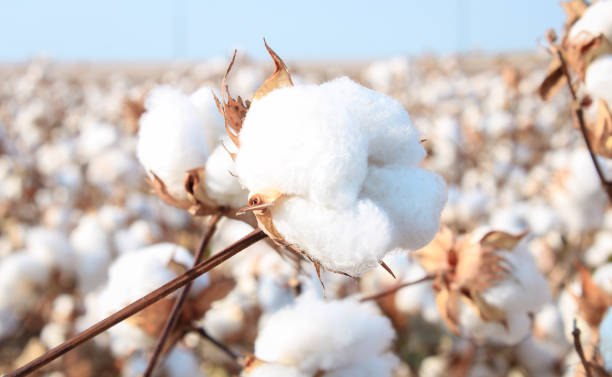
Cotton Deadlock: Why Tajikistan’s Farmers Are Working at a Loss

Tajikistan’s cotton farmers are facing a growing crisis: while global cotton prices remain high, local producers are forced to sell at rates below production cost, threatening the viability of an entire sector that once served as a strategic pillar of the national economy. Farmers say they are currently paid just 6-6.5 TJS ($0.66-0.72) per kilogram for raw cotton, while the cost of production stands at 7-8 TJS ($0.77-0.88). Many now warn that without government intervention, the cotton industry is unsustainable. Selling Below Cost “If we don’t sell for at least 10 TJS ($1.10) per kilogram, we will go bankrupt. The production cost is simply too high,” said a farmer from Khamadoni district. He estimates that it takes between 10,000 and 12,000 TJS ($1,100-1,320) to cultivate one hectare of cotton. Yet this season, even the most optimistic buyers offer well below that value. In Khamadoni, the crisis is compounded by non-operational cotton ginning factories. Farmers were instructed in the spring to plant cotton, but come harvest time, they discovered there was no local processing infrastructure in place. Many are now searching for buyers in other districts, where prices remain equally unprofitable. Despite official claims of "freedom of crop choice," farmers say that in practice they face unspoken pressure from local authorities. Refusing to grow cotton can complicate land lease renewals or access to loans. Intermediaries Reap the Profits On the international market, cotton prices hover around $1.50-1.60 per kilogram. But Tajik producers remain disconnected from global buyers. Instead, they rely on a procurement system that disproportionately benefits intermediaries. “Without subsidies and higher purchase prices, cotton farming will collapse. The current procurement system works in favor of intermediaries, not the farmers,” said economist Farrukh Saidov. Labor costs add to the burden. Pickers are paid just 1.5 TJS ($0.16) per kilogram while many can earn up to 200 TJS ($22) a day in construction. This pay disparity is driving workers away from agriculture. Uzbekistan Supports, Tajikistan Promises In neighboring Uzbekistan, cotton production has become more viable thanks to government subsidies of 2.1 TJS ($0.23) per kilogram. Tajikistan offers no such support, leaving local farmers to operate at a loss. On paper, however, the government has ambitious plans. The national strategy for the development of the cotton and textile industry through 2040 includes proposals for preferential loans, grants, tax breaks, and greater participation of farmers in setting factory prices. Plans also call for establishing a national cotton and textile association, retraining agricultural specialists, and bringing in foreign experts. But on the ground, farmers say these promises remain unfulfilled. Video appeals shared widely on social media reflect growing desperation among rural communities. “We are forced to sell cotton below cost. Without state support, this is a path to ruin,” one farmer said. Experts agree that systemic reforms are urgently needed. These would include introducing subsidies, creating direct access to export markets, and eliminating unofficial crop mandates. For now, cotton, once a key strategic industry, is fast becoming a symbol of Tajikistan’s broader agricultural dysfunction.

French Pharma Giant Sanofi to Localize Production in Kazakhstan

French pharmaceutical company Sanofi, one of the world’s largest drugmakers, will localize the production of medical products in Kazakhstan. The agreement was reached following negotiations in Paris between Kazakh health Ministry officials and Sanofi representatives. Sanofi ranked tenth globally by revenue in 2024, earning $44.46 billion, according to Fierce Pharma. “During the discussions, issues related to current joint projects with Kazakhstan in the field of pharmaceuticals, the supply and production of medicines, as well as the development and implementation of innovative medical technologies were touched upon,” the ministry said in a statement. Talks also addressed broader cooperation with the French Development Agency (AFD) and Expertise France, which have been active in Kazakhstan’s healthcare sector. AFD, which opened a representative office in Astana in April, has already provided a €945,000 grant to improve medical infrastructure planning and management. Together with its subsidiary Proparco, the agency also financed a €90 million loan for the construction of a 630-bed hospital in Kokshetau. Beyond healthcare, as previously reported by The Times of Central Asia, the AFD is supporting environmental initiatives in Kazakhstan, including a joint project with France to preserve Lake Balkhash.