• KGS/USD = 0.01144 0%
  • KZT/USD = 0.00202 0%
  • TJS/USD = 0.10626 -0.19%
  • UZS/USD = 0.00008 0%
  • TMT/USD = 0.28571 0%
  • KGS/USD = 0.01144 0%
  • KZT/USD = 0.00202 0%
  • TJS/USD = 0.10626 -0.19%
  • UZS/USD = 0.00008 0%
  • TMT/USD = 0.28571 0%
  • KGS/USD = 0.01144 0%
  • KZT/USD = 0.00202 0%
  • TJS/USD = 0.10626 -0.19%
  • UZS/USD = 0.00008 0%
  • TMT/USD = 0.28571 0%
  • KGS/USD = 0.01144 0%
  • KZT/USD = 0.00202 0%
  • TJS/USD = 0.10626 -0.19%
  • UZS/USD = 0.00008 0%
  • TMT/USD = 0.28571 0%
  • KGS/USD = 0.01144 0%
  • KZT/USD = 0.00202 0%
  • TJS/USD = 0.10626 -0.19%
  • UZS/USD = 0.00008 0%
  • TMT/USD = 0.28571 0%
  • KGS/USD = 0.01144 0%
  • KZT/USD = 0.00202 0%
  • TJS/USD = 0.10626 -0.19%
  • UZS/USD = 0.00008 0%
  • TMT/USD = 0.28571 0%
  • KGS/USD = 0.01144 0%
  • KZT/USD = 0.00202 0%
  • TJS/USD = 0.10626 -0.19%
  • UZS/USD = 0.00008 0%
  • TMT/USD = 0.28571 0%
  • KGS/USD = 0.01144 0%
  • KZT/USD = 0.00202 0%
  • TJS/USD = 0.10626 -0.19%
  • UZS/USD = 0.00008 0%
  • TMT/USD = 0.28571 0%
12 February 2026

Viewing results 1 - 6 of 13

Nearly 200 Uzbek Citizens Sought Asylum in Russia in 2025

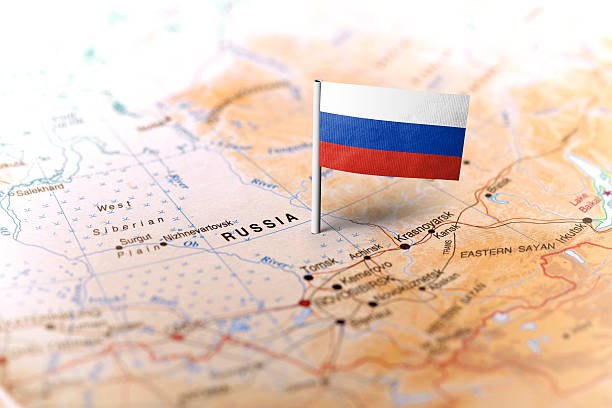
In 2025, a total of 191 Uzbek citizens applied for asylum in Russia, underscoring evolving migration dynamics in the region and increased pressure on labor and humanitarian migration systems across Central Asia. The figures were reported by Gazeta.ru, citing data from Russia’s Ministry of Internal Affairs. According to the data, 8,820 foreign nationals sought temporary asylum in Russia last year. Ukrainians accounted for the largest group, with 3,332 applicants, followed by 3,196 Syrians. Other significant groups included 313 Palestinians, 281 Afghans, and 191 Uzbeks. Additional applicants came from countries such as Germany, Kazakhstan, Turkmenistan, Israel, and Armenia, placing Central Asian states firmly within Russia’s broader migration framework. The total number of asylum applications marked an increase compared to 2024, when Russian authorities registered 6,879 requests. Despite ongoing political and economic turbulence, officials said the overall structure of migration remained largely stable. Regional developments also influenced migration trends. In early January, Ukraine’s State Border Guard Service reported that around 1,400 Ukrainian citizens attempted to cross borders illegally in 2025, including via Belarus. Most attempts occurred along European Union borders. Meanwhile, the EU recorded a 20% drop in asylum applications, especially among Syrians, indicating that some migratory pressure may be shifting eastward. For Uzbekistan, the asylum figures come amid broader labor migration trends. According to official Uzbek statistics, 1.86 million citizens left the country for employment abroad between January and September 2025, a 1.38-fold increase year-on-year. Of these, an estimated 1.3 million were working in Russia, reaffirming its role as the main destination for Uzbek labor migrants. Migration policy has also featured in recent diplomatic discussions. According to RIA Novosti, Russian Ambassador to Uzbekistan Aleksey Yerkhov informed the Uzbek Foreign Ministry of Russia’s updated migration policy concept, approved in October 2025. During a meeting with Deputy Foreign Minister Olimjon Abdullaev, both sides addressed the need to improve labor migration mechanisms and ensure the protection of Uzbek citizens’ rights during inspections and employment procedures. Russia’s 2026-2030 migration policy concept states that external political and economic pressures have not significantly altered migration patterns. The policy projects continued growth in labor migration, driven by sustained demand for foreign workers. At the same time, Moscow is introducing new mechanisms to attract skilled foreign nationals. Russian Foreign Minister Sergey Lavrov announced that, beginning in April 2026, Russian embassies and consulates will issue one-year, multiple-entry business visas to qualified individuals deemed beneficial to the Russian Federation. Eligible applicants will include professionals with achievements in science, technology, manufacturing, sports, the creative industries, education, or other high-demand sectors, as outlined in a presidential decree promoting high-quality migration.

How Expats Experience Life in Kazakhstan

Kazakhstan has long sought to cultivate a positive image abroad, as reflected in its foreign direct investment. By mid-2025, the country had attracted $9.4 billion from Eurasian nations alone, securing the top position among Central Asian nations. On the tourism front, 7.5 million foreigners visited Kazakhstan in the first half of 2025, with growth also recorded in related service sectors. The country's visa-free regime with several nations likely contributed to the increase. Yet statistics reveal little about everyday life, particularly for foreigners who have made Kazakhstan their temporary or long-term home. To look beyond the numbers, The Times of Central Asia spoke with expatriates living across the country. Expectations vs. Reality Most interviewees admitted to having few expectations before their arrival, citing limited awareness of Kazakhstan in their home countries. One recounted a peculiar question posed by their family before departure: “People don’t really talk about Kazakhstan very often in the U.S., and when they do, they’re often very misinformed about what life is like here. For example, my family asked if I would have running water.” While few voiced concerns about basic amenities, several mentioned the difficulty of finding specific goods and services. “It can be frustrating sometimes trying to find specific items, and line culture (waiting one’s turn) is non-existent. It’s definitely every man for himself,” said one expat. The same individual noted that although bureaucratic procedures can be cumbersome, essential services, such as obtaining a personal identification number, remain accessible, a sentiment echoed by others. Those living in Almaty, Kazakhstan’s southern capital, praised the public transportation system while acknowledging worsening traffic: “Traffic jams have become awful over the past two years, but that’s a problem in all major cities,” said a French expat. “It’s a shame there are no more city bike rentals. I really hope they’ll come back in the spring.” [caption id="attachment_42814" align="aligncenter" width="2560"] Downtown Almaty; image: TCA[/caption] Adapting to Society and Intentions to Stay Most respondents said they had few difficulties adjusting to life in Kazakhstan, crediting their ability to communicate in Russian as a key factor in social integration and building local friendships. Three interviewees said they spent more time with fellow expatriates, with two attributing this to the nature of their stay, while one felt his professional and daily interactions with locals were sufficient. One interviewee said their smooth adaptation was helped by the modernity of Kazakhstan’s major cities: “I’ve spent some time out in the Karaganda region, in small villages. I think adapting there would be a much bigger adjustment,” they told TCA. All interviewees described locals as exceptionally hospitable, even to strangers: “You always hear about hospitality being important here and in other Central Asian countries. Whenever we needed help, friends or even people we didn’t know were incredibly helpful.” In discussing professional environments, most agreed that work culture is far more relaxed than in the West. However, one noted a downside: “In Kazakhstan, there’s a very strict hierarchy. Of course, it varies by firm, but in more traditional companies,...

Tajik Government Seeks New Destinations for Labor Migrants

Tajikistan is intensifying international cooperation in the field of labor migration. According to the Ministry of Labor, Migration, and Employment, the country signed dozens of agreements in the first half of 2025 aimed at simplifying and legalizing the overseas employment of its citizens. However, actual employment figures continue to lag behind the government’s ambitious declarations. Expanding Employment Opportunities At a mid-year press conference, the ministry reported that Tajikistan currently holds 37 international agreements with 15 countries, 13 of which specifically address labor migration and are under implementation. Key partners include Russia, Kazakhstan, Belarus, the UAE, Qatar, Kuwait, South Korea, and Japan. Negotiations are also underway on nine new agreements with countries such as Georgia, Poland, Serbia, Saudi Arabia, and Croatia. Official data show that 9,478 Tajik citizens found employment through 29 licensed organizations in the first half of 2025. Of those, 5,648 were assisted by the State Employment Agency. Despite appearing significant, these numbers represent only a fraction of the working-age population seeking jobs abroad. South Korea, for example, allocated 800 worker quotas for Tajikistan in 2025. Yet only 26 of 35 citizens trained under the Employment Permit System (EPS) passed the required exam. A new group is now in training for the next selection phase. Japan also ranks as a priority destination, but the volume remains low. Of 68 registered candidates, four have begun working, and eight have passed interviews, underscoring Japan’s high entry standards and limited intake. Key Partners: Russia and Saudi Arabia Russia remains Tajikistan’s principal labor migration partner. From January 28 to 31, officials from both countries held “substantive talks” in Moscow, addressing the training of specialists, new employment channels, and joint initiatives. More than 80 Russian companies have reportedly expressed interest in hiring Tajik workers, a figure that the ministry says reflects rising demand for labor from Tajikistan. Saudi Arabia is emerging as a new strategic partner. During a visit by a Tajik delegation, officials held talks with the Saudi Minister of Human Resources and with executives from Arco, a major HR outsourcing firm in the Middle East. Ambitious Goals, Limited Impact While the Ministry of Labor and Migration continues efforts to expand cooperation, protect migrants’ rights, and promote safe, legal employment abroad, progress remains uneven. Despite active diplomacy, the scale of organized labor migration is still limited. The real measure of success will be the implementation of these agreements, not their number. With millions of Tajik citizens still seeking employment overseas, building effective systems and improving workforce skills will require sustained effort, time, and investment.

Declining Birth Rates in Central Asia Tied to Crisis in Reproductive Freedom

Birth rates across Europe and Central Asia are falling sharply, accompanied by aging populations and the migration of young people in search of better opportunities. In response, many governments have introduced financial incentives to encourage childbirth. However, the United Nations Population Fund (UNFPA) warns in its State of World Population 2025 report that these measures address symptoms, not causes. The real issue, the report contends, is a crisis of reproductive freedom. The report, compiled in partnership with the polling agency YouGov, surveyed over 14,000 people across 14 countries, including Germany and Hungary. Its findings highlight a deep disconnect between people’s reproductive intentions and their lived realities: 32% reported experiencing an unplanned pregnancy, while 23% said they were unable to have children when they wanted. Among respondents over the age of 50, nearly one-third (31%) reported having fewer children than they had hoped. Economic insecurity emerged as the leading barrier to planned parenthood. Financial hardship was cited by 39% of respondents, followed by job instability (21%), lack of suitable housing (19%), and concerns over war, pandemics, or climate change (19%). Relationship-related issues were also significant: 14% said they lacked a partner, while 10%, mostly women, said their partners did not contribute enough at home. Although Central Asia continues to report fertility rates above the global average, the region is not immune to this trend. The report notes a steady decline in birth rates across much of Central Asia, including Kazakhstan, which is experiencing a multi-year downturn despite having one of the region’s higher fertility rates. UNFPA emphasizes that these patterns reflect underlying socio-economic constraints, not shifting cultural values. Rather than framing the issue as one of declining birth rates, UNFPA urges a shift in perspective from “why aren’t people having more children?” to “why can’t people have the families they want?” Reproductive freedom, the report argues, means being able to decide freely and securely when, and how many children to have. This requires stable employment, access to quality healthcare and housing, and genuine gender equality. UNFPA calls on governments, particularly in Eastern Europe and Central Asia, to focus less on raising fertility rates and more on protecting individual rights. Key policy recommendations include greater investment in public health systems, affordable housing, decent work opportunities, and stronger protections against violence and discrimination. “The real crisis is that millions of people can’t build the families they want, not because they don’t want children, but because they can’t afford to have them,” the report states. As The Times of Central Asia previously reported, four out of five Central Asian countries are currently experiencing declining fertility. The exception is Uzbekistan, where birth rates remain high and continue to climb. In 2023, Uzbekistan recorded a fertility rate of 3.4 children per woman, the highest in the region. It was followed by Tajikistan (3.1), Kazakhstan (3.0), and Kyrgyzstan and Turkmenistan (each at 2.7). Uzbekistan also posted the region’s highest number of births last year, approximately 962,000, representing a 14% increase compared to 2020. By contrast, Kazakhstan registered...

Kazakhstan’s Labor Migration Market: Balancing Interests Amid Rising Violations

Analysts at Finprom.kz have released a new overview of labor migration trends in Kazakhstan. According to the report, as of May 1, 2025, 14,300 foreign citizens were officially employed in the country, a 4% increase compared to the same period last year. Origins and Occupations The majority of migrant workers come from China, with 5,100 individuals, a 24.5% year-on-year increase. They are followed by workers from Uzbekistan (1,900), Turkey (1,100), and India (1,100). Foreign workers are primarily employed in construction, which accounts for 5,000 people, a 19.1% increase from the previous year. Other major sectors include agriculture, forestry, and fisheries (2,300 workers), and mining and manufacturing (1,300 workers in each). The most common job categories for foreign workers include specialists (4,400), heads of structural divisions (2,400), seasonal workers (2,300), skilled laborers (1,000), and intra-company transferees (3,600). Despite overall growth, the number of foreign specialists has declined by 21.5% compared to last year. The number of foreign nationals in management roles remains largely unchanged at 567, compared to 564 last year. Quotas, Oversight, and Violations The Ministry of Labor and Social Protection of the Population of the Republic of Kazakhstan sets annual quotas for hiring foreign labor. In 2024, the quota was capped at 22,000 workers, equivalent to 0.23% of the national workforce. However, violations related to labor migration are on the rise. Between January and May 2025, authorities recorded 1,600 administrative offenses, an increase of 10.1% compared to the same period in 2024. The highest number of violations occurred in the Karaganda region (224), followed by Astana (141), Shymkent (136), Almaty (110), and the Turkestan region (99). Those held administratively responsible included 238 individual entrepreneurs and 19 government officials. Authorities also fined 106 foreign nationals for breaches of migration laws. Total fines amounted to KZT 157.1 million ($303,000), up 22.6% from KZT 128.2 million a year earlier. Of this amount, KZT 130 million (82.7%) has already been collected.

Emigration from Kazakhstan Drops to Lowest Level in a Decade

Kazakhstan is witnessing a significant decline in emigration, reaching its lowest level in more than ten years, according to a study by analysts at Ranking.kz. The analysis, based on data from the National Statistics Bureau (NSB) of the Agency for Strategic Planning and Reforms of the Republic of Kazakhstan (ASPiR RK), highlights shifting demographic and economic patterns within the country. Statistical Overview and Long-Term Trends In the first four months of 2025, just 1,700 individuals left Kazakhstan for permanent residence abroad, a figure 2.8 times lower than the same period in 2024, when 4,800 people emigrated. Immigration also declined slightly, with 8,100 people entering Kazakhstan between January and April 2025, compared to 9,900 the previous year. Despite this, the migration balance remains positive, with more people arriving than leaving. A longer-term view underscores a consistent downward trend. In 2000, some 155,700 people emigrated. By 2024, this figure had dropped to 12,700. Notable upticks occurred during periods of heightened outflow, specifically between 2006-2008 and 2013-2019. However, for the past two years, Kazakhstan has maintained a positive migration balance. In 2024, 23,900 people immigrated to the country, nearly double the number who left. Key Destinations for Emigrants Most emigrants originate from Kazakhstan's northern and eastern regions. In 2024, 47.9% of those who left came from the Kostanay, Pavlodar, Abai, North Kazakhstan, and East Kazakhstan regions. Russia continues to be the primary destination, receiving 69% of all Kazakhstani emigrants. However, that number is sharply down: from January to March 2025, only 644 citizens moved to Russia, a 75.5% decline compared to the same period in 2024. Germany is the second most popular destination. In 2024, approximately 2,000 Kazakhstani citizens relocated there, but this too marked a significant decrease of 67.9%. Emigration to nearly all traditional destinations has declined, with the exception of Kyrgyzstan. While still relatively minor in scale (about 300 people annually), migration to Kyrgyzstan is gradually increasing, particularly from Kazakhstan’s southern regions. Causes Behind the Decline The United Nations Population Fund had previously forecast a drop in emigration, attributing it to Kazakhstan’s economic development, increased labor demand, and the diminishing pool of ethnic migrants. Demographic shifts also play a role. Population growth in southern Central Asian republics is contributing to a new influx of migrants into Kazakhstan. A 2024 public opinion survey conducted by the Demoscope Express Monitoring Bureau supports these trends. Among the 1,100 respondents, 78.5% said they had no plans to emigrate within the next two to three years. Only 6.9% expressed intent to leave, and 5.6% said they would like to emigrate but were currently unable to do so. The most commonly cited reasons for emigration include the desire for higher income (24.5%), better employment opportunities (14%), and a perceived lack of prospects within Kazakhstan (23.9%). Other motivations include studying abroad (11.7%), family reunification (2.6%), and returning to ancestral homelands (0.6%).