• KZT/USD = 0.00227
  • TJS/USD = 0.10830
  • UZS/USD = 0.00009
  • TMT/USD = 0.29760
  • KZT/USD = 0.00227
  • TJS/USD = 0.10830
  • UZS/USD = 0.00009
  • TMT/USD = 0.29760
  • KZT/USD = 0.00227
  • TJS/USD = 0.10830
  • UZS/USD = 0.00009
  • TMT/USD = 0.29760
  • KZT/USD = 0.00227
  • TJS/USD = 0.10830
  • UZS/USD = 0.00009
  • TMT/USD = 0.29760
  • KZT/USD = 0.00227
  • TJS/USD = 0.10830
  • UZS/USD = 0.00009
  • TMT/USD = 0.29760
  • KZT/USD = 0.00227
  • TJS/USD = 0.10830
  • UZS/USD = 0.00009
  • TMT/USD = 0.29760
  • KZT/USD = 0.00227
  • TJS/USD = 0.10830
  • UZS/USD = 0.00009
  • TMT/USD = 0.29760
  • KZT/USD = 0.00227
  • TJS/USD = 0.10830
  • UZS/USD = 0.00009
  • TMT/USD = 0.29760
30 September 2026

Viewing results 1 - 6 of 214

UNHCR Again Urges Tajikistan to Stop Deporting Afghan Refugees

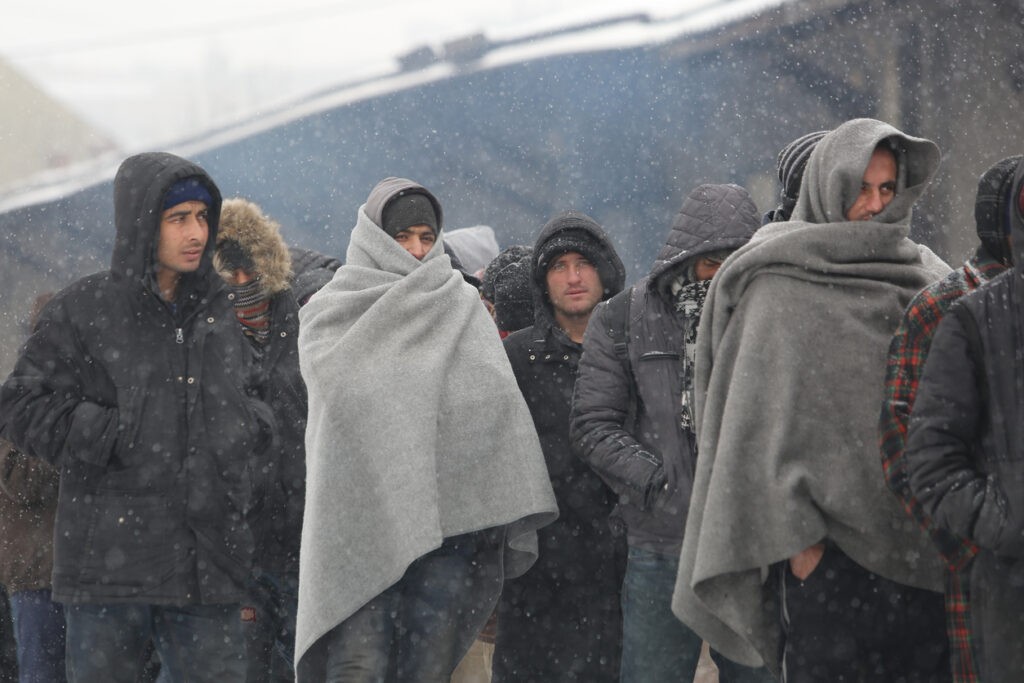
The UN High Commissioner for Refugees (UNHCR) has called on Tajikistan to immediately halt the deportation of Afghan refugees, following reports that dozens were forcibly returned to Afghanistan last month. According to UNHCR, at least 80 Afghan refugees were deported from Tajikistan in December 2024, despite many holding valid refugee documents. The agency warned that such actions violate international protection standards and could put deportees at risk. By the end of 2024, around 9,000 Afghan refugees were residing in Tajikistan. UNHCR has expressed concern that further deportations could endanger many more lives. Regional Context and Increasing Deportations Tajikistan is not the only country tightening its stance on Afghan refugees. Iran and Pakistan have also intensified deportations in recent months. Reports indicate that Iran has expelled 586,000 undocumented Afghans since the start of the current solar year. Meanwhile, the Taliban’s Ministry of Refugees and Repatriation stated that nearly 12,000 Afghan migrants have returned from Pakistan, Iran, and Turkey in the past three weeks. The rise in deportations has added pressure on Afghan refugees, many of whom are already struggling due to Afghanistan’s worsening humanitarian crisis. UNHCR has reiterated its appeal for international cooperation, urging host countries to balance national security concerns with humanitarian obligations. Previously, Mosawer Bahadori, head of Afghanistan’s Migration Committee (Aryana) in Tajikistan, urged Tajik authorities to respect refugee rights and uphold their international commitments in protecting displaced Afghans.


Public Opinion Survey: One in Five Kazakhs Considering Emigrating

One in five Kazakhstanis is contemplating leaving the country, citing low income and a lack of confidence in the future as the primary reasons, according to a survey by the Bureau of Express Monitoring of Public Opinion DEMOSCOPE. The study, titled “Attitude of Kazakhstanis to the Problem of Brain Drain,” was conducted in partnership with the MediaNet International Journalism Center, PAPERLAB research center, and supported by the Konrad Adenauer Foundation.  Migration Sentiment in Numbers The survey revealed that: 21% of respondents are considering emigration. 6.9% intend to leave within the next two to three years. 5.6% wish to move but lack the means to do so. 8.4% are open to moving under certain conditions. However, the majority - 78.5% - do not plan to emigrate in the foreseeable future. Young and middle-aged respondents were the most interested in moving abroad. Among 18-29-year-olds, a quarter said that they wanted to emigrate, while nearly 30% of those in their 30s are considering relocation. Reasons for Leaving The top motivations for emigration included: Higher wages (24.5%) Better prospects for themselves and their children (23.9%) Access to better jobs (14%) Opportunities for quality education (11.7%) Self-development (13.2%) Improved healthcare services (4.9%) Younger respondents were more focused on education and self-development, while older individuals prioritized long-term opportunities. Emigration Trends and Impacts Despite growing migration sentiments, official data for the first three quarters of 2024 show a positive migration balance. Over 20,000 people moved to Kazakhstan, while 10,200 emigrated. However, the qualitative characteristics of migration raise concerns. Many who leave are skilled professionals, including engineers, economists, teachers, and lawyers. A detailed analysis of migration patterns highlights this trend. Popular Destinations and Public Opinion The most desired emigration destinations are: United States (7.7%) Russia (6.2%) European countries (5.1%) Turkey (4.6%) Canada (2.6%) However, 35% of respondents had no specific preference for a destination. Societal attitudes toward emigration remain largely understanding, with 63.3% expressing support for those who choose to leave. Only 11.4% voiced disapproval. Looking ahead, 39% of respondents anticipate a rise in the outflow of skilled workers, while 21.7% predict an increase in immigration to Kazakhstan. Addressing the Brain Drain Experts stress that mitigating the brain drain will require a systematic approach, including: Improving living standards. Enhancing access to quality education and healthcare. Ensuring security and economic stability. The survey, conducted across 17 regions of Kazakhstan, included 1,100 participants. The margin of error does not exceed 3% with a 95% confidence level.

Azerbaijan Tightens Visa Rules for Russians Amid Aktau Crash Fallout

The Azerbaijani government has announced new restrictions on the temporary stay of Russian citizens, effective January 1, 2025. Under the new rules, Russian citizens and stateless persons residing in Russia will be limited to a maximum of 90 days per calendar year without a visa. The announcement comes in the wake of a tragic plane crash involving an Azerbaijan Airlines (AZAL) aircraft near the Kazakh city of Aktau on December 25. The plane, which had taken off from Baku headed to Grozny, Chechnya, crashed, killing 38 people and injuring 29 others. Kazakhstan is currently leading the investigation into the incident. Accusations and Responses Azerbaijan’s President Ilham Aliyev has stated that the plane was struck by Russian ground fire while flying over Russian territory. He accused Russia of attempting to obscure the truth by spreading “absurd theories” about the crash. Russian President Vladimir Putin had issued an apology for the incident one day before Aliyev's remarks, but did not admit responsibility for the alleged ground fire. International Reactions The crash has prompted flight suspensions to Russia by several airlines, citing safety concerns. Turkmenistan: Flights on the Ashgabat-Moscow-Ashgabat route have been canceled from December 30, 2024, to January 31, 2025. The reason for the decision has not been disclosed, but the airline previously operated twice-weekly flights to Moscow. Kazakhstan: Kazakh Air has suspended its Astana-Yekaterinburg route from December 28, 2024, to January 27, 2025, to ensure passenger safety. Israel: Israeli airline El Al has halted flights on the Tel Aviv-Moscow route until next week, citing “events in Russian airspace.” UAE: Flydubai has suspended flights to Sochi and Mineralnye Vody due to technical reasons. Flights to Sochi are expected to resume on January 2, while services to Mineralnye Vody will restart on January 3. In a symbolic gesture, an Uzbekistan Airways plane circled Aktau Airport twice in memory of the Azerbaijan Airlines crash victims. Broader Implications The tragedy and subsequent allegations have heightened tensions in the region and raised concerns about air travel safety in Russian airspace. While investigations are ongoing, the incident underscores the geopolitical sensitivities and potential risks associated with the aviation sector in this area.

Turkmen Authorities Prevent Turkmen-Turkish Family Reunifications

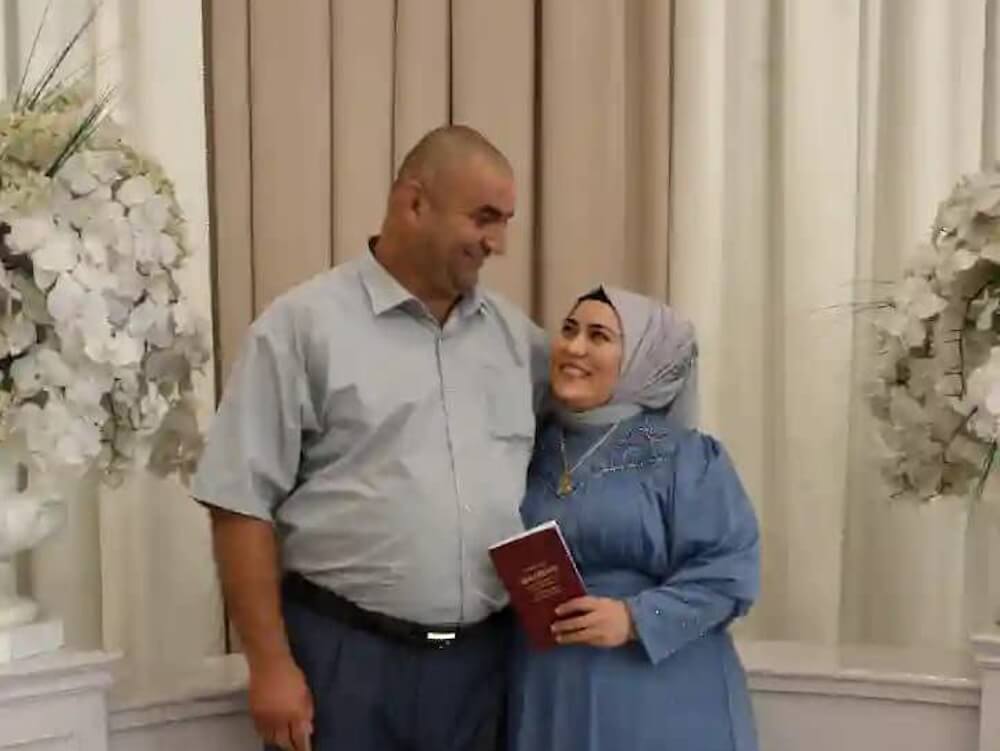
Turkish citizens have reported difficulties faced by their wives, citizens of Turkmenistan, who have been banned from leaving the country after renewing their passports​. Women who returned to Turkmenistan to apply for new passports have been denied exit at Ashgabat airport. Authorities cited violations of the “legislation of the country of stay,” referencing paragraph 9 of part 1 of Article 30 of Turkmenistan’s Law On Migration. This law prohibits citizens who have previously violated the laws of the country of stay from leaving Turkmenistan for five years. However, no explanation has been provided for why this regulation applies to the affected women. Turkish spouses insist their wives did not violate any laws abroad and were legally residing in Turkey. Arslan Rustem, a Turkish citizen, shared his experience: “I married a Turkmen citizen in July 2022. My wife was legally living in Turkey, but when her passport expired, she returned to Turkmenistan to replace it. After receiving a new document, she was not allowed to leave.” Rustem emphasized that there were no legal issues with their marriage or residency. Similarly, Mahmut Uchar encountered the same problem. He was advised by the Turkmen Consulate in Istanbul that his wife must travel to Turkmenistan to renew her passport after changing her surname. “We were assured the entire process would take no more than a month. But a year later, my wife is still unable to return to Turkey,” he explained. This predicament has impacted dozens of families. Women have filed complaints with various government agencies in Turkmenistan, including the Presidential Administration, but no resolution has been provided. Appeals from Turkish organizations advocating for family reunification have also gone unanswered. The Migration Service of Turkmenistan has not commented on the legal basis for applying the travel restriction. Husbands of the affected women have expressed confusion and frustration, believing that these actions infringe upon their families’ rights. Turkmenistan frequently restricts its citizens’ travel abroad for a variety of reasons. These measures include travel bans on individuals with outstanding bank loans, parents of minor children, and citizens whose relatives have criminal records spanning three generations​​. Passports are often confiscated at airports until debts are paid in full​. The government has also imposed restrictions following incidents involving Turkmen citizens abroad, citing security concerns. These policies have drawn criticism from human rights activists, who have called on Turkmen authorities to lift unwarranted restrictions on freedom of movement​​.

Anti-Migrant Sentiments Continue to Rise in Russia Following General’s Murder

Anti-migrant sentiment is intensifying in Russia following the murder of a high-ranking general, with calls from populist media outlets and bloggers urging the Kremlin to tighten its migration policies. Experts warn that this tension is likely to escalate. They argue that the Russian authorities are redirecting public frustration toward Central Asians as a means of improving domestic social stability. Anti-migrant rhetoric coming out of Russia is increasingly being wielded as a tool to exert leverage on Central Asian nations.   General Kirillov Murder: Uzbeks Question Russian Narrative of Kurbonov's Arrest The recent arrest of an Uzbek citizen accused of committing a terrorist act - allegedly recruited by Ukrainian security services - has added fuel to the fire. This incident follows a long-standing pattern of discrimination against Central Asian labor migrants in Russia. In Uzbekistan, people are questioning the arrest in Moscow this week of 29-year-old courier Akhmadjon Kurbonov, who stands accused of murdering Russian general Igor Kirillov. The head of Russia's radiation, chemical, and biological defense forces, Kirillov was heavily involved in Russia's war with Ukraine. The media in Russia has claimed that Kurbonov carried out the assassination - and that of Kirillov's assistant Ilya Polikarpov - on behalf of the Ukrainian government in exchange for financial reward and residency in Europe. This version of events has sparked widespread debate in Uzbekistan. On social media, people have raised questions about the credibility of the allegations. Analyst Shuxrat Rasul described the accusation as “hard to believe.” On Facebook, Uzbek citizens such as Anvar Sagdullayev have questioned the narrative, commenting, “How can a man accused of murder appear so calm, as if reciting a prepared script? Perhaps this was orchestrated by interests closer to home.” Another Facebook user, Raimbergan Kuchkarov, speculated that internal conflicts are being stoked by using migrants as scapegoats. “The Russians themselves likely don’t know where their generals live. Why would a high-ranking officer be targeted by someone from Uzbekistan? This seems like a provocation,” Kuchkarov wrote. The case has also raised concerns among Uzbek immigrants in Russia, who fear that collective blame for the alleged actions of one individual may exacerbate prejudice and discrimination against their community. The Embassy of Uzbekistan in Russia has responded by stating that it is in contact with Russian law enforcement agencies and is working to verify details regarding the detained Uzbek citizen. On December 19, Uzbek President Shavkat Mirziyoyev held a phone conversation with Vladimir Putin to discuss bilateral and regional cooperation. The leaders highlighted the importance of close collaboration between their countries’ special services to combat security threats. The Kremlin noted that the discussion was initiated by the Uzbek side. During the call, Mirziyoyev expressed condolences for the deaths of General Kirillov and Polikarpov, condemning the attack as a “heinous act of terrorism.”   Increasing Pressure The situation for migrants in Russia has worsened significantly since the 2022 invasion of Ukraine. Migrants have faced frequent raids, detentions, and the threat of deportation. Legislative changes have further tightened entry and residency rules....

Afghan Migration Committee Urges Tajikistan to Halt Refugee Deportations

Mosawer Bahadori, head of Afghanistan’s Migration Committee (Aryana) in Tajikistan, has raised concern over the deportation of Afghan migrants from Tajikistan, urging the authorities to safeguard refugee rights and adhere to international obligations. Concerns Over Deportations In a recent statement, Bahadori expressed condolences to the Afghan families affected by the deportations and emphasized the committee’s commitment to supporting Afghan migrants. He noted that the deportation process, ongoing for over a week, has caused widespread concern among the refugee population. Advocacy for Refugee Rights The Afghan Migration Committee, which has operated in Tajikistan for more than 27 years, serves as an intermediary between Afghan refugees and local authorities. Functioning under the legislative framework of Tajikistan’s Ministry of Justice, the committee addresses migrant concerns and facilitates dialogue with state institutions. Bahadori urged Tajikistan to honor its international obligations, particularly by acceding to United Nations conventions that prohibit deporting refugees to countries where they face threats to their lives. Many Afghan refugees in Tajikistan fled Taliban persecution and have been granted asylum or refugee status. Proposals for Alternative Solutions Bahadori proposed alternative approaches to deportation, including: Negotiating with international organizations or third countries to facilitate the transfer of Afghan refugees. Simplifying the relocation process to make resettlement more accessible. Introducing fines or imprisonment as penalties for offenses, rather than deporting individuals to unsafe conditions. The Afghan Migration Committee also assured Tajik authorities that Afghan refugees would continue to respect local laws and customs. The committee pledged to cooperate with Tajik security forces to address repeated illegal activities by individuals through lawful measures. Call for Diplomatic Solutions Bahadori concluded his statement by advocating diplomatic solutions to protect vulnerable Afghan migrants while maintaining strong relations between Afghanistan and Tajikistan. He emphasized the need for collaborative efforts to uphold human rights and ensure the safety of refugees.