• KGS/USD = 0.01143 -0%
  • KZT/USD = 0.00198 -0%
  • TJS/USD = 0.10899 0.93%
  • UZS/USD = 0.00008 0%
  • TMT/USD = 0.28490 -0.28%
  • KGS/USD = 0.01143 -0%
  • KZT/USD = 0.00198 -0%
  • TJS/USD = 0.10899 0.93%
  • UZS/USD = 0.00008 0%
  • TMT/USD = 0.28490 -0.28%
  • KGS/USD = 0.01143 -0%
  • KZT/USD = 0.00198 -0%
  • TJS/USD = 0.10899 0.93%
  • UZS/USD = 0.00008 0%
  • TMT/USD = 0.28490 -0.28%
  • KGS/USD = 0.01143 -0%
  • KZT/USD = 0.00198 -0%
  • TJS/USD = 0.10899 0.93%
  • UZS/USD = 0.00008 0%
  • TMT/USD = 0.28490 -0.28%
  • KGS/USD = 0.01143 -0%
  • KZT/USD = 0.00198 -0%
  • TJS/USD = 0.10899 0.93%
  • UZS/USD = 0.00008 0%
  • TMT/USD = 0.28490 -0.28%
  • KGS/USD = 0.01143 -0%
  • KZT/USD = 0.00198 -0%
  • TJS/USD = 0.10899 0.93%
  • UZS/USD = 0.00008 0%
  • TMT/USD = 0.28490 -0.28%
  • KGS/USD = 0.01143 -0%
  • KZT/USD = 0.00198 -0%
  • TJS/USD = 0.10899 0.93%
  • UZS/USD = 0.00008 0%
  • TMT/USD = 0.28490 -0.28%
  • KGS/USD = 0.01143 -0%
  • KZT/USD = 0.00198 -0%
  • TJS/USD = 0.10899 0.93%
  • UZS/USD = 0.00008 0%
  • TMT/USD = 0.28490 -0.28%
06 December 2025

Viewing results 1 - 6 of 5

Survey Reveals What Kazakhstanis Think About the Army and Defense

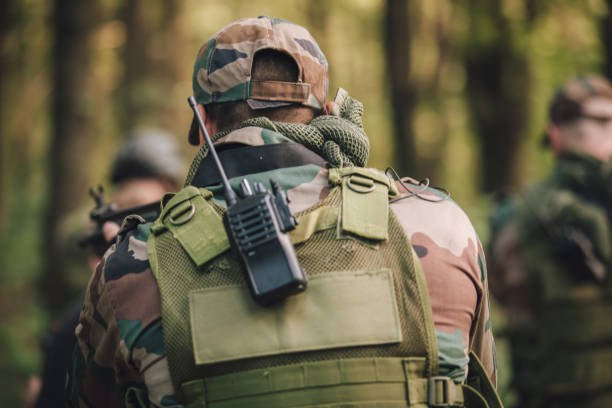
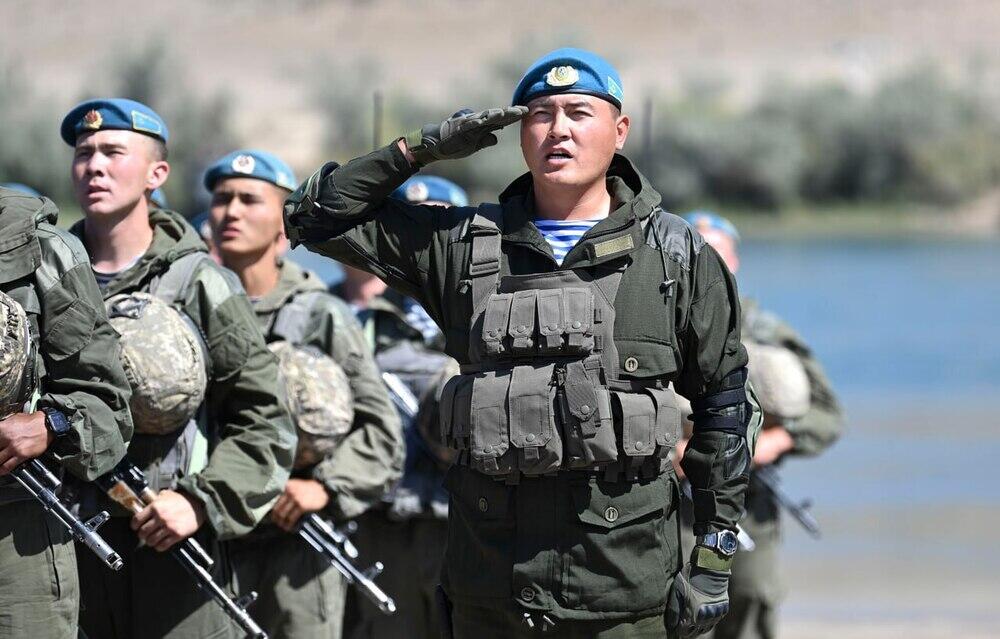
In September 2025, the research platform Demos.kz conducted a nationwide survey on public perceptions of Kazakhstan’s Armed Forces. When asked about the likelihood of Kazakhstan becoming involved in a military conflict over the next five years, 29.7% of respondents considered the risk very low, 28% rated it as average, 13.2% as rather low, 7.1% as very high, and 6.9% as rather high. Public confidence in the military's capabilities was divided. Some 31.9% of respondents believe the Kazakh army is strong enough to defend the country against external threats, while 35% said it will “more likely be able” to do so. Meanwhile, 15.8% said the army will “most likely not” be able to protect the country, and 10.4% expressed the view that “No, it won't be able to protect it at all”. On the issue of defense partnerships, 29.3% favored strengthening ties with Russia through the Collective Security Treaty Organization (CSTO). A further 27.5% supported closer cooperation with NATO members such as the United States or Turkey. Another 22.6% favored working with China via the Shanghai Cooperation Organization (SCO), 20% preferred collaboration with neighboring Central Asian countries, and 18.4% advocated for neutrality and minimizing military alliances. Opinion was also split on the preferred army recruitment model. A total of 36.6% supported transitioning to a fully professional, contract-based military. Another 36.5% favored returning to universal compulsory service, while 17.7% supported retaining the current mixed system. According to Kazakhstan’s 2025-2027 state budget, the country plans to allocate 2.7 trillion KZT ($5.2 billion) to defense and law enforcement in 2025. The Finance Ministry reported that military spending from January to July 2025 amounted to 544.4 billion KZT, down 8.8% from the same period in 2024. Last year, Kazakhstan’s defense budget totaled approximately 1.3 trillion KZT. Over the past three years, Kazakhstan has steadily increased defense spending. According to media reports, the defense budget stood at $1.2 billion in 2023 and $1.1 billion in 2022.

Gold and Gunfire: Tajik-Taliban Tensions Flare on the Border

Tajik border guards and Taliban fighters have exchanged fire in an area along the Tajik-Afghan border. The incident happened on August 24 and is connected to a Chinese gold mining operation on the Afghan side of the border. The hostilities ended after a rare meeting between local Tajik and Taliban officials, though each side accused the other of harboring enemies. Gold Mining The Tajik authorities have been watching Afghanistan’s Dovang district in Afghanistan’s Badakhshan Province since the start of a gold mining operation there three years ago. Residents of Tajikistan’s Shamsiddin Shohin district, across the Pyanj River from Dovang, reported rising water levels in their area. Sodikjon Rahmonzoda, the head of the district branch of Tajikistan’s Ministry for Emergency Situations, stated that “On the opposite bank of the river, in Afghanistan, industrial gold mining started…. They built infrastructure (including) dams that direct water to our bank.” The Tajik authorities have been reinforcing the bank on the Tajik side of the river to prevent nearby villages from flooding. It is unclear if the two sides were previously in contact about the problems the diversion of water in the river was causing in Tajikistan. The other four Central Asian governments have all established a dialogue with the Taliban since they returned to power in August 2021. Kazakh, Kyrgyz, Turkmen, and Uzbek officials have visited Afghanistan, and Taliban representatives have visited Kazakhstan, Turkmenistan, and Uzbekistan (but so far, not Kyrgyzstan). The Tajik government has kept its contact with the Afghan militant group to a minimum, though several border crossing points are working again, and some bazaars on the Tajik side of the frontier have reopened to Afghan customers. Rising Tensions In May, Tajik authorities detained a group of Chinese and Afghans who drove across the river on excavators from the mining site in Dovang into Tajikistan. According to the Tajik authorities, the Chinese and Afghans were seeking to launder money in Tajikistan. On August 24, a group of Taliban arrived at the border area in Dovang. It is not clear what sparked the shooting, but Tajik border guards and Taliban fighters exchanged fire using heavy weapons. One Taliban fighter was reportedly killed, and four others were wounded. There were no reports of casualties among the Tajik border guards. Neither the Tajik government nor Taliban officials have commented on the clash. A Rare Meeting Following the shooting, the commander of the Tajik border guard unit in the Shamsiddin Shohin district led a group of soldiers across the border to Dovang to meet with the head of mining operations and other officials in Badakhshan Province. The two sides discussed the gold mining operation on the Afghan side of the border, but the conversation degenerated into accusations, with each side complaining that the other was sheltering and training their enemies. Both sides are correct. The Tajik government allows members of the National Resistance Front (NRF), including its leader Ahmad Masoud, to travel to and often stay in Tajikistan. The NRF is a group of mainly ethnic...

Central Asia Responds to Escalation Between Israel and Iran

Following extensive Israeli airstrikes on Iranian territory, defined by the Israeli military as a “preventive action” targeting Tehran’s nuclear infrastructure, Central Asian governments have begun responding to the escalating conflict by reinforcing security protocols for their citizens in the region. Kazakhstan: Embassy Issues Guidelines for Citizens in Israel The Embassy of the Republic of Kazakhstan in Tel Aviv has issued an official advisory to Kazakh citizens residing in or visiting Israel. The statement recommends: Adhering strictly to instructions from the Israeli Home Front Command; Maintaining heightened vigilance; Monitoring verified news and official announcements; Staying in regular contact with the Kazakh diplomatic mission. Emergency hotlines have also been activated to provide immediate assistance to nationals. Uzbekistan: Warning to Citizens in Iran and Israel Uzbekistan’s Ministry of Foreign Affairs has released a public advisory urging citizens in both Iran and Israel to exercise maximum caution. Recommendations include: In Iran, being prepared to take shelter in designated bomb shelters; In Israel, strictly following the directives of local authorities and the military; Keeping identification documents and embassy contact information readily accessible; Following updates through official and verified information channels. The Foreign Ministry emphasized that the security situation remains volatile and requires prompt attention from Uzbek citizens in the affected areas. Airlines Reroute to Avoid Conflict Zone Kazakh carriers Air Astana and FlyArystan have altered several flight routes to avoid Iranian and Iraqi airspace, which has been closed amid rising tensions. Destinations affected include Dubai, Doha, Sharm El-Sheikh, Manama, and Medina. Passengers are advised to check their flight status in advance, as changes to departure and arrival times are expected. Regional Watch: Kyrgyzstan, Tajikistan, Turkmenistan As of June 13, Kyrgyzstan, Tajikistan, and Turkmenistan have not issued formal statements regarding the conflict. However, diplomatic sources report that embassies and consulates across the region have been placed on high alert and are closely monitoring developments. Earlier today, the Israeli military confirmed the launch of a military operation targeting what it described as “dozens of strategic sites” in Iran, including suspected nuclear facilities. Tehran has condemned the strikes and pledged a “harsh and symmetrical response.” The international community has expressed growing concern that the conflict could broaden, destabilizing the wider region.