Armed clashes along the Afghanistan-Pakistan border have intensified, prompting Uzbekistan to call for restraint and a diplomatic resolution.
Active hostilities reportedly began after Afghan forces opened fire on Pakistani military posts in mountainous areas along the Durand Line in northwestern Pakistan, according to media reports on February 27.
Officials in Uzbekistan view stability along the Afghanistan-Pakistan border as directly linked to Central Asian security. Potential regional risks include the proliferation of illegal weapons, drug trafficking, militant activity, refugee flows, and possible disruptions to trade and transit corridors. Uzbekistan has expanded economic and infrastructure cooperation with Afghanistan in recent years, making border stability a strategic priority for both the country and the wider region.
Exchanges of fire lasted more than two hours. Clashes were reported in the Afghan provinces of Khost, Paktia, and Nuristan, as well as near the Torkham border crossing, one of the region’s key transit routes.
According to reports from Afghan sources, Afghan forces captured 19 Pakistani checkpoints during a large-scale operation and claimed that approximately 55 Pakistani soldiers were killed. Afghan authorities described the operation as a response to recent Pakistani airstrikes on Afghan territory. Kabul reported its own casualties at eight soldiers killed and 11 wounded.
Within hours, Pakistan launched a counteroffensive across multiple sections of the border under an operation referred to as “Fury of Truth.” The escalation followed earlier Pakistani airstrikes in Nangarhar and Paktika provinces, which Islamabad said targeted fighters linked to Tehreek-e-Taliban Pakistan (TTP) and Islamic State-Khorasan. Pakistani officials stated that at least 70 militants were killed, while Taliban authorities asserted that civilian areas had been struck.
The United Nations reported at least 13 civilian deaths and seven injuries in Nangarhar and confirmed no civilian casualties in Paktika.
As tensions rose, Pakistan’s Special Representative for Afghanistan, Mohammad Sadiq, said he discussed regional security concerns with Uzbekistan’s Special Representative for Afghanistan, Ismatilla Irgashev. In a statement posted on X, Sadiq referred to reports alleging that more than 2,500 Uzbek militants are currently based in Afghanistan, describing them as one of the largest foreign militant groups operating in the country after TTP.
United Nations Security Council reports have previously confirmed the presence of several armed groups in Afghanistan, including the Islamic Movement of Uzbekistan. However, independent verification of the current figures cited by Pakistani officials has not been publicly confirmed.
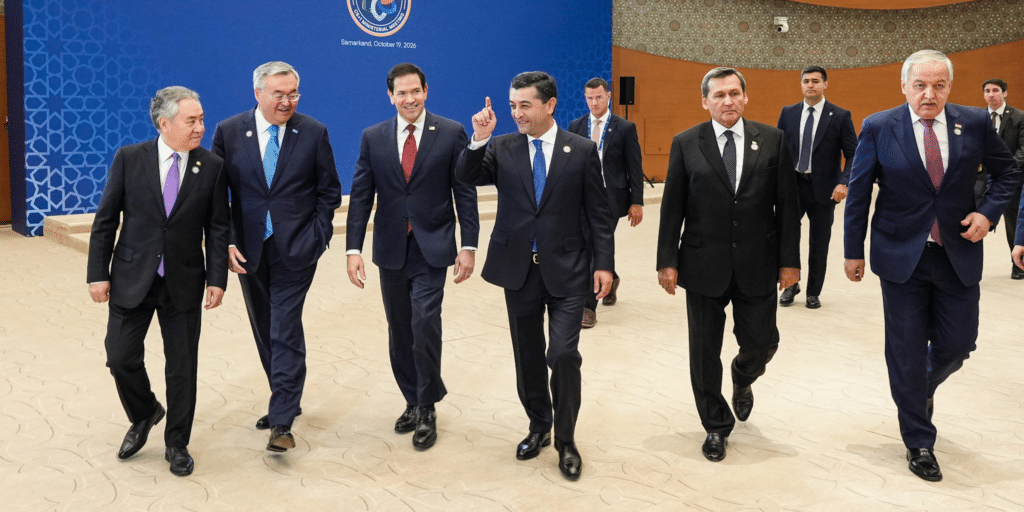
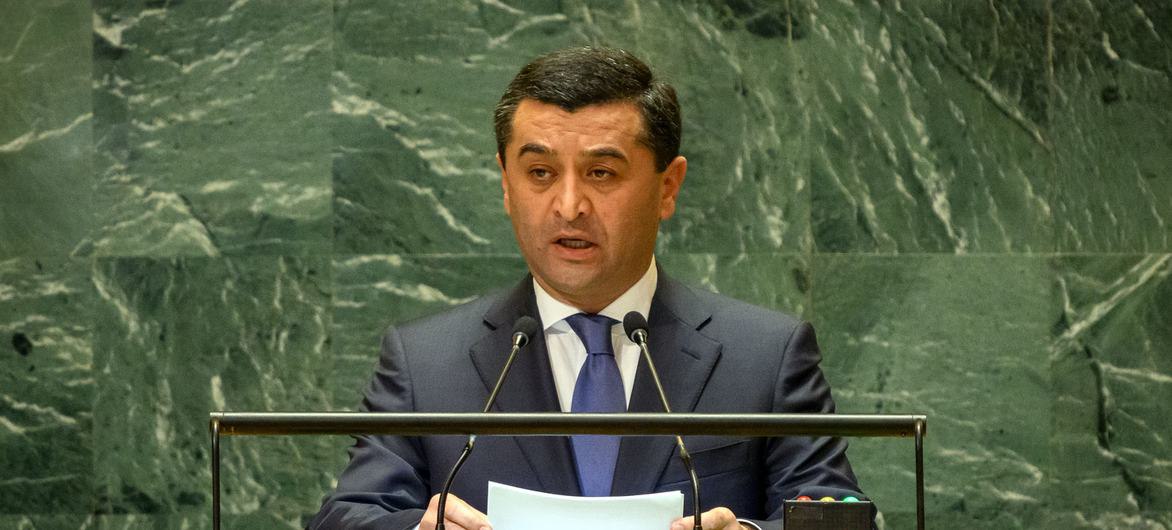
Uzbekistan responded through diplomatic channels. Foreign Minister Bakhtiyor Saidov held separate phone conversations with Afghanistan’s Foreign Minister Mawlawi Amir Khan Muttaqi and Pakistan’s Deputy Prime Minister and Foreign Minister Muhammad Ishaq Dar. The discussions focused on preventing further escalation and preserving stability along the border.
Saidov emphasized the importance of restraint and dialogue, stating that diplomatic engagement must remain the primary mechanism for addressing emerging challenges. Uzbekistan’s Ministry of Foreign Affairs later issued a formal statement expressing deep concern over the deterioration of the situation and calling for an immediate ceasefire, maximum restraint, and the resolution of disagreements through peaceful political and diplomatic means based on respect for sovereignty and territorial integrity.