• KGS/USD = 0.01144 0%
  • KZT/USD = 0.00215 0%
  • TJS/USD = 0.10599 -0.28%
  • UZS/USD = 0.00008 0%
  • TMT/USD = 0.28571 0%
  • KGS/USD = 0.01144 0%
  • KZT/USD = 0.00215 0%
  • TJS/USD = 0.10599 -0.28%
  • UZS/USD = 0.00008 0%
  • TMT/USD = 0.28571 0%
  • KGS/USD = 0.01144 0%
  • KZT/USD = 0.00215 0%
  • TJS/USD = 0.10599 -0.28%
  • UZS/USD = 0.00008 0%
  • TMT/USD = 0.28571 0%
  • KGS/USD = 0.01144 0%
  • KZT/USD = 0.00215 0%
  • TJS/USD = 0.10599 -0.28%
  • UZS/USD = 0.00008 0%
  • TMT/USD = 0.28571 0%
  • KGS/USD = 0.01144 0%
  • KZT/USD = 0.00215 0%
  • TJS/USD = 0.10599 -0.28%
  • UZS/USD = 0.00008 0%
  • TMT/USD = 0.28571 0%
  • KGS/USD = 0.01144 0%
  • KZT/USD = 0.00215 0%
  • TJS/USD = 0.10599 -0.28%
  • UZS/USD = 0.00008 0%
  • TMT/USD = 0.28571 0%
  • KGS/USD = 0.01144 0%
  • KZT/USD = 0.00215 0%
  • TJS/USD = 0.10599 -0.28%
  • UZS/USD = 0.00008 0%
  • TMT/USD = 0.28571 0%
  • KGS/USD = 0.01144 0%
  • KZT/USD = 0.00215 0%
  • TJS/USD = 0.10599 -0.28%
  • UZS/USD = 0.00008 0%
  • TMT/USD = 0.28571 0%

Viewing results 1 - 6 of 13

Kazakhstan to Crack Down on Motor Fuel Smuggling to Kyrgyzstan

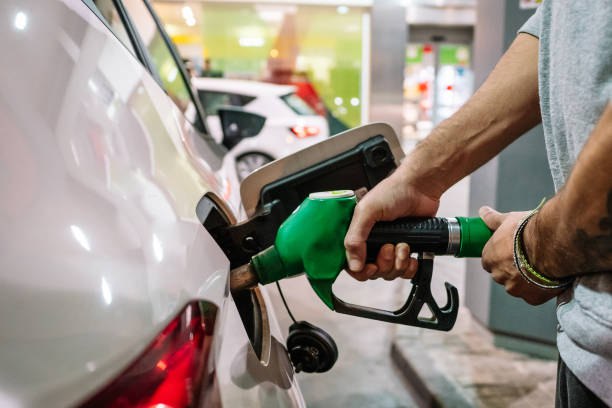
On October 8, Kazakhstan’s Financial Monitoring Agency held a meeting on strengthening control over the smuggling of motor fuel from the country’s border regions. As gasoline prices in Kazakhstan are significantly lower than in neighboring Kyrgyzstan, gasoline is transported from the southern regions of Kazakhstan to northern Kyrgyzstan in passenger car gas tanks. In practical terms, drivers fill up their cars at Kazakh gas stations close to the border, then enter Kyrgyzstan and redistribute the gasoline. According to the Financial Monitoring Agency, up to 10,000 tons of fuel are exported this way monthly through the Kazakh-Kyrgyz border. Fuel is also illegally exported by railway tanks, with documents indicating other contents inside the tanks. At the meeting, the Kazakh government and law-enforcement agencies developed an algorithm of action to prevent the illegal export of motor fuel. Since the beginning of this year, Kazakh law enforcers have filed 21 criminal cases concerning the illegal export of almost 3,500 tons of fuel. Kazakh gasoline is sold in plastic bottles on northern Kyrgyzstan's roadsides and around Bishkek. The most popular gasoline, AI-92, is sold by roadside traders for 58 KGS per liter ($1 = 85 KGS), while authorized gas stations sell it for 67 KGS per liter. In 2023, Kyrgyzstan’s Tax Service confiscated 9,599 liters of illegal fuel, up from 3,422 liters in 2022.

Turkmenistan Among Ten Countries With Cheapest Gasoline

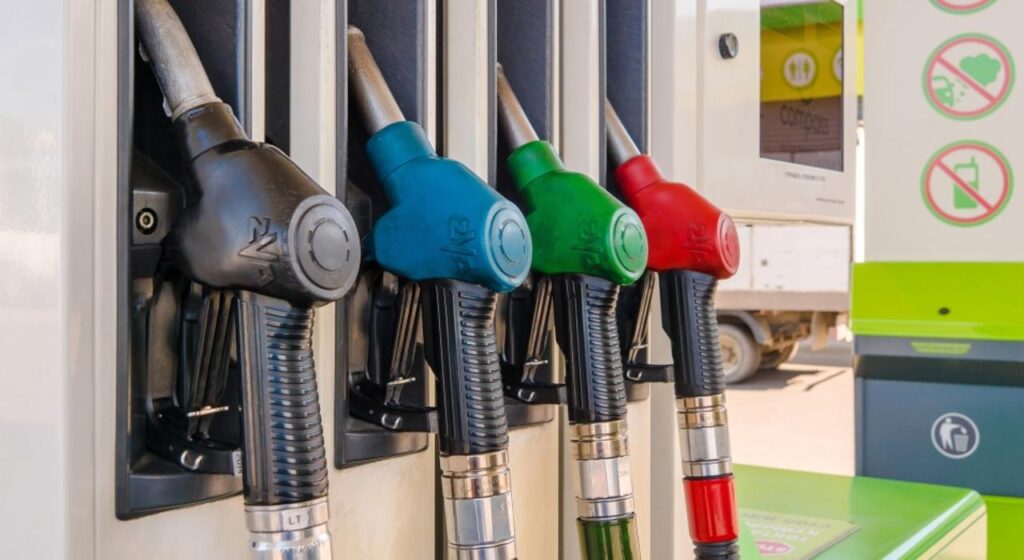
According to the Global Petrol Prices portal, the average price of gasoline worldwide is $1.21 per liter as of September 30, 2024. “However, there is a substantial difference in these prices among countries. As a general rule, richer countries have higher prices while poorer countries and the countries that produce and export oil have significantly lower prices,” the report explains. Iran, Libya, and Venezuela have the lowest diesel fuel prices. Singapore, Israel, Finland, Albania, Switzerland, Liechtenstein, Iceland, the Central African Republic, Monaco, and Hong Kong have the highest prices. The highest price is noted in Hong Kong, where one liter of gasoline is $3,279. Turkmenistan has the lowest oil prices among Central Asian countries. One liter of gasoline costs $0.429, making it among the top 10 countries in terms of low prices. In Kazakhstan, the price of one liter of gasoline is $0.508. In Kyrgyzstan, it is slightly higher—$0.880. The most expensive price in the region is in Uzbekistan, where the price of one liter of gasoline is $0.983. There is no information about the price of gasoline in Tajikistan.

U.S. Company to Support Kazakhstan’s Production of Sustainable Aviation Fuel

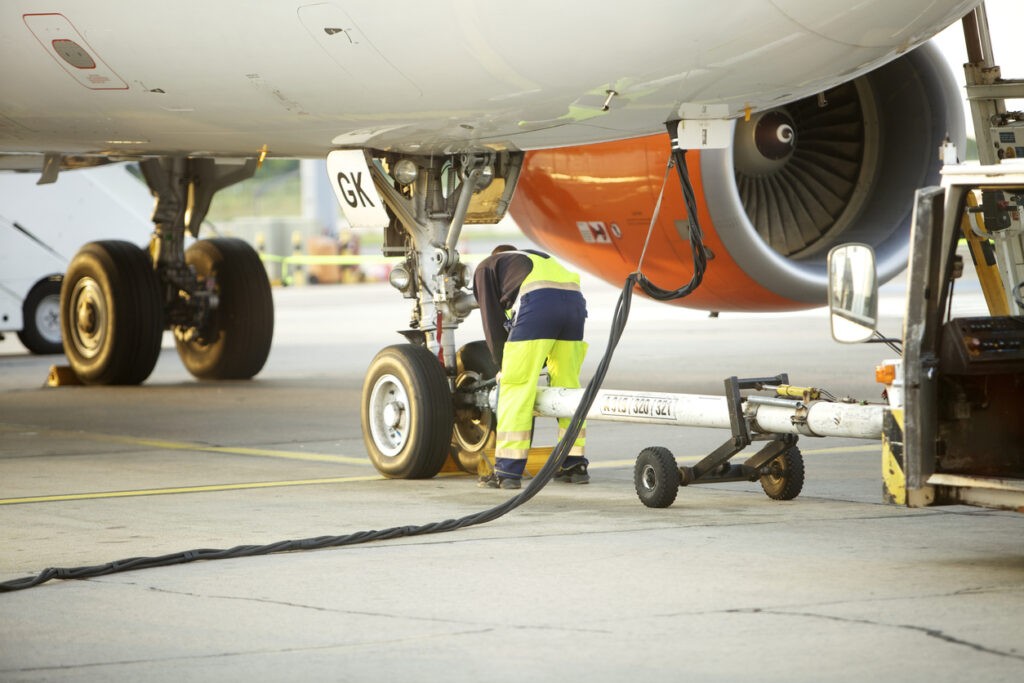
Kazakhstan’s national oil and gas company KazMunayGas (KMG) and the American technology company LanzaJet have signed a memorandum of cooperation for a strategic partnership in the production of environmentally sustainable aviation fuel (SAF) in Kazakhstan. While in the United States from August 5-7, KMG Chairman of the Board Askhat Khassenov visited the American company’s laboratory in Chicago and met with LanzaJet CEO Jimmy Samartzis. Khassenov noted that KMG aims to reduce its carbon footprint by 15% by 2031, compared to 2019 levels, and developing the country's biofuels market will support Kazakhstan's goal of carbon neutrality. He then stated that in response to the current rise in the global demand for SAF, his company is considering its production in Kazakhstan. LanzaJet CEO, Jimmy Samartzis, emphasized the importance of Kazakhstan's initial steps towards producing environmentally friendly jet fuel and expressed readiness to provide full technological support. LanzaJet specializes in SAF production technology from ethanol (ethanol-to-jet or alcohol-to-jet) and has long-term off-take agreements with major airlines. In January 2024, the company launched the world's first commercial-scale LanzaJet Freedom Pines Fuels plant for SAF production from ethanol. KMG earlier said that a preliminary feasibility study for the possible construction of a SAF production facility in Kazakhstan had already been completed by KMG and Air Astana with financial assistance from the European Bank for Reconstruction and Development (EBRD). SAF (Sustainable Aviation Fuel), an alternative to conventional jet fuel, represents a promising tool for decarbonizing the aviation industry. SAF can be derived from bioethanol (ethanol) produced from plants and other renewable sources, and compared to traditional jet fuel, reduces carbon emissions by 80%. In Europe, all jet fuel must contain 2% SAF from 2025 onwards, and the use of eco-friendly jet fuel must rise to 63% by 2050.

Price of Liquefied Petroleum Gas to Rise Again in Kazakhstan

The Ministry of Energy of Kazakhstan has published for public discussion, a draft by the Minister of Energy to increase the price of liquefied petroleum gas (LPG) from July 1. The maximum wholesale price of one ton of LPG will be increased from the current 40,320 tenge to 45,158 tenge, and the maximum retail price will increase slightly — by 5-8 tenge per liter, depending on the region. Cheaper than gasoline, LPG is the most popular fuel for vehicle owners in Kazakhstan. A sharp hike in the price of LPG was met with nationwide objection in January, triggering mass protests in Zhanaozen which spread nationwide and turned violent in Almaty and Astana. The ministry issued several reasons for what will be an unpopular move. First, the price of liquefied petroleum gas is much lower than the cost of its production. The production cost of LPG varies from 60 thousand to 70 thousand tenge per ton, whereas the current maximum wholesale price is 40,320 tenge per ton. Second, LPG consumption in Kazakhstan increases year on year. In 2023, it increased by 400 thousand tons, or 28%, compared to 2022. Last year, LPG consumption volumes amounted to 2.2 million tons compared to 1.8 million tons in 2022. Increasing consumption and the unprofitability of LPG production due to low prices have led to a decrease in the production of the fuel and its shortage in the regions. Today the deficit of LPG stands at 20-25%. Third, due to unprofitability, manufacturers are increasingly losing interest in LPG production and switching instead, to more profitable products. For the same reason, investors are also reluctant to invest in its production. Fourth, the price of LPG in Kazakhstan, between 54-86 tenge per litre depending on the region, is the lowest among former Soviet states. For comparison, the price per litre in Russia is equivalent to 132 tenge; in Kyrgyzstan, 159 tenge; in Azerbaijan, 171 tenge; and in Tajikistan, 273 tenge. According to analysts, in 2024, LPG consumption in Kazakhstan will increase by another 200 thousand tons and reach 2.4 million tons, leading to a potential shortage of 30-40%

Kazakhstan Motoring Towards to Fuel Self-Sufficiency

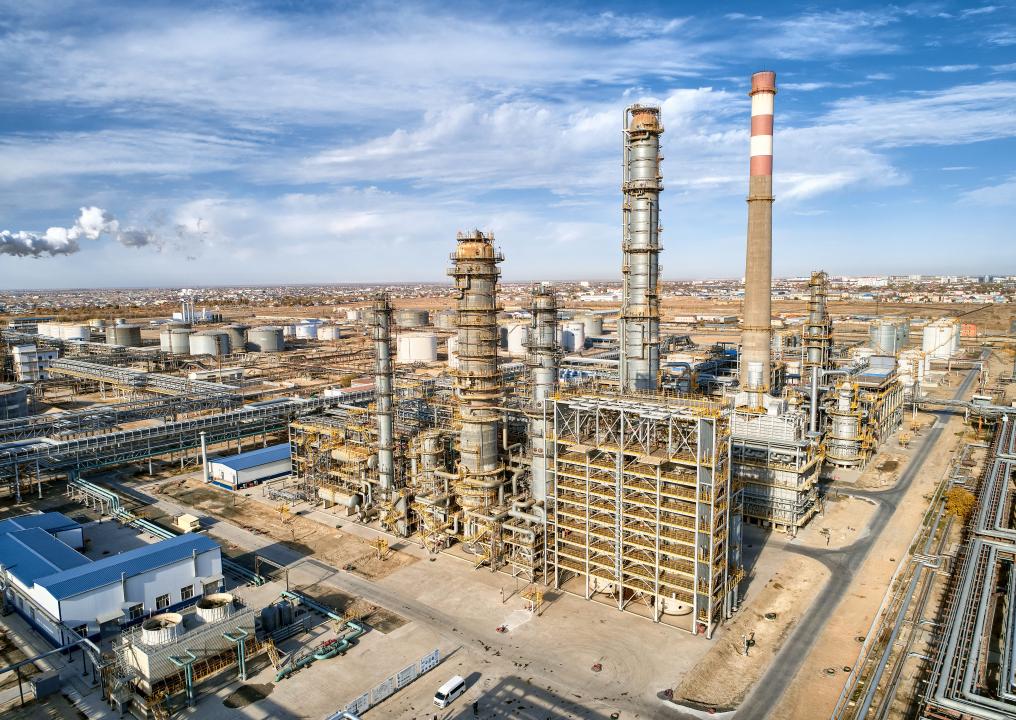
Speaking at a government meeting on May 28, Kazakhstan Energy Minister Almasadam Satkaliev announced a significant rise in the country’s supplies of fuel, raising the potential for its future export. During the first quarter of the year, oil refined in Kazakhstan amounted to 5.9 million tons; an increase of 5.4% compared to spring 2023. Production of fuel amounted to 4.28 million tons. To date, reserves of diesel fuel at refineries and oil depots have increased to 612 thousand tons, 38 days’ worth; AI-92 gasoline, to 352 thousand tons, 30 days’ worth, and AI-95 gasoline, to 86 thousand tons, 30 days’ worth. The depth of oil refining and consequently, the production of light oil products (gasoline) has increased from 85% to 87%. Kazakhstan plans to increase the production of motor fuel by expanding production at the Shymkent oil refinery from 6 to 12 million tons by 2030, at the Atyrau Oil Refinery from 5.5 to 6.7 million tons by 2027, and at the Pavlodar Petrochemical Plant from 5.5 to 8 million tons by 2030. According to the minister, the implementation of the above will not only satisfy the domestic market’s growing demands for fuel but also, allow its export to neighbouring countries.