• KGS/USD = 0.01143 0%
  • KZT/USD = 0.00205 0%
  • TJS/USD = 0.10724 0.09%
  • UZS/USD = 0.00008 0%
  • TMT/USD = 0.28571 0%
  • KGS/USD = 0.01143 0%
  • KZT/USD = 0.00205 0%
  • TJS/USD = 0.10724 0.09%
  • UZS/USD = 0.00008 0%
  • TMT/USD = 0.28571 0%
  • KGS/USD = 0.01143 0%
  • KZT/USD = 0.00205 0%
  • TJS/USD = 0.10724 0.09%
  • UZS/USD = 0.00008 0%
  • TMT/USD = 0.28571 0%
  • KGS/USD = 0.01143 0%
  • KZT/USD = 0.00205 0%
  • TJS/USD = 0.10724 0.09%
  • UZS/USD = 0.00008 0%
  • TMT/USD = 0.28571 0%
  • KGS/USD = 0.01143 0%
  • KZT/USD = 0.00205 0%
  • TJS/USD = 0.10724 0.09%
  • UZS/USD = 0.00008 0%
  • TMT/USD = 0.28571 0%
  • KGS/USD = 0.01143 0%
  • KZT/USD = 0.00205 0%
  • TJS/USD = 0.10724 0.09%
  • UZS/USD = 0.00008 0%
  • TMT/USD = 0.28571 0%
  • KGS/USD = 0.01143 0%
  • KZT/USD = 0.00205 0%
  • TJS/USD = 0.10724 0.09%
  • UZS/USD = 0.00008 0%
  • TMT/USD = 0.28571 0%
  • KGS/USD = 0.01143 0%
  • KZT/USD = 0.00205 0%
  • TJS/USD = 0.10724 0.09%
  • UZS/USD = 0.00008 0%
  • TMT/USD = 0.28571 0%

Viewing results 1 - 6 of 63

Kazakhstan’s Nuclear Fuel Plant Achieves Full Production Capacity

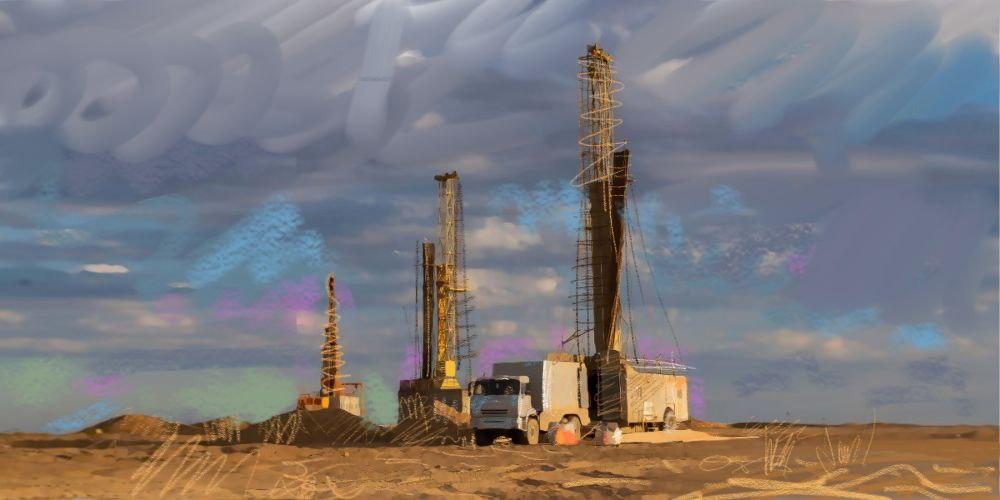
Kazakhstan’s national uranium company, Kazatomprom, announced on January 6 that its Kazakh-Chinese joint venture, Ulba-FA LLP, achieved its design capacity of producing 200 tons of low-enriched uranium in the form of fuel assemblies by the end of 2024. Ulba-FA is the only fuel production facility for nuclear power plants in Central Asia. The joint venture is a collaboration between Kazatomprom, represented by its subsidiary Ulba Metallurgical Plant, and China General Nuclear Power Corporation. Since commencing operations in November 2021, Ulba-FA has gradually ramped up production, reaching its design capacity within three years. The 200 tons of nuclear fuel produced in 2024 are sufficient to reload six nuclear reactors. Supplying China’s Nuclear Power Plants All fuel assemblies produced at the Ulba-FA plant are currently supplied to nuclear power plants in China, underscoring the strategic partnership between the two nations in the nuclear energy sector. China and Russia remain the largest importers of Kazakh uranium. Between January and October 2023, Kazakhstan exported $2.46 billion worth of uranium, with $922.7 million directed to China and $1.2 billion to Russia. Kazatomprom solidified its position as the world’s largest uranium producer in 2023, accounting for approximately 20% of global primary uranium production.

Kazakhstan Plans to Accelerate Construction of First Nuclear Power Plant

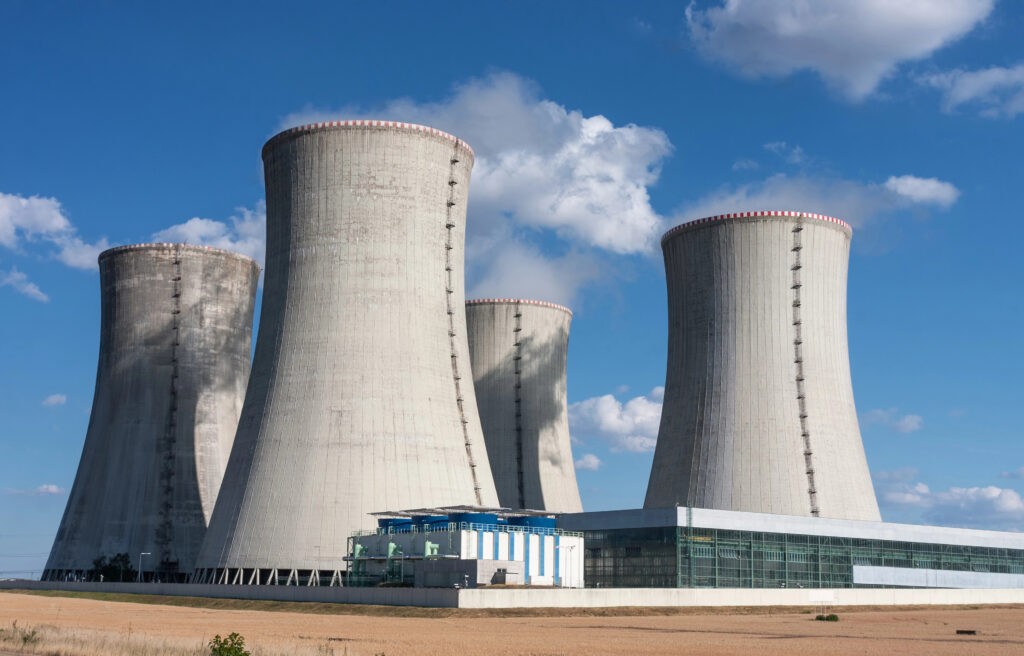
Kazakhstan’s Energy Minister, Almasadam Satkaliyev, has announced that the selection of a contractor for the country’s first nuclear power plant (NPP) will be finalized in the first half of 2025. The government is awaiting proposals from bidders that focus on shortening construction timelines and reducing project costs. This follows President Kassym-Jomart Tokayev's directive to expedite the implementation of the nuclear power plant project. “The commission will do everything possible to advance this process and make a decision on the contractor in the first half of 2025,” Satkaliyev told reporters. The shortlist for the potential builders includes four companies: China’s CNNC, Russia’s Rosatom, South Korea’s KHNP, and France’s EDF. Kazakh authorities have also indicated that a consortium involving multiple countries might be formed to leverage diverse technological solutions. Deputy Prime Minister Roman Sklyar highlighted the benefits of such collaboration, where different countries could contribute specific components, such as nuclear islands, turbines, or distribution systems. Satkaliyev emphasized the need for faster construction solutions, citing a precedent where China’s national nuclear company built a power unit in Pakistan in six years. “In today’s world, there are possibilities for expedited solutions,” he stated. Kazakhstan previously projected a 10-year timeline for constructing the NPP. However, the country is expected to face a 2.4 gigawatt energy deficit by 2035, underscoring the urgency of completing the project. The energy minister noted that the process from construction to the launch of the first unit could take up to 14 years, making accelerated timelines crucial. The Times of Central Asia previously reported on the results of a referendum held on October 6, which showed that 71.12% of voters approved the construction of a nuclear power plant in the Almaty region. The accelerated development of the NPP reflects Kazakhstan’s commitment to addressing its future energy needs while integrating advanced international technologies and solutions.

Rosatom Exits Key Uranium Ventures in Kazakhstan Amid Strategic Shifts

Uranium One Group, a subsidiary of State Atomic Energy Corporation Rosatom. has announced its withdrawal from uranium projects in Kazakhstan. This decision coincides with Kazakhstan’s ongoing selection of operators for a consortium tasked with constructing the country’s first nuclear power plant. According to Kazatomprom (KAP), Uranium One Group has sold its 49.979% stake in the Zarechnoye joint venture to SNURDC Astana Mining Company Limited. The ultimate beneficiary of the acquiring party is China’s State Nuclear Uranium Resources Development Co., Ltd. Kazatomprom retains its 49.979% stake in the venture. The Zarechnoye joint venture, operational since its discovery in 1977, extracts uranium from the Zarechnoye deposit in Kazakhstan’s Turkestan region. As of early 2024, the deposit holds approximately 3,500 tons of uranium ore, with mining operations expected to conclude by 2028. In addition, Uranium One Group is set to divest its 30% stakes in the Khorasan-U and Kyzylkum joint ventures to China Uranium Development Company Limited, a subsidiary of China General Nuclear Power Corporation (CGN). The transaction awaits the completion of closing procedures. Kazatomprom’s share in these ventures remains unchanged, with 50% ownership in Khorasan-U and a 50% indirect interest in Kyzylkum. Khorasan-U operates in the Zhanakorgan district of the Kyzylorda region, mining uranium from the Khorasan-1 section of the North Khorasan deposit. This deposit contains reserves of approximately 33,000 tons of uranium as of 2024, with mining projected to continue until 2038. Meanwhile, Kyzylkum focuses on processing uranium from Khorasan-U but does not hold subsoil usage rights, restricting its activities to processing. Kazatomprom has prioritized replenishing its mineral resource base, recently securing four new licenses for uranium exploration. These areas are estimated to contain over 180,000 tons of uranium, which Kazatomprom plans to develop independently. In November 2023, Kazakhstan’s Ministry of Ecology and Natural Resources reported environmental violations at the Zarechnoye joint venture. Soil samples revealed excessive concentrations of sulfuric acid, prompting authorities to issue directives for remediation. Kazakh political analyst Daniyar Ashimbayev highlighted that Kazatomprom oversees 14 subsidiaries, including joint ventures with Japan, France, Russia, Kyrgyzstan, and China. These partnerships underscore Kazakhstan’s significant role in the global uranium market. China and Russia remain the largest importers of Kazakh uranium. From January to October 2023, Kazakhstan exported $2.46 billion worth of uranium, with $922.7 million going to China and $1.2 billion to Russia. Several nations are vying for inclusion in the consortium that will construct Kazakhstan’s first nuclear power plant. During a state visit to Kazakhstan, Russian President Vladimir Putin emphasized Rosatom’s advanced nuclear technologies. Valentina Matvienko, Speaker of Russia’s Federation Council, underscored Kazakhstan’s interest in Rosatom’s involvement. However, President Kassym-Jomart Tokayev has yet to finalize the decision. Kazakhstan’s Energy Minister, Almasadam Satkaliyev, has recently visited South Korea, France, and China to explore nuclear energy partnerships. Political analyst Gaziz Abishev affirmed this diplomatic outreach as a strategic effort to secure the most advantageous terms for Kazakhstan, ensuring that competing nations present their best proposals.

Uzbekistan and IAEA Agree on Roadmap for Peaceful Nuclear Cooperation

Uzbekistan and the International Atomic Energy Agency (IAEA) have agreed on a comprehensive roadmap to expand cooperation in peaceful nuclear development. The agreement was reached during the meeting on December 4 between Uzbekistan’s President Shavkat Mirziyoyev and IAEA Director General Rafael Grossi, where they discussed broadening bilateral cooperation and exploring new areas of practical partnership. A History of Collaboration Uzbekistan has been a member state of the IAEA since 1994. Over the past three decades, more than 40 joint projects have been implemented with the technical assistance of the agency. Currently, five active projects focus on strengthening Uzbekistan’s legal framework and institutional capacity, as well as advancing nuclear science, healthcare, and related sectors. Mirziyoyev praised the productive results of the IAEA delegation’s meetings with Uzbekistan’s ministries, agencies, and scientific organizations. He also welcomed the upcoming International Conference on Nuclear Energy, which will be held in Samarkand on December 5 with the participation of leading experts in the field. Priority Areas for Cooperation The meeting outlined several key priorities for Uzbekistan-IAEA cooperation, including: • Enhancing the capacity and competence of national agencies. • Preparing high-skilled personnel for nuclear-related fields. • Developing nuclear energy, agriculture, water use, healthcare, and ecological programs under the IAEA’s guidance. Adoption of a Joint Roadmap As a result of the meeting, Uzbekistan and the IAEA agreed to adopt a joint roadmap to strengthen multidimensional cooperation in peaceful nuclear development. Nuclear Power Plant Construction In related developments, The Times of Central Asia has previously reported that Russia’s Atomstroyexport and Uzbekistan’s Directorate for NPP Construction have signed a contract to build a small-capacity nuclear power plant (SCNPP) in the Jizzakh region. The plant will feature a Russian-designed ASMP with a total capacity of 330 MW, consisting of six 55 MW reactors. Rosatom will serve as the primary contractor, with contributions from local Uzbek companies. The collaboration between Uzbekistan and the IAEA, along with the planned nuclear power plant, highlights the country’s commitment to advancing nuclear technology for peaceful purposes while addressing energy and sustainability challenges.

Navigating Energy and Diplomacy: Putin’s Visit to Kazakhstan

The Kremlin has confirmed that Russian President Vladimir Putin will visit Kazakhstan on November 27 at the invitation of Kazakh President Kassym-Jomart Tokayev. The visit is expected to focus on several key issues, with the construction of Kazakhstan's first nuclear power plant likely to be high on the agenda. As part of the visit, the two leaders will participate in the 20th Forum of Inter-regional Cooperation between Kazakhstan and Russia via video conference. Additionally, Putin will attend the regular session of the Collective Security Treaty Organization (CSTO) Collective Security Council, chaired by President Tokayev, on November 28. The meeting will involve heads of state from Russia, Kazakhstan, Belarus, Kyrgyzstan, and Tajikistan, as well as CSTO Secretary General Imangali Tasmagambetov. The agenda includes discussions on regional and international security, with a program to strengthen Tajik-Afghan border security set to be adopted. Notably, given its currently tumultuous relationship with Russia in the wake of Azerbaijan's invasion of Nagorno-Karabakh, Armenia will not participate, with its Foreign Minister, Ararat Mirzoyan having opted out of attending. Focus on Nuclear Power and the Role of a Consortium Experts believe that Putin’s visit will include discussions on nuclear energy. This aligns with recent remarks by Kazakh Energy Minister Almasadam Satkaliyev, who stated that Kazakhstan is open to discussing nuclear power plant construction with Russia, among other potential partners. Satkaliyev emphasized that energy issues remain a cornerstone of international cooperation, and Kazakhstan has established an intergovernmental commission to evaluate proposals from various vendors on a competitive basis. Kazakhstan’s First Deputy Prime Minister Roman Sklyar has highlighted the importance of forming an international consortium for the project. Speaking in September, Sklyar noted that political risks and safety concerns would be addressed during the process. He also emphasized the need to incorporate cutting-edge technologies from global leaders in the nuclear energy sector. On November 14, Kazakh Prime Minister Olzhas Bektenov met with Alexei Likhachev, Director General of the Russian State Atomic Energy Corporation, Rosatom. The meeting focused on cooperation in nuclear energy, quantum technologies, digitization, and the development of human resources. Rosatom, a diversified company involved in engineering and construction, currently has 39 nuclear power units in various stages of development across ten countries. Public Support and Future Plans The potential construction of a nuclear power plant in Kazakhstan has garnered significant public support. In an October 2024 referendum, 71.2% of Kazakh voters approved the initiative. Commenting on the result, Tokayev suggested that an international consortium involving global companies with advanced technologies would be the best approach for the project. Kazakhstan’s energy landscape is characterized by a reliance on aging thermal power plants, which are increasingly unable to meet the demands of a growing population and economy, with electricity shortages projected to worsen, particularly in the rapidly developing southern regions. The construction of a nuclear power plant, therefore, is seen as a crucial step toward alleviating these shortages, reducing dependence on overpriced imports from Russia, and achieving carbon neutrality goals. The construction of Kazakhstan’s first nuclear power plant presents both...

Azerbaijan and Kazakhstan Stand Out at COP29

The 29th United Nations Climate Change Conference (COP29), held in Baku from November 11–22, 2024, has underscored the critical role of Azerbaijan and Kazakhstan in advancing Caspian Sea regional energy transitions. Both countries leveraged their positions along the Middle Corridor to present ambitious renewable and nuclear energy strategies.   Azerbaijan: Renewables and the Middle Corridor Azerbaijan, the host and chair of COP29, has positioned itself as a renewable energy connector between Central Asia and Europe. Its energy strategy reflects a pragmatic approach to transitioning from hydrocarbons, which accounted for 88% of government revenues in 2023, to a diversified portfolio incorporating solar, wind, and hydropower. Azerbaijan has prioritized key renewable energy projects to align with its goal of achieving a 30% renewable share in its electricity mix by 2030. Among these is the operational Garadagh Solar Power Plant, a 230-megawatt (MW) facility developed by the UAE's Masdar, which generates 500 million kilowatt-hours (kWh) annually. Complementing this is the planned Alat Solar Project, a 400-MW solar installation expected to be operational by 2027. These projects aim to bolster domestic electricity supply and expand Azerbaijan’s capacity to export renewable energy. The Caspian Offshore Wind Initiative, backed by the European Bank for Reconstruction and Development (EBRD), seeks to harness the Caspian Sea’s favorable wind conditions. A 1-gigawatt (GW) wind farm is under preliminary study, with construction anticipated to begin by 2026. This project could transform Azerbaijan into a renewable energy hub for the Middle Corridor, particularly as Europe reduces its dependency on Russian energy.   Kazakhstan: Nuclear Ambitions and Renewable Diversification Kazakhstan’s energy strategy focuses on nuclear power and renewables, driven by the need to reduce coal dependency, which still accounts for two thirds of its electricity generation. The government’s approval of its first nuclear power plant, following a nationwide referendum in October 2024, is central to this strategy. The planned nuclear reactor, located near Lake Balkhash, will generate 1.2-GW of electricity, replacing approximately 20% of coal-fired generation. This initiative complements Kazakhstan’s status as the world’s largest uranium producer, supplying over 40% of global demand and generating $3.6 billion in export revenues in 2023. Potential consortium members for the project include South Korea’s KEPCO, France’s Orano and EDF, China’s CNNC, and Russia's Rosatom, although economic-sanctions issues complicate Russia’s involvement in the nuclear sector. Kazakhstan is simultaneously scaling up renewable energy projects, with several key initiatives underway. The Zhanatas Wind Farm, operational since 2022, produces 100-MW of power, and the Shelek Solar Park, a 200-MW solar facility near Almaty, is expected to come online in late 2025. Together, these projects aim to increase renewables to 15% of Kazakhstan’s electricity mix by 2030, quintupling the level from 2023.   The Trans-Caspian Electricity Cable Project At the COP29 conference, Azerbaijan and Kazakhstan, along with Uzbekistan, announced an ambitious trans-Caspian electricity cable project through an underwater transmission system. This infrastructure initiative, estimated to cost $2.5 billion, seeks to establish an electricity corridor linking Central Asia with European markets, representing a significant step in regional energy integration. The project...